Legislative Activity
Track Robert's sponsored bills, co-sponsored legislation, and voting record
The Linemen Legacy Act amends the Homeland Security Act to officially classify utility line technicians as emergency response providers during federally declared disasters.
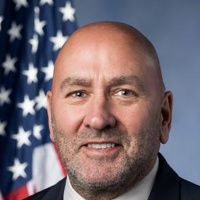
Clay Higgins
Representative
LA
Clay Higgins
Representative
LA
The Linemen Legacy Act amends the Homeland Security Act to officially classify utility line technicians as "emergency response providers." This designation ensures that linemen receive formal recognition and support when responding to major disasters or federally declared emergencies.
The ISLET Act classifies human cadaveric islets as organs rather than drugs or biological products to streamline their regulation and improve access to life-saving transplantation.
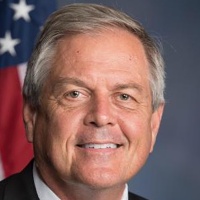
Ralph Norman
Representative
SC
Ralph Norman
Representative
SC
The ISLET Act classifies human cadaveric islets as organs rather than drugs or biological products, streamlining their regulation under the Public Health Service Act. This legislation mandates that the Secretary of Health and Human Services update federal regulations to reflect this change, ensuring more efficient access to life-saving endocrine transplantation.
This bill mandates the reduction or escrow of Congressional Member pay for days when a government shutdown is in effect.
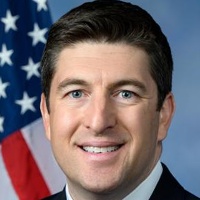
Bryan Steil
Representative
WI
Bryan Steil
Representative
WI
This bill, the Withhold Member Pay During Shutdowns Act, mandates that Members of Congress will not receive pay for any day a government shutdown is in effect. For shutdowns occurring before November 2026, the pay will be withheld and held in escrow, to be released after the pay reduction requirement takes effect. This ensures that congressional salaries are directly impacted by lapses in government appropriations.
This Act establishes new federal standards and requirements for states issuing commercial driver's licenses (CDLs) to individuals who are not residents of that issuing state, particularly focusing on drivers from foreign countries and U.S. territories.
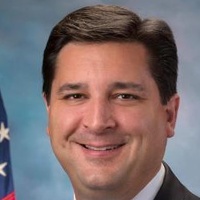
David Rouzer
Representative
NC
David Rouzer
Representative
NC
The Non-Domiciled CDL Integrity Act establishes new federal standards for states issuing Commercial Driver's Licenses (CDLs) to individuals who do not reside in that state. This bill sets specific, strict requirements for foreign nationals seeking a CDL, including proof of lawful status and job-related visas, while also outlining distinct procedures for applicants residing in U.S. territories. The legislation mandates enhanced record-keeping and reporting by states to the Secretary of Transportation regarding these non-domiciled licenses.
The Enhanced Iran Sanctions Act of 2025 mandates broad economic and immigration sanctions on foreign individuals, entities, and financial institutions that support Iran’s nuclear, missile, drone, or terrorist activities, while specifically targeting the country's petroleum and petrochemical sectors.
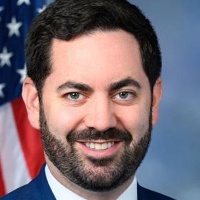
Michael Lawler
Representative
NY
Michael Lawler
Representative
NY
The Enhanced Iran Sanctions Act of 2025 strengthens U.S. policy by imposing mandatory sanctions on foreign persons and financial institutions that support Iran’s nuclear, ballistic missile, drone, and terrorist activities. The bill specifically targets Iran’s petroleum and petrochemical sectors to cut off funding for these malign programs. Additionally, it expands the State Department’s "Rewards for Justice" program to incentivize the reporting of individuals who evade these sanctions.
This act streamlines the oversight of State Veterans Homes by allowing VA-certified facilities to automatically meet Medicare and Medicaid participation requirements while ensuring consistent public reporting of quality and safety data.
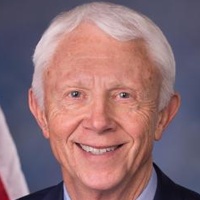
Jack Bergman
Representative
MI
Jack Bergman
Representative
MI
The State Veterans Homes Inspection Simplification Act streamlines the regulatory process by allowing State Veterans Homes certified by the Department of Veterans Affairs (VA) to be automatically deemed compliant with Medicare and Medicaid participation requirements. The bill ensures continued oversight and accountability by mandating that VA inspection standards align with federal protocols and requiring that all quality and compliance data be publicly reported. Additionally, it tasks the Government Accountability Office with reviewing the effectiveness and impact of this new authority within three years.
This act mandates that the FAA immediately apply the same flightcrew duty and rest requirements currently used for passenger operations to all-cargo operations.
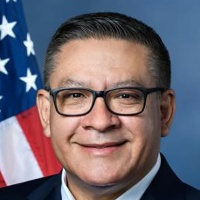
Salud Carbajal
Representative
CA
Salud Carbajal
Representative
CA
The Safe Skies Act of 2026 mandates the Department of Transportation to immediately apply the existing Federal Aviation Administration (FAA) duty and rest requirements for passenger flightcrews to all-cargo operations. This change aims to standardize safety protocols across both sectors. The required modification must be enacted within 30 days of the law's passage.
This bill officially designates the United States Postal Service facility at 4431 Main Street in Philadelphia, Pennsylvania, as the "Dr. Constance 'Connie' E. Clayton Post Office."
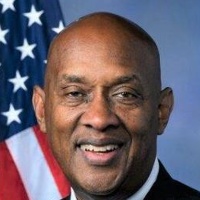
Dwight Evans
Representative
PA
Dwight Evans
Representative
PA
This bill officially designates the United States Postal Service facility at 4431 Main Street in Philadelphia, Pennsylvania, as the "Dr. Constance 'Connie' E. Clayton Post Office." The legislation ensures that all federal records and documents will henceforth refer to the location by its new name.
This bill officially renames the United States Postal Service facility in Mahaffey, Pennsylvania, as the "Robert Allen Bishop, Sr. Post Office Building."
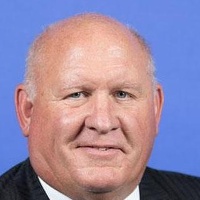
Glenn Thompson
Representative
PA
Glenn Thompson
Representative
PA
This bill officially renames the United States Postal Service facility located at 10 East Main Street in Mahaffey, Pennsylvania. The facility will now be known as the "Robert Allen Bishop, Sr. Post Office Building." This designation will apply to all future official federal references to the building.
The BASICS Act reforms federal highway funding by prioritizing local decision-making, establishing a new bridge repair program, and empowering metropolitan and regional planning organizations with direct funding and expanded administrative authority.
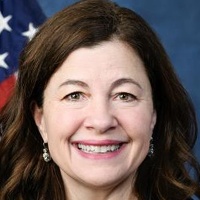
Kristen McDonald Rivet
Representative
MI
Kristen McDonald Rivet
Representative
MI
The BASICS Act (Bridges And Safety Infrastructure for Community Success Act) reforms federal transportation funding to prioritize local decision-making and infrastructure maintenance. The bill establishes a new $5.5 billion annual program for bridge repairs and replacements, while increasing support for regional and metropolitan transportation planning. Additionally, it mandates greater local consultation for project selection and streamlines the process for regional organizations to receive and manage federal transportation funds directly.
This bill mandates that Federally-qualified health centers receive the full 340B discounted drug price upfront at the point of purchase, prohibiting post-purchase price adjustments.
Jack Bergman
Representative
MI
Jack Bergman
Representative
MI
The Community Health Center Drug Pricing Protection Act ensures that Federally-qualified health centers (FQHCs) receive the full 340B discounted price for drugs at the point of purchase. This legislation prohibits manufacturers from requiring FQHCs to pay more than the established ceiling price upfront, regardless of any later rebates or reimbursements. The goal is to guarantee immediate, upfront savings for these vital health centers.
This bill establishes federal standards for voter identification, registration, election administration, and mail-in ballot procedures for federal elections.
Bryan Steil
Representative
WI
Bryan Steil
Representative
WI
The Make Elections Great Again Act establishes new federal standards for voter identification, citizenship verification for registration, and statewide voter list maintenance for federal elections. It also standardizes election administration by mandating paper ballots, banning ranked-choice voting, and implementing strict new rules for requesting and returning mail-in ballots. The bill aims to increase election integrity through enhanced documentation and procedural uniformity across states.
This act establishes new federal safety standards requiring motorcoaches to provide drivers with a minimally obstructed forward-facing view, allowing for compliance through camera technology.
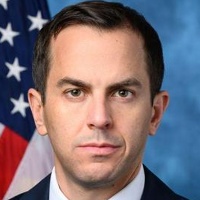
Robert Menendez
Representative
NJ
Robert Menendez
Representative
NJ
The Safe Intersections for Buses and Pedestrians Act mandates the creation of new federal safety standards to ensure bus drivers have a minimally obstructed forward-facing view. This requires the Secretary of Transportation to establish these standards within one year of enactment. Motorcoaches may meet this requirement through direct visibility or approved camera technology that enhances the driver's field of vision.
The PRESS Act establishes a new federal crime and associated penalties for manufacturing or distributing drug-making equipment with the intent that it will be used to produce drugs illegally imported into the United States.
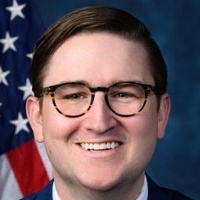
Addison McDowell
Representative
NC
Addison McDowell
Representative
NC
The PRESS Act establishes a new federal crime for manufacturing or distributing equipment used to make illegal drugs if that equipment is intended for substances that will be unlawfully imported into the United States. This legislation amends the Controlled Substances Act to create specific prison sentences for these supply chain offenses. The Act also directs the Sentencing Commission to update federal guidelines to reflect these new penalties.
This act mandates that existing flight crew rest requirements be applied to all commercial passenger airline operations.
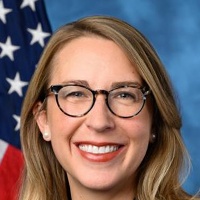
Hillary Scholten
Representative
MI
Hillary Scholten
Representative
MI
The Fatigued Pilot Protection Act mandates that existing federal flight crew rest and duty limitations be applied to **all commercial passenger airline operations**. This legislation requires the FAA to update regulations within 180 days to ensure these critical safety standards cover all relevant flight crew members and certificate holders operating under Part 121.
This bill automatically appropriates funds to ensure federal employees and essential contractors receive their regular pay during a government shutdown.
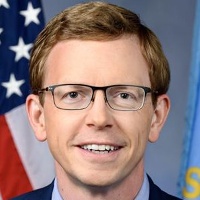
Dusty Johnson
Representative
SD
Dusty Johnson
Representative
SD
The Shutdown Fairness Act automatically appropriates necessary funds to ensure federal employees and essential contractors receive their regular pay during a government shutdown. This legislation mandates timely payment for covered personnel, regardless of whether they were deemed "excepted" or furloughed. The funds are charged against the agency's subsequent regular appropriations once they are enacted.
This bill establishes a special base pay system that increases the salaries of Bureau of Prisons correctional officers and certain hourly employees by 35 percent for a five-year period, subject to review.

Dan Goldman
Representative
NY
Dan Goldman
Representative
NY
The Federal Correctional Officer Paycheck Protection Act of 2026 establishes a special pay system to increase the base pay for Bureau of Prisons (BOP) correctional officers by 35 percent. This legislation also provides a similar 35 percent wage increase for certain hourly BOP employees involved in inmate custody. The new pay authority is set to expire after five years, unless the Department of Justice Inspector General reports measurable progress in reducing the use of non-custodial staff for officer duties and excessive overtime.
This bill modifies deposits into the Crime Victims Fund by excluding certain False Claims Act recoveries and mandates an Inspector General audit of the Fund's sustainability.
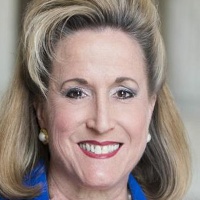
Ann Wagner
Representative
MO
Ann Wagner
Representative
MO
This bill amends the Victims of Crime Act of 1984 to temporarily exclude certain False Claims Act recoveries from being deposited into the Crime Victims Fund through fiscal year 2029. It also mandates a comprehensive audit by the Department of Justice Inspector General on the Fund's sustainability and the impact of recent legislative changes. The resulting report will provide recommendations for improving the Fund's effectiveness and oversight.
This act authorizes eligible public libraries to become passport acceptance facilities and retain the associated execution fees.
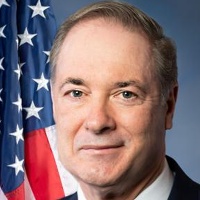
John Joyce
Representative
PA
John Joyce
Representative
PA
The Community Passport Services Access Act authorizes eligible public libraries to serve as official passport acceptance facilities. This allows these libraries to collect and retain the associated execution fee for processing passport applications. The bill ensures that libraries already performing this function can continue to do so.
This bill temporarily funds the FAA using the Aviation Insurance Revolving Fund during a lapse in appropriations and extends non-premium war risk insurance provisions.
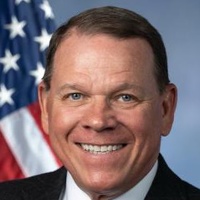
Sam Graves
Representative
MO
Sam Graves
Representative
MO
The Aviation Funding Solvency Act establishes a temporary mechanism to ensure the Federal Aviation Administration (FAA) can continue essential operations if Congress fails to pass regular appropriations. This allows the FAA Administrator to draw upon the Aviation Insurance Revolving Fund to maintain operations at the previous year's funding rate. The temporary funding ceases once a new appropriation or continuing resolution is enacted. The bill also makes a technical amendment regarding non-premium war risk insurance.