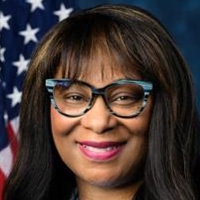
Legislative Activity
Track Janelle's sponsored bills, co-sponsored legislation, and voting record
The Safe Step Act mandates that group health plans using medication step therapy establish clear, timely exception processes for patients and doctors when required drugs are medically inappropriate or ineffective.
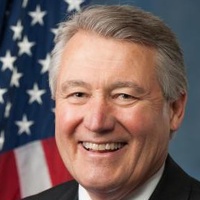
Rick Allen
Representative
GA
Rick Allen
Representative
GA
The Safe Step Act establishes mandatory, transparent exception processes for health plans that use "step therapy" protocols for prescription drugs. This ensures patients or their doctors can quickly request coverage for a prescribed medication when specific clinical criteria are met, such as previous treatment failure or risk of harm. Plans must decide on standard requests within 72 hours and urgent requests within 24 hours, and approved exceptions must last for at least one year. Furthermore, insurers must report detailed data annually on exception requests, approvals, and denials to the Secretary of Health and Human Services.
The HEADACHE Act establishes a National Headache Disorders Initiative, an advisory council, and mandates annual reporting to Congress to improve research, care, and data collection for headache disorders.
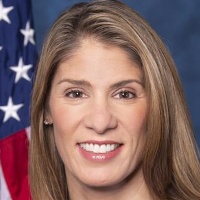
Lori Trahan
Representative
MA
Lori Trahan
Representative
MA
The HEADACHE Act establishes a comprehensive National Headache Disorders Initiative to improve research, workforce development, and care coordination for all headache disorders. It mandates the creation of an Advisory Council to guide federal efforts and requires the Secretary of Health and Human Services to submit annual reports to Congress detailing progress and recommending actions. This legislation aims to address disparities and reduce the societal and financial burden of these conditions before the Act automatically expires five years after enactment.
The SHINE for Autumn Act of 2025 establishes federal grants for states to improve stillbirth surveillance, data collection, and risk factor research while mandating the development of standardized educational guidelines on stillbirth.
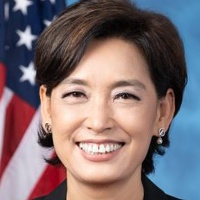
Young Kim
Representative
CA
Young Kim
Representative
CA
The SHINE for Autumn Act of 2025 aims to significantly improve federal support for state-level stillbirth research and data collection. It authorizes grants for states to enhance surveillance, track risk factors, and build local capacity for analyzing stillbirth data, provided the information remains de-identified. Furthermore, the bill mandates the development of standardized guidelines and educational materials regarding stillbirth awareness and risk factors, developed in consultation with experts and bereaved families.
This Act establishes federal assistance for at-risk individuals facing prolonged unhealthy air quality due to wildfire smoke through the provision of protective gear and, when necessary, transitional sheltering.
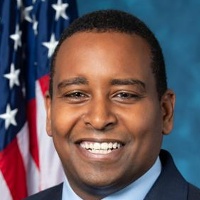
Joe Neguse
Representative
CO
Joe Neguse
Representative
CO
The Wildfire Smoke Relief Act establishes a program to provide assistance to individuals at high risk of illness due to prolonged exposure to unhealthy wildfire smoke. This assistance includes distributing protective gear like air filters and masks, as well as offering transitional shelter when preventative measures are insufficient. Eligibility is based on air quality conditions and specific vulnerability factors such as age, income, or chronic health conditions.
This Act mandates that most health insurance plans, Medicare Part D, Medicaid, and CHIP must cover specific, currently recommended vaccines without out-of-pocket costs for a limited time.

Frank Pallone
Representative
NJ
Frank Pallone
Representative
NJ
The Protecting Free Vaccines Act mandates that most private health insurance plans must cover specific vaccines recommended by the CDC's Advisory Committee on Immunization Practices (ACIP) without any out-of-pocket costs until January 1, 2030. This requirement also updates coverage rules for Medicare Part D, Medicaid, and CHIP to ensure continuity of coverage for these recommended immunizations. The bill locks in coverage based on the ACIP recommendations in place as of October 25, 2024, across various federal health programs.
This bill establishes a mechanism to ensure the Federal Aviation Administration remains funded and operational during a lapse in appropriations.

Steve Cohen
Representative
TN
Steve Cohen
Representative
TN
The Aviation Funding Stability Act of 2025 establishes an automatic mechanism to ensure the Federal Aviation Administration (FAA) remains funded during a lapse in appropriations. This allows the FAA to continue essential operations using existing funds from the Airport and Airway Trust Fund until a new budget or continuing resolution is enacted. Funding will cease after 30 days if no new appropriations are passed. This ensures continuity for core FAA programs, including operations, infrastructure, and grants.
This House resolution strongly condemns all forms of political violence and demands an end to dehumanizing rhetoric against political opponents.
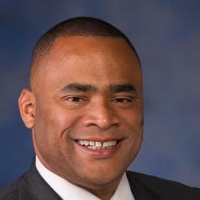
Marc Veasey
Representative
TX
Marc Veasey
Representative
TX
This House Resolution strongly condemns all forms of political violence and threats against elected officials and public figures, regardless of political affiliation. It affirms that disagreements must be resolved through peaceful and democratic means, not intimidation or force. The resolution urges law enforcement to prosecute those who commit or encourage such violence. Finally, it calls on all leaders to cease using dehumanizing rhetoric and promote civil discourse.
This Act mandates that new passenger motor vehicles sold in the U.S. must include standard equipment capable of receiving AM broadcast radio signals.

Gus Bilirakis
Representative
FL
Gus Bilirakis
Representative
FL
The AM Radio for Every Vehicle Act of 2025 mandates that the Secretary of Transportation establish a rule requiring AM broadcast radio receivers to be installed as standard equipment in new passenger motor vehicles. This requirement aims to ensure public access to AM radio signals, which are often used for emergency alerts. The bill also directs a GAO study on the effectiveness of AM radio within the national emergency alert system compared to other technologies. Finally, the Act preempts state and local laws on this matter and includes a sunset provision eight years after enactment.
This bill amends the Social Security Act to provide Medicare coverage for FDA-approved multi-cancer early detection screening tests starting in 2028.
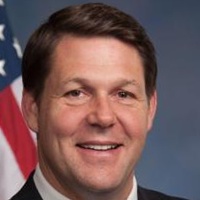
Jodey Arrington
Representative
TX
Jodey Arrington
Representative
TX
The Nancy Gardner Sewell Medicare Multi-Cancer Early Detection Screening Coverage Act amends the Social Security Act to provide Medicare Part B coverage for multi-cancer early detection screening tests starting January 1, 2028. This legislation establishes clear criteria for qualifying tests and outlines payment structures to ensure beneficiaries have access to these advanced diagnostic tools. Importantly, this coverage is designed to complement, rather than replace, existing Medicare-covered cancer screenings.
This bill mandates dedicated, funded resources for specialized 988 Suicide Prevention Lifeline services for LGBTQ+ youth.
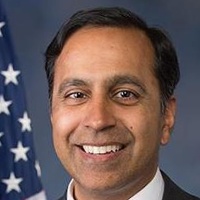
Raja Krishnamoorthi
Representative
IL
Raja Krishnamoorthi
Representative
IL
The **988 LGBTQ+ Youth Access Act of 2025** addresses the high rates of suicide risk among LGBTQ youth by strengthening specialized support through the national crisis hotline. This bill mandates that dedicated resources and services, such as a specific dialing option, must be maintained for LGBTQ individuals contacting 988. Furthermore, it requires that at least 9 percent of appropriated funds for the hotline be specifically reserved to ensure these specialized services for LGBTQ youth remain fully operational.
This resolution expresses support for designating the week of September 20 through September 27, 2025, as "National Estuaries Week" to recognize the vital economic and environmental importance of these coastal ecosystems.
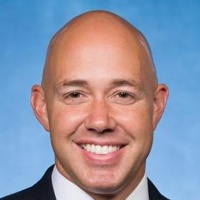
Brian Mast
Representative
FL
Brian Mast
Representative
FL
This resolution expresses strong support for designating the week of September 20 through September 27, 2025, as "National Estuaries Week." It highlights the critical economic and environmental value of estuaries, which support millions of jobs and provide vital natural protection for coastal communities. The bill aims to raise public awareness about the need to protect and restore these essential ecosystems.
The FAMILY Act establishes a national paid family and medical leave insurance program administered by the Social Security Administration, providing benefits for caregiving related to serious health conditions or victims of violence.

Rosa DeLauro
Representative
CT
Rosa DeLauro
Representative
CT
The FAMILY Act establishes a national Paid Family and Medical Leave Insurance program administered by a new office within the Social Security Administration. This program provides monthly benefits to eligible individuals who take time off for qualified caregiving reasons, including serious health conditions or victims of violence. The Act also sets forth detailed eligibility requirements, benefit calculation formulas, and job protection guarantees for employees utilizing the leave. Finally, it creates a funding mechanism to support existing state-level paid leave programs that meet federal standards.
This bill updates COPS Hiring Program grants to allow local law enforcement agencies to use funds for recruitment and retention bonuses when facing staffing shortages.
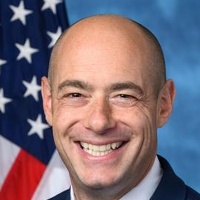
Greg Landsman
Representative
OH
Greg Landsman
Representative
OH
This Act, the Enhancing COPS Hiring Program Grants for Local Law Enforcement Act, updates federal grant guidelines to allow local law enforcement agencies to use public safety funds for hiring and retention bonuses. These bonuses are specifically permitted when departments face significant recruitment challenges or high attrition rates. The bill also clarifies the definition of a "law enforcement officer" for grant eligibility purposes.
The Food Farmacy Act of 2025 establishes a grant program to fund non-profit organizations and local governments in creating "healthy food pharmacies" that provide free nutritious food and nutritional counseling to low-income and food-insecure communities.
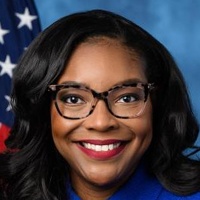
Emilia Sykes
Representative
OH
Emilia Sykes
Representative
OH
The Food Farmacy Act of 2025 establishes a federal grant program to fund the creation and operation of "healthy food pharmacies." These pharmacies will provide free, nutritious food and professional nutritional counseling, primarily targeting low-income and food-insecure communities. The goal is to improve public health outcomes by integrating access to healthy food with medical care. The program authorizes $10 million annually from 2026 through 2030 to support these efforts.
This bill allows authorized VA healthcare professionals to prescribe and dispense controlled medications to veterans via telemedicine under specific conditions.
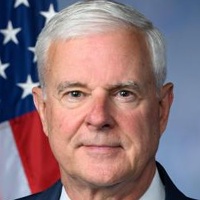
Steve Womack
Representative
AR
Steve Womack
Representative
AR
The Protecting Veteran Access to Telemedicine Services Act of 2025 allows authorized Department of Veterans Affairs (VA) healthcare professionals to prescribe and dispense controlled medications to eligible veterans via telemedicine. This provision removes the prior requirement for an initial in-person visit before prescribing these medications remotely. The VA is required to establish specific regulations detailing the process for this telemedicine delivery while ensuring compliance with existing federal drug control laws.
This bill establishes interstate telehealth licensing reciprocity for college mental health providers to offer services to their enrolled students across state lines.
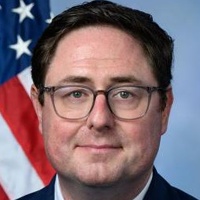
Mike Flood
Representative
NE
Mike Flood
Representative
NE
The College Students Continuation of Mental Health Care Act of 2025 establishes a system for licensing reciprocity, allowing college mental health providers to offer telehealth services to their enrolled students across state lines. This streamlines care by generally adhering to the provider's home state licensing rules, while ensuring patient safety through required disclosures and identity verification. The Act also encourages interstate agreements to further facilitate this cross-state mental health support for students.
This bill posthumously awards a Congressional Gold Medal to honor the groundbreaking civil rights achievements of Constance Baker Motley and authorizes the production and sale of bronze duplicates.
Rosa DeLauro
Representative
CT
Rosa DeLauro
Representative
CT
This bill, the Congressional Tribute to Constance Baker Motley Act of 2025, posthumously awards the Congressional Gold Medal to the pioneering civil rights attorney and federal judge, Constance Baker Motley. The legislation recognizes her historic achievements, including her role in *Brown v. Board of Education* and her service as the first African-American woman appointed as a federal judge. The Secretary of the Treasury is authorized to strike the medal, and provisions are made for selling bronze duplicates to cover production costs.
The Healthcare Workforce Resilience Act recaptures unused employment-based immigrant visas to provide 40,000 reserved visas for professional nurses and physicians, while also expediting their processing without charging premium processing fees.
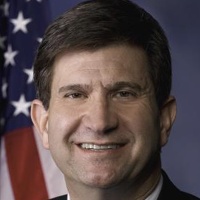
Bradley Schneider
Representative
IL
Bradley Schneider
Representative
IL
The Healthcare Workforce Resilience Act aims to strengthen the U.S. healthcare system by recapturing unused employment-based immigrant visas from 1992 through 2024. This legislation specifically reserves up to 40,000 of these visas for professional nurses and physicians, ensuring they are not subject to annual country caps. The bill also mandates expedited processing for these healthcare professionals without imposing premium processing fees, while requiring employers to attest that hiring these workers will not displace U.S. employees.
This bill excludes certain qualified payments received for wildfire-related losses and damages from gross income for federal tax purposes.
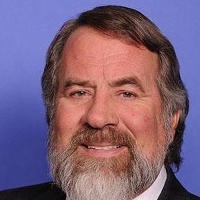
Doug LaMalfa
Representative
CA
Doug LaMalfa
Representative
CA
The Protect Innocent Victims of Taxation After Fire Extension Act ensures that certain qualified relief payments received by individuals for wildfire-related losses are excluded from their federal gross income. This provision applies to payments covering uninsured or underinsured expenses, damages, or lost wages resulting from federally declared forest or range fires. The tax exclusion is designed to prevent double benefits and is set to expire for payments received after December 31, 2032.
This act updates the population threshold defining an "urban area" to maintain eligibility for Rural Health Clinics under the Medicare program, effective January 1, 2027.
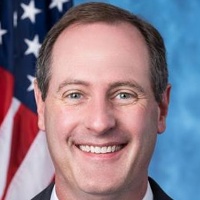
Tracey Mann
Representative
KS
Tracey Mann
Representative
KS
The Rural Health Clinic Location Modernization Act of 2025 updates the criteria for clinics to qualify as Rural Health Clinics (RHCs) under Medicare. This legislation revises the definition of an "urban area," setting a new population threshold of 50,000 people to determine eligibility. These changes to the location standards will take effect starting January 1, 2027.