Legislative Activity
Track Janelle's sponsored bills, co-sponsored legislation, and voting record
The Credit for Caring Act of 2025 establishes a new, partially refundable federal income tax credit for working family caregivers covering qualified expenses exceeding \$2,000, up to a \$5,000 annual limit.
Mike Carey
Representative
OH
Mike Carey
Representative
OH
The Credit for Caring Act of 2025 establishes a new, non-refundable federal income tax credit for working family caregivers who incur significant expenses caring for a relative with long-term care needs. Eligible caregivers can claim a credit equal to 30% of qualified expenses exceeding \$2,000, up to a maximum annual credit of \$5,000. The bill specifies detailed requirements for the care recipient's needs, the types of allowable expenses, and includes income phase-out limits for claiming the benefit.
The Stop Comstock Act streamlines federal statutes by removing outdated and redundant language concerning "indecent" or "immoral" materials, focusing legal definitions on "obscene materials."
Becca Balint
Representative
VT
Becca Balint
Representative
VT
The Stop Comstock Act aims to modernize and streamline federal statutes concerning obscene materials. It revises several sections of federal law, including those related to crimes, transportation, and importation, by removing outdated or redundant language like "indecent" or "immoral." This legislative cleanup focuses the legal definitions to center specifically on "obscene materials."
This Act eliminates the waiting periods for Social Security disability benefits and Medicare coverage for individuals diagnosed with metastatic breast cancer.
Andrew Garbarino
Representative
NY
Andrew Garbarino
Representative
NY
The Metastatic Breast Cancer Access to Care Act aims to improve support for individuals diagnosed with metastatic breast cancer. This bill eliminates the standard waiting period for receiving Social Security disability insurance benefits and waives the 24-month waiting period for Medicare coverage. These changes ensure immediate access to crucial financial and healthcare support upon diagnosis.
This act allows State homes caring for veterans to choose between direct reimbursement or direct furnishing of high-cost medications.
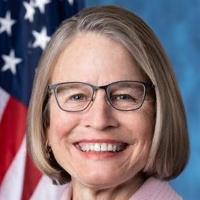
Mariannette Miller-Meeks
Representative
IA
Mariannette Miller-Meeks
Representative
IA
The Providing Veterans Essential Medications Act allows State homes caring for veterans to choose how they receive reimbursement for very high-cost medications. State homes can opt to be reimbursed directly for the medication's cost or have the Secretary of the VA furnish the drug directly. This provision applies only when the cost of a specific medication exceeds a defined threshold relative to the standard monthly payment for that veteran's care.
This act automatically appropriates necessary funds to ensure the Supplemental Nutrition Assistance Program (SNAP) continues operating for the first 90 days of any fiscal year lapse in appropriations.
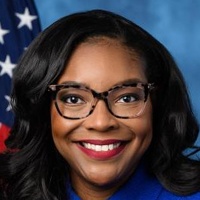
Emilia Sykes
Representative
OH
Emilia Sykes
Representative
OH
The Feed Our Families Act of 2025 ensures the continuity of the Supplemental Nutrition Assistance Program (SNAP) during the initial phase of a government shutdown. This bill automatically reserves necessary funding to operate SNAP for the first 90 days following a lapse in appropriations at the start of a fiscal year. These funds are held in reserve and released only as needed to maintain essential program services.
This Act resets the probationary period for certain federal employees unfairly separated between January 20, 2025, and January 20, 2029, by crediting them for time already served.
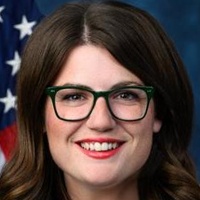
Sarah Elfreth
Representative
MD
Sarah Elfreth
Representative
MD
The Protect Our Probationary Employees Act resets the probationary period for certain federal employees who were involuntarily separated between January 20, 2025, and January 20, 2029. If these employees are rehired into a similar role at the same agency, their new probationary period will be reduced by the time they already served previously. This provision is temporary and will expire on January 20, 2029.
The Farewell to Foam Act of 2025 bans the sale and distribution of expanded polystyrene food service ware, loose fill packaging, and coolers starting January 1, 2028, with escalating fines for non-compliance.

Lloyd Doggett
Representative
TX
Lloyd Doggett
Representative
TX
The Farewell to Foam Act of 2025 bans the sale and distribution of expanded polystyrene (Styrofoam) food service ware, loose fill packaging, and coolers starting January 1, 2028. The bill clearly defines these targeted foam products and the roles of manufacturers, distributors, and retailers involved in their supply chain. Enforcement begins with a written warning for first-time violations, followed by escalating fines for repeat offenses. The Administrator of the EPA is granted the authority to issue necessary regulations to implement the Act.
This bill increases the annual stipend for educational costs for veterans under the Post-9/11 Educational Assistance Program and adjusts it annually for inflation.
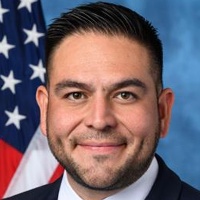
Gabriel (Gabe) Vasquez
Representative
NM
Gabriel (Gabe) Vasquez
Representative
NM
The Veteran Education Assistance Adjustment Act increases the annual stipend for books, supplies, and equipment for veterans under the Post-9/11 Educational Assistance Program from $1,000 to $1,400. Beginning in 2026, this stipend will be subject to annual increases based on the Consumer Price Index.
The John R. Lewis Voting Rights Advancement Act of 2025 aims to strengthen and update the Voting Rights Act of 1965 by addressing vote dilution and denial, establishing updated criteria for federal oversight of states and political subdivisions with a history of voting rights violations, and promoting transparency in election-related changes.
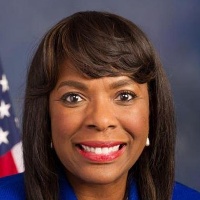
Terri Sewell
Representative
AL
Terri Sewell
Representative
AL
The John R. Lewis Voting Rights Advancement Act of 2025 amends the Voting Rights Act of 1965 to address vote dilution, denial, and abridgment claims, and to update which states and political subdivisions are subject to federal oversight based on a history of voting rights violations. It broadens the types of violations that allow a court to retain jurisdiction over a case, clarifies the Attorney General's authority to assign observers, and ensures transparency in voting-related changes. The Act also authorizes the Attorney General to demand documents and information to enforce voting rights and provides grants to small jurisdictions to assist with notification requirements.
The Richard L. Trumka Protecting the Right to Organize Act of 2025 strengthens protections for workers' rights to organize and collectively bargain by modernizing labor laws, addressing unfair labor practices, and enhancing enforcement mechanisms.
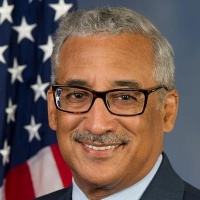
Robert Scott
Representative
VA
Robert Scott
Representative
VA
This bill, the Richard L. Trumka Protecting the Right to Organize Act of 2025, seeks to amend the National Labor Relations Act and other labor laws to strengthen protections for workers' rights to organize and collectively bargain. It aims to modernize labor regulations by clarifying definitions, addressing unfair labor practices, enhancing enforcement, and increasing transparency in labor-management relations. The bill introduces measures such as electronic voting in union elections, strengthens whistleblower protections, and mandates studies on collective bargaining practices. Ultimately, the goal is to ensure fair treatment of workers and promote equitable labor practices.
The TAP Promotion Act mandates a standardized, one-hour presentation on available VA benefits during mandatory preseparation counseling for service members.
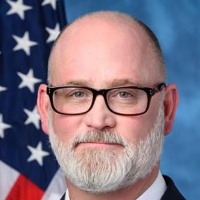
Derrick Van Orden
Representative
WI
Derrick Van Orden
Representative
WI
The TAP Promotion Act mandates a standardized, one-hour presentation on available VA benefits during mandatory preseparation counseling for service members. This presentation must be developed and approved by the Secretary of Veterans Affairs in consultation with recognized Veterans Service Organizations (VSOs). The goal is to ensure separating service members are fully informed of their entitlements and how VSOs can assist with filing claims.
The "Keeping Our Field Offices Open Act" prevents the Social Security Administration from closing or limiting access to field offices, hearing offices, and resident stations, ensuring continued service availability for the public.
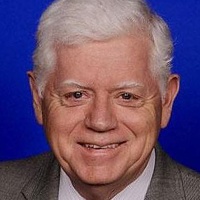
John Larson
Representative
CT
John Larson
Representative
CT
The "Keeping Our Field Offices Open Act" prevents the Social Security Administration (SSA) from closing or consolidating field offices, hearing offices, and resident stations, ensuring continued access to services. It requires the SSA Commissioner to justify any planned closures to Congress with detailed analysis and cost-benefit assessments, considering the impact on vulnerable populations. The bill mandates public notice, hearings, and a final report to Congress before any changes, allowing appeals and maintaining the number of offices at or above the January 20, 2025 level, excluding temporary emergency closures.
This bill restricts political appointees and special government employees from accessing Social Security data, establishes civil damages for unauthorized access, mandates Inspector General investigations, and requires a GAO study on the changes.
John Larson
Representative
CT
John Larson
Representative
CT
The Protecting Americans’ Social Security Data Act restricts political appointees and special government employees from accessing sensitive Social Security beneficiary data systems. It establishes a right for individuals to sue the government or responsible parties for unauthorized access or disclosure of their private Social Security information, including specified minimum damages. Furthermore, the bill mandates the Inspector General to investigate such violations and report findings to Congress within 30 days. Finally, it requires the GAO to conduct a comprehensive study on the impact of these new privacy and enforcement measures.
The LIONs Act of 2025 increases the maximum loan amounts for 7(a) loans to $7,500,000 and for development company loans to $10,000,000.
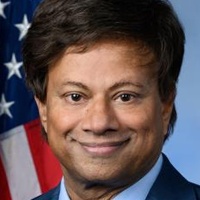
Shri Thanedar
Representative
MI
Shri Thanedar
Representative
MI
The LIONs Act of 2025 increases the maximum loan amounts for both 7(a) loans and development company loans, aiming to provide greater financial support to small businesses. Specifically, it raises the 7(a) loan limit to $7,500,000 and the development company loan limit to $10,000,000.
The "Child Care Availability and Affordability Act" aims to make child care more accessible and affordable by expanding employer-provided child care credits, increasing tax-free dependent care assistance, and enhancing the household and dependent care tax credit.
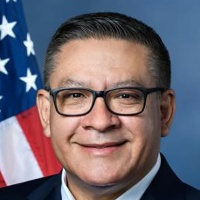
Salud Carbajal
Representative
CA
Salud Carbajal
Representative
CA
The Child Care Availability and Affordability Act aims to improve access to affordable child care by expanding employer-provided child care credits, increasing tax-free dependent care assistance, and creating a refundable household and dependent care tax credit. The employer provided child care credit is increased from 25% to 50% of qualified expenses, and the maximum credit amount is raised from $150,000 to $500,000. The amount of tax-free employer-provided dependent care assistance is increased from $5,000 to $7,500. A new tax credit is created for employment-related expenses paid for household and dependent care, with the applicable percentage starting at 50% and decreasing based on income, and the maximum creditable expenses are $5,000 for one qualifying individual and $8,000 for two or more.
The "Roberto Clemente Commemorative Coin Act" directs the Treasury to mint coins in 2027 honoring Roberto Clemente, with surcharges benefiting the Roberto Clemente Foundation.
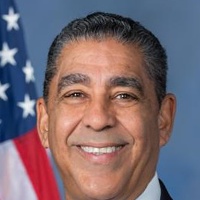
Adriano Espaillat
Representative
NY
Adriano Espaillat
Representative
NY
The Roberto Clemente Commemorative Coin Act directs the Department of Treasury to mint and issue gold, silver, and half-dollar coins in 2027 to commemorate the life and legacy of Roberto Clemente. The coins' designs will represent Clemente's life, including his baseball achievements and humanitarian work. Surcharges from the coin sales will benefit the Roberto Clemente Foundation, supporting their educational programs, youth sports initiatives, disaster relief efforts, and historic preservation projects. The Act ensures that the coin program will not incur any net cost to the United States government.
The Original Black History Month Resolution of 2025 recognizes February as Black History Month, honoring the theme "African Americans and Labor" and the essential contributions of Black workers throughout U.S. history.
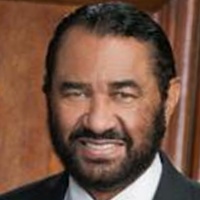
Al Green
Representative
TX
Al Green
Representative
TX
The "Original Black History Month Resolution of 2025" officially recognizes February 2025 as Black History Month with the theme "African Americans and Labor." The resolution honors the essential contributions of Black workers to the U.S. economy from enslavement to the present day while highlighting the ongoing struggle for labor equality. It encourages all Americans to celebrate these achievements and acknowledge the historical and systemic challenges still faced by Black workers today.
This resolution designates August as Slavery Remembrance Month to honor the lives of enslaved people, condemn the history and legacy of slavery, and recognize the freedom fighters who fought for its abolition.
Al Green
Representative
TX
Al Green
Representative
TX
The "Original Slavery Remembrance Month Resolution" designates August as a time to commemorate the lives of enslaved people and honor the freedom fighters who resisted the institution of slavery. This resolution condemns the history of chattel slavery and its ongoing systemic effects in the United States. It encourages national observance and reflection to ensure the history and legacy of slavery are never forgotten.
The Veterans Readiness and Employment Transparency Act of 2025 improves outreach and transparency for VA training and rehabilitation programs for veterans with service-connected disabilities.
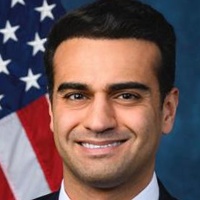
Abraham Hamadeh
Representative
AZ
Abraham Hamadeh
Representative
AZ
The Veterans Readiness and Employment Transparency Act of 2025 aims to improve outreach by the Department of Veterans Affairs (VA) for training and rehabilitation programs for veterans with service-connected disabilities by establishing a dedicated phone number and contact information on regional office websites. It also mandates monthly Q&A sessions between VA employees and school certifying officials, as well as in-person briefings at educational institutions. The Act requires the Secretary to submit an annual report on vocational rehabilitation program extensions and approve or reject extension requests within 30 days.
The "Safe Schools Improvement Act" amends the Elementary and Secondary Education Act of 1965, requiring states to establish policies that prevent and prohibit bullying and harassment in schools based on protected characteristics, ensuring a safe and inclusive learning environment for all students.
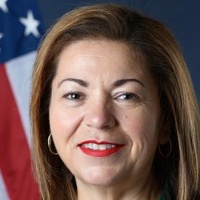
Linda Sánchez
Representative
CA
Linda Sánchez
Representative
CA
The Safe Schools Improvement Act aims to reduce bullying and harassment in schools by requiring states to establish policies prohibiting such conduct based on various characteristics, including race, sex, religion, and disability. It mandates annual notifications, data collection on incidents, biennial evaluations of programs, and regular reports to Congress to ensure accountability and effectiveness. This act does not infringe on existing nondiscrimination laws or freedom of speech but seeks to create a safer, more inclusive learning environment for all students.