Legislative Activity
Track Janelle's sponsored bills, co-sponsored legislation, and voting record
This bill clarifies the hunting, fishing, trapping, and animal gathering rights of the Confederated Tribes of the Grand Ronde Community, affirming the validity of their 1986 agreement with Oregon while ensuring future agreements do not infringe on the rights of other tribes.
Andrea Salinas
Representative
OR
Andrea Salinas
Representative
OR
This bill amends the Grand Ronde Reservation Act, affirming the validity of the 1986 Grand Ronde Hunting and Fishing Agreement unless superseded by future agreements between the Grand Ronde Community and Oregon. It clarifies that any new agreements cannot infringe upon the rights of the Grand Ronde Community or other tribes and that the hunting, fishing, trapping, and animal gathering rights of the Grand Ronde Community in future agreements derive solely from the authority of Oregon. The bill also allows for the review of applications to modify the Consent Decree by the U.S. District Court for the District of Oregon. This amendment does not determine or affect the treaty or sovereign rights of any Indian Tribe.
The "MODERN WIC Act of 2025" expands remote access to WIC benefits by allowing virtual certification appointments, remote benefit issuance, and requires a report to Congress on the use of remote technologies within the WIC program.
Brian Fitzpatrick
Representative
PA
Brian Fitzpatrick
Representative
PA
The MODERN WIC Act of 2025 aims to modernize the WIC program by expanding options for remote certification appointments, including telephone and video calls, and allowing for remote delivery of food benefits. It requires state agencies to offer various formats for certification appointments, ensuring accessibility for individuals with disabilities. The Act also mandates a report to Congress on the use of remote technologies in WIC, focusing on their impact and best practices.
The "Accelerating Kids’ Access to Care Act of 2025" streamlines Medicaid and CHIP enrollment for out-of-state providers, increasing healthcare access for children.
Lori Trahan
Representative
MA
Lori Trahan
Representative
MA
The "Accelerating Kids Access to Care Act of 2025" streamlines the enrollment process for out-of-state healthcare providers in Medicaid and CHIP, ensuring children under 21 have access to care from eligible providers across state lines. By reducing administrative burdens and unnecessary screening requirements, the Act aims to improve healthcare access for children while maintaining necessary safeguards against fraud and abuse. Participating providers will be enrolled for a 5-year period, and the changes will take effect three years after the Act's enactment.
This resolution supports the designation of February 16, 2025, as "International Black Aviation Professionals Day" to honor the historic achievements and ongoing contributions of Black pioneers in aviation and space exploration.
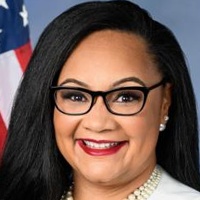
Nikema Williams
Representative
GA
Nikema Williams
Representative
GA
This resolution supports the designation of February 16, 2025, as "International Black Aviation Professionals Day" to honor the historic and ongoing contributions of Black Americans in aviation and space exploration. It celebrates the pioneers who broke racial and gender barriers in flight, military service, engineering, and leadership. Furthermore, the bill encourages public education and continued efforts to increase diversity and opportunity within the aviation workforce.
The Secure Rural Schools Reauthorization Act of 2025 extends federal funding and program authorities for states and counties containing national forest land through 2026.
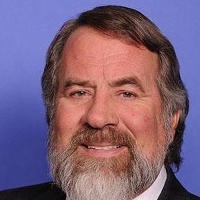
Doug LaMalfa
Representative
CA
Doug LaMalfa
Representative
CA
The Secure Rural Schools Reauthorization Act of 2025 extends critical federal funding for states and counties containing national forest land through 2026. This legislation ensures the continuation of essential community services and maintains the authority for resource advisory committees and local special projects.
The "Expanding Child Care Access Act of 2025" establishes a tax credit of up to $5,000 for qualified child care startup expenses for licensed family child care providers.
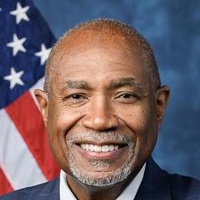
Herbert Conaway
Representative
NJ
Herbert Conaway
Representative
NJ
The "Expanding Child Care Access Act of 2025" introduces a tax credit, up to $5,000, for qualified child care startup expenses incurred by licensed family child care providers. This credit aims to support individuals starting or expanding licensed child care services within their primary residence, covering expenses such as licensing fees, supplies, insurance, and necessary equipment or renovations. The credit is available for a limited time and cannot be claimed for expenses already covered by other deductions or credits.
This bill authorizes a Congressional Gold Medal to be awarded to the First Rhode Island Regiment in recognition of their heroic service during the Revolutionary War, particularly highlighting their integrated composition and valor at the Battle of Rhode Island.
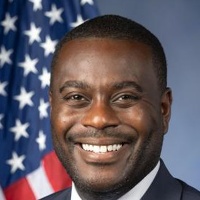
Gabe Amo
Representative
RI
Gabe Amo
Representative
RI
The "First Rhode Island Regiment Congressional Gold Medal Act" authorizes the creation of a Congressional Gold Medal to honor the First Rhode Island Regiment, a historically significant integrated unit that fought valiantly during the Revolutionary War. The medal will be presented to the Rhode Island State Library for public display and research. The Act also allows for the creation and sale of bronze duplicates of the medal to support the United States Mint Public Enterprise Fund.
The AIMM Act permanently extends the allowance for depreciation, amortization, or depletion when calculating the limitation on business interest, starting after December 31, 2021.

Adrian Smith
Representative
NE
Adrian Smith
Representative
NE
The AIMM Act permanently extends a tax provision related to how businesses calculate their interest expense deductions. This extension allows businesses to include depreciation, amortization, and depletion when determining the limitation on business interest expenses. This change applies to taxable years beginning after December 31, 2021. Formally, the bill is called the American Investment in Manufacturing and Main Street Act.
The DRIVE Act of 2025 mandates that the VA increase veteran travel reimbursement rates to match the federal employee mileage rate and ensures veterans receive these payments within 90 days of submitting a complete claim.
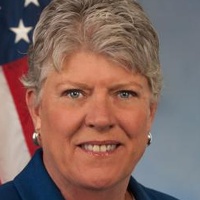
Julia Brownley
Representative
CA
Julia Brownley
Representative
CA
The DRIVE Act of 2025 ensures that the Department of Veterans Affairs (VA) travel reimbursement rate for veterans' medical appointments will never fall below the standard federal employee mileage rate. This legislation mandates that the VA must process and pay these mileage allowances within 90 days of a veteran submitting a complete request. Essentially, the bill aims to increase equity and speed in compensating veterans for necessary travel to VA healthcare.
The United States-Israel Defense Partnership Act of 2025 bolsters defense cooperation between the U.S. and Israel through joint programs, funding increases, and extended authorities related to countering unmanned systems, anti-tunnel technology, emerging technologies, and war reserve stockpiles, while also exploring Israel's inclusion in the national technology and industrial base and assessing integrated air and missile defense in the CENTCOM region.
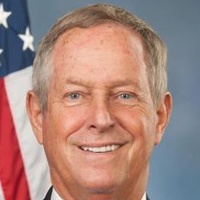
Joe Wilson
Representative
SC
Joe Wilson
Representative
SC
The United States-Israel Defense Partnership Act of 2025 seeks to bolster the defense relationship between the United States and Israel through joint initiatives and increased cooperation. It establishes programs to counter unmanned systems, extend anti-tunnel and counter-UAS cooperation, and promote collaboration in emerging technologies like AI and cybersecurity. The act also mandates the establishment of a Defense Innovation Unit office in Israel and assesses integrated air and missile defense in the U.S. Central Command region. Finally, it explores Israel's potential inclusion in the national technology and industrial base.
The Honoring Our Fallen Heroes Act of 2025 expands public safety officer benefits to include disability and death coverage for certain cancers presumed to be caused by on-duty exposure to carcinogens, and clarifies "line of duty" definitions for first responder benefits.
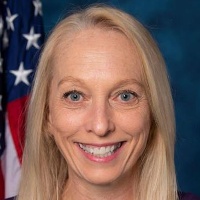
Mary Scanlon
Representative
PA
Mary Scanlon
Representative
PA
The Honoring Our Fallen Heroes Act of 2025 expands public safety officer benefits to include deaths and disabilities caused by exposure-related cancers, presuming that certain cancers diagnosed within 15 years of service are line-of-duty injuries if the officer served for at least 5 years. It defines "exposure-related cancer" and allows for updates to the list based on medical evidence, while also permitting individuals to petition for additions. The Act also clarifies "line of duty action" and applies retroactively to claims dating back to January 1, 2020, with a three-year window for filing claims based on these amendments.
The "National Plan for Epilepsy Act" aims to create a comprehensive national strategy to improve epilepsy prevention, diagnosis, treatment, and research through coordinated federal efforts and an advisory council.

Jim Costa
Representative
CA
Jim Costa
Representative
CA
The "National Plan for Epilepsy Act" aims to address the significant impact of epilepsy by establishing a comprehensive national plan for its prevention, diagnosis, treatment, and cure. This act mandates the creation of an Advisory Council on Epilepsy Research, Care, and Services, composed of federal and non-federal experts, to evaluate and improve federally funded epilepsy efforts. The council will provide recommendations to enhance coordination, diagnosis, treatment, research, and public awareness, and reduce the financial burden of epilepsy on families. Ultimately, the act seeks to improve the lives of individuals with epilepsy and their caregivers through coordinated research, improved access to care, and enhanced public awareness.
The Freight RAILCAR Act of 2025 incentivizes freight railcar modernization by establishing a tax credit for qualified newly built replacement railcars and qualified railcar modernization expenditures.
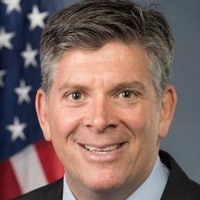
Darin LaHood
Representative
IL
Darin LaHood
Representative
IL
The "Freight RAILCAR Act of 2025" introduces a tax credit for modernizing freight railcars, encouraging investments in newer, more efficient railcars. Taxpayers can claim a credit equal to 10% of their freight railcar fleet modernization expenses, with a limit of 1,000 qualified freight railcars per year. The credit applies to railcars that increase capacity, improve fuel efficiency, or meet updated performance standards, and is available for three years after the Act's enactment. The Secretary of the Treasury is required to submit a report to Congress detailing the credit's usage and impact on railcar modernization and scrapping.
The SAFE Act amends the Social Security Act to include physical and occupational therapy benefits in Medicare annual wellness visits and initial preventive physical exams and requires the Secretary of Health and Human Services to submit an annual report to Congress regarding falls experienced by individuals aged 65 and older.
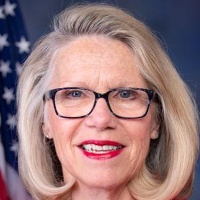
Carol Miller
Representative
WV
Carol Miller
Representative
WV
The SAFE Act amends the Social Security Act to include physical and occupational therapy benefits in Medicare annual wellness visits and initial preventive physical exams starting in 2026 for individuals determined to have fallen in the previous year. It mandates that these individuals receive falls risk assessments, fall prevention services, and outpatient therapy services. Additionally, the Act requires the Secretary of Health and Human Services to submit annual reports to Congress on falls experienced by individuals aged 65 and older.
This bill creates a 20-year demonstration project waiving certain Social Security disability benefit rules for blind Americans to encourage their return to work.

Pete Sessions
Representative
TX
Pete Sessions
Representative
TX
The Blind Americans Return to Work Act of 2025 initiates a 20-year demonstration project aimed at helping blind Americans receiving Social Security disability benefits return to work. For the first 10 years, eligibility for benefits will be determined without considering substantial gainful activity, and benefits will be reduced based on earnings above a set amount, incentivizing employment without immediate loss of support. The project waives certain benefit requirements to facilitate successful employment, with participants having the option to opt out after the initial 10-year period. This act aims to support blind individuals in their transition back to the workforce while maintaining a safety net.
The "Freedom to Invest in Tomorrow's Workforce Act" expands the use of 529 savings accounts to cover expenses related to postsecondary credentialing programs, including tuition, fees, books, supplies, equipment, and testing fees.

Robert Wittman
Representative
VA
Robert Wittman
Representative
VA
The "Freedom to Invest in Tomorrow's Workforce Act" amends Section 529 savings accounts to include expenses related to postsecondary credentialing programs. This allows 529 funds to cover costs like tuition, fees, books, supplies, and testing fees for recognized programs and credentials, as defined by the bill. These changes would apply to distributions made after the bill is enacted.
The "Protecting Sensitive Locations Act" restricts immigration enforcement actions at sensitive locations like schools and places of worship, requiring discretion and oversight.
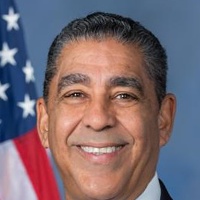
Adriano Espaillat
Representative
NY
Adriano Espaillat
Representative
NY
The "Protecting Sensitive Locations Act" amends the Immigration and Nationality Act to restrict immigration enforcement actions within 1,000 feet of sensitive locations like schools, hospitals, and places of worship, except in exigent circumstances. It mandates training, reporting, and oversight for enforcement activities near these locations, and invalidates evidence obtained in violation of the Act. The Act aims to ensure discretion and limit enforcement impact on sensitive community spaces, while also requiring annual reports to Congress on enforcement actions taken in sensitive locations.
The Protect Our Letter Carriers Act of 2025 authorizes $7 billion to upgrade postal security infrastructure while mandating dedicated federal prosecutors for postal crimes and increasing sentencing guidelines for assaults against postal employees.
Brian Fitzpatrick
Representative
PA
Brian Fitzpatrick
Representative
PA
The Protect Our Letter Carriers Act of 2025 aims to enhance the safety of postal workers by funding high-security infrastructure upgrades, including electronic mailbox keys. The bill also mandates the appointment of dedicated federal prosecutors for postal crimes in every judicial district and requires stricter sentencing guidelines for those who assault or rob postal employees.
The "Taxpayer Data Protection Act" limits access to the Treasury Department's payment systems to authorized personnel and requires investigation and reporting of unauthorized access.

Haley Stevens
Representative
MI
Haley Stevens
Representative
MI
The Taxpayer Data Protection Act limits access to the Treasury Department's payment systems to Treasury employees or contractors with satisfactory performance reviews and security clearances. It sets specific criteria for individuals accessing the system, including conflict of interest restrictions, training, and ethics agreements. The Act also mandates the Treasury Department's Inspector General to investigate and report to Congress on any unauthorized system use.
The WARN Act directs the Comptroller General to study and report on the effectiveness of weather alert systems to improve community emergency response plans and public safety.

Nicholas Langworthy
Representative
NY
Nicholas Langworthy
Representative
NY
The WARN Act aims to improve community safety during weather emergencies by directing the Comptroller General to study the effectiveness of local, state, territory, and federal emergency alert systems. The study will assess alert dissemination methods, evaluate the clarity and actionability of alert content, and explore improvements to public alerting systems. A report on the study's findings will be submitted to Congress within 18 months, with the goal of enhancing emergency response plans and public safety.