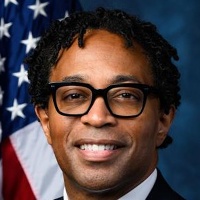
Legislative Activity
Track Wesley's sponsored bills, co-sponsored legislation, and voting record
This act establishes a competitive grant program to help states accelerate students through college by aligning high school and higher education systems to facilitate earning college credit early and reducing time to degree.
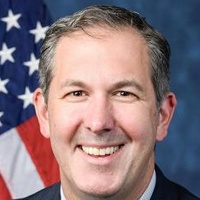
Johnny Olszewski
Representative
MD
Johnny Olszewski
Representative
MD
The Fast Track To and Through College Act establishes a competitive grant program to help states accelerate student progress toward postsecondary degrees. This funding supports partnerships that align high school and college systems to expand access to dual enrollment and early graduation scholarships. The bill also allows high school students in these pathways to access Federal Pell Grants to cover associated costs.
This bill impeaches Secretary of Homeland Security Kristi Lynn Arnold Noem for high crimes and misdemeanors, citing willful refusal to comply with oversight law, violating the Impoundment Control Act, directing unlawful ICE misconduct, and misusing federal funds for personal gain.
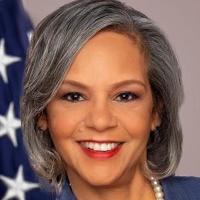
Robin Kelly
Representative
IL
Robin Kelly
Representative
IL
This resolution initiates impeachment proceedings against Secretary of Homeland Security Kristi Lynn Arnold Noem for high crimes and misdemeanors. The articles of impeachment charge her with willfully refusing to comply with Congressional oversight laws and violating the Impoundment Control Act by improperly withholding funds. Further articles allege she directed widespread misconduct by ICE agents that violated federal law and constitutional rights, and misused taxpayer funds for personal gain through improper contracting.
This resolution designates January 13th as Korean American Day to honor the contributions of Korean Americans and recognize the anniversary of the first Korean immigrants' arrival.
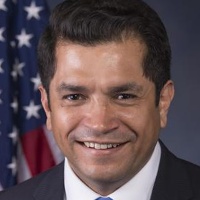
Jimmy Gomez
Representative
CA
Jimmy Gomez
Representative
CA
This resolution officially designates January 13th as Korean American Day. It expresses support for the day's ideals and encourages Americans to observe it. The resolution also honors the 123rd anniversary of the first Korean immigrants arriving in the United States.
The REAADI for Disasters Act aims to improve disaster preparedness, response, recovery, and mitigation by ensuring the inclusion, protection, and civil rights of older adults and individuals with disabilities through funding, training, and new federal standards.

Debbie Dingell
Representative
MI
Debbie Dingell
Representative
MI
The **REAADI for Disasters Act** aims to significantly improve disaster preparedness, response, and recovery for older adults and individuals with disabilities. It establishes dedicated funding, creates new grant programs, and mandates accessible standards across all phases of emergency management. The bill seeks to ensure these vulnerable populations are included in planning, protected from discrimination, and receive necessary human services during and after a disaster.
This bill modifies deposits into the Crime Victims Fund by excluding certain False Claims Act recoveries and mandates an Inspector General audit of the Fund's sustainability.
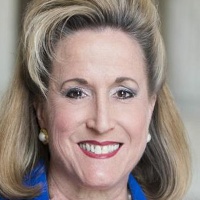
Ann Wagner
Representative
MO
Ann Wagner
Representative
MO
This bill amends the Victims of Crime Act of 1984 to temporarily exclude certain False Claims Act recoveries from being deposited into the Crime Victims Fund through fiscal year 2029. It also mandates a comprehensive audit by the Department of Justice Inspector General on the Fund's sustainability and the impact of recent legislative changes. The resulting report will provide recommendations for improving the Fund's effectiveness and oversight.
This act prohibits the use of federal funds and official action for any invasion of NATO member territory.
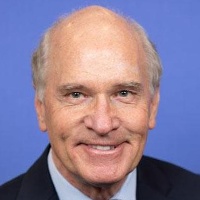
William Keating
Representative
MA
William Keating
Representative
MA
The **No Funds for NATO Invasion Act** prohibits the use of any federal funds for an invasion of any territory belonging to a member nation of the North Atlantic Treaty Organization (NATO). Furthermore, the bill bars U.S. officials from taking any action to execute such an invasion.
This act prohibits federal officials and employees from trading prediction market contracts while possessing material nonpublic government information.
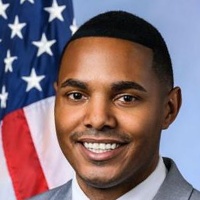
Ritchie Torres
Representative
NY
Ritchie Torres
Representative
NY
The Public Integrity in Financial Prediction Markets Act of 2026 prohibits federal officials and employees from trading in prediction market contracts while possessing material, nonpublic government information. This ban specifically targets transactions related to government policy, actions, or political outcomes. The goal is to prevent insider trading within these emerging financial markets by those with privileged access to government knowledge.
This resolution recognizes the 15th anniversary of the 2011 Tucson shooting, honoring the victims, survivors, and the ongoing advocacy of Gabby Giffords.
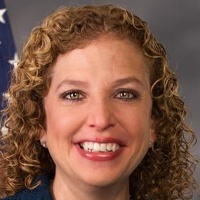
Debbie Wasserman Schultz
Representative
FL
Debbie Wasserman Schultz
Representative
FL
This resolution commemorates the 15th anniversary of the tragic January 8, 2011, Tucson shooting, honoring the six lives lost and the thirteen injured. It specifically commends the courage and ongoing advocacy of gun violence survivor and former Congresswoman Gabby Giffords. The resolution also recognizes the resilience of the community and reaffirms a commitment to ending political violence.
This act reforms the requirements and procedures for determining and maintaining duty status.
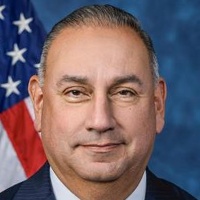
Gilbert Cisneros
Representative
CA
Gilbert Cisneros
Representative
CA
The Duty Status Reform Act aims to modernize and streamline the process for determining and managing duty status for federal employees. This legislation seeks to clarify existing regulations and ensure fair and consistent application of duty status rules across government agencies.
This bill directs the President to issue an annual proclamation establishing Democracy Day on January 6th to commemorate the 2021 attack on the U.S. Capitol and affirm the importance of the peaceful transition of power.
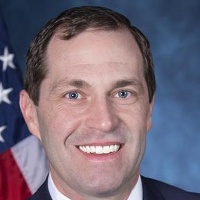
Jason Crow
Representative
CO
Jason Crow
Representative
CO
This bill proposes establishing an annual observance called "Democracy Day" by directing the President to issue a yearly proclamation. The observance is set for January 6th to commemorate the 2021 attack on the U.S. Capitol and affirm the importance of the peaceful transition of presidential power. It calls upon all levels of government and the public to observe the day with appropriate activities.
The American Affordability Act of 2025 is a comprehensive bill designed to lower costs for families through expanded housing assistance, clean energy tax credits, monthly child payments, education relief, and enhanced healthcare subsidies.
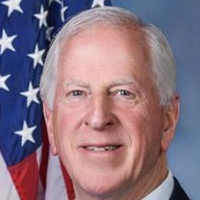
Mike Thompson
Representative
CA
Mike Thompson
Representative
CA
The American Affordability Act of 2025 is a comprehensive bill designed to lower costs across five key areas: housing, energy, family care, education, and healthcare. It achieves this by expanding tax credits for housing construction and homebuyers, extending incentives for clean energy manufacturing and consumer adoption, replacing the Child Tax Credit with larger monthly payments, making higher education expenses more affordable, and permanently expanding subsidies to lower health insurance premiums for millions. Overall, the legislation aims to provide direct financial relief and increase access to essential services for American families and workers.
This resolution condemns antisemitism amplified by AI, urges robust platform safeguards, and encourages stakeholder collaboration to counter this threat while upholding constitutional rights.
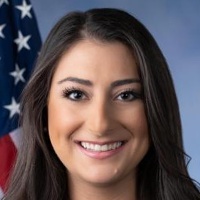
Sara Jacobs
Representative
CA
Sara Jacobs
Representative
CA
This resolution condemns antisemitism in all its forms, particularly its proliferation on artificial intelligence (AI) platforms. It urges technology companies to implement robust, transparent safeguards to prevent AI systems from generating or amplifying antisemitic content. The bill encourages the development of standards, research, and public awareness initiatives to combat this threat while ensuring all actions remain consistent with constitutional protections.
This resolution reaffirms the U.S. commitment to leading global efforts to eliminate new pediatric HIV infections and expand treatment for children and women affected by the epidemic.
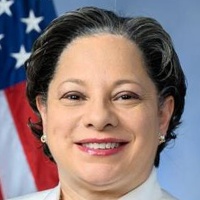
Jennifer McClellan
Representative
VA
Jennifer McClellan
Representative
VA
This resolution reaffirms the United States' commitment to ending pediatric HIV/AIDS globally by supporting critical prevention and treatment efforts. It emphasizes the need to close gaps in care, particularly for women and children in high-burden areas, and supports expanding access to testing, antiretroviral therapy, and new prevention methods. The bill specifically encourages continued U.S. leadership through initiatives like PEPFAR to achieve the goal of eliminating new pediatric HIV infections by 2030.
This bill requires reimbursement for Secret Service travel costs related to presidential business interests, amends the Federal Tort Claims Act for current and former presidents, restricts presidential library fundraising while in office, and limits the business activities of the President and their immediate family.
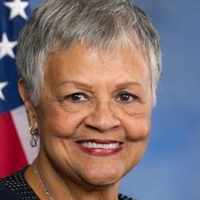
Bonnie Watson Coleman
Representative
NJ
Bonnie Watson Coleman
Representative
NJ
This bill requires reimbursement to the Treasury for Secret Service protection costs incurred during presidential travel for personal business interests. It also restricts the President's business activities while in office and mandates new reporting requirements related to presidential libraries. Finally, it creates an exception to the Federal Tort Claims Act allowing certain current or former high-ranking officials to sue the government for damages.
This resolution condemns the antisemitic shooting in Sydney, Australia, and reaffirms the commitment to combating all forms of religious hatred and violence.
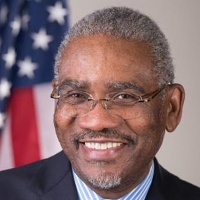
Gregory Meeks
Representative
NY
Gregory Meeks
Representative
NY
This resolution strongly condemns the antisemitic shooting attack during a Hanukkah celebration in Sydney, Australia. It expresses solidarity with the victims, their families, and the Jewish community worldwide. Furthermore, the bill reaffirms the U.S. commitment to combating all forms of religious hatred and violence.
This act restricts senior government officials and their families from owning or trading specific investments, requiring divestment of existing holdings to restore public trust.
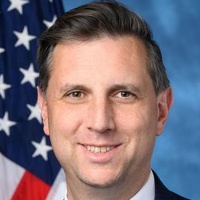
Seth Magaziner
Representative
RI
Seth Magaziner
Representative
RI
The Restore Trust in Government Act establishes strict new federal restrictions on senior government officials and their immediate families regarding the ownership and trading of specific financial investments. Covered individuals must divest existing investments that fall under the law's definition within a set timeframe, with limited exceptions. Violators face significant financial penalties, including a 10% fee on the investment value and disgorgement of any profits earned from prohibited transactions.
This bill establishes a Diversity and Inclusion Administrator, requires apprenticeship programs to submit plans to increase African American participation, and authorizes grants to expand diversity in registered apprenticeship programs.
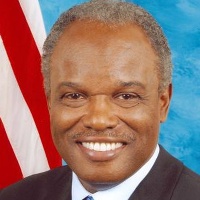
David Scott
Representative
GA
David Scott
Representative
GA
This Act addresses the significant unemployment disparities faced by young African Americans by strengthening pathways into registered apprenticeship programs. It establishes a Diversity and Inclusion Administrator within the Department of Labor to promote greater participation from underrepresented groups. Furthermore, the bill authorizes a competitive grant program to help entities create or expand apprenticeships, requiring applicants to submit plans specifically aimed at increasing African American enrollment.
This bill grants motor vehicle owners secure, real-time access and joint control over their vehicle data while restricting manufacturers and fleet owners from selling that data without explicit opt-out consent.

Diana Harshbarger
Representative
TN
Diana Harshbarger
Representative
TN
The Data Rights for Information and Vehicle Electronics in Real-time (DRIVER) Act mandates that vehicle manufacturers provide owners with secure, real-time access to their vehicle's data at no extra cost. This bill also prohibits manufacturers and fleet owners from selling covered vehicle data without giving the owner or driver a clear opportunity to opt out. The Federal Trade Commission is granted authority to enforce these provisions against unfair or deceptive practices.
This act nullifies a recent Executive Order regarding federal labor relations and ensures existing collective bargaining agreements remain in effect.
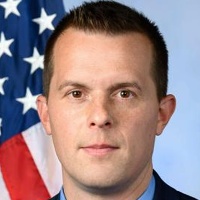
Jared Golden
Representative
ME
Jared Golden
Representative
ME
The Protect America's Workforce Act nullifies a specific Executive Order issued in March 2025 concerning exclusions from federal labor-management relations programs. This legislation ensures that any existing collective bargaining agreements between federal agencies and employee unions remain fully in effect until their stated expiration dates. The Act also prohibits the use of federal funds to implement the overturned Executive Order.
This Act establishes a \$10 billion EPA grant program to fund projects in environmental justice communities that reduce emissions, improve resilience, and support workforce development.
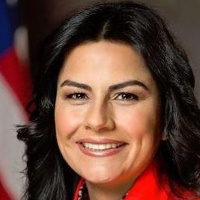
Nanette Barragán
Representative
CA
Nanette Barragán
Representative
CA
The Climate Justice Grants Act establishes a multi-billion dollar grant program within the EPA to fund projects that reduce pollution and build resilience in environmental justice communities. Eligible recipients, including governments and nonprofits, can use funds for initiatives like deploying zero-emission technology, improving energy efficiency, and developing community solar. The Act prioritizes funding for low-income communities, rural areas, and U.S. Territories, ensuring projects are community-driven.