Legislative Activity
Track Wesley's sponsored bills, co-sponsored legislation, and voting record
This Act establishes a new federal program to provide dedicated, long-term funding to states for improving election administration, security, and accessibility, managed by a new federal office.
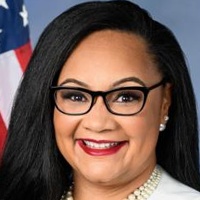
Nikema Williams
Representative
GA
Nikema Williams
Representative
GA
The Sustaining Our Democracy Act establishes a new federal program to provide annual grants to states for improving election administration, security, and accessibility, managed by a newly created Office of Democracy Advancement and Innovation. This funding is supported by a dedicated ten-year Trust Fund to ensure stable resources for election infrastructure upgrades. The bill imposes strict rules on how states can use the money, including prohibitions against purchasing insecure voting machines or restricting basic voter support. If states fail to comply, the federal Director can bypass state government to fund local election subdivisions directly.
This Act establishes the Gun Safety Board to fund research, educate the public, and issue science-based recommendations for reducing gun violence across various contexts.
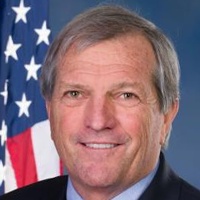
Mark DeSaulnier
Representative
CA
Mark DeSaulnier
Representative
CA
The Gun Safety Board and Research Act establishes a new federal Gun Safety Board within the Department of Health and Human Services. This Board is mandated to fund original research aimed at reducing gun violence and to educate the public on effective prevention methods. It will also publish annual policy recommendations based on scientific findings regarding various forms of gun violence.
The House of Representatives expresses its strong opposition to any presidential pardon or clemency for Ghislaine Maxwell, affirming her conviction for sex trafficking and abuse.
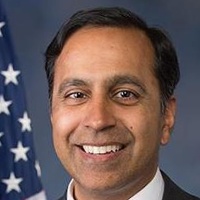
Raja Krishnamoorthi
Representative
IL
Raja Krishnamoorthi
Representative
IL
This House resolution expresses the strong sense of Congress opposing any pardon, commutation, or clemency for Ghislaine Maxwell. It affirms her conviction for sex trafficking and emphasizes that her continued imprisonment is necessary for justice for the survivors. The resolution serves as a formal condemnation of her heinous crimes and stands firmly with the victims.
This Act mandates the distribution of voter registration information to individuals receiving federal rental assistance or applying for residential mortgages.
Nikema Williams
Representative
GA
Nikema Williams
Representative
GA
The Voters on the Move Registration Act of 2025 mandates that standardized, multilingual voter registration information be provided to individuals applying for certain federally assisted rental housing or residential mortgages. This ensures that tenants and mortgage applicants receive clear instructions on how to register to vote. The Bureau of Consumer Financial Protection is tasked with creating this uniform voter information statement. This requirement focuses solely on providing information, not compelling voter registration.
This bill repeals specific prior health reconciliation provisions and expands eligibility for the Premium Tax Credit by removing the 400% income cap and adjusting the subsidy calculation formula.
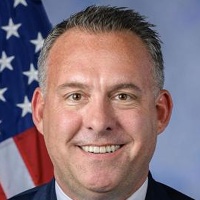
Adam Gray
Representative
CA
Adam Gray
Representative
CA
The Protecting Health Care and Lowering Costs Act of 2025 repeals specific prior reconciliation health provisions. This bill significantly expands eligibility for the Premium Tax Credit by eliminating the 400% Federal Poverty Level income cap. It also updates the subsidy calculation formula to ensure a smoother, linear adjustment of assistance across various income levels.
This act repeals the prohibition on Medicaid payments to certain healthcare entities and mandates retroactive payment for services already rendered under the repealed ban.
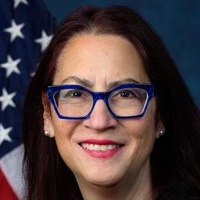
Laura Friedman
Representative
CA
Laura Friedman
Representative
CA
The Restoring Essential Healthcare Act repeals an outdated ban that prevented Medicaid from making payments to certain healthcare providers. This legislation ensures that these previously prohibited entities will now be reimbursed for medical services rendered between the enactment of the original ban and the passage of this Act. In short, it restores payment eligibility and retroactively covers past services.
The EATS Act of 2025 expands eligibility for SNAP benefits by removing previous restrictions for students enrolled at least half-time in recognized educational programs.
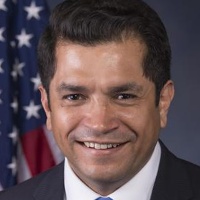
Jimmy Gomez
Representative
CA
Jimmy Gomez
Representative
CA
The EATS Act of 2025 significantly updates eligibility for the Supplemental Nutrition Assistance Program (SNAP) by removing previous restrictions that often disqualified students. This legislation explicitly includes bona fide students enrolled at least half-time in recognized educational programs as eligible participants for food assistance. These changes take effect on January 2, 2026.
This resolution supports Minority Mental Health Awareness Month by recognizing the disproportionate mental health struggles and access barriers faced by minority populations and urging increased focus on culturally competent care.

Jasmine Crockett
Representative
TX
Jasmine Crockett
Representative
TX
This resolution supports Minority Mental Health Awareness Month by recognizing the disproportionate impact of mental health conditions on minority populations. It highlights significant racial disparities in mental health experiences and barriers to culturally competent care. The bill calls on the President to increase efforts to improve access to mental health services that specifically address the unique cultural and social challenges faced by minority communities.
This act authorizes $50 million annually from 2026 through 2031 for the CDC to conduct research on firearms safety and gun violence prevention.
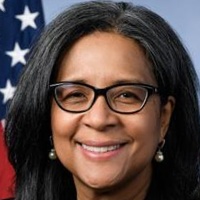
Marilyn Strickland
Representative
WA
Marilyn Strickland
Representative
WA
The Gun Violence Prevention Research Act of 2025 authorizes $50 million annually for the Centers for Disease Control and Prevention (CDC) to conduct or support research on firearms safety and gun violence prevention. This dedicated funding is authorized for each fiscal year from 2026 through 2031. This new allocation is separate from and in addition to any existing CDC research funding.
This Act eliminates age restrictions and simplifies premium requirements for adult children covered under the TRICARE Young Adult program.
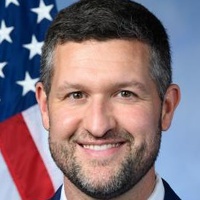
Patrick Ryan
Representative
NY
Patrick Ryan
Representative
NY
The Health Care Fairness for Military Families Act of 2025 significantly improves the TRICARE Young Adult (TYA) program for military dependents. This legislation eliminates the age restriction for TYA eligibility and removes the separate premium requirement for coverage. These changes aim to provide broader and simpler healthcare access for adult children of service members.
This bill establishes a federal grant program to help low-income households pay for their drinking water and sewer services.
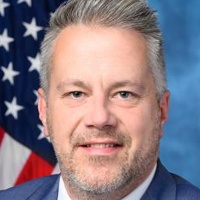
Eric Sorensen
Representative
IL
Eric Sorensen
Representative
IL
This bill establishes the Low-Income Household Water Assistance Program to provide grants to states and tribes. These funds will help public water systems cover the water and sewer bills for eligible low-income households. The program aims to supplement existing aid by assisting families whose income is at or below 150% of the poverty level or 60% of the state median income. Funding is authorized at $500 million annually from fiscal years 2026 through 2030.
This Act prohibits the shackling and detention of pregnant and postpartum noncitizens except in extraordinary, narrowly defined circumstances, while mandating comprehensive healthcare access and staff training.
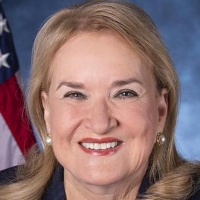
Sylvia Garcia
Representative
TX
Sylvia Garcia
Representative
TX
The Stop Shackling and Detaining Pregnant Women Act aims to significantly reform the detention of pregnant and postpartum noncitizens by establishing a presumption against their detention. This bill strictly limits the use of physical restraints on pregnant detainees and mandates comprehensive reproductive healthcare access. Furthermore, it requires detailed quarterly and annual reporting on the treatment and outcomes of pregnant individuals in custody.
This Act mandates the National Fire Academy Administrator to submit an annual report to Congress detailing course attendance, firefighter demographics, program statistics, and funding allocations.
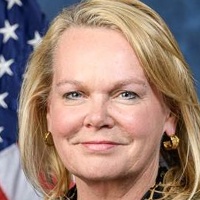
April McClain Delaney
Representative
MD
April McClain Delaney
Representative
MD
This bill, the National Fire Academy Reporting Act, mandates that the Administrator of the National Academy for Fire Prevention and Control submit an annual report to Congress. This report must detail the courses and programs offered, including attendance breakdowns by department type and firefighter status. It also requires specific reporting on course cancellations and the allocation of financial assistance and student aid.
The SAVES Act establishes a VA pilot program to award grants to nonprofits providing service dogs and veterinary insurance to eligible veterans managing specific service-connected conditions.
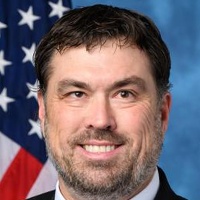
Morgan Luttrell
Representative
TX
Morgan Luttrell
Representative
TX
The SAVES Act establishes a Department of Veterans Affairs (VA) pilot program to award grants to nonprofit organizations that provide service dogs to eligible veterans. These grants, up to $\$2,000,000$ each, will fund the training and provision of service dogs for veterans with qualifying conditions like PTSD or TBI. The bill also extends the expiration date for certain limits on veterans' pension payments until February 2033.
The EACH Act of 2025 mandates that all federally funded health programs and facilities must cover and provide abortion services, while also prohibiting federal interference with private insurance coverage.
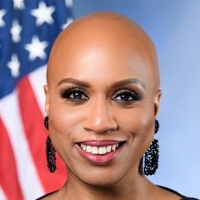
Ayanna Pressley
Representative
MA
Ayanna Pressley
Representative
MA
The EACH Act of 2025 aims to ensure equal access to abortion coverage by requiring all federally funded health programs and facilities to cover abortion services. This legislation prohibits federal interference with state or private insurance coverage of abortion and repeals Section 1303 of the Affordable Care Act. Ultimately, the bill seeks to eliminate financial and insurance barriers to abortion care, particularly for low-income individuals relying on programs like Medicaid.
This Act establishes policies and financial incentives to lower remittance costs, encourage formal investment, and support the economic development of African and Caribbean diaspora communities.

Sheila Cherfilus-McCormick
Representative
FL
Sheila Cherfilus-McCormick
Representative
FL
The African Diaspora Investment and Development Act (AIDA) aims to strengthen U.S. relationships with African and Caribbean nations by empowering diaspora communities. The bill focuses on lowering the high costs of sending remittances, encouraging formal diaspora investment through new financial tools, and providing tax incentives for sending money home for essential needs. Ultimately, AIDA seeks to treat the millions of diaspora members as strategic economic partners to foster development across Africa and the Caribbean.
This constitutional amendment prohibits immunity from criminal prosecution for federal officials based on their official duties and bars the President from self-pardoning.
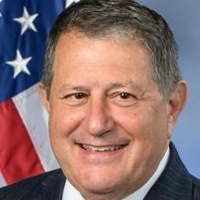
Joseph Morelle
Representative
NY
Joseph Morelle
Representative
NY
This proposed constitutional amendment would eliminate immunity from criminal prosecution for federal officials, including the President, based on their official duties. It also explicitly prohibits the President from issuing a self-pardon for any federal crimes. If ratified, these changes would take effect immediately.
This bill requires the EPA to obtain a rapid evidence review from the National Academies of Sciences, Engineering, and Medicine before setting or changing the national safety limits for fluoride in drinking water.
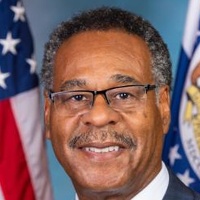
Emanuel Cleaver
Representative
MO
Emanuel Cleaver
Representative
MO
The Protect Our TEETH Act mandates that the Environmental Protection Agency (EPA) must seek a rapid evidence review from the National Academies of Sciences, Engineering, and Medicine before proposing new national safety limits for fluoride in drinking water. The EPA must consider the findings of this review when finalizing any rule changes. This ensures a transparent, expert-backed assessment informs decisions regarding public water fluoridation standards.
The Climate Health Emergency Act of 2025 mandates the Secretary of Health and Human Services to declare a public health emergency due to the escalating health risks posed by climate change.
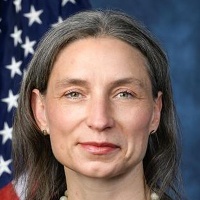
Maxine Dexter
Representative
OR
Maxine Dexter
Representative
OR
The Climate Health Emergency Act of 2025 declares that climate change poses the most significant public health threat of this century, directly driving a majority of recent public health emergencies. This Act mandates the Secretary of Health and Human Services to officially declare a public health emergency specifically due to the health risks associated with climate change. The goal is to mobilize federal resources and coordinate agencies to build a public health system capable of handling the growing strain of climate-related crises.
This Act prohibits the destruction of U.S. foreign aid supplies like food and medicine, mandating their delivery or donation to intended recipients before expiration to save lives and taxpayer dollars.
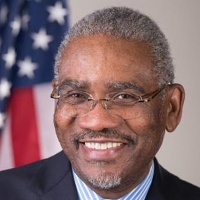
Gregory Meeks
Representative
NY
Gregory Meeks
Representative
NY
The Saving Lives and Taxpayer Dollars Act aims to ensure that U.S. foreign assistance commodities, such as food and medicine, are delivered to those in need rather than being destroyed. This legislation mandates that aid supplies must be distributed before they expire or spoil, thereby maximizing the humanitarian impact of U.S. aid. Furthermore, it establishes strict reporting requirements to track and prevent the waste of these vital resources. The bill highlights that effective foreign aid supports global health, strengthens the U.S. economy, and benefits American agriculture.