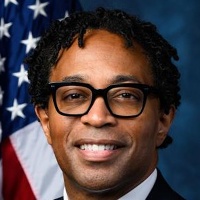
Legislative Activity
Track Wesley's sponsored bills, co-sponsored legislation, and voting record
This bill posthumously awards a Congressional Gold Medal to honor the groundbreaking civil rights achievements of Constance Baker Motley and authorizes the production and sale of bronze duplicates.
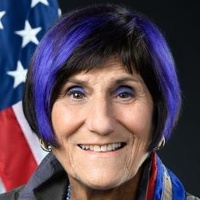
Rosa DeLauro
Representative
CT
Rosa DeLauro
Representative
CT
This bill, the Congressional Tribute to Constance Baker Motley Act of 2025, posthumously awards the Congressional Gold Medal to the pioneering civil rights attorney and federal judge, Constance Baker Motley. The legislation recognizes her historic achievements, including her role in *Brown v. Board of Education* and her service as the first African-American woman appointed as a federal judge. The Secretary of the Treasury is authorized to strike the medal, and provisions are made for selling bronze duplicates to cover production costs.
This resolution recognizes suicide as a serious public health crisis and expresses support for designating September as National Suicide Prevention Month and September 10, 2025, as World Suicide Prevention Day.
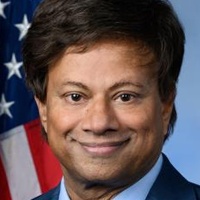
Shri Thanedar
Representative
MI
Shri Thanedar
Representative
MI
This resolution officially recognizes suicide as a serious public health crisis in the United States, highlighting the urgent need for prevention efforts across all demographics. It expresses strong support for designating September as "National Suicide Prevention Month" and September 10th as "World Suicide Prevention Day" to raise awareness. The measure calls for prioritizing comprehensive, tailored strategies to improve access to mental health and suicide prevention services nationwide.
This act modifies the Family and Medical Leave Act (FMLA) to establish specific eligibility criteria and leave calculation methods for paraprofessionals and other essential education support staff.
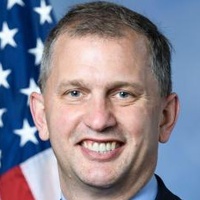
Sean Casten
Representative
IL
Sean Casten
Representative
IL
This bill, the ESP, Paraprofessional, and Education Support Staff Family Leave Act, updates eligibility requirements for certain school employees under the Family and Medical Leave Act (FMLA). It adjusts how paraprofessionals and education support staff meet the required hours of service by using a percentage of expected monthly hours worked during the school year. Furthermore, the bill mandates clear guidelines for calculating FMLA leave entitlement for these employees to account for non-standard school schedules.
This bill formally integrates Puerto Rico into the federal Supplemental Nutrition Assistance Program (SNAP) structure, outlining a transition plan away from its current block grant system.
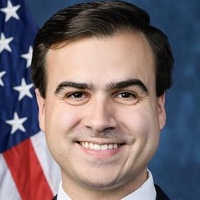
Pablo José Hernández Rivera
Representative
PR
Pablo José Hernández Rivera
Representative
PR
The Puerto Rico Nutrition Assistance Fairness Act aims to integrate Puerto Rico into the federal Supplemental Nutrition Assistance Program (SNAP) structure, aligning it with other territories like Guam. The bill mandates a transition period where Puerto Rico must submit a plan of operation to the Secretary of Agriculture for approval to join SNAP. During this transition, existing block grant funding may continue for up to five years while the territory moves toward full participation under federal SNAP rules.
The FEMA Act of 2025 establishes FEMA as an independent, cabinet-level agency and enacts sweeping reforms across public assistance, individual aid, and mitigation programs to speed up recovery and increase transparency.
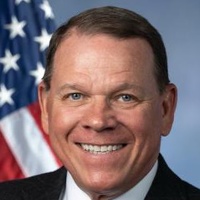
Sam Graves
Representative
MO
Sam Graves
Representative
MO
The FEMA Act of 2025 establishes the Federal Emergency Management Agency (FEMA) as an independent, cabinet-level agency to lead a unified, all-hazards approach to national emergency management. The bill enacts sweeping reforms across Public Assistance, Individual Assistance, and Mitigation programs to accelerate recovery, streamline funding, and reduce bureaucratic hurdles for disaster survivors and communities. Furthermore, it mandates significant new transparency measures, including public data reporting and GAO oversight, to ensure accountability for federal disaster spending.
This Act bans Members of Congress and their immediate families from trading or owning specific investments while in office, requiring divestment within 90 to 180 days or facing significant financial penalties.
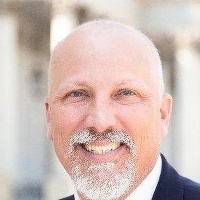
Chip Roy
Representative
TX
Chip Roy
Representative
TX
The Restore Trust in Congress Act establishes strict new rules prohibiting Members of Congress and their immediate families from owning or trading specific financial assets, referred to as "covered investments," while in office. Covered individuals must divest existing prohibited holdings within a set timeframe or face significant financial penalties, including fines and forfeiture of profits. The legislation aims to eliminate conflicts of interest arising from personal financial trading while serving in federal office.
This Act mandates annual public reporting on the links between Haitian criminal gangs and political/economic elites, authorizing the President to impose asset freezes and visa bans on those identified.
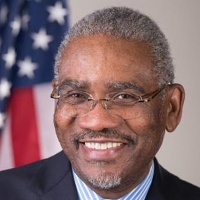
Gregory Meeks
Representative
NY
Gregory Meeks
Representative
NY
The Haiti Criminal Collusion Transparency Act of 2025 mandates the Secretary of State to annually report on the links between Haitian criminal gangs and the nation's political and economic elites. Based on these findings, the President must impose sanctions, including asset freezes and visa bans, on identified foreign individuals. The law is designed to expose and penalize collusion that threatens U.S. interests and the Haitian people, with provisions set to expire after five years.
This bill establishes a mandatory supply fee paid by Medicare drug plans to long-term care pharmacies for specific prescriptions in 2026 and 2027, while also mandating a GAO study on the financial sustainability of the current payment system.
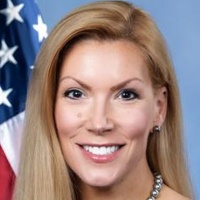
Beth Van Duyne
Representative
TX
Beth Van Duyne
Representative
TX
This Act establishes a mandatory supply fee for Medicare drug plans to pay long-term care pharmacies for specific prescriptions dispensed in 2026 and 2027. The bill mandates a $30 fee per prescription in 2026, increasing in 2027, with penalties for non-payment. Additionally, the GAO is required to study the financial sustainability of the current payment structure for these essential pharmacies. This legislation aims to ensure continued access to medications for patients in long-term care settings.
This bill mandates the reinstatement of involuntarily terminated FEMA employees and requires the continuation of existing critical weather preparedness and recovery programs.
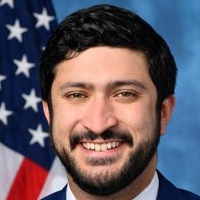
Gregorio Casar
Representative
TX
Gregorio Casar
Representative
TX
The FEMA Critical Staffing Act aims to address increased disaster frequency by immediately reinstating involuntarily separated FEMA employees who wish to return to their positions. This legislation also mandates that the FEMA Administrator must continue all existing, authorized disaster preparedness and recovery programs without making them harder to access. Specifically, the bill requires the immediate restart of the Building Resilient Infrastructure and Communities (BRIC) and flood mitigation assistance programs.
The FORWARD Act allows eligible retired or disabled military personnel to contribute to their Thrift Savings Plan (TSP) using their retirement or disability pay.
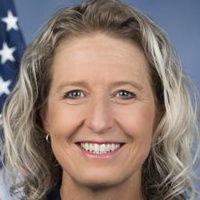
Jennifer Kiggans
Representative
VA
Jennifer Kiggans
Representative
VA
The FORWARD Act expands eligibility for retired or disabled military personnel to contribute to the Thrift Savings Plan (TSP) using their military retirement or disability pay. This provision allows eligible former service members to make contributions, though these deposits will not receive any government matching funds. The relevant agencies have 180 days to establish the necessary regulations for this new option.
This resolution terminates the President's declared crime emergency in the District of Columbia, asserting that the emergency is unwarranted and the legal basis for federal MPD control is flawed.
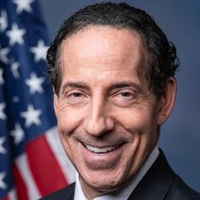
Jamie Raskin
Representative
MD
Jamie Raskin
Representative
MD
This resolution terminates the President's August 11, 2025, declaration of a crime emergency in the District of Columbia. Congress asserts that the President lacks the legal authority under the D.C. Home Rule Act to take operational control of the Metropolitan Police Department. Furthermore, the bill notes that local violent crime rates have been declining significantly.
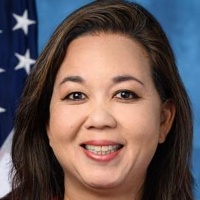
The Keep Seniors Fed Act amends the Food and Nutrition Act of 2008 to include Title II Social Security payments when calculating eligibility for food assistance benefits.
Jill Tokuda
Representative
HI
Jill Tokuda
Representative
HI
The Keep Seniors Fed Act makes technical amendments to the Food and Nutrition Act of 2008 regarding how income is calculated for food assistance eligibility. Specifically, it mandates that income received under Title II of the Social Security Act must now be counted when determining eligibility for benefits. These changes will take effect 90 days after the bill is signed into law.
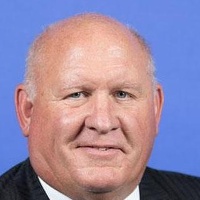
This Act updates federal funding requirements for school career guidance and counseling programs to better align student options with current workforce needs and expand personalized support services.
Glenn Thompson
Representative
PA
Glenn Thompson
Representative
PA
The Counseling for Career Choice Act updates federal education funding to strengthen career guidance and counseling programs in schools. This legislation mandates that these programs align student options with current local workforce needs and requires counselors to provide personalized planning, financial literacy awareness, and exposure to real-world experiences like apprenticeships. Furthermore, the Act encourages strong partnerships between schools and local workforce development boards to ensure students have access to up-to-date career information and support.
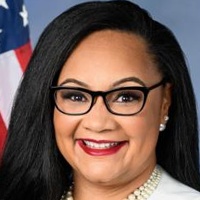
The Youth Voting Rights Act establishes new federal protections and requirements to expand and enforce voting access for young citizens, including pre-registration for 16- and 17-year-olds, mandatory on-campus polling places, and validation of student IDs.
Nikema Williams
Representative
GA
Nikema Williams
Representative
GA
The Youth Voting Rights Act aims to strengthen voting access for young Americans by enforcing the 26th Amendment. This bill mandates that public colleges facilitate voter registration, allows 16- and 17-year-olds to pre-register for federal elections, and requires on-campus polling locations. It also establishes grants to encourage youth civic engagement and strengthens protections against age-based barriers in voting, including ID rules and absentee voting.
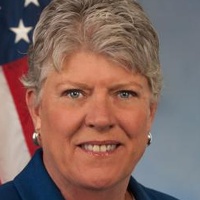
This act mandates that the Department of Veterans Affairs must provide abortion care, counseling, and related services and medication to eligible veterans and certain other individuals.
Julia Brownley
Representative
CA
Julia Brownley
Representative
CA
The Reproductive Freedom for Veterans Act mandates that the Department of Veterans Affairs (VA) must now provide abortion care, counseling, and related medication as part of the medical services offered to eligible veterans and certain other beneficiaries. This legislation formally amends existing VA health care provisions to include these reproductive health services.
The Ending Homelessness Act of 2025 expands housing vouchers into an entitlement program, prohibits source-of-income discrimination, and provides dedicated funding streams to address unmet needs and align health and housing services.
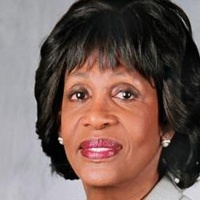
Maxine Waters
Representative
CA
Maxine Waters
Representative
CA
The Ending Homelessness Act of 2025 aims to significantly reduce homelessness by making housing choice vouchers an entitlement program starting in 2029 and immediately expanding the voucher supply for extremely low-income families. The bill also prohibits housing discrimination based on source of income and establishes new, dedicated funding streams for emergency relief and supportive services under the McKinney-Vento Act. Finally, it repeals certain ineligibility criteria for housing assistance and sets priorities for funding based on local policies that encourage affordable housing and decriminalize homelessness.
This Act mandates the distribution of voter registration information to individuals receiving federal rental assistance or applying for residential mortgages.
Nikema Williams
Representative
GA
Nikema Williams
Representative
GA
The Voters on the Move Registration Act of 2025 mandates that standardized, multilingual voter registration information be provided to individuals applying for certain federally assisted rental housing or residential mortgages. This ensures that tenants and mortgage applicants receive clear instructions on how to register to vote. The Bureau of Consumer Financial Protection is tasked with creating this uniform voter information statement. This requirement focuses solely on providing information, not compelling voter registration.
This Act establishes the Gun Safety Board to fund research, educate the public, and issue science-based recommendations for reducing gun violence across various contexts.
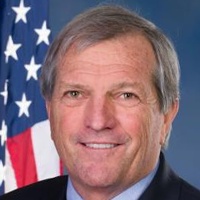
Mark DeSaulnier
Representative
CA
Mark DeSaulnier
Representative
CA
The Gun Safety Board and Research Act establishes a new federal Gun Safety Board within the Department of Health and Human Services. This Board is mandated to fund original research aimed at reducing gun violence and to educate the public on effective prevention methods. It will also publish annual policy recommendations based on scientific findings regarding various forms of gun violence.
This Act secures and expands voting rights for unhoused citizens by prohibiting residency-based disenfranchisement, establishing new accessibility requirements, and creating federal grants to support local outreach efforts.
Nikema Williams
Representative
GA
Nikema Williams
Representative
GA
The Unhoused Voter Opportunity Through Elections Act aims to secure and expand the right to vote for citizens experiencing homelessness by prohibiting residency-based disenfranchisement. It mandates accessible registration methods, requires outreach from service providers, and establishes federal grants to help local governments implement these protections. Ultimately, this legislation seeks to ensure that where a person sleeps cannot be a barrier to their participation in federal elections.
The People Over Long Lines Act mandates a maximum 30-minute wait time for federal elections, requires states to submit plans to ensure fair resource allocation, and establishes funding to prevent unreasonable voter delays.
Nikema Williams
Representative
GA
Nikema Williams
Representative
GA
The People Over Long Lines Act (POLL Act) aims to protect the fundamental right to vote by establishing a national standard that no eligible citizen should wait more than 30 minutes to cast a ballot in a federal election. To achieve this, the bill mandates that states submit plans detailing how they will ensure fair wait times and requires the Attorney General to set minimum standards for voting resources like poll workers and equipment. Furthermore, the Act authorizes federal funding to help states comply and creates a private right of action allowing citizens to sue over excessive wait times.