Legislative Activity
Track Becca's sponsored bills, co-sponsored legislation, and voting record
This resolution urges the establishment of a United States Commission on Truth, Racial Healing, and Transformation to acknowledge historical racial injustices and promote national healing and equity.

Jasmine Crockett
Representative
TX
Jasmine Crockett
Representative
TX
This resolution urges the establishment of a United States Commission on Truth, Racial Healing, and Transformation to formally acknowledge the nation's history of systemic racial injustice. The proposed commission would memorialize this history and serve as a catalyst for eliminating persistent racial inequities. It is intended to complement, not replace, efforts focused on reparations.
This resolution expresses Congressional support for designating June 2025 as "Black Music Month" to recognize the profound cultural impact and historical significance of music created by Black Americans.

Shontel Brown
Representative
OH
Shontel Brown
Representative
OH
This resolution formally expresses Congressional support for designating June 2025 as "Black Music Month." It recognizes the profound and foundational cultural impact of Black artists across all American music genres, from spirituals to hip-hop. The bill encourages the nation to actively celebrate this rich heritage through educational programs and public acknowledgment. Ultimately, it honors the creators whose work reflects the American experience and promotes diversity through music.
This bill establishes a comprehensive "Domestic Workers Bill of Rights" to extend federal labor protections, including overtime, paid sick leave, and anti-discrimination coverage, to domestic employees while creating a standards board to advise on future working conditions.

Pramila Jayapal
Representative
WA
Pramila Jayapal
Representative
WA
The Domestic Workers Bill of Rights Act seeks to significantly expand labor protections for domestic employees by bringing them under standard federal laws, including eligibility for overtime pay and mandated paid sick leave. The bill establishes written employment agreements, sets clear privacy boundaries for workers in private homes, and creates a Standards Board to recommend ongoing improvements to wages and benefits. Furthermore, it establishes enforcement mechanisms and temporarily increases federal Medicaid funding for in-home care services to help offset compliance costs.
The My Body, My Data Act of 2025 establishes strict limits on the collection, use, and sharing of personal reproductive and sexual health information, while granting individuals robust rights to access, correct, and delete their sensitive data.
Sara Jacobs
Representative
CA
Sara Jacobs
Representative
CA
The My Body, My Data Act of 2025 establishes strict federal protections for personal reproductive and sexual health information held by regulated entities. This law limits data collection and sharing to only what is strictly necessary for providing requested services. It grants individuals the rights to access, correct, and delete this sensitive data, and requires clear public privacy policies detailing data handling practices. Finally, the Act prohibits retaliation against individuals who exercise these new privacy rights and grants enforcement authority to the FTC while allowing individuals to sue violators.
This Act permanently protects inventoried roadless areas within the National Forest System from new road construction and logging, upholding existing federal "Roadless Rule" prohibitions.
Andrea Salinas
Representative
OR
Andrea Salinas
Representative
OR
The Roadless Area Conservation Act of 2025 aims to provide lasting protection for inventoried roadless areas within the National Forest System. This legislation codifies existing federal regulations, known as the "Roadless Rule," which generally prohibits the construction of new roads or the cutting of timber in these sensitive zones. The purpose is to safeguard critical ecological benefits, clean water sources, and wildlife habitats while maintaining the Forest Service's multiple-use management mission.
This act increases funding for the Defense Health Agency's research, development, testing, and evaluation, specifically ensuring support for Congressionally Directed Medical Research Programs as outlined in prior appropriations acts.

André Carson
Representative
IN
André Carson
Representative
IN
The Medical Research for Our Troops Act increases the budget for the Defense Health Agency's research, development, testing, and evaluation (RDT&E). This legislation specifically restores and increases funding for these critical defense health programs. The restored funds must be used to support all previously directed medical research programs and initiatives as outlined in prior appropriations acts.
This bill establishes minimum and emergency staffing requirements for the Low-Income Home Energy Assistance Program (LIHEAP) and limits the use of contractors.
Josh Gottheimer
Representative
NJ
Josh Gottheimer
Representative
NJ
The LIHEAP Staffing Support Act establishes minimum staffing requirements for the Low-Income Home Energy Assistance Program (LIHEAP) to ensure effective program administration. It mandates a baseline of at least 20 dedicated employees, with limits on contractor usage during normal operations. Furthermore, the bill requires an emergency staffing boost to at least 30 employees within 45 days of declaring an energy crisis.
This Act mandates that most private firearm transfers must go through a licensed dealer to ensure background checks are performed on all purchasers.
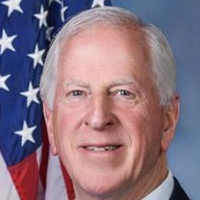
Mike Thompson
Representative
CA
Mike Thompson
Representative
CA
The Bipartisan Background Checks Act of 2025 aims to strengthen existing federal background check systems to prevent prohibited persons from acquiring firearms. This bill primarily mandates that most private firearm transfers must be facilitated through a licensed dealer who will conduct a background check. The legislation includes specific exceptions for family gifts, law enforcement, and temporary transfers under emergency circumstances.
This Act improves Medicare coverage for seniors by ensuring clinical social worker mental health services are billed separately from nursing home payments and expanding the scope of billable services to include health and behavior assessments.
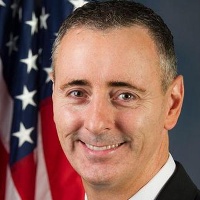
Brian Fitzpatrick
Representative
PA
Brian Fitzpatrick
Representative
PA
The Expanding Seniors Access to Mental Health Services Act aims to improve mental health care access for seniors under Medicare. This bill separates clinical social worker services from standard skilled nursing facility payments, ensuring they are billed distinctly. Furthermore, it expands Medicare coverage for clinical social workers to include health and behavior assessment and intervention services, effective January 1, 2026.
This Act redefines "franchise fee" to provide a more specific and restrictive definition for cable services under the Communications Act of 1934.
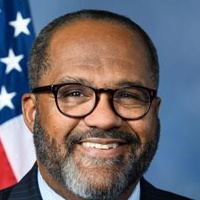
Troy Carter
Representative
LA
Troy Carter
Representative
LA
The Protecting Community Television Act revises the definition of "franchise fee" under the Communications Act of 1934. This change aims to provide a more precise and restrictive definition of what monetary assessments can be charged as a franchise fee by franchising authorities.
The Farmers Feeding America Act of 2025 updates funding rules, increases financial support for storage and infrastructure, and provides flexible food procurement options for geographically isolated states within the Emergency Food Assistance Program.
Andrea Salinas
Representative
OR
Andrea Salinas
Representative
OR
The Farmers Feeding America Act of 2025 aims to strengthen the Emergency Food Assistance Program (TEFAP) by updating funding rules based on 2030 data and mandating $500 million in annual funding from 2026 through 2030. The bill doubles funding for food storage and distribution costs to $200 million and extends infrastructure grant eligibility until 2030. Furthermore, it establishes new flexibility for geographically isolated states, allowing them alternative methods for receiving or purchasing necessary food commodities.
This bill removes certain numerical caps on specific employment-based immigrant visas to better allocate green cards.
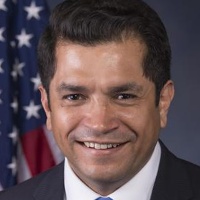
Jimmy Gomez
Representative
CA
Jimmy Gomez
Representative
CA
The Protect Vulnerable Immigrant Youth Act aims to reform employment-based immigration by eliminating certain numerical caps for specific visa categories. This legislation amends existing law to adjust how preference statuses are allocated for these immigrant visas. The overall goal is to streamline the process for certain employment-based immigrants.
The Pride In Mental Health Act of 2025 establishes grants and federal initiatives to improve mental health services and research specifically for LGBTQ+ youth while explicitly prohibiting the use of funds for conversion therapy.
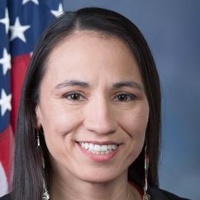
Sharice Davids
Representative
KS
Sharice Davids
Representative
KS
The Pride In Mental Health Act of 2025 establishes a new grant program to improve mental health and substance abuse outcomes for LGBTQ+ youth through culturally competent care and resource development. These grants strictly prohibit funding for conversion therapy practices. The bill also mandates federal data collection on LGBTQ+ youth mental health and requires a report on the needs of those in foster care.
This Act mandates comprehensive, no-cost-sharing coverage for prenatal, childbirth, neonatal, perinatal, and postpartum health care under the Affordable Care Act.

Jared Golden
Representative
ME
Jared Golden
Representative
ME
The Supporting Healthy Moms and Babies Act mandates that essential health benefits under the ACA must comprehensively cover prenatal, childbirth, neonatal, perinatal, and postpartum care for one full year. This legislation explicitly bans all cost-sharing, including copays and deductibles, for these essential maternity and newborn health services. The bill ensures robust coverage, including specific requirements like mandatory ultrasounds and mental health services for new parents.
This Act formally establishes the science-based Advisory Committee on Immunization Practices (ACIP) and mandates that changes to the National Vaccine Injury Compensation Program's injury table must be supported by a preponderance of the best available scientific evidence.

Frank Pallone
Representative
NJ
Frank Pallone
Representative
NJ
The Family Vaccine Protection Act formally establishes the Advisory Committee on Immunization Practices (ACIP) into law, requiring all its vaccine recommendations to be based on the preponderance of the best available, peer-reviewed scientific evidence. This legislation mandates strict procedures for the CDC Director to adopt or reject ACIP advice, including notifying Congress if a recommendation is rejected. Furthermore, the Act requires that any changes to the National Vaccine Injury Compensation Program's injury table must also be supported by strong scientific evidence.
This resolution urgently calls for the immediate delivery of humanitarian aid to address the severe hunger crisis in Gaza and demands the administration use all diplomatic means to secure hostage release and end the fighting.
Pramila Jayapal
Representative
WA
Pramila Jayapal
Representative
WA
This resolution formally expresses the House of Representatives' grave concern over the severe humanitarian crisis and widespread suffering of civilians in Gaza, alongside the plight of hostages. It urgently calls on the Administration to use all diplomatic tools to secure the release of all hostages. Furthermore, the bill demands the immediate delivery and secure distribution of essential humanitarian aid to address the catastrophic hunger crisis in Gaza.
This act repeals certain provisions of the Protection of Lawful Commerce in Arms Act and allows federal gun trace information to be discoverable and admissible in civil proceedings.
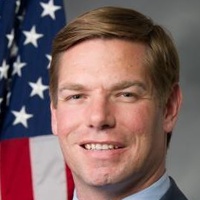
Eric Swalwell
Representative
CA
Eric Swalwell
Representative
CA
The Equal Access to Justice for Victims of Gun Violence Act of 2025 repeals key provisions of the Protection of Lawful Commerce in Arms Act. This legislation allows federal gun trace information to be discoverable and admissible as evidence in civil lawsuits and administrative hearings. The bill aims to provide victims of gun violence with greater access to relevant data in legal proceedings.
The Menstrual Equity For All Act of 2025 mandates the provision of free menstrual products across schools, correctional facilities, federal buildings, and workplaces, while also expanding coverage under Medicaid and eliminating sales tax on these essential items.

Grace Meng
Representative
NY
Grace Meng
Representative
NY
The Menstrual Equity For All Act of 2025 aims to eliminate period poverty by ensuring access to free menstrual products across various sectors of society. This comprehensive bill mandates the availability of these essential supplies in K-12 schools, colleges, correctional facilities, federal buildings, and workplaces with over 100 employees. Furthermore, it expands coverage under Medicaid, allocates specific funding through social service block grants and TANF programs, and prohibits states from taxing menstrual products.
The MARSHALS Act restructures the U.S. Marshals Service, moving its organization and leadership entirely under the judicial branch, overseen by the Chief Justice and a new Board.
Eric Swalwell
Representative
CA
Eric Swalwell
Representative
CA
The MARSHALS Act fundamentally restructures the United States Marshals Service (USMS), moving its organization entirely into the judicial branch. This bill establishes that the Director and all U.S. Marshals will be appointed by the Chief Justice, subject to oversight from a new Board. The legislation also clarifies the USMS's authority to protect federal judicial personnel and outlines specific conditions under which the Service can assist the Department of Justice.
This act establishes fixed, non-renewable 18-year terms for future Supreme Court Justices and outlines a staggered appointment schedule, while also creating a temporary mechanism for filling vacancies below the nine-justice quorum.

Henry Johnson
Representative
GA
Henry Johnson
Representative
GA
The Supreme Court Tenure Establishment and Retirement Modernization Act of 2025 establishes fixed, non-renewable 18-year terms for all future Supreme Court Justices, with appointments staggered every two years. This legislation also outlines a process for phasing out current Justices upon the confirmation of new appointees. Finally, it grants the Chief Justice the authority to temporarily fill sudden vacancies below the standard nine-justice level using a randomly selected retired Justice.