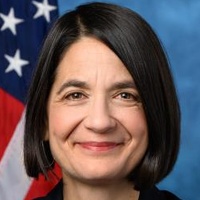
Legislative Activity
Track Becca's sponsored bills, co-sponsored legislation, and voting record
This Act prohibits the use of "panic defenses" in federal court that attempt to excuse or mitigate crimes based on a victim's sexual orientation or gender identity.
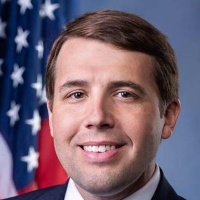
Chris Pappas
Representative
NH
Chris Pappas
Representative
NH
The LGBTQ+ Panic Defense Prohibition Act of 2025 bans the use of "panic defenses" in federal court, which attempt to excuse or lessen a defendant's culpability for a crime based on the victim's sexual orientation or gender identity. This legislation recognizes that these outdated defenses rely on prejudice and undermine justice for LGBTQ+ individuals. The Act also requires the Attorney General to report annually on violent federal crimes motivated by bias against LGBTQ+ people.
The PRIDE Act of 2025 extends the deadline for certain married couples to file joint tax returns based on past marriage recognition and updates the Internal Revenue Code with gender-neutral language for all married individuals.
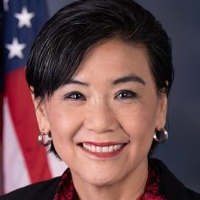
Judy Chu
Representative
CA
Judy Chu
Representative
CA
The PRIDE Act of 2025 aims to update the Internal Revenue Code to ensure equal treatment and inclusive language for all married couples. It extends the deadline for certain legally married couples to file amended joint tax returns following past recognition changes. Furthermore, the bill systematically replaces gendered terms like "husband," "wife," and "his" with gender-neutral language such as "spouse" and "individual" across numerous tax provisions. These changes ensure consistent, equitable application of tax law regardless of gender identity.
This Act mandates that federal officers involved in border security or immigration enforcement must clearly display identification, wear visible uniforms or badges, and not conceal their faces during detentions or arrests.

Dan Goldman
Representative
NY
Dan Goldman
Representative
NY
The No Secret Police Act of 2025 mandates that federal officers engaged in border security or immigration enforcement must clearly display identification, wear visible badges or uniforms, and refrain from wearing face coverings during detentions or arrests. This ensures accountability by requiring clear identification from Department of Homeland Security (DHS) personnel. The bill also requires the Secretary of Homeland Security to report on current tactical gear policies and research methods to improve officer visibility.
This resolution formally recognizes the history, achievements, and ongoing struggles of the LGBTQIA+ community while encouraging the celebration of Pride Month and affirming that LGBTQIA+ rights are human rights.
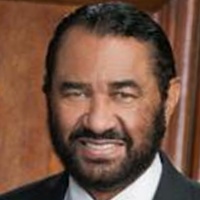
Al Green
Representative
TX
Al Green
Representative
TX
This resolution formally recognizes the history, achievements, and ongoing struggles of the LGBTQIA+ community in the United States. It serves as a declaration by Congress affirming that LGBTQIA+ rights are human rights and encouraging the celebration of Pride Month. The bill highlights key historical milestones, legal victories, and acknowledges the persistent challenges and violence faced by the community. Ultimately, it commits the U.S. to continuing the pursuit of full equality for all citizens.
The Housing not Handcuffs Act of 2025 prohibits federal penalties against homeless individuals for life-sustaining activities on public land unless a strictly defined, adequate indoor alternative is available.
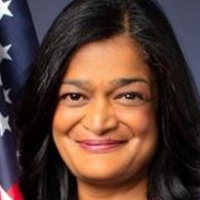
Pramila Jayapal
Representative
WA
Pramila Jayapal
Representative
WA
The Housing not Handcuffs Act of 2025 prohibits federal agencies from penalizing individuals experiencing homelessness for engaging in necessary life-sustaining activities on public land. This protection applies unless a strictly defined, fully accommodating indoor alternative space is available. The Act establishes a "necessity defense" in court for survival-related infractions and allows individuals to sue to enforce these new rights.
This resolution expresses Congressional support for LGBTQI+ equality and designates June 26th as "LGBTQI+ Equality Day" to commemorate key legal victories and highlight the need for further anti-discrimination legislation.
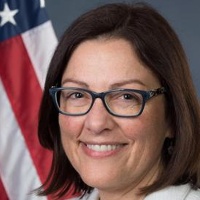
Suzan DelBene
Representative
WA
Suzan DelBene
Representative
WA
This resolution expresses the House's support for the rights and freedoms of LGBTQI+ individuals across the United States. It recognizes key Supreme Court decisions that advanced equality and highlights the ongoing need for comprehensive legal protections against discrimination. Finally, the bill proposes designating June 26th as "LGBTQI+ Equality Day" to commemorate these legal victories.
This bill establishes an Office of LGBTQI Inclusion within the Administration on Aging, mandates data collection on discrimination, and ensures services under the Older Americans Act are accessible and culturally competent for LGBTQI older adults.
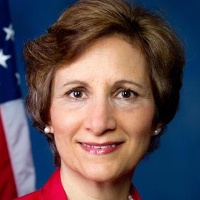
Suzanne Bonamici
Representative
OR
Suzanne Bonamici
Representative
OR
The Ruthie and Connie LGBTQI Elder Americans Act of 2025 aims to improve services and support for older adults who identify as LGBTQI. This bill establishes a new Office of LGBTQI Inclusion within the Administration on Aging and mandates the creation of a National Resource Center on LGBTQI Aging. Furthermore, it updates definitions, ensures eligibility for federal grants, and requires specific data collection on discrimination faced by this population in aging services.
This resolution recognizes the right to peaceful protest while condemning violence and criticizing the federal government's controversial deployment of military forces during recent Los Angeles demonstrations.
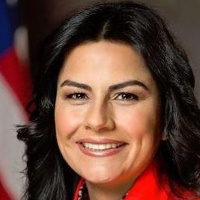
Nanette Barragán
Representative
CA
Nanette Barragán
Representative
CA
This resolution formally recognizes the constitutional right to peaceful protest while strongly condemning violence and illegal acts committed during demonstrations. It criticizes the federal government's deployment of military forces during recent events, arguing the actions were an overreach that bypassed proper legal and state authority. Ultimately, the bill asserts the importance of transparency in law enforcement and denounces rhetoric that escalates community tensions.
This Act requires group health plans to ensure that patient cost-sharing for medically necessary oral cancer drugs is comparable to that for intravenously administered cancer drugs.
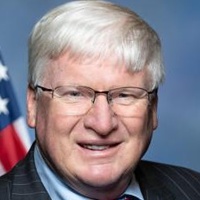
Glenn Grothman
Representative
WI
Glenn Grothman
Representative
WI
The Cancer Drug Parity Act of 2025 mandates that group health plans treat the cost-sharing for oral (take-at-home) anticancer drugs the same as they treat cost-sharing for intravenously administered cancer drugs. This ensures patients do not face higher out-of-pocket expenses for necessary oral chemotherapy medications. The Act also requires the GAO to study the financial impact of this new parity requirement on patients.
This Act expands healthcare access by ensuring lawfully present immigrants are eligible for federal health programs, treating federally authorized presence as lawful presence for coverage, and giving states the option to cover undocumented individuals under Medicaid and CHIP.
Pramila Jayapal
Representative
WA
Pramila Jayapal
Representative
WA
The Health Equity and Access under the Law for Immigrant Families Act of 2025 aims to significantly expand healthcare access for immigrants legally residing in the U.S. by ensuring eligibility for federal health programs like Medicaid and CHIP, removing state restrictions for permanent residents, and treating federally authorized presence as lawful presence for coverage purposes. The bill also provides states the option to extend Medicaid and CHIP coverage to individuals without lawful status. Furthermore, it removes citizenship barriers preventing certain non-citizens from accessing ACA marketplace subsidies and updates Medicare eligibility rules.
The Women’s Health Protection Act of 2025 establishes a federal right to access abortion services before fetal viability and protects the right to travel for care, overriding state restrictions that place burdens on abortion access not imposed on comparable medical procedures.
Judy Chu
Representative
CA
Judy Chu
Representative
CA
The Women’s Health Protection Act of 2025 establishes a federal statutory right to access abortion services, prohibiting medically unnecessary restrictions that impede care before fetal viability. This Act protects the right of patients to travel across state lines to receive reproductive healthcare and allows providers to offer services free from state interference that conflicts with established medical standards. It preempts conflicting state and local laws and provides robust enforcement mechanisms for individuals and the Attorney General to challenge violations.
This Act bans application and screening fees for federally assisted rentals, caps late fees, mandates pre-lease disclosures, and prohibits reporting defined "junk fees" to credit bureaus.
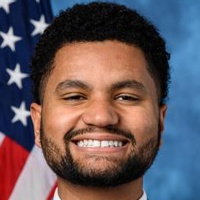
Maxwell Frost
Representative
FL
Maxwell Frost
Representative
FL
The End Junk Fees for Renters Act aims to protect tenants by banning application and screening fees for federally assisted rental units. It also caps late rent fees at 3% and mandates that landlords disclose key rental history and maintenance information before a lease is signed. Furthermore, the bill directs federal agencies to define "junk fees" and prohibits landlords from reporting unpaid junk fees to credit bureaus.
This Act posthumously awards a Congressional Gold Medal to pioneering, barrier-breaking cyclist Marshall "Major" Taylor and authorizes the sale of duplicate bronze medals.
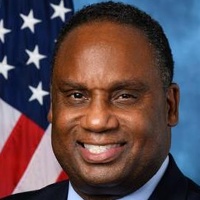
Jonathan Jackson
Representative
IL
Jonathan Jackson
Representative
IL
This bill posthumously awards a Congressional Gold Medal to Marshall "Major" Taylor, recognizing the pioneering Black cyclist for his historic achievements and his fight against racial prejudice. The medal will be struck by the Secretary of the Treasury and presented to Taylor's great-granddaughter. The Act also authorizes the sale of bronze duplicates to cover production costs.
This bill establishes a strict, last-resort framework requiring explicit Congressional approval for the President to deploy U.S. Armed Forces domestically to suppress insurrection or quell severe domestic violence.
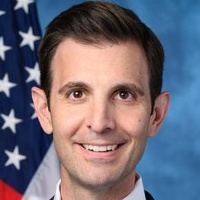
Chris Deluzio
Representative
PA
Chris Deluzio
Representative
PA
The Insurrection Act of 2025 completely rewrites the rules governing when the President can deploy the U.S. Armed Forces domestically to suppress insurrection or quell severe domestic violence. This deployment is strictly limited to being a last resort, requiring specific triggers such as overwhelming local failure or the denial of constitutional rights. Before acting, the President must issue a proclamation and provide a detailed report to Congress, whose approval is required to extend military authority beyond seven days. The Act also establishes expedited congressional procedures for reviewing and approving the deployment and allows for judicial review of the President's legal basis for action.
This resolution reaffirms the importance of U.S. leadership in promoting the safety and well-being of refugees globally while criticizing recent administrative actions that restricted refugee admissions and asylum access.
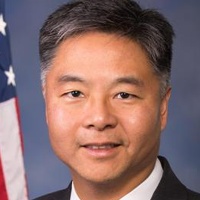
Ted Lieu
Representative
CA
Ted Lieu
Representative
CA
This resolution strongly reaffirms the United States' commitment to promoting the safety and well-being of refugees globally. It criticizes recent administrative actions that suspended refugee admissions and travel bans, arguing they violate U.S. and international law. The bill calls for the immediate restoration of the U.S. Refugee Admissions Program and demands federal agencies uphold due process for asylum seekers. Ultimately, it asserts that welcoming oppressed people is central to American values and legal obligations.
This act clarifies Medicare coverage and payment rules for occupational therapy services when used to treat mental health or substance use disorders.
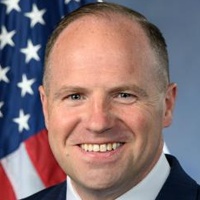
Timothy Kennedy
Representative
NY
Timothy Kennedy
Representative
NY
The Occupational Therapy Mental Health Parity Act aims to clarify and ensure proper coverage of occupational therapy services under Medicare for treating mental health and substance use disorders. It mandates the Secretary of Health and Human Services to educate stakeholders on billing and payment rules within the Medicare Benefit Policy Manual. This ensures providers are correctly reimbursed when using occupational therapy for mental health treatment.
This bill requires colleges receiving federal funding to proactively notify work-study and Pell Grant-eligible students about their potential eligibility for the Supplemental Nutrition Assistance Program (SNAP).
Suzanne Bonamici
Representative
OR
Suzanne Bonamici
Representative
OR
The Opportunity To Address College Hunger Act requires colleges receiving federal funding to proactively notify students receiving Federal work-study assistance about their potential eligibility for the Supplemental Nutrition Assistance Program (SNAP). This notification must include official documentation proving work-study status to help students meet SNAP eligibility exceptions. The goal is to streamline the process for food-insecure students to access federal nutrition benefits.
This resolution commemorates the nine-year anniversary of the Pulse nightclub shooting, honoring the victims, first responders, and the community's resilience while urging continued action on gun safety.
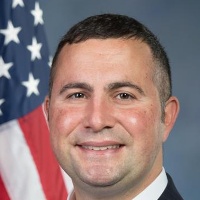
Darren Soto
Representative
FL
Darren Soto
Representative
FL
This resolution formally commemorates the ninth anniversary of the tragic Pulse nightclub shooting in Orlando, Florida, on June 12, 2016. It honors the lives lost, recognizes the bravery of first responders, and reaffirms community unity in the face of hate. Furthermore, the resolution calls for continued efforts to reduce gun violence and support those affected by this act of terrorism.
This Act establishes a comprehensive, federally funded grant program to support evidence-based violence prevention and trauma-informed support for high-risk youth in schools located in high-violence communities.
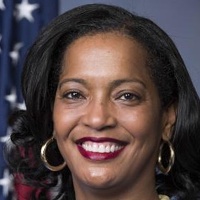
Jahana Hayes
Representative
CT
Jahana Hayes
Representative
CT
The School Violence Prevention Act establishes a new, comprehensive grant program to fund evidence-based violence prevention initiatives in high-risk communities. These grants will support partnerships between schools and community organizations to implement trauma-informed programs focused on youth development, social skills, and connecting students with mental health resources. The bill mandates rigorous evaluation of these programs to measure their impact on student success and overall community safety.
The FIGHT Act of 2025 strengthens federal prohibitions against animal fighting, enhances enforcement mechanisms, and allows citizens to sue violators of animal fighting provisions.
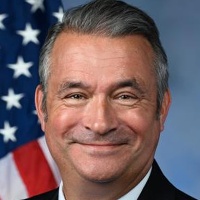
Don Bacon
Representative
NE
Don Bacon
Representative
NE
The FIGHT Act of 2025 significantly strengthens federal prohibitions against animal fighting ventures, specifically targeting the sponsorship, exhibition, and gambling associated with these events. This legislation clarifies the definition of a rooster for legal purposes and bans the interstate transport of roosters for fighting. Furthermore, it empowers private citizens to file lawsuits against violators, allowing for civil penalties and the potential seizure of property used to facilitate illegal animal fighting.