Legislative Activity
Track Becca's sponsored bills, co-sponsored legislation, and voting record
The Better CARE for Animals Act of 2025 strengthens the enforcement of the Animal Welfare Act by expanding investigative authority, establishing new civil penalties up to \$10,000 per day, and explicitly granting the Attorney General power to file civil actions, including seeking seizure and forfeiture of animals.
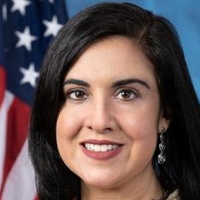
Nicole Malliotakis
Representative
NY
Nicole Malliotakis
Representative
NY
The Better CARE for Animals Act of 2025 significantly strengthens enforcement of the Animal Welfare Act by clarifying definitions and expanding the scope of investigations. It grants the Attorney General explicit authority to file civil actions seeking penalties up to $10,000 per day, and mandates that collected fines help cover temporary animal care costs. The bill also requires the Secretary of Agriculture and the Attorney General to establish a formal agreement for coordinated enforcement.
This bill bans the manufacture, sale, and transfer of specific semiautomatic assault weapons and large-capacity ammunition feeding devices while grandfathering existing possessions and establishing new transfer requirements.
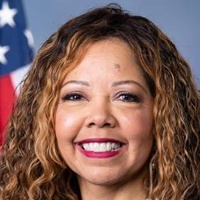
Lucy McBath
Representative
GA
Lucy McBath
Representative
GA
The Assault Weapons Ban of 2025 comprehensively defines and bans the manufacture, sale, and transfer of specific semiautomatic assault weapons and large capacity ammunition feeding devices. The bill grandfathers existing weapons but imposes new requirements for their secure storage and mandates dealer involvement for future private transfers. It also allows federal grant money to be used by states for buy-back programs targeting these banned items.
This bill repeals the Arctic National Wildlife Refuge oil and gas program and designates over 1.5 million acres of the refuge as protected wilderness.
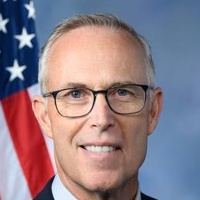
Jared Huffman
Representative
CA
Jared Huffman
Representative
CA
The Arctic Refuge Protection Act officially repeals the previous law authorizing oil and gas leasing in the Arctic National Wildlife Refuge. This legislation simultaneously designates approximately 1.56 million acres within the Refuge as protected wilderness under the National Wilderness Preservation System. The Secretary of the Interior is now required to manage this newly designated land according to strict wilderness preservation standards.
This bill establishes a special visitor category for qualifying Canadian retirees to stay in the U.S. for up to 240 days annually and grants them non-resident alien tax status.
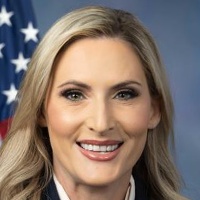
Laurel Lee
Representative
FL
Laurel Lee
Representative
FL
The Canadian Snowbird Act creates a special visitor status for qualifying Canadian retirees, allowing them to stay in the U.S. for up to 240 days per year while maintaining their Canadian residency. This legislation also ensures that these Canadian visitors are treated as non-resident aliens for U.S. tax purposes, preventing them from being taxed like U.S. residents. The bill aims to simplify entry and tax obligations for long-term seasonal visitors from Canada.
This bill establishes a universal, comprehensive national health insurance program called "Medicare for All" that eliminates patient cost-sharing and transitions the nation away from private insurance duplication.
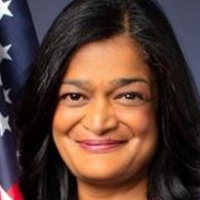
Pramila Jayapal
Representative
WA
Pramila Jayapal
Representative
WA
The Medicare for All Act establishes a universal, nationwide health insurance program providing comprehensive coverage for all U.S. residents with no out-of-pocket costs. It fundamentally restructures healthcare financing by implementing global budgets for institutions and a new fee schedule for individuals, while phasing out existing federal programs like Medicare and Medicaid. The legislation also sets strict quality standards for providers and creates a dedicated Trust Fund to manage the system's finances.
This Act prohibits the use of facial recognition and other biometric identification technologies in federally assisted rental housing to prevent discrimination and ensure fair housing access.
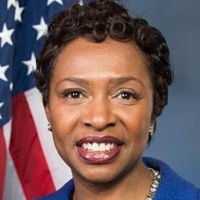
Yvette Clarke
Representative
NY
Yvette Clarke
Representative
NY
The No Biometric Barriers to Housing Act of 2025 prohibits owners of federally assisted rental housing from using facial recognition, fingerprint scanning, and other remote biometric surveillance technologies one year after enactment. This measure aims to prevent discrimination and ensure fair access to affordable housing by banning specific high-tech surveillance tools. Furthermore, the bill requires the Department of Housing and Urban Development (HUD) to report to Congress on the past use and potential impacts of such technologies on tenants.
The Equality Act comprehensively prohibits discrimination based on sex, sexual orientation, and gender identity across key areas including public accommodations, employment, housing, credit, and jury service.
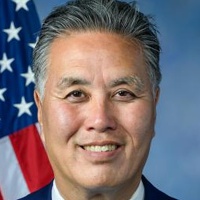
Mark Takano
Representative
CA
Mark Takano
Representative
CA
The Equality Act comprehensively expands federal civil rights protections against discrimination based on sex, sexual orientation, and gender identity across key areas of American life. It amends existing laws to prohibit discrimination in public accommodations, housing, credit, employment, and federal funding. The purpose of the bill is to provide consistent, explicit, and comprehensive remedies for individuals facing bias in these essential sectors.
This Act authorizes the President to impose sanctions, including asset freezes and visa bans, on foreign individuals involved in violence, property destruction, or displacement in the West Bank.
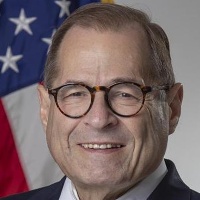
Jerrold Nadler
Representative
NY
Jerrold Nadler
Representative
NY
The West Bank Violence Prevention Act of 2025 declares extreme settler violence and displacement in the West Bank a threat to U.S. national security interests. This Act mandates the President to impose sanctions, including asset freezes and visa bans, on foreign individuals responsible for undermining peace and stability in the region. The Treasury Department must report to Congress on the implementation of these sanctions every 90 days.
This Act establishes and protects the right of tenants in federally assisted housing to organize, communicate concerns, and receive support for their participation in housing matters.
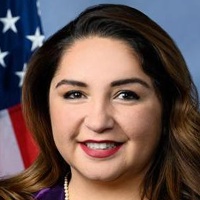
Delia Ramirez
Representative
IL
Delia Ramirez
Representative
IL
The Tenants’ Right to Organize Act establishes and protects the right of tenants receiving federal rental assistance, including Section 8 voucher holders and those in LIHTC projects, to form and participate in tenant organizations without fear of retaliation. The bill mandates that Public Housing Agencies and property owners must recognize these legitimate groups, consider their concerns, and respond to their feedback. Furthermore, it creates new enforcement mechanisms, allows tenants to sue for violations, and establishes funding for technical assistance and training for tenant groups.
This Act mandates comprehensive mental health education within the military's Transition Assistance Program and the VA's Solid Start Program to better support servicemembers leaving the military and reduce veteran suicide.
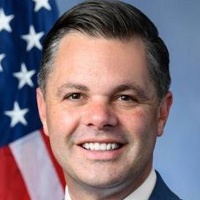
Zachary (Zach) Nunn
Representative
IA
Zachary (Zach) Nunn
Representative
IA
This Act mandates improvements to the mental health components of the Department of Defense's Transition Assistance Program (TAP) and the Department of Veterans Affairs' Solid Start Program. It ensures transitioning service members and new veterans receive comprehensive information on available mental health services, suicide risk, and related support resources. The Secretaries of Defense and Veterans Affairs must jointly report to Congress on these updates within one year of enactment.
This Act establishes an Advisory Council to survey needs, identify best practices, and disseminate comprehensive resources for victims of all forms of gun violence.
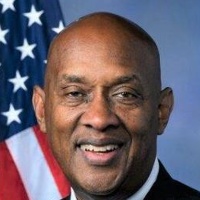
Dwight Evans
Representative
PA
Dwight Evans
Representative
PA
The Resources for Victims of Gun Violence Act of 2025 establishes an Advisory Council, led by HHS, to assess the needs of gun violence victims and service providers. This Council will survey stakeholders, review existing support programs, and identify best practices for medical, financial, and mental health assistance. Its primary function is to compile and widely distribute a comprehensive list of available federal, state, and nonprofit resources to ensure victims can easily access necessary aid.
The WISE Act aims to remove barriers for immigrant survivors of crime and abuse seeking legal status, while significantly reforming and expanding protections within the U-visa program and other victim-based immigration relief.
Pramila Jayapal
Representative
WA
Pramila Jayapal
Representative
WA
The Working for Immigrant Safety and Empowerment (WISE) Act aims to strengthen protections and streamline legal pathways for non-citizen survivors of crime and abuse, including domestic violence and trafficking. The bill reforms the U-visa program by eliminating its annual cap and speeding up work authorization for victims. It also establishes new protections against detention and deportation for victims with pending humanitarian applications and expands access to public benefits for certain lawfully present noncitizens.
The SOAR Act of 2025 reforms Medicare oxygen benefits by removing competitive bidding, establishing specific supplier responsibilities, enhancing fraud protection through electronic documentation, and enshrining patient rights for supplemental oxygen recipients.
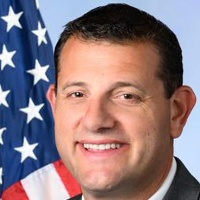
David Valadao
Representative
CA
David Valadao
Representative
CA
The SOAR Act of 2025 aims to significantly reform Medicare access to supplemental oxygen by removing it from the competitive bidding program and establishing new payment rates. The bill also mandates clearer documentation requirements for medical necessity using electronic templates and restores clinical judgment in claim audits. Finally, it establishes specific rights for oxygen beneficiaries and improves reimbursement for respiratory therapists.
The Pursuing Equity in Mental Health Act increases funding for mental health programs, mandates research into racial and ethnic minority mental health disparities, and establishes new outreach and training initiatives to address these inequities.
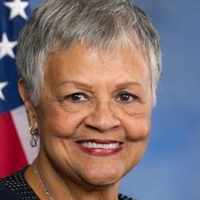
Bonnie Watson Coleman
Representative
NJ
Bonnie Watson Coleman
Representative
NJ
The Pursuing Equity in Mental Health Act aims to reduce mental health disparities among racial and ethnic minority groups through several key actions. It increases funding for existing grant programs and authorizes significant new funding for the NIH and NIMHD to support relevant research and community engagement. Furthermore, the bill mandates a comprehensive study on mental health research gaps and establishes a national strategy for culturally competent mental health outreach and education.
This act increases federal reimbursement rates by 10 cents per meal or snack served through the Child and Adult Care Food Program and streamlines payment calculations for day care homes.
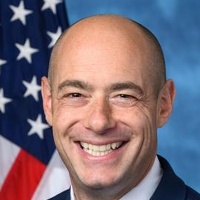
Greg Landsman
Representative
OH
Greg Landsman
Representative
OH
The Child Care Nutrition Enhancement Act of 2025 increases federal support for child care nutrition programs. This bill mandates an additional 10 cents in reimbursement for every meal or snack served through the Child and Adult Care Food Program (CACFP). It also streamlines the calculation methods for payments made to family and group day care homes participating in the program.
This resolution expresses Congressional support for the "Rise Up for LGBTQI+ Youth in Schools Initiative," urging communities to ensure equal educational opportunity and civil rights protections for all students in K-12 schools.
Mark Takano
Representative
CA
Mark Takano
Representative
CA
This resolution expresses strong Congressional support for the "Rise Up for LGBTQI+ Youth in Schools Initiative," urging communities nationwide to ensure equal educational opportunities and civil rights protections for all students. It calls for K-12 schools to become safe and affirming environments, free from discrimination, bullying, and erasure of LGBTQI+ identities. The bill specifically encourages states and local governments to adopt policies that actively protect LGBTQI+ youth from bias and exclusion.
The NO FAKES Act of 2025 establishes a new federal property right protecting an individual's voice and visual likeness from unauthorized creation and distribution of digital replicas, including provisions for licensing, post-death rights, and liability for online services.
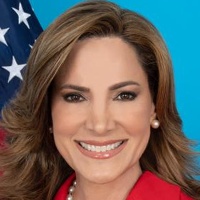
Maria Salazar
Representative
FL
Maria Salazar
Representative
FL
The NO FAKES Act of 2025 establishes a new federal property right protecting an individual's voice and visual likeness from unauthorized creation and distribution as a "Digital Replica" via AI or other means. This right belongs to the individual while alive and transfers to their heirs for a limited time after death, allowing them to control and license their digital identity. The Act outlines specific liability rules for unauthorized use, provides safe harbors for online services that comply with takedown notices, and sets penalties for false claims.
This act bans bump stocks and similar devices that increase the firing rate of semi-automatic firearms, requiring registration for any previously modified weapons.
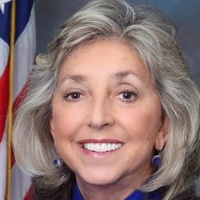
Dina Titus
Representative
NV
Dina Titus
Representative
NV
The Closing the Bump Stock Loophole Act of 2025 seeks to amend federal gun laws by banning devices and modifications that significantly increase the rate of fire of semiautomatic firearms, effectively treating them like machineguns. The bill specifically prohibits the manufacture, sale, or possession of such accessories and modified firearms after 120 days of enactment. Existing owners of previously modified firearms must register them under the National Firearms Act within that same timeframe to legally keep them.
This bill establishes the American Family Act, which revamps the Child Tax Credit into a system of refundable monthly advance payments for qualifying children and a separate credit for other dependents.
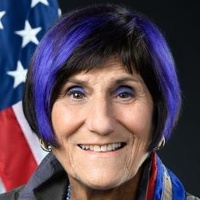
Rosa DeLauro
Representative
CT
Rosa DeLauro
Representative
CT
The American Family Act fundamentally overhauls the Child Tax Credit by replacing the annual lump sum with a system of advance, refundable monthly payments delivered directly to families. These monthly allowances vary based on the child's age, with higher amounts provided for younger children. The bill also establishes a separate, smaller credit for other dependents and outlines procedures for annual renewal and reconciliation of advance payments when filing taxes.
The Gas-Operated Semi-Automatic Firearms Exclusion (GOSAFE) Act prohibits the manufacture, sale, and possession of certain gas-operated semi-automatic firearms and large-capacity ammunition feeding devices, while establishing a formal process for firearm determinations and funding buy-back programs.
Lucy McBath
Representative
GA
Lucy McBath
Representative
GA
The Gas-Operated Semi-Automatic Firearms Exclusion Act (GOSAFE Act) prohibits the manufacture, sale, and possession of certain gas-operated semi-automatic firearms and large-capacity ammunition feeding devices (over 10 rounds). The bill establishes a formal process managed by the Attorney General and ATF to list prohibited firearms, while grandfathering existing possessions under strict transfer rules. Furthermore, it permits states to use federal Byrne grants for voluntary buy-back programs targeting these newly restricted items. Violations carry significant fines and potential prison sentences.