Legislative Activity
Track Nicole's sponsored bills, co-sponsored legislation, and voting record
This act removes a federal payment limitation for certain state Medicaid home and community-based services (HCBS) waivers.
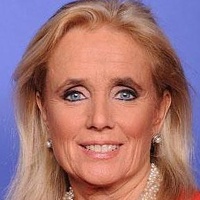
Debbie Dingell
Representative
MI
Debbie Dingell
Representative
MI
The HCBS Worker Protection Act of 2025 removes a federal payment limitation for certain home and community-based services (HCBS) waivers under Medicaid. This change grants states greater flexibility in receiving federal matching funds for these essential community services.
This act updates the population threshold defining an "urban area" to maintain eligibility for Rural Health Clinics under the Medicare program, effective January 1, 2027.
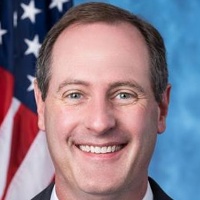
Tracey Mann
Representative
KS
Tracey Mann
Representative
KS
The Rural Health Clinic Location Modernization Act of 2025 updates the criteria for clinics to qualify as Rural Health Clinics (RHCs) under Medicare. This legislation revises the definition of an "urban area," setting a new population threshold of 50,000 people to determine eligibility. These changes to the location standards will take effect starting January 1, 2027.
This Act establishes a framework for striking workers to access unemployment insurance benefits after a two-week waiting period or the hiring of permanent replacements.
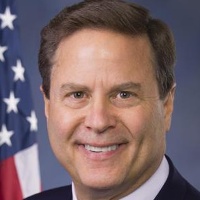
Donald Norcross
Representative
NJ
Donald Norcross
Representative
NJ
The Empowering Striking Workers Act of 2025 establishes a pathway for workers involved in a strike or lockout to receive unemployment insurance benefits after a mandatory 14-day waiting period. This legislation also exempts striking workers from the standard requirement to actively search for new employment while they are unable to work due to the labor dispute.
This bill formally integrates Puerto Rico into the federal Supplemental Nutrition Assistance Program (SNAP) structure, outlining a transition plan away from its current block grant system.
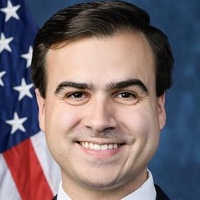
Pablo José Hernández Rivera
Representative
PR
Pablo José Hernández Rivera
Representative
PR
The Puerto Rico Nutrition Assistance Fairness Act aims to integrate Puerto Rico into the federal Supplemental Nutrition Assistance Program (SNAP) structure, aligning it with other territories like Guam. The bill mandates a transition period where Puerto Rico must submit a plan of operation to the Secretary of Agriculture for approval to join SNAP. During this transition, existing block grant funding may continue for up to five years while the territory moves toward full participation under federal SNAP rules.
This bill removes the Medicare exclusion for services provided in facilities primarily focused on mental disease treatment, effective January 1, 2027.
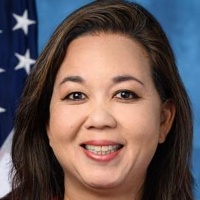
Jill Tokuda
Representative
HI
Jill Tokuda
Representative
HI
The Rural Behavioral Health Improvement Act of 2025 aims to enhance behavioral healthcare access in rural areas by modifying Medicare coverage rules. This bill specifically removes the existing exclusion that prevents Medicare payment for services provided in facilities primarily focused on treating mental diseases. This significant change is scheduled to take effect on January 1, 2027.
This Act enables states to establish specialized Medicaid health homes for individuals with sickle cell disease, mandating dental and vision coverage for enrollees.
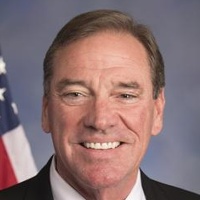
Neal Dunn
Representative
FL
Neal Dunn
Representative
FL
The Sickle Cell Disease Comprehensive Care Act enables states to establish specialized Medicaid health homes focused exclusively on individuals with sickle cell disease starting in 2026. If a state adopts this program, it must provide mandatory dental and vision coverage to enrolled patients, regardless of standard state Medicaid policies. States implementing these health homes will also be required to report on patient outcomes, access to care, and expenditures.
This resolution recognizes suicide as a serious public health crisis and expresses support for designating September 8, 2025, as "988 Day" to promote the vital 988 Suicide and Crisis Lifeline.
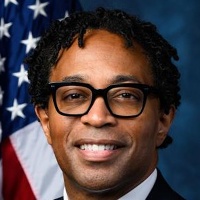
Wesley Bell
Representative
MO
Wesley Bell
Representative
MO
This resolution formally recognizes suicide as a serious public health crisis in the United States and expresses strong support for the 988 Suicide and Crisis Lifeline. It highlights the critical role of the 988 service in providing immediate, life-saving support to those in mental health distress. Furthermore, the resolution supports the designation of September 8th as "988 Day" to promote awareness of this essential resource.
This act repeals Section 14(b) of the National Labor Relations Act, thereby preempting all state "right-to-work" laws.
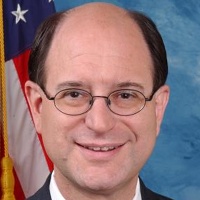
Brad Sherman
Representative
CA
Brad Sherman
Representative
CA
The Nationwide Right to Unionize Act eliminates federal permission for states to enact or enforce "right-to-work" laws by repealing Section 14(b) of the National Labor Relations Act. This action ensures that union security agreements negotiated between unions and employers are governed exclusively by federal labor law. Consequently, state laws that prohibit mandatory union membership or fee payment as a condition of employment will no longer apply where federal law permits such agreements.
The FEMA Act of 2025 establishes FEMA as an independent, cabinet-level agency and enacts sweeping reforms across public assistance, individual aid, and mitigation programs to speed up recovery and increase transparency.
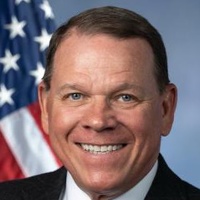
Sam Graves
Representative
MO
Sam Graves
Representative
MO
The FEMA Act of 2025 establishes the Federal Emergency Management Agency (FEMA) as an independent, cabinet-level agency to lead a unified, all-hazards approach to national emergency management. The bill enacts sweeping reforms across Public Assistance, Individual Assistance, and Mitigation programs to accelerate recovery, streamline funding, and reduce bureaucratic hurdles for disaster survivors and communities. Furthermore, it mandates significant new transparency measures, including public data reporting and GAO oversight, to ensure accountability for federal disaster spending.
This Act bans Members of Congress and their immediate families from trading or owning specific investments while in office, requiring divestment within 90 to 180 days or facing significant financial penalties.
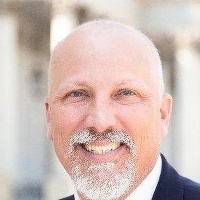
Chip Roy
Representative
TX
Chip Roy
Representative
TX
The Restore Trust in Congress Act establishes strict new rules prohibiting Members of Congress and their immediate families from owning or trading specific financial assets, referred to as "covered investments," while in office. Covered individuals must divest existing prohibited holdings within a set timeframe or face significant financial penalties, including fines and forfeiture of profits. The legislation aims to eliminate conflicts of interest arising from personal financial trading while serving in federal office.
This Act establishes a comprehensive EPA program to research, guide, and assist in improving indoor air quality across all buildings, with a special focus on schools and childcare facilities.
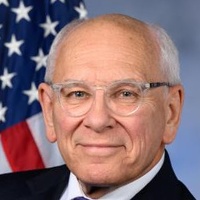
Paul Tonko
Representative
NY
Paul Tonko
Representative
NY
The Indoor Air Quality and Healthy Schools Act of 2025 establishes a comprehensive federal program, managed by the EPA Administrator, to assess, reduce, and prevent exposure to indoor air contaminants in all buildings, with a special focus on schools and childcare facilities. The Act mandates the creation of science-based guidelines for contaminants of concern and supports technical assistance, training, and voluntary "Healthy Building Certifications." It also directs the development of model building codes and a national assessment of air quality in educational settings to ensure healthier indoor environments nationwide.
The HANDS Act mandates that major federal health programs cover the cost of preventive opioid overdose reversal drugs furnished to at-risk patients upon discharge from hospitals and other facilities, starting January 1, 2026.
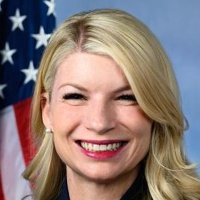
Brittany Pettersen
Representative
CO
Brittany Pettersen
Representative
CO
The HANDS Act mandates that life-saving opioid overdose reversal drugs be provided at no cost to at-risk individuals leaving hospitals, emergency departments, or ambulatory surgical centers starting January 1, 2026. This coverage is established across major federal health programs, including Medicare Part B, Medicare Advantage, Medicaid, and TRICARE, eliminating patient cost-sharing. The bill also directs federal agencies to issue guidance to help states and hospitals safely implement the distribution of these drugs.
This bill establishes a national system and interagency committee to coordinate federal efforts, fund community resilience projects, and study data gaps to prevent health emergencies and deaths related to extreme heat.
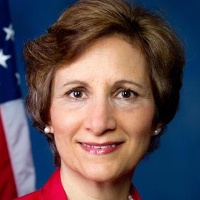
Suzanne Bonamici
Representative
OR
Suzanne Bonamici
Representative
OR
The Preventing HEAT Illness and Deaths Act of 2025 aims to combat the nation's leading weather-related killer by establishing a comprehensive federal strategy against extreme heat. The bill creates an Interagency Committee and a National Integrated Heat Health Information System (NIHHIS) within NOAA to coordinate research, data sharing, and preparedness efforts across government agencies. Furthermore, it authorizes significant financial assistance for community projects focused on heat resilience, prioritizing historically disadvantaged areas. The Act also mandates a national study to identify critical gaps in current heat response policies and infrastructure.
The MORE Act seeks to federally decriminalize cannabis, expunge past non-violent federal cannabis convictions, establish reinvestment programs, and open up SBA access for cannabis-related businesses.
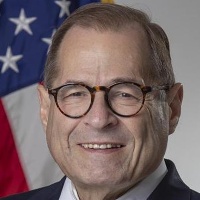
Jerrold Nadler
Representative
NY
Jerrold Nadler
Representative
NY
The Marijuana Opportunity Reinvestment and Expungement (MORE) Act seeks to federally decriminalize cannabis by removing it from the Controlled Substances Act, which will retroactively apply to past offenses. The bill establishes an Opportunity Trust Fund, financed by new cannabis taxes, to reinvest in communities harmed by prohibition. Furthermore, it mandates the expungement of non-violent federal cannabis convictions and opens up Small Business Administration (SBA) programs to legitimate cannabis businesses.
This Act establishes a pilot program to provide grants to states for creating electronic services that identify ticks, assess disease risk, and offer public guidance.
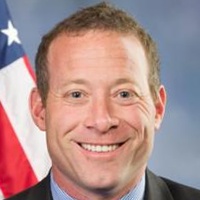
Josh Gottheimer
Representative
NJ
Josh Gottheimer
Representative
NJ
The Tick Identification Pilot Program Act of 2025 establishes a pilot program to provide grants to states for creating electronic tick identification services. These state programs will allow residents to submit photos of ticks for review by qualified biologists within 72 hours. The goal is to rapidly inform the public about the tick species, potential disease risk, and necessary next steps to combat tick-borne illnesses.
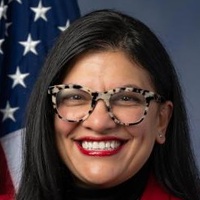
This Act prohibits grocery stores from price gouging, using personal surveillance data to set individualized prices, and mandates disclosure of facial recognition use, while banning electronic shelf labels in larger stores.
Rashida Tlaib
Representative
MI
Rashida Tlaib
Representative
MI
The Stop Price Gouging in Grocery Stores Act of 2025 aims to protect consumers by prohibiting grocery stores from charging "grossly excessive" prices for food items. The bill also bans stores from adjusting prices based on personal tracking data, such as facial recognition, and requires clear signage if facial recognition technology is used. Furthermore, it mandates that large physical grocery stores must use printed signs instead of electronic shelf labels for displaying prices.
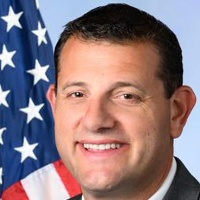
This resolution designates the week of August 3 through August 9, 2025, as "National Farmers Market Week" to recognize the vital economic, community, and health contributions of farmers markets.
David Valadao
Representative
CA
David Valadao
Representative
CA
This resolution officially designates the week of August 3 through August 9, 2025, as "National Farmers Market Week." It recognizes the vital role farmers markets play in supporting local economies, increasing access to healthy food, and connecting communities. The designation aims to shine a spotlight on the significant contributions these markets make nationwide.
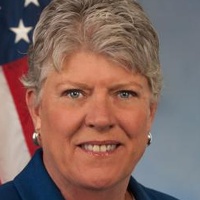
This act mandates that the Department of Veterans Affairs must provide abortion care, counseling, and related services and medication to eligible veterans and certain other individuals.
Julia Brownley
Representative
CA
Julia Brownley
Representative
CA
The Reproductive Freedom for Veterans Act mandates that the Department of Veterans Affairs (VA) must now provide abortion care, counseling, and related medication as part of the medical services offered to eligible veterans and certain other beneficiaries. This legislation formally amends existing VA health care provisions to include these reproductive health services.
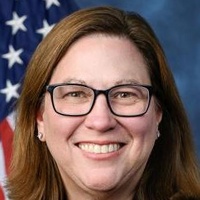
This Act mandates that the U.S. government's annual human rights reports abroad must include detailed findings on the status of reproductive rights, aligning U.S. foreign policy with international human rights standards.
Julie Johnson
Representative
TX
Julie Johnson
Representative
TX
The Reproductive Rights are Human Rights Act of 2025 establishes that reproductive rights are fundamental human rights based on international commitments. This bill mandates that the State Department must include a detailed, required section on the status of reproductive rights in every country within its annual human rights reports. These reports must cover access to contraception, abortion services, and instances of reproductive coercion or discrimination against marginalized groups. The Act aims to ensure robust U.S. monitoring and accountability regarding global reproductive health and autonomy.
This bill updates voting rights requirements by expanding language assistance definitions, creating incentive grants for voluntary translation services, and mandating a study on lowering language assistance thresholds.
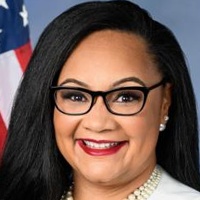
Nikema Williams
Representative
GA
Nikema Williams
Representative
GA
The Expanding the VOTE Act updates language assistance requirements under the Voting Rights Act by modernizing the definition of "voting materials" to include digital information. It also establishes new state responsibilities for providing language assistance and creates a grant program to incentivize voluntary language support beyond current mandates. Furthermore, the bill includes special provisions for unwritten American Indian and Alaska Native languages and mandates a study on lowering thresholds for language assistance coverage.