
Legislative Activity
Track Shontel's sponsored bills, co-sponsored legislation, and voting record
This Act establishes a federal strategy to prevent the trafficking of machinegun conversion devices, mandates forfeiture of profits from illegal machine gun activities, and requires specific reporting on these devices.

Sean Casten
Representative
IL
Sean Casten
Representative
IL
The Preventing Illegal Weapons Trafficking Act of 2025 mandates the creation of a federal strategy to intercept and seize illegal machinegun conversion devices entering or moving within the U.S. It also enhances penalties by allowing the forfeiture of proceeds derived from illegal machine gun trafficking. Furthermore, the Attorney General must now specifically report on crimes involving these conversion devices in the annual firearms trafficking report.
The Stop Comstock Act streamlines federal statutes by removing outdated and redundant language concerning "indecent" or "immoral" materials, focusing legal definitions on "obscene materials."
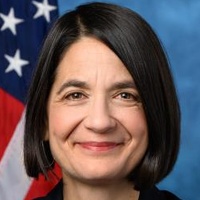
Becca Balint
Representative
VT
Becca Balint
Representative
VT
The Stop Comstock Act aims to modernize and streamline federal statutes concerning obscene materials. It revises several sections of federal law, including those related to crimes, transportation, and importation, by removing outdated or redundant language like "indecent" or "immoral." This legislative cleanup focuses the legal definitions to center specifically on "obscene materials."
This Act eliminates the waiting periods for Social Security disability benefits and Medicare coverage for individuals diagnosed with metastatic breast cancer.
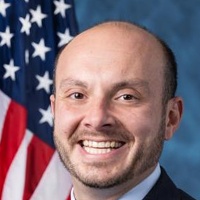
Andrew Garbarino
Representative
NY
Andrew Garbarino
Representative
NY
The Metastatic Breast Cancer Access to Care Act aims to improve support for individuals diagnosed with metastatic breast cancer. This bill eliminates the standard waiting period for receiving Social Security disability insurance benefits and waives the 24-month waiting period for Medicare coverage. These changes ensure immediate access to crucial financial and healthcare support upon diagnosis.
This Act converts Transportation Security Administration (TSA) personnel to standard federal employment rules under Title 5, establishes transition protections, mandates workforce reviews, and addresses labor relations and employee safety.
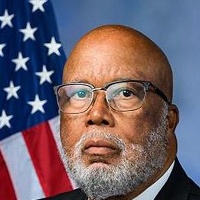
Bennie Thompson
Representative
MS
Bennie Thompson
Representative
MS
The Rights for the Transportation Security Administration Workforce Act transitions TSA personnel to standard federal employment rules under Title 5 of the U.S. Code by a set date no later than December 31, 2025. This mandates the freezing of current personnel policies during the transition while protecting current employee pay and benefits. The bill also requires extensive reviews by the Comptroller General on hiring, diversity, and workplace safety, and mandates consultation with employee representatives regarding labor relations. Finally, it ensures that screening agents retain collective bargaining rights and addresses specific concerns for Federal Air Marshals.
Condemns House Republican leadership for allowing a xenophobic post questioning a Congressman's citizenship.
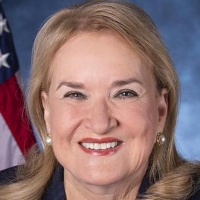
Sylvia Garcia
Representative
TX
Sylvia Garcia
Representative
TX
This bill condemns the House Republican Conference for a xenophobic social media post questioning Congressman Adriano Espaillat's immigration status and patriotism. It specifically condemns the House Republican leadership team for allowing the false statement that questioned Congressman Espaillat's citizenship.
The HOME Investment Partnerships Reauthorization and Improvement Act of 2025 reauthorizes and reforms the HOME program through 2029, increases administrative funding, establishes a $2 billion federal loan guarantee program, and updates definitions and compliance rules for affordable housing development.
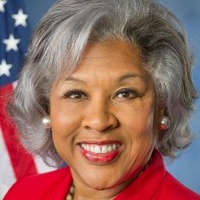
Joyce Beatty
Representative
OH
Joyce Beatty
Representative
OH
The HOME Investment Partnerships Reauthorization and Improvement Act of 2025 reauthorizes the HOME program for five years with increased funding levels and raises the cap on administrative expenses. It reforms affordability definitions, streamlines local eligibility requirements, and introduces a new federal loan guarantee program to finance local affordable housing projects. The bill also refines rules for Community Housing Development Organizations (CHDOs) and includes numerous technical corrections to modernize the underlying housing law.
This act expands the Work Opportunity Tax Credit to include employers who hire qualified military spouses.
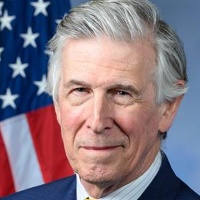
Donald Beyer
Representative
VA
Donald Beyer
Representative
VA
The Military Spouse Hiring Act amends the Internal Revenue Code to expand eligibility for the Work Opportunity Tax Credit (WOTC). This change allows employers to claim the tax credit for hiring qualified military spouses. A qualified military spouse is defined as someone certified as being married to a member of the U.S. Armed Forces.
The Caring for Survivors Act of 2025 increases dependency and indemnity compensation for surviving spouses and lowers the required period of total disability rating before death for survivors to qualify for certain benefits.
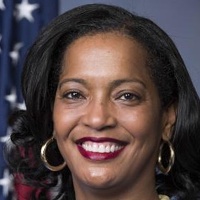
Jahana Hayes
Representative
CT
Jahana Hayes
Representative
CT
The Caring for Survivors Act of 2025 aims to increase financial support for surviving spouses of veterans. This bill raises the monthly Dependency and Indemnity Compensation (DIC) payment rate for surviving spouses. Additionally, it lowers the required duration of total disability rating before death from ten years to five years for survivors to qualify for certain DIC benefits. If the disability period was between five and ten years, the benefit amount will be proportionally adjusted.
This act mandates that the U.S. Treasury must begin printing new twenty-dollar bills featuring Harriet Tubman on the front after December 31, 2028, with a preliminary design reveal by the end of 2026.
Joyce Beatty
Representative
OH
Joyce Beatty
Representative
OH
The Woman on the Twenty Act of 2025 mandates that Harriet Tubman must be featured on the front of the twenty-dollar bill. This legislation sets a firm deadline, requiring that no new $20 notes can be printed without her portrait after December 31, 2028. Furthermore, the Secretary of the Treasury must publicly reveal the preliminary design for the new note by the end of 2026.
The American Teacher Act establishes federal grants to incentivize states to set a minimum annual teacher salary of $60,000 and provide inflation adjustments for teacher pay.
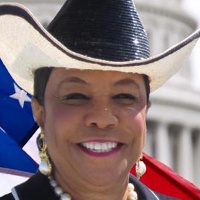
Frederica Wilson
Representative
FL
Frederica Wilson
Representative
FL
The American Teacher Act aims to address critical teacher shortages by establishing federal grants to help states raise the minimum annual salary for full-time teachers to \$60,000, adjusted for inflation. States must submit sustainability plans to ensure these minimums continue after the initial four-year grant period ends. The bill also provides funds for cost-of-living adjustments and a national campaign to enhance the value and diversity of the teaching profession.
This act automatically appropriates necessary funds to ensure the Supplemental Nutrition Assistance Program (SNAP) continues operating for the first 90 days of any fiscal year lapse in appropriations.

Emilia Sykes
Representative
OH
Emilia Sykes
Representative
OH
The Feed Our Families Act of 2025 ensures the continuity of the Supplemental Nutrition Assistance Program (SNAP) during the initial phase of a government shutdown. This bill automatically reserves necessary funding to operate SNAP for the first 90 days following a lapse in appropriations at the start of a fiscal year. These funds are held in reserve and released only as needed to maintain essential program services.
The HERO Act establishes a national data system for tracking public safety officer suicides, funds peer-support mental health programs for fire and EMS personnel, supports wellness programs for healthcare providers, and develops educational resources and best practices for treating first responder mental health issues.
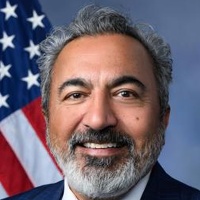
Ami Bera
Representative
CA
Ami Bera
Representative
CA
The HERO Act establishes a national system to track suicides among public safety officers to better understand prevention needs. It also creates grant programs to fund peer-support and wellness programs for fire, EMS, and healthcare workers. Finally, the bill mandates the development of educational resources to improve mental health treatment for first responders dealing with trauma and PTSD.
The "Mamas and Babies in Underserved Communities Act of 2025" aims to improve maternal healthcare and reduce disparities in underserved communities by providing grants to healthcare providers for expanded and enhanced services.
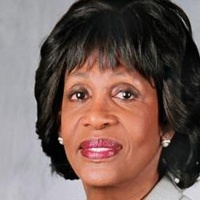
Maxine Waters
Representative
CA
Maxine Waters
Representative
CA
The "Mamas and Babies in Underserved Communities Act of 2025" aims to improve maternal health outcomes and reduce disparities in underserved communities by providing grants to healthcare providers. These grants will support the expansion and enhancement of maternal health services, including prenatal, postnatal care for infants, and postpartum care for mothers. Priority is given to entities serving minority, low-income, or medically underserved areas, particularly those led by community members. The act allocates necessary funds from 2026 to 2030 to facilitate these improvements.
The Richard L. Trumka Protecting the Right to Organize Act of 2025 strengthens protections for workers' rights to organize and collectively bargain by modernizing labor laws, addressing unfair labor practices, and enhancing enforcement mechanisms.
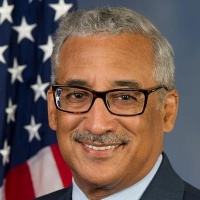
Robert Scott
Representative
VA
Robert Scott
Representative
VA
This bill, the Richard L. Trumka Protecting the Right to Organize Act of 2025, seeks to amend the National Labor Relations Act and other labor laws to strengthen protections for workers' rights to organize and collectively bargain. It aims to modernize labor regulations by clarifying definitions, addressing unfair labor practices, enhancing enforcement, and increasing transparency in labor-management relations. The bill introduces measures such as electronic voting in union elections, strengthens whistleblower protections, and mandates studies on collective bargaining practices. Ultimately, the goal is to ensure fair treatment of workers and promote equitable labor practices.
This bill restricts political appointees and special government employees from accessing Social Security data, establishes civil damages for unauthorized access, mandates Inspector General investigations, and requires a GAO study on the changes.
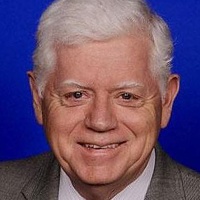
John Larson
Representative
CT
John Larson
Representative
CT
The Protecting Americans’ Social Security Data Act restricts political appointees and special government employees from accessing sensitive Social Security beneficiary data systems. It establishes a right for individuals to sue the government or responsible parties for unauthorized access or disclosure of their private Social Security information, including specified minimum damages. Furthermore, the bill mandates the Inspector General to investigate such violations and report findings to Congress within 30 days. Finally, it requires the GAO to conduct a comprehensive study on the impact of these new privacy and enforcement measures.
The John R. Lewis Voting Rights Advancement Act of 2025 aims to strengthen and update the Voting Rights Act of 1965 by addressing vote dilution and denial, establishing updated criteria for federal oversight of states and political subdivisions with a history of voting rights violations, and promoting transparency in election-related changes.
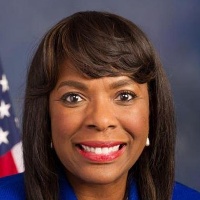
Terri Sewell
Representative
AL
Terri Sewell
Representative
AL
The John R. Lewis Voting Rights Advancement Act of 2025 amends the Voting Rights Act of 1965 to address vote dilution, denial, and abridgment claims, and to update which states and political subdivisions are subject to federal oversight based on a history of voting rights violations. It broadens the types of violations that allow a court to retain jurisdiction over a case, clarifies the Attorney General's authority to assign observers, and ensures transparency in voting-related changes. The Act also authorizes the Attorney General to demand documents and information to enforce voting rights and provides grants to small jurisdictions to assist with notification requirements.
The "Keeping Our Field Offices Open Act" prevents the Social Security Administration from closing or limiting access to field offices, hearing offices, and resident stations, ensuring continued service availability for the public.
John Larson
Representative
CT
John Larson
Representative
CT
The "Keeping Our Field Offices Open Act" prevents the Social Security Administration (SSA) from closing or consolidating field offices, hearing offices, and resident stations, ensuring continued access to services. It requires the SSA Commissioner to justify any planned closures to Congress with detailed analysis and cost-benefit assessments, considering the impact on vulnerable populations. The bill mandates public notice, hearings, and a final report to Congress before any changes, allowing appeals and maintaining the number of offices at or above the January 20, 2025 level, excluding temporary emergency closures.
The MERIT Act mandates the reinstatement of federal probationary employees affected by mass terminations occurring between January 20, 2025, and the Act's enactment, providing back pay and benefits.

LaMonica McIver
Representative
NJ
LaMonica McIver
Representative
NJ
The MERIT Act requires federal agencies to reinstate probationary employees who were terminated as part of a mass termination event between January 20, 2025, and the Act's enactment date, providing them with back pay and benefits. The Act also mandates reports on government employee terminations and the reinstatement process. It defines key terms such as "affected probationary employee" and "mass termination" to clarify the scope and applicability of the Act. This act ensures that affected employees are treated as involuntarily separated without cause and outlines the process for determining back pay and providing notice to eligible employees.
The bill mandates federal contractors to establish vulnerability disclosure policies in accordance with NIST guidelines, enhancing the cybersecurity of federal information systems.
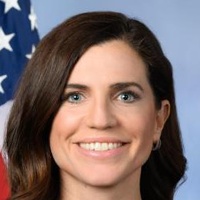
Nancy Mace
Representative
SC
Nancy Mace
Representative
SC
The "Federal Contractor Cybersecurity Vulnerability Reduction Act of 2025" aims to bolster the cybersecurity of federal contractors by mandating the implementation of vulnerability disclosure programs. It directs updates to the Federal Acquisition Regulation (FAR) and the Department of Defense Supplement to the Federal Acquisition Regulation (DFARS) to ensure contractors can receive and address information about potential security vulnerabilities, aligning with NIST guidelines and industry best practices. Waivers are permitted for national security or research purposes, with congressional notification. The Act defines key terms to clarify its scope and application.
The "Safe Schools Improvement Act" amends the Elementary and Secondary Education Act of 1965, requiring states to establish policies that prevent and prohibit bullying and harassment in schools based on protected characteristics, ensuring a safe and inclusive learning environment for all students.

Linda Sánchez
Representative
CA
Linda Sánchez
Representative
CA
The Safe Schools Improvement Act aims to reduce bullying and harassment in schools by requiring states to establish policies prohibiting such conduct based on various characteristics, including race, sex, religion, and disability. It mandates annual notifications, data collection on incidents, biennial evaluations of programs, and regular reports to Congress to ensure accountability and effectiveness. This act does not infringe on existing nondiscrimination laws or freedom of speech but seeks to create a safer, more inclusive learning environment for all students.