Legislative Activity
Track James's sponsored bills, co-sponsored legislation, and voting record
This bill mandates that states prohibit issuing standard driver's licenses to non-citizens or non-lawful permanent residents or face the withholding of 50% of their federal highway funding.
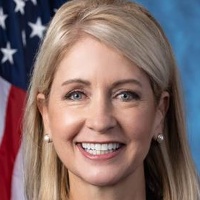
Mary Miller
Representative
IL
Mary Miller
Representative
IL
The SAFE Driving Laws Act aims to ensure that states only issue standard driver's licenses to U.S. citizens or lawful permanent residents. To comply, states must prohibit issuing licenses to non-citizens and must cooperate fully with federal immigration enforcement information sharing. States failing to meet these requirements starting in fiscal year 2027 will face the withholding of 50% of their federal highway funding.
The Weather Act Reauthorization Act of 2025 comprehensively updates and funds federal weather research, modernizes forecasting infrastructure, integrates commercial data, and improves public communication to enhance severe weather preparedness and mitigation across the nation.

Frank Lucas
Representative
OK
Frank Lucas
Representative
OK
The Weather Act Reauthorization Act of 2025 aims to significantly enhance U.S. weather forecasting, research, and public safety measures across five years. It mandates the modernization of critical infrastructure, including radar systems and data processing, while prioritizing the integration of commercial technology and social science research into actionable, impact-based warnings. The bill focuses on improving predictions for severe events like tornadoes, hurricanes, and droughts, and overhauls how NOAA acquires and utilizes private sector weather data. Ultimately, this legislation seeks to deliver faster, clearer, and more reliable hazard information to protect American lives and property.
This act updates the population threshold defining an "urban area" to maintain eligibility for Rural Health Clinics under the Medicare program, effective January 1, 2027.
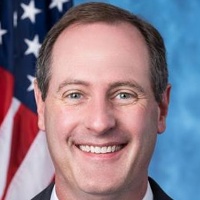
Tracey Mann
Representative
KS
Tracey Mann
Representative
KS
The Rural Health Clinic Location Modernization Act of 2025 updates the criteria for clinics to qualify as Rural Health Clinics (RHCs) under Medicare. This legislation revises the definition of an "urban area," setting a new population threshold of 50,000 people to determine eligibility. These changes to the location standards will take effect starting January 1, 2027.
This Act modernizes Medicare utilization requirements for rural facilities employing Physician Assistants and Nurse Practitioners by aligning their practice and oversight with state laws.
Tracey Mann
Representative
KS
Tracey Mann
Representative
KS
The Modernizing Rural Physician Assistant and Nurse Practitioner Utilization Act of 2025 updates Medicare payment requirements for facilities not directly directed by a physician. It mandates that these facilities must have formal arrangements with Physician Assistants (PAs) or Nurse Practitioners (NPs) whose practice adheres to state laws and regulations. These changes are set to take effect on January 1, 2027.
This bill removes the Medicare exclusion for services provided in facilities primarily focused on mental disease treatment, effective January 1, 2027.
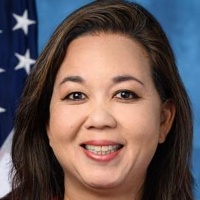
Jill Tokuda
Representative
HI
Jill Tokuda
Representative
HI
The Rural Behavioral Health Improvement Act of 2025 aims to enhance behavioral healthcare access in rural areas by modifying Medicare coverage rules. This bill specifically removes the existing exclusion that prevents Medicare payment for services provided in facilities primarily focused on treating mental diseases. This significant change is scheduled to take effect on January 1, 2027.
This Act mandates that federal agencies assist the Department of Commerce in maximizing the collection of detailed citizenship, noncitizen, and undocumented immigrant data for the census and requires the addition of a citizenship question to the 2030 decennial census while terminating the Census Bureau's use of differential privacy.
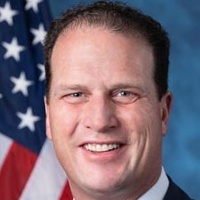
August Pfluger
Representative
TX
August Pfluger
Representative
TX
The Citizen Only Updated National Tally Act (COUNT Act) mandates that federal agencies must assist the Department of Commerce in gathering comprehensive administrative records to accurately determine the citizenship status of the U.S. population. This data collection effort aims to provide policymakers with precise facts regarding immigration's impact. Furthermore, the bill requires the addition of a citizenship question to the 2030 decennial census and terminates the Census Bureau's use of differential privacy for data protection six months after enactment.
This act establishes a standardized, time-bound process for meat and poultry plants to request and maintain faster USDA inspection rates based on meeting published food safety criteria.
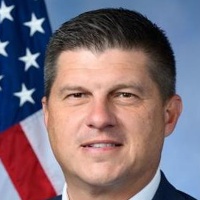
Brad Finstad
Representative
MN
Brad Finstad
Representative
MN
The American Protein Processing Modernization Act establishes a formal, time-bound process for meat and poultry plants to request faster USDA inspection rates, known as "alternate inspection rates." The Secretary of Agriculture must respond to these requests within 90 days, with automatic approval if the deadline is missed. This legislation also outlines clear procedures for maintaining, revoking, or reinstating these faster inspection rates based on ongoing food safety compliance.
This Act updates the timeline for expanding middle mile internet infrastructure into rural areas from 2018-2023 to 2026-2031 under the Rural Electrification Act.
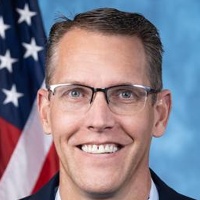
Randy Feenstra
Representative
IA
Randy Feenstra
Representative
IA
The Middle Mile for Rural America Act updates the timeline for expanding essential middle mile internet infrastructure into rural areas. This legislation shifts the designated period for these expansion projects under the Rural Electrification Act from 2018–2023 to the new timeframe of 2026 through 2031. This change ensures continued focus and potential funding for critical rural broadband development in the coming years.
This act establishes that trafficking fentanyl, as broadly defined, constitutes attempted murder under federal law.
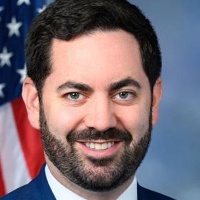
Michael Lawler
Representative
NY
Michael Lawler
Representative
NY
The Fentanyl Kills Act establishes a new federal definition for "trafficked fentanyl," encompassing the manufacture, distribution, and financing of illicit fentanyl and its precursors. Crucially, this bill automatically equates engaging in the defined fentanyl trafficking activities with the crime of attempted murder. This change subjects individuals involved in fentanyl trafficking to the severe penalties associated with attempted murder charges.
This bill prohibits states from conducting more than one congressional redistricting following a decennial census and apportionment, unless mandated by a court.
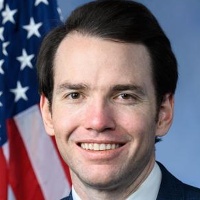
Kevin Kiley
Representative
CA
Kevin Kiley
Representative
CA
This bill aims to establish a firm rule preventing states from conducting more than one congressional redistricting following each decennial census and apportionment. Once a state draws its federal district maps after the census, those maps must remain in place for the entire decade unless a court mandates a redraw due to constitutional or Voting Rights Act violations. This legislation specifically does not alter the process for drawing state or local election districts.
This Act strengthens the Biobased Markets Program to boost domestic biomanufacturing, increase federal procurement of biobased products, and establish clear labeling standards.
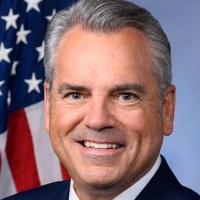
Mark Alford
Representative
MO
Mark Alford
Representative
MO
The Biomanufacturing and Jobs Act of 2025 aims to strengthen the U.S. biobased products industry by increasing federal procurement of these items made from agricultural materials. The bill updates definitions, enhances reporting requirements, and mandates training to ensure federal agencies prioritize purchasing biobased goods. Additionally, it establishes a temporary USDA Task Force to coordinate and improve federal support for research, development, and marketing in this sector. Finally, the Act strengthens labeling rules to prevent the misuse of terms like "biobased" and protects proprietary business information during enforcement.
The Fairness for Khobar Act of 2025 authorizes lump-sum catch-up payments for victims of the 1983 Beirut barracks bombing and 1996 Khobar Towers bombing who missed out on earlier payments due to incorrect Department of Justice guidance.
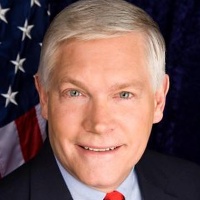
Pete Sessions
Representative
TX
Pete Sessions
Representative
TX
The Fairness for Khobar Act of 2025 ensures that certain victims of the 1983 Beirut barracks bombing and the 1996 Khobar Towers bombing receive overdue lump sum payments. This legislation corrects past injustices where victims were denied payments due to relying on incorrect guidance from the Department of Justice. The Act mandates the Special Master to authorize these catch-up payments using designated reserve funds.
The USTRx Act establishes a Chief Pharmaceutical Trade Negotiator to combat unfair foreign drug pricing practices and ensure high-income countries pay their fair share for U.S.-developed medicines.
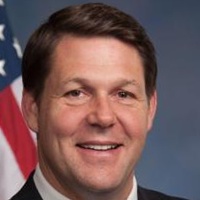
Jodey Arrington
Representative
TX
Jodey Arrington
Representative
TX
The Use Sovereignty To reduce Rx (USTRx) Act establishes a new Chief Pharmaceutical Trade Negotiator within the Office of the United States Trade Representative to combat unfair foreign drug pricing policies. This legislation mandates annual reviews of high-income countries to identify practices that disadvantage U.S. pharmaceutical innovation and requires the development of formal response plans to ensure foreign nations pay their fair share of drug development costs.
This bill establishes the National Biochar Research Network to study the environmental, agricultural, and economic impacts of biochar application across various U.S. conditions.
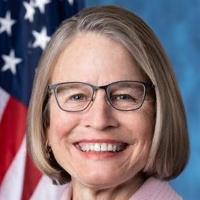
Mariannette Miller-Meeks
Representative
IA
Mariannette Miller-Meeks
Representative
IA
The Biochar Research Network Act of 2025 establishes a National Biochar Research Network, managed by the USDA, to study the real-world effectiveness of biochar across various soils and climates. This network will focus on quantifying carbon sequestration, improving crop production, and developing science-backed guidance for sustainable biochar use. The goal is to provide farmers and land managers with the data needed to boost profits while enhancing soil health and climate resilience.
This bill establishes a federal right for producers to sell covered livestock and their derived products across state lines, preempting state and local regulations on the raising of animals outside their jurisdiction.
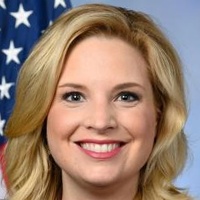
Ashley Hinson
Representative
IA
Ashley Hinson
Representative
IA
The Save Our Bacon Act establishes a federal right for producers to move and sell products derived from covered livestock across state lines, ensuring a single national market. This legislation prevents individual states from imposing unique production standards on livestock or products raised outside their borders. Essentially, it standardizes regulations to ensure free interstate commerce for meat and dairy products, excluding those primarily derived from egg-laying animals.
This Act mandates a review of U.S.-South Africa bilateral relations, requiring presidential certification on whether South Africa's alignment with Russia, China, and Hamas harms U.S. interests, followed by a comprehensive relationship review and a report on sanctionable officials.
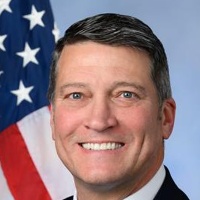
Ronny Jackson
Representative
TX
Ronny Jackson
Representative
TX
The U.S.-South Africa Bilateral Relations Review Act of 2025 mandates the President to formally assess South Africa's foreign policy alignment, particularly concerning its ties with Russia, China, and Hamas. This review requires the President to certify whether South Africa's actions harm U.S. national security interests within 30 days of enactment. Furthermore, the bill requires a comprehensive review of the entire bilateral relationship and a classified report identifying South African officials eligible for sanctions due to corruption or human rights abuses.
This bill establishes a State judicial threat intelligence and resource center to monitor threats, coordinate security, and report on incidents targeting state and local judges and court staff.
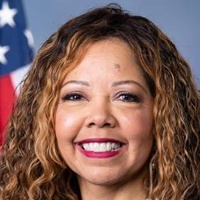
Lucy McBath
Representative
GA
Lucy McBath
Representative
GA
This bill establishes a new State judicial threat intelligence and resource center to enhance the security of state and local judges and court staff. The center will provide training, monitor threats, standardize reporting, and create a national database for incidents against the judiciary. It also requires annual reporting to Congress on the number and severity of threats received.
This Act prohibits the Federal Reserve from directly or indirectly issuing a Central Bank Digital Currency (CBDC) and bars the Fed from developing or using one for monetary policy without explicit Congressional authorization.
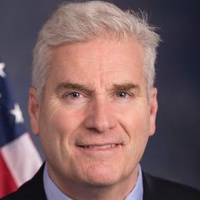
Tom Emmer
Representative
MN
Tom Emmer
Representative
MN
The Anti-CBDC Surveillance State Act strictly prohibits the Federal Reserve from directly or indirectly issuing a Central Bank Digital Currency (CBDC) to individuals. This legislation prevents the Fed from developing, testing, or implementing any digital currency that functions as a direct liability of the Federal Reserve. Furthermore, Congress asserts that any authority to create such a digital asset must explicitly come from Congress itself.
The STEM RESTART Act establishes a grant program to fund "returnships" that help unemployed or underemployed skilled workers re-enter high-demand Science, Technology, Engineering, and Math (STEM) careers.
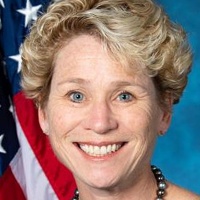
Chrissy Houlahan
Representative
PA
Chrissy Houlahan
Representative
PA
The STEM RESTART Act establishes a new federal grant program to help unemployed or underemployed skilled workers re-enter or transition into high-demand Science, Technology, Engineering, and Math (STEM) careers. These competitive grants fund small and medium-sized businesses to create structured, above-entry-level "returnships" that include on-the-job training and clear paths to full-time employment. The goal is to bridge the gap for experienced workers, particularly those in rural areas, by incentivizing companies to provide meaningful career opportunities.
The DIGNIDAD Act of 2025 comprehensively overhauls U.S. immigration policy by simultaneously increasing border security, establishing new pathways to legal status for certain long-term residents, mandating E-Verify for all employers, and reforming asylum and employment visa processes.
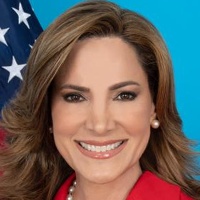
Maria Salazar
Representative
FL
Maria Salazar
Representative
FL
The DIGNIDAD Act of 2025 is a comprehensive bill that significantly overhauls U.S. immigration policy across five major divisions. Division A focuses on aggressive border security enhancements, infrastructure modernization, and increased criminal penalties for immigration offenses, while Division B establishes pathways to legal status for long-term residents who entered as children and creates a temporary protection program for others. Finally, Division C aims to improve legal immigration by reducing green card backlogs, streamlining employment and student visas, and providing new discretionary relief for family separation cases.