This bill prohibits the use of federal funds to support or facilitate Russia’s participation in the G7 or the re-establishment of a G8 that includes Russia.
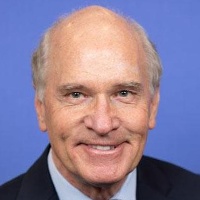
William Keating
Representative
MA-9
This bill establishes a formal U.S. policy to exclude the Russian Federation from the Group of Seven (G7) and opposes the reconstitution of the G8. It prohibits the use of federal funds to support or facilitate Russia’s participation in any G7 proceedings or the re-establishment of a G8 that includes Russia.
No U.S. Funding for Russian G7 Participation: New Bill Blocks Rebuilding the G8
This bill draws a hard line in the sand regarding Russia’s role in global leadership by officially prohibiting the use of federal funds to facilitate their participation in the Group of Seven (G7). The legislation explicitly declares that it is now the policy of the United States to exclude the Russian Federation from this forum and to formally oppose any move to bring back the 'Group of Eight' (G8) format that previously included them. By blocking any appropriated funds from being used to support or facilitate Russian involvement in these proceedings, the bill ensures that U.S. taxpayer dollars cannot be used for the logistics, travel, or administrative support required to bring Russia back to the table.
Locking the Door to the G8
The most immediate impact of this bill is the financial firewall it builds around international summits. Under Section 1, the prohibition on federal funds is absolute, overriding any other existing legal provisions that might have allowed for diplomatic flexibility in the past. For the average person, this means that regardless of who is representing the U.S. at a global summit, they are legally barred from using government resources to help organize a meeting that includes Russia as a member. It effectively turns a diplomatic preference into a strict budget rule, ensuring that the G7 remains a club of seven nations rather than expanding back to eight.
Practical Impacts on Global Diplomacy
While this might feel like high-level chess played in distant capital cities, the 'support or facilitate' clause in Section 1 has real-world teeth for federal agencies. This language is broad enough to cover everything from the State Department’s event planning to the security details and digital infrastructure used during international summits. If a future administration wanted to invite Russia as a guest or permanent member, they would find their hands tied because they couldn't spend a dime of their budget to make it happen. This creates a predictable, stable policy that prevents sudden shifts in international alliances, though it also limits the tools available for diplomatic maneuvering if global circumstances change.
Who This Affects
The primary target here is the Russian Federation, which remains sidelined from one of the world's most influential economic and political circles. For the American public, the bill acts as a safeguard to ensure that national funds are aligned with the stated policy of isolating Russia on the world stage. While it doesn't directly change the price of groceries or your daily commute, it sets a firm boundary on how the U.S. uses its financial influence to shape global governance. The main challenge moving forward will be how 'facilitation' is defined—for example, if a G7 meeting is held in a third-party country that invites Russia, U.S. officials will have to be extremely careful that no American resources accidentally cross the line into supporting that participation.