Legislative Activity
Track Donald's sponsored bills, co-sponsored legislation, and voting record
The Stop the Wait Act of 2025 eliminates the five-month waiting period for Social Security Disability Insurance (SSDI) benefits and removes the 24-month Medicare waiting period for eligible individuals lacking affordable health coverage.
Lloyd Doggett
Representative
TX
Lloyd Doggett
Representative
TX
The Stop the Wait Act of 2025 aims to provide faster financial and medical support to individuals with disabilities by eliminating the five-month waiting period for Social Security Disability Insurance (SSDI) benefits by 2030. Additionally, the bill removes the 24-month Medicare waiting period for SSDI recipients who lack access to affordable health insurance, ensuring they can access necessary medical coverage sooner.
This bill mandates an investigation into the impact of Indo-Pacific trade agreements on U.S. competitiveness and establishes a commission to develop a comprehensive economic strategy to strengthen American leadership in the region.
Carol Miller
Representative
WV
Carol Miller
Representative
WV
The United States Trade Leadership in the Indo-Pacific Act aims to strengthen American economic competitiveness and national security in the Indo-Pacific region. The bill mandates an investigation into how existing regional trade agreements impact U.S. businesses and establishes an independent commission to develop a comprehensive strategy to counter China’s economic influence. This initiative seeks to promote U.S. standards, bolster supply chain resilience, and create new opportunities for American workers.
The Aviation-Impacted Communities Act empowers local communities affected by airport noise and emissions to form oversight boards, access federal mitigation funding, and collaborate with the FAA on tailored noise-reduction strategies.
Adam Smith
Representative
WA
Adam Smith
Representative
WA
The Aviation-Impacted Communities Act empowers communities affected by airport noise and emissions to formally partner with the FAA to assess and mitigate these impacts. The bill establishes a framework for community-led boards to collaborate with federal officials, access new diagnostic tools, and secure dedicated funding for noise mitigation projects. By expanding eligibility beyond current federal thresholds, this legislation ensures that communities experiencing significant aviation disturbances have a direct voice in shaping local flight operations and mitigation strategies.
The Global Health, Empowerment and Rights Act prevents the U.S. government from denying foreign aid to nongovernmental organizations based on the legal health services they provide or the advocacy they conduct using their own private funds.
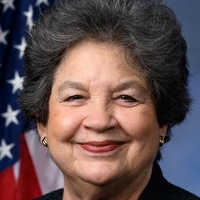
Lois Frankel
Representative
FL
Lois Frankel
Representative
FL
The Global Health, Empowerment and Rights Act prevents the U.S. government from denying foreign aid to nongovernmental organizations based on the legal health services they provide using their own private funds. It ensures that these organizations are not penalized for offering counseling or referrals that comply with local laws. Additionally, the bill prohibits the imposition of restrictive advocacy and lobbying requirements on these groups that exceed those applied to U.S.-based organizations.
This bill recognizes the significant contributions of tax-exempt fraternal benefit societies to communities across the United States through charitable activities, volunteer work, and financial support for their members, and expresses Congressional support for their continued promotion.
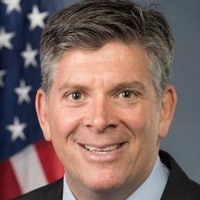
Darin LaHood
Representative
IL
Darin LaHood
Representative
IL
This bill recognizes the significant historical and ongoing contributions of tax-exempt fraternal benefit societies to communities across the United States through charitable activities, volunteer work, and financial support for members. It expresses the sense of Congress that these societies are a valuable support system that addresses unmet needs and generates substantial returns to the U.S. through their tax-exempt status. The bill also advocates for the continued promotion of fraternal benefit societies.
This bill expresses the House of Representatives' desire to keep the United States Postal Service (USPS) as an independent entity within the Federal Government, protecting it from privatization. It emphasizes the USPS's importance to the mailing industry, its role in connecting communities, and the potential negative impacts of privatization on prices, services, and infrastructure.
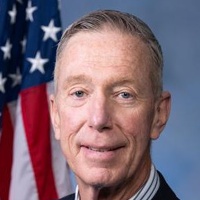
Stephen Lynch
Representative
MA
Stephen Lynch
Representative
MA
This bill expresses the House of Representatives' view that Congress should act to maintain the United States Postal Service (USPS) as an independent entity within the Federal Government. It emphasizes the USPS's role as a self-sustaining service vital to the economy and national connectivity. The resolution discourages privatization, citing concerns about increased costs, reduced services, and damage to critical infrastructure.
Expresses the House of Representatives' disapproval of the President's decision to withdraw the United States from the Paris Agreement, urging the President to reverse his decision and Congress to prioritize climate change leadership.
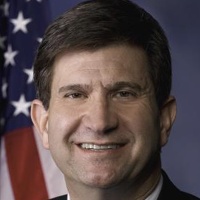
Bradley Schneider
Representative
IL
Bradley Schneider
Representative
IL
This bill expresses the House of Representatives' disapproval of the President's decision to withdraw the United States from the Paris Agreement, recognizing climate change as a threat and highlighting the increasing costs of extreme weather events. It commends entities supporting the Agreement, urges the President to reconsider, and encourages Congress to prioritize U.S. leadership on climate change.
The Wildlife Movement Through Partnerships Act of 2025 establishes grant programs and interagency coordination to conserve, map, and improve habitat connectivity for migratory big game and other native wildlife.
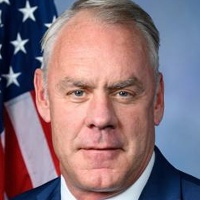
Ryan Zinke
Representative
MT
Ryan Zinke
Representative
MT
The Wildlife Movement Through Partnerships Act of 2025 establishes grant and research programs to improve habitat connectivity and conserve migration corridors for big game and other native wildlife. By fostering collaboration between federal, state, tribal, and private partners, the bill provides funding for voluntary conservation projects and scientific mapping efforts. The legislation ensures these initiatives remain non-regulatory, protecting private property rights and existing land-use authorities while enhancing wildlife movement across the landscape.
The Lady Liberty Act of 2025 establishes a mandatory annual floor of 125,000 refugee admissions starting in fiscal year 2027.

Gerald Connolly
Representative
VA
Gerald Connolly
Representative
VA
The Lady Liberty Act of 2025 establishes a mandatory annual floor for refugee admissions to the United States. Beginning in fiscal year 2027, the legislation requires that at least 125,000 refugees be admitted each year, ensuring this minimum threshold is met regardless of executive action.
This bill prohibits the use of federal funds for a first-use nuclear strike unless Congress has explicitly authorized such action through a declaration of war.
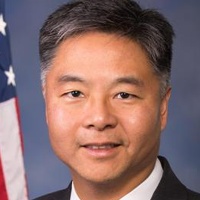
Ted Lieu
Representative
CA
Ted Lieu
Representative
CA
The Restricting First Use of Nuclear Weapons Act of 2025 prohibits the use of federal funds for a first-use nuclear strike unless Congress has explicitly authorized such an action through a declaration of war. This legislation aims to establish a constitutional check on presidential authority by ensuring that the decision to initiate nuclear conflict rests with the people’s representatives. The bill maintains the President's ability to authorize retaliatory nuclear strikes in response to an existing nuclear attack.
This Act permanently protects the Boundary Waters Canoe Area Wilderness by withdrawing over 225,000 acres of federal land in the Rainy River Watershed from future mineral leasing and sulfide-ore mining.
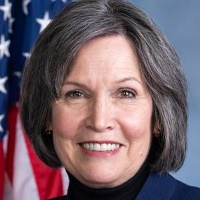
Betty McCollum
Representative
MN
Betty McCollum
Representative
MN
The Boundary Waters Wilderness Protection and Pollution Prevention Act permanently protects over 225,000 acres of federal land and water in Minnesota’s Rainy River Watershed from the risks of sulfide-ore copper mining. By withdrawing these lands from mineral leasing and development, the bill safeguards the region’s pristine water quality, wilderness values, and treaty-protected resources. This legislation ensures the long-term ecological integrity of the Boundary Waters Canoe Area Wilderness and supports the local amenity-based economy.
This bill prohibits discrimination in the Armed Forces by requiring that military service eligibility and personnel policies be based solely on occupational standards rather than race, religion, sex, gender identity, or sexual orientation.
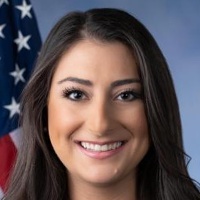
Sara Jacobs
Representative
CA
Sara Jacobs
Representative
CA
The Ensuring Military Readiness Not Discrimination Act mandates that military service eligibility and personnel policies be based solely on an individual's ability to meet occupational standards. It prohibits discrimination within the Armed Forces based on race, color, national origin, religion, or sex, explicitly including gender identity, sexual orientation, and sex characteristics. This legislation ensures equal treatment and opportunity for all service members.
The FAIR Act mandates a 3.3 percent basic pay increase and a 1 percent locality pay adjustment for federal civilian employees in 2026.
Gerald Connolly
Representative
VA
Gerald Connolly
Representative
VA
The FAIR Act (Federal Adjustment of Income Rates Act) proposes a 2026 pay adjustment for federal civilian employees. This legislation mandates a 3.3 percent increase in basic pay for both statutory and prevailing rate employees, alongside a 1 percent increase in locality pay.
The Inaugural Fund Integrity Act establishes stricter donation limits, bans foreign and corporate contributions, and mandates enhanced financial transparency for presidential inaugural committees starting in 2029.
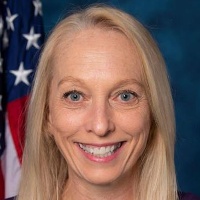
Mary Scanlon
Representative
PA
Mary Scanlon
Representative
PA
The Inaugural Fund Integrity Act establishes stricter oversight for presidential inaugural committees starting in 2029. The bill limits individual donations, prohibits contributions from corporations and foreign nationals, and mandates comprehensive public disclosure of all committee funds and expenditures.
The Saving the Civil Service Act protects the merit-based federal workforce by restricting the ability of agencies to reclassify competitive service positions into the excepted service.
Gerald Connolly
Representative
VA
Gerald Connolly
Representative
VA
The Saving the Civil Service Act protects the merit-based federal workforce by restricting the ability of agencies to reclassify competitive service positions into the excepted service. The bill establishes strict oversight, limits the number of positions that can be transferred, and mandates employee consent for such reclassifications. These measures ensure that federal staffing remains professional and protected from arbitrary political interference.
* **Title I:** Reduces taxes on Taiwanese residents and businesses operating in the U.S., contingent upon Taiwan offering reciprocal benefits to U.S. individuals and companies. * **Title II:** Authorizes the President to negotiate a tax agreement with Taiwan to avoid double taxation, subject to Congressional approval and adherence to U.S. tax laws.
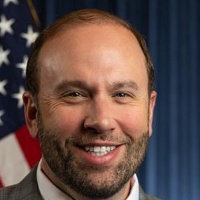
Jason Smith
Representative
MO
Jason Smith
Representative
MO
The United States-Taiwan Expedited Double-Tax Relief Act aims to reduce double taxation and encourage economic activity between the U.S. and Taiwan by lowering tax rates on certain income for Taiwanese residents and businesses in the U.S., contingent upon Taiwan offering reciprocal benefits to U.S. individuals and companies. Additionally, the United States-Taiwan Tax Agreement Authorization Act outlines the process for establishing a tax agreement with Taiwan, ensuring congressional oversight and adherence to existing U.S. tax laws, to further reduce double taxation.
This bill amends the International Emergency Economic Powers Act to prohibit the President from using emergency authorities to impose import duties or quotas.
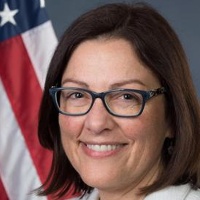
Suzan DelBene
Representative
WA
Suzan DelBene
Representative
WA
The Prevent Tariff Abuse Act amends the International Emergency Economic Powers Act to restrict the President's authority to impose import duties or quotas. This bill clarifies that emergency economic powers do not include the ability to levy trade restrictions on goods entering the United States.
This Act directs the Secretary of the Treasury to mint commemorative coins in 2028 to honor the diverse women who served on the Home Front during World War II, with proceeds supporting the Rosie the Riveter WWII Home Front National Historical Park.
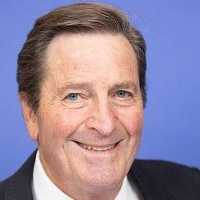
John Garamendi
Representative
CA
John Garamendi
Representative
CA
The Rosie the Riveter Commemorative Coin Act directs the Secretary of the Treasury to mint and issue a series of commemorative coins in 2028 to honor the diverse women who served on the Home Front during World War II. Proceeds from the sale of these coins will support the Rosie the Riveter Trust in its efforts to maintain the Rosie the Riveter/WWII Home Front National Historical Park and fund educational programs. This initiative ensures the legacy of these essential workers is preserved and recognized through a national numismatic program.
The End Oil and Gas Tax Subsidies Act of 2025 eliminates various tax breaks, deductions, and accounting advantages for the oil and gas industry to increase federal revenue and modernize tax policy.
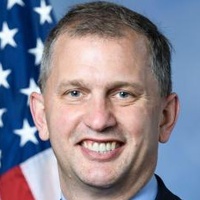
Sean Casten
Representative
IL
Sean Casten
Representative
IL
The End Oil and Gas Tax Subsidies Act of 2025 seeks to eliminate various tax preferences and accounting benefits currently available to the oil and gas industry. The bill repeals several deductions, credits, and accounting methods—such as percentage depletion and intangible drilling cost deductions—to increase tax revenue from fossil fuel producers. These changes are designed to align the tax treatment of oil and gas activities more closely with other business sectors starting in 2025.
The TRUST in Congress Act requires Members of Congress, their spouses, and their dependent children to place certain investment assets into qualified blind trusts to prevent conflicts of interest.
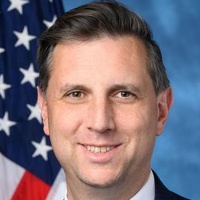
Seth Magaziner
Representative
RI
Seth Magaziner
Representative
RI
The TRUST in Congress Act requires Members of Congress, their spouses, and their dependent children to place covered financial investments into qualified blind trusts to prevent conflicts of interest. The bill establishes strict deadlines for asset transfers and mandates public certification of compliance. These measures ensure that lawmakers cannot influence or benefit from their personal investments while serving in office.