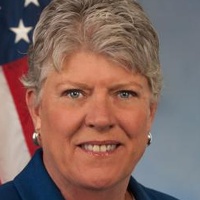
Legislative Activity
Track Julia's sponsored bills, co-sponsored legislation, and voting record
The Direct File Act of 2026 establishes a permanent, free, government-owned online tax filing system within the IRS while prohibiting agreements that restrict the government from providing tax preparation services.
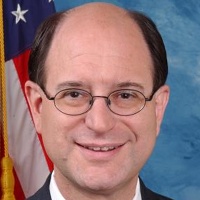
Brad Sherman
Representative
CA
Brad Sherman
Representative
CA
The Direct File Act of 2026 establishes a permanent, free, government-owned online tax filing system within the IRS, ensuring taxpayers have a simplified and accessible way to file their returns. The bill prohibits the Treasury from entering into agreements that restrict the government's ability to provide these services and mandates the integration of state tax filing options. Additionally, it streamlines the tax process by setting new filing deadlines for employer information returns to improve efficiency for all taxpayers.
This bill mandates that the Bureau of Prisons employ obstetrician-gynecologists at facilities with female prisoners to ensure comprehensive gynecological, prenatal, and postpartum care.
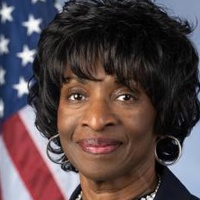
Valerie Foushee
Representative
NC
Valerie Foushee
Representative
NC
The Ensuring OBGYN Care in Prisons Act mandates that the Bureau of Prisons employ full-time obstetrician-gynecologists at all facilities housing female prisoners. This bill ensures comprehensive gynecological, prenatal, and postpartum care, including required initial visits within 14 days of incarceration. Furthermore, it establishes patient protections like informed consent and the right to refuse non-emergency care. The Bureau of Prisons must also submit annual reports detailing staffing, services provided, and pregnancy outcomes.
The African American History Act of 2026 authorizes the National Museum of African American History and Culture to develop and support educational programs, resources, and curricula to enhance the teaching of African American history nationwide.
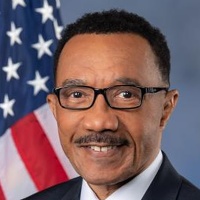
Kweisi Mfume
Representative
MD
Kweisi Mfume
Representative
MD
The African American History Act of 2026 authorizes the National Museum of African American History and Culture to develop and expand educational resources, curricula, and digital programming for students and educators nationwide. By providing $10 million in annual funding through 2030, the Act aims to promote a deeper understanding of African American history through a social justice and anti-bias lens. Additionally, the legislation encourages the development of similar educational initiatives across other Smithsonian museums dedicated to diverse American histories.
This resolution designates Black History Month 2026, honors the contributions of Black Americans through the "Unsung Souls" and "Righteous Intercessors" recognitions, and affirms the importance of a complete national narrative.

Al Green
Representative
TX
Al Green
Representative
TX
This resolution officially recognizes Black History Month and adopts "A Century of Black History Commemorations" as the theme for 2026. It honors the contributions of Black Americans by establishing categories for "Unsung Souls" and "Righteous Intercessors." Ultimately, the bill affirms that Black history commemorations are essential for a complete national narrative and inspiring future progress toward liberty and justice for all.
The Iran Human Rights, Internet Freedom, and Accountability Act of 2026 aims to support the Iranian people by expanding internet access, strengthening sanctions against regime officials, and establishing a Treasury initiative to combat Iranian government corruption and kleptocracy.
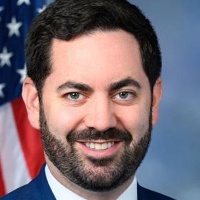
Michael Lawler
Representative
NY
Michael Lawler
Representative
NY
The Iran Human Rights, Internet Freedom, and Accountability Act of 2026 aims to support the Iranian people by expanding access to uncensored internet and communication technologies. The bill strengthens U.S. policy against regime repression by mandating investigations into human rights abuses and establishing a new Treasury initiative to combat corruption and money laundering by Iranian officials. Additionally, it enhances congressional oversight of sanctions and promotes independent media to counter state-sponsored censorship.
This bill establishes a federal process for Extreme Risk Protection Orders, creates a grant program to incentivize states to adopt similar laws, and mandates the recognition of such orders across state lines.
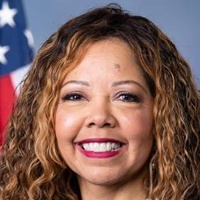
Lucy McBath
Representative
GA
Lucy McBath
Representative
GA
The Federal Extreme Risk Protection Order Act of 2026 establishes a federal process for issuing Extreme Risk Protection Orders (ERPOs) that temporarily prohibit individuals deemed a danger from possessing firearms. The bill allows family members or law enforcement to petition federal courts for temporary or long-term orders based on evidence of imminent risk of harm. Furthermore, it creates a federal grant program to incentivize and support states and tribes in implementing their own qualifying ERPO laws. Finally, it mandates that individuals subject to these federal orders surrender their firearms and ensures these orders are recognized across state lines.
The **BE HEARD in the Workplace Act** comprehensively overhauls federal workplace protections by strengthening anti-discrimination laws, phasing out the tipped minimum wage, expanding worker rights against silencing agreements, and establishing new federal grant programs for prevention and legal aid.
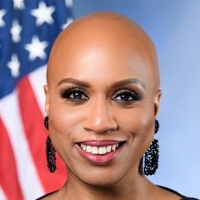
Ayanna Pressley
Representative
MA
Ayanna Pressley
Representative
MA
The **BE HEARD in the Workplace Act** comprehensively reforms workplace protections by mandating new anti-discrimination policies and training, while strengthening federal laws to explicitly protect LGBTQ+ individuals and expand filing deadlines for all workers. The bill also phases out the lower federal minimum wage for tipped employees and restricts employers' use of mandatory arbitration and non-disclosure agreements. Finally, it establishes federal grant programs to fund education, legal assistance, and state-level advocacy systems to combat workplace discrimination.
The Healthy Families Act establishes a national standard requiring most employers to provide employees with earned paid sick leave for personal or family health needs and related safety issues.

Rosa DeLauro
Representative
CT
Rosa DeLauro
Representative
CT
The Healthy Families Act establishes a national standard requiring most employers to provide employees with earned paid sick leave. Employees will accrue a minimum of one hour of paid time for every 30 hours worked, usable for personal or family health needs, domestic violence, sexual assault, or stalking. The Act prohibits employer retaliation for using this leave and ensures existing, more generous leave policies are not diminished.
The SAFE Act mandates a GAO study on "chameleon carriers" and requires the FMCSA to develop an advanced automated tool to detect them during the DOT registration process.
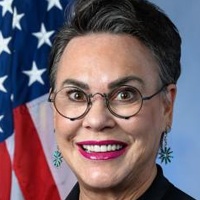
Harriet Hageman
Representative
WY
Harriet Hageman
Representative
WY
The Safety and Accountability in Freight Enforcement (SAFE) Act aims to combat "chameleon carriers" who evade safety regulations and enforcement actions. It mandates a GAO study on the prevalence and impact of these carriers and requires the FMCSA to develop an advanced automated tool to detect them during the DOT registration process. The bill ensures human oversight remains in final registration decisions and establishes reporting requirements on the tool's effectiveness.
This bill establishes a comprehensive Transgender Bill of Rights to codify and protect the rights of transgender and nonbinary people across healthcare, employment, legal recognition, and safety.

Pramila Jayapal
Representative
WA
Pramila Jayapal
Representative
WA
This resolution establishes a comprehensive Transgender Bill of Rights to codify and protect the rights of transgender and nonbinary people across the United States. It mandates federal action to ensure equal access to healthcare, employment, housing, legal recognition, and safety. The bill aims to eliminate discrimination and affirm bodily autonomy by amending existing federal civil rights laws.
This bill authorizes the minting of special $2.50 commemorative coins for the 250th anniversary of the Declaration of Independence and mandates a study on the feasibility of issuing a $2.50 coin for general circulation.
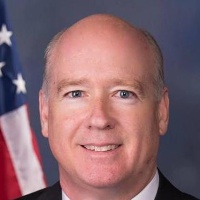
Robert Aderholt
Representative
AL
Robert Aderholt
Representative
AL
This act establishes the "$2.50 for America's 250th Act" to commemorate the 250th anniversary of the Declaration of Independence. It authorizes the Treasury to mint and issue special commemorative gold, silver, and clad $2.50 coins featuring designs from the 1926 Sesquicentennial coin. Additionally, the bill mandates a study on the feasibility of minting and issuing a $2.50 coin for wide circulation.
This act exempts recipients of the Purple Heart or Medal of Honor from paying U.S. passport fees.
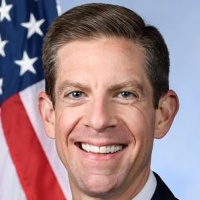
Mike Levin
Representative
CA
Mike Levin
Representative
CA
This bill, the "Passports for Purple Hearts and Medals of Honor Act," exempts recipients of the Purple Heart and Medal of Honor from paying standard U.S. passport fees. It directs the State Department to coordinate with the Department of Defense to establish verification procedures for these eligible applicants.
The Drain ICE Act of 2026 seeks to repeal specific sections of a previous law and rescind related funding, citing concerns over the Trump Administration's immigration enforcement practices, detention conditions, and resource allocation.
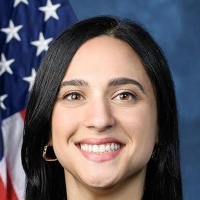
Yassamin Ansari
Representative
AZ
Yassamin Ansari
Representative
AZ
The Drain ICE Act of 2026 aims to fundamentally reform immigration enforcement by repealing specific sections of a prior law (Public Law 11921) and rescinding associated funding. This legislation is introduced in response to Congressional findings detailing concerns over mass deportation policies, inhumane detention conditions, and the detention of non-criminal individuals under the Trump Administration. The bill seeks to end practices deemed contrary to constitutional protections and human rights in immigration enforcement.
This bill mandates a Congressional Budget Office study on the long-term economic and societal impacts of immigration policies implemented starting in 2025.
Yassamin Ansari
Representative
AZ
Yassamin Ansari
Representative
AZ
This act mandates the Congressional Budget Office, in collaboration with the Council of Economic Advisers, to conduct a comprehensive study on the long-term economic impacts of potential mass deportation policies enacted after January 20, 2025. The study will analyze effects on industries, public safety, GDP, tax revenue, and more over a 20 to 40-year period. Relevant federal agencies are required to provide necessary data to complete this analysis.
This Act establishes minimum humane standards for ICE detention facilities, mandates public reporting and real-time health tracking systems, and strengthens oversight to ensure detainee welfare.
Yassamin Ansari
Representative
AZ
Yassamin Ansari
Representative
AZ
The Stop Inhumane Conditions in ICE Detention Act of 2026 mandates minimum health, safety, and legal standards for all ICE detention facilities, prohibiting funding for non-compliant sites. It establishes rigorous, real-time health reporting systems and requires unannounced inspections with penalties, including contract termination, for facilities that fail to meet these standards. Furthermore, the bill creates anonymous complaint channels and mandates annual audits focusing on gender-related health protections.
The Rebuild America’s Schools Act of 2026 establishes federal grant and bond programs to provide billions of dollars for the long-term improvement, modernization, and repair of public school facilities, prioritizing health, safety, and environmental conditions in high-need districts.
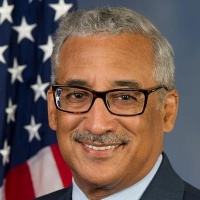
Robert Scott
Representative
VA
Robert Scott
Representative
VA
The **Rebuild America’s Schools Act of 2026** establishes major federal funding streams, including grants and tax-credit bonds, to modernize and repair public school facilities nationwide from 2027 through 2031. The legislation prioritizes districts with the greatest need, focusing on improving student health, safety, and environmental conditions in school buildings. It also mandates increased transparency through public databases tracking facility conditions and requires specific labor and "Buy America" standards for funded construction projects.
The Whale CHARTS Act of 2026 expands federal efforts to map, monitor, and mitigate risks to migratory whales and other large cetaceans through new data collection, technology grants, and near real-time tracking programs.

Doris Matsui
Representative
CA
Doris Matsui
Representative
CA
The Whale CHARTS Act of 2026 expands federal efforts to protect migratory whales and other large cetaceans. This legislation mandates the creation of high-accuracy distribution maps for whale habitats and funds research into understudied species. It also establishes a competitive grant program to develop and deploy technologies that reduce harmful interactions between whales and ocean users, such as vessel strikes.
This bill establishes mandatory minimum humanitarian standards for health screening, water, sanitation, food, and shelter for all individuals in ICE and CBP custody.
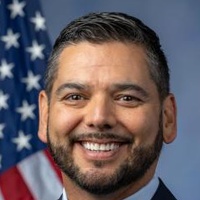
Raul Ruiz
Representative
CA
Raul Ruiz
Representative
CA
The Humanitarian Standards for Individuals in ICE and CBP Custody Act establishes minimum standards for health screening, nutrition, sanitation, and shelter for individuals detained by ICE and CBP. This bill mandates specific protocols for medical care, facility conditions, and personnel training to ensure humane treatment. It also requires regular inspections and public reporting on compliance and sexual abuse complaints.
This bill establishes a civil remedy allowing individuals to sue the U.S. government for constitutional rights violations committed by ICE or CBP officers.
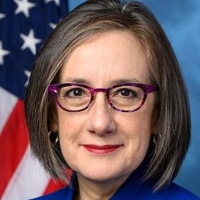
Andrea Salinas
Representative
OR
Andrea Salinas
Representative
OR
The ICE and CBP Constitutional Accountability Act establishes a civil remedy allowing individuals to sue the U.S. government for constitutional rights violations committed by ICE or CBP officers. This bill holds the government financially liable for unlawful enforcement actions, even if they contradict official policy. It specifically waives sovereign immunity for these claims and permits plaintiffs to seek punitive damages.
This bill establishes new structures within the Financial Stability Oversight Council and mandates updated guidance for banking regulators and the Federal Insurance Office to assess and mitigate climate-related financial risks across the U.S. financial system.
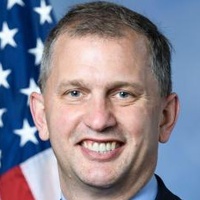
Sean Casten
Representative
IL
Sean Casten
Representative
IL
The Addressing Climate Financial Risk Act of 2026 establishes new structures within the Financial Stability Oversight Council to identify and mitigate climate-related risks to the U.S. financial system. It mandates updated supervisory guidance for large financial institutions and requires comprehensive annual reports assessing these risks. Furthermore, the bill directs the Federal Insurance Office to report on climate risks in the insurance sector and collect detailed homeowners insurance data.