Legislative Activity
Track Joyce's sponsored bills, co-sponsored legislation, and voting record
This bill mandates the revision of the Standard Occupational Classification system to establish a distinct code for Direct Support Professionals to better recognize their critical role in supporting individuals with disabilities.
Brian Fitzpatrick
Representative
PA
Brian Fitzpatrick
Representative
PA
The Recognizing the Role of Direct Support Professionals Act aims to address the critical shortage and high turnover among Direct Support Professionals (DSPs) who assist individuals with intellectual and developmental disabilities. The bill mandates that the Office of Management and Budget review and revise the Standard Occupational Classification system to establish a distinct code for DSPs. This change will allow for more accurate labor market data collection to better support these essential workers. The Act does not authorize any new funding.
This Act establishes an interagency task force to combat foreign robocalls, modifies FCC review frequency, introduces a bond requirement for the Robocall Mitigation Database, and grants immunity for private efforts to trace unlawful robocall origins.
Addison McDowell
Representative
NC
Addison McDowell
Representative
NC
The Foreign Robocall Elimination Act establishes an interagency taskforce to study and recommend strategies for combating unlawful robocalls originating from outside the United States. It also grants the FCC authority to require providers to post a bond to ensure integrity in the Robocall Mitigation Database. Furthermore, the bill provides legal immunity for private consortiums tracing the origin of these illegal calls and allows for the publication of non-cooperative providers.
This bill repeals recent changes to Medicaid eligibility redetermination procedures, restoring prior law.
Rick Larsen
Representative
WA
Rick Larsen
Representative
WA
The Patients Over Paperwork Act of 2025 aims to streamline healthcare by repealing recent changes to Medicaid eligibility redeterminations. This action effectively restores prior regulations concerning how beneficiaries' eligibility is reviewed. The bill focuses on reducing administrative burdens to prioritize patient care.
The EXPERTS Act of 2025 aims to reform federal rulemaking by increasing transparency around submitted studies, establishing new disclosure requirements for conflicts of interest, streamlining agency review timelines, and creating an Office of the Public Advocate focused on social equity.
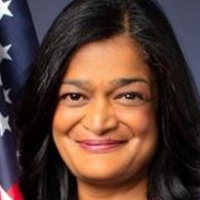
Pramila Jayapal
Representative
WA
Pramila Jayapal
Representative
WA
The EXPERTS Act of 2025 aims to enhance transparency and accountability in the federal rulemaking process. It introduces new disclosure requirements for studies submitted during public comment periods and mandates greater public awareness of agency actions. Furthermore, the bill establishes the Office of the Public Advocate to improve public involvement and explicitly requires agencies to consider social equity in their cost-benefit analyses. Finally, it streamlines the Office of Information and Regulatory Affairs (OIRA) review timeline and clarifies judicial review standards for agency interpretations.
This act repeals specific sections of a prior reconciliation act to restore previous laws affecting American families and farmers.
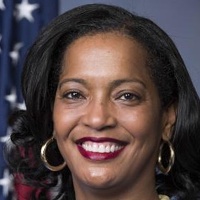
Jahana Hayes
Representative
CT
Jahana Hayes
Representative
CT
The Restoring Food Security for American Families and Farmers Act of 2025 aims to strengthen domestic food security by repealing specific sections of a prior reconciliation act. This action effectively revives the original laws that were previously amended by the repealed provisions. The bill seeks to revert existing agricultural and food-related statutes to their pre-amendment status.
This bill establishes a permanent Special Envoy for the Human Rights of LGBTQI+ Peoples within the Department of State to advance U.S. policy countering global criminalization, violence, and discrimination against LGBTQI+ individuals.
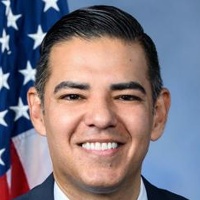
Robert Garcia
Representative
CA
Robert Garcia
Representative
CA
This bill, the International Human Rights Defense Act of 2025, establishes a permanent Special Envoy for the Human Rights of LGBTQI+ Peoples within the Department of State. It codifies U.S. policy to actively combat international criminalization, violence, and discrimination against LGBTQI+ individuals worldwide. The legislation also mandates enhanced reporting on these abuses in annual human rights reports and authorizes assistance to support related protection efforts abroad.
This Act establishes strict standards, training, and reporting requirements for federal immigration enforcement personnel regarding the use of force, identification, and equipment.
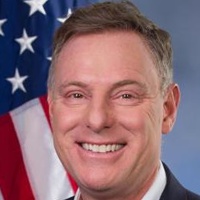
Scott Peters
Representative
CA
Scott Peters
Representative
CA
The Stop Excessive Force in Immigration Act of 2025 establishes strict new standards for the use of non-deadly force by federal immigration personnel, requiring proportionality and de-escalation efforts. The bill mandates identification requirements, restricts the use of certain crowd-control equipment, and imposes new body camera and detailed reporting mandates. Furthermore, it creates affirmative duties for officers to intervene against excessive force and requires annual training on these new policies.
This bill prohibits the Secretary of Health and Human Services from implementing the Wasteful and Inappropriate Services Reduction (WISeR) Model under Medicare.
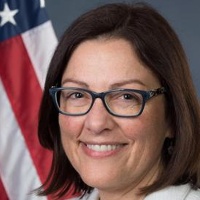
Suzan DelBene
Representative
WA
Suzan DelBene
Representative
WA
The Seniors Deserve SMARTER Care Act of 2025 prohibits the Secretary of Health and Human Services from implementing the Wasteful and Inappropriate Services Reduction (WISeR) Model under Medicare. This legislation specifically blocks the implementation of the prior authorization requirements associated with the WISeR Model. The goal is to prevent the adoption of this particular payment and service delivery model.
This Act extends the 2026 health insurance open enrollment period for exchanges from November 1, 2025, to May 1, 2026.
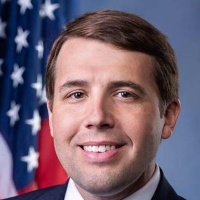
Chris Pappas
Representative
NH
Chris Pappas
Representative
NH
The Right to Enroll Act of 2025 extends the annual open enrollment period for health insurance exchanges specifically for the 2026 plan year. This legislation mandates that the open enrollment period will run from November 1, 2025, through May 1, 2026.
This Act ensures uninterrupted funding and operation for the SNAP and WIC programs through fiscal year 2026, even if appropriations for the Department of Agriculture are delayed.
Jahana Hayes
Representative
CT
Jahana Hayes
Representative
CT
The Keep SNAP and WIC Funded Act of 2025 ensures that the Supplemental Nutrition Assistance Program (SNAP) and the Special Supplemental Nutrition Program for Women, Infants, and Children (WIC) continue to operate without interruption in fiscal year 2026 if standard appropriations are delayed. If funding lapses, the Secretary of Agriculture is authorized to use funds from the Treasury to provide benefits and reimburse state agencies. This special funding remains in effect until full appropriations are enacted or until September 30, 2026.
This Act increases investment limits for financial institutions to promote community welfare.
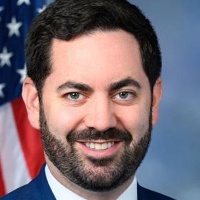
Michael Lawler
Representative
NY
Michael Lawler
Representative
NY
The Community Investment and Prosperity Act aims to boost community welfare by increasing existing investment limits for financial institutions. Specifically, this legislation raises the statutory investment cap from 15% to 20% within relevant sections of the Revised Statutes and the Federal Reserve Act. This adjustment is intended to encourage greater investment activity.
This resolution urges the USDA to use its contingency funds and interchange authority to ensure continued funding for the Supplemental Nutrition Assistance Program (SNAP), especially during potential government shutdowns.
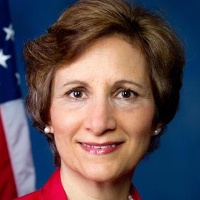
Suzanne Bonamici
Representative
OR
Suzanne Bonamici
Representative
OR
This resolution expresses the sense of the House that the Department of Agriculture should utilize its existing contingency funds and interchange authority to ensure the Supplemental Nutrition Assistance Program (SNAP) remains fully funded. The bill specifically urges the administration to immediately use these resources to finance SNAP operations, particularly during potential government funding lapses. This action is deemed crucial to support millions of vulnerable Americans, including children, seniors, and veterans, who rely on these benefits.
This resolution supports the goals of National Domestic Violence Awareness Month, highlights the pervasive and devastating impact of intimate partner violence across all demographics, and calls for increased funding for prevention and support programs.

Al Green
Representative
TX
Al Green
Representative
TX
This resolution designates October as National Domestic Violence Awareness Month to highlight the widespread and devastating impact of intimate partner violence across all demographics. It recognizes the urgent need to eliminate domestic violence and supports increased funding for intervention and prevention programs. The resolution underscores the severe physical, emotional, and economic toll this abuse takes on individuals, families, and communities.
This resolution commemorates October 2025 as Head Start Awareness Month, recognizing the program's six-decade history of positively impacting over 40 million children and their families through comprehensive support services.

André Carson
Representative
IN
André Carson
Representative
IN
This joint resolution commemorates October 2025 as Head Start Awareness Month to recognize the program's enduring positive impact. It honors Head Start's 60-year legacy of preparing over 40 million children and their families for success through comprehensive health, nutrition, and educational support. The resolution highlights the program's role in promoting long-term academic achievement and empowering parents.
The IDEA Act of 2025 establishes a grant program to provide $1 million annually for five years to business accelerator entities that directly support established minority-owned businesses with capital, networking, and other assistance.
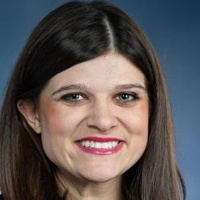
Haley Stevens
Representative
MI
Haley Stevens
Representative
MI
The IDEA Act of 2025 establishes a new grant program to boost entrepreneurship opportunities for minority-owned businesses (MBEs). This program will award \$1 million annually for five years to approved "business accelerator entities." These entities must use the funds to provide capital, networking, and direct assistance to established MBEs within specific high-performing regions. The bill includes strict accountability measures and penalties for the misuse of federal funds.
This bill requires executive agencies to provide detailed annual reports on their advertising contract expenditures, specifically tracking spending with small, socially and economically disadvantaged, women-owned, and minority-owned businesses.

Eleanor Norton
Representative
DC
Eleanor Norton
Representative
DC
The Federal Government Advertising Equity Accountability Act mandates that executive agencies provide detailed breakdowns of their advertising contract expenditures in their annual budget requests, starting with fiscal year 2027. This new reporting requirement forces agencies to specify total advertising spending alongside amounts directed toward small, socially and economically disadvantaged, women-owned, and minority-owned businesses. The goal is to increase transparency regarding federal advertising investments and equity in contract awards.
This act ensures that state and local funds used to keep Head Start and Early Head Start programs running during a federal government shutdown are fully reimbursed.

Maxine Waters
Representative
CA
Maxine Waters
Representative
CA
The Head Start Shutdown Protection Act of 2025 ensures that states, local governments, or school districts are reimbursed for any of their own funds used to keep Head Start and Early Head Start programs operational during a lapse in federal appropriations. This legislation protects these vital early childhood education services from disruption caused by government shutdowns. By guaranteeing reimbursement, the Act encourages local entities to maintain program continuity without bearing the financial burden.
This act allows new buyers to assume existing Section 502 rural home loans, releasing the original borrower from all future debt obligations.

Jim Costa
Representative
CA
Jim Costa
Representative
CA
The Rural Homeownership Continuity Act of 2025 allows current homeowners with Section 502 guaranteed loans to transfer their existing mortgage to a qualified new buyer upon selling their property. This provision releases the original borrower from all future liability for the loan upon successful assumption by the new owner. The Secretary is authorized to establish rules for these transfers, including potential fees for loan servicing.
This Act mandates that all states must operate the WIC program and guarantees necessary funding through permanent appropriation starting in fiscal year 2026.
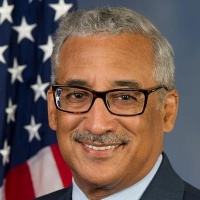
Robert Scott
Representative
VA
Robert Scott
Representative
VA
The WIC Benefits Protection Act mandates that all states must operate the Special Supplemental Nutrition Program for Women, Infants, and Children (WIC). This legislation also guarantees permanent, mandatory funding for WIC starting in fiscal year 2026, ensuring the program has the necessary resources annually. Furthermore, it clarifies eligibility language within the program's governing statute.
The School Food Modernization Act provides federal loan guarantees, grants, and training to upgrade school food facilities and improve staff skills for serving healthier meals.
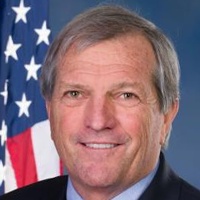
Mark DeSaulnier
Representative
CA
Mark DeSaulnier
Representative
CA
The School Food Modernization Act aims to improve school meal programs by providing financial assistance for facility upgrades and equipment purchases through loan guarantees and grants. It also establishes a new grant program to fund third-party training for school food service staff on nutrition standards and efficiency. Finally, the bill requires reports to Congress on program implementation and a study on how states use administrative funds for workforce training.