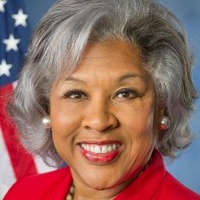
Legislative Activity
Track Joyce's sponsored bills, co-sponsored legislation, and voting record
The CEDS Act requires comprehensive economic development strategies to include plans for increasing access to affordable, quality care services, such as child care and elder care.
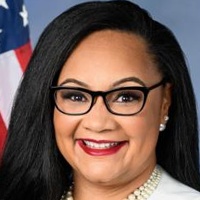
Nikema Williams
Representative
GA
Nikema Williams
Representative
GA
The Care is an Economic Development Strategy (CEDS) Act mandates that regional economic development plans incorporate strategies to increase access to affordable, quality care services. By integrating child care, early childhood education, disability support, and elder care into economic planning, the bill aims to strengthen the workforce and local economies. The Secretary of Commerce will provide implementation guidance to ensure these essential services are prioritized in future development strategies.
The Protect American Values Act prohibits the use of federal funds to implement or enforce the Department of Homeland Security’s "Public Charge Ground of Inadmissibility" rule.
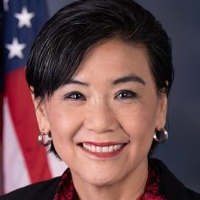
Judy Chu
Representative
CA
Judy Chu
Representative
CA
The Protect American Values Act seeks to block the implementation and enforcement of the Department of Homeland Security’s "Public Charge Ground of Inadmissibility" rule. The bill asserts that this policy harms immigrant families and local economies by restricting access to essential food, housing, and medical care. Consequently, it prohibits the use of federal funds to carry out or administer the rule.
The Right to IVF Act of 2026 establishes a nationwide right to fertility care, mandates comprehensive insurance coverage for reproductive services, and expands access to fertility treatments for veterans and federal employees.
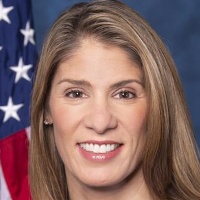
Lori Trahan
Representative
MA
Lori Trahan
Representative
MA
The Right to IVF Act of 2026 establishes a nationwide statutory right to access assisted reproductive technology (ART) and intrauterine insemination (IUI) while prohibiting states from imposing restrictive barriers. The bill further expands family-building support by mandating comprehensive fertility coverage across private insurance, Medicare, Medicaid, and federal employee health plans. Additionally, it guarantees expanded access to fertility services and preservation for military service members and veterans.
This bill reauthorizes the Accelerating Access to Critical Therapies for ALS Act through 2031 while enhancing grant oversight, safety reporting requirements, and FDA strategic planning for rare neurodegenerative diseases.

Mike Quigley
Representative
IL
Mike Quigley
Representative
IL
The Accelerating Access to Critical Therapies for ALS Reauthorization Act of 2026 extends vital funding for ALS research and clinical trial programs through 2031. This legislation strengthens oversight by enhancing grant review processes, improving safety reporting requirements, and mandating a comprehensive five-year FDA action plan to accelerate the development of treatments for rare neurodegenerative diseases.
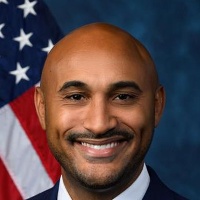
The Tuskegee Airmen Memorial Act of 2026 authorizes the establishment of a privately funded commemorative work in Washington, D.C., to honor the Tuskegee Airmen of World War II.
Shomari Figures
Representative
AL
Shomari Figures
Representative
AL
The Tuskegee Airmen Memorial Act of 2026 authorizes Tuskegee Airmen, Inc. to establish a commemorative work on federal land in Washington, D.C., to honor the original Tuskegee Airmen of World War II. The project will be funded entirely through private donations, with no federal funds permitted for its construction or maintenance.
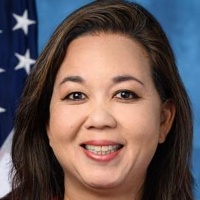
This bill officially renames the U.S. Postal Service facility in Wai'anae, Hawai'i, as the "U.S. Representative Colleen Hanabusa Post Office Building."
Jill Tokuda
Representative
HI
Jill Tokuda
Representative
HI
This bill officially renames the United States Postal Service facility located at 86-014 Farrington Highway in Wai'anae, Hawai'i. The building will now be known as the "U.S. Representative Colleen Hanabusa Post Office Building." This designation applies to all official records and references to the facility.
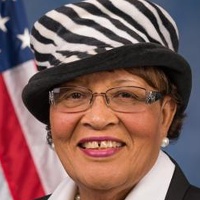
This resolution recognizes July 21, 2026, as Black Women’s Equal Pay Day to raise awareness of the persistent wage gap and reaffirm the commitment to achieving pay equity.
Alma Adams
Representative
NC
Alma Adams
Representative
NC
This resolution recognizes July 21, 2026, as Black Women’s Equal Pay Day to highlight the persistent and significant wage gap between Black women and white, non-Hispanic men. It calls attention to the systemic racial and gender-based barriers contributing to this disparity and reaffirms a commitment to achieving true pay equity.
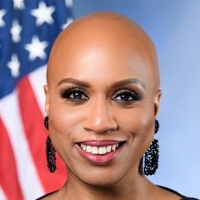
The Justice for Incarcerated Moms Act aims to improve maternal health outcomes for incarcerated individuals by prohibiting the shackling of pregnant prisoners and establishing federal and state programs to provide comprehensive prenatal and postpartum care.
Ayanna Pressley
Representative
MA
Ayanna Pressley
Representative
MA
The Justice for Incarcerated Moms Act aims to improve maternal health outcomes and reduce disparities for pregnant and postpartum individuals in the criminal justice system. The bill mandates the end of shackling for pregnant individuals in federal and state facilities and establishes comprehensive model programs to provide prenatal and postpartum care. Additionally, it creates a grant program for state and local facilities to improve maternal health services and requires a federal report to identify and address systemic barriers to care.
Tyler's Law mandates a study and subsequent guidance on the routine testing for fentanyl in hospital emergency departments during overdose treatment.
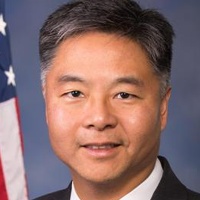
Ted Lieu
Representative
CA
Ted Lieu
Representative
CA
Tyler's Law mandates a comprehensive study by the Secretary of Health and Human Services on the frequency, cost, and impact of fentanyl testing in hospital emergency departments during overdose cases. Following the study, the Secretary must issue guidance on whether routine fentanyl testing should become standard practice for overdose patients. This guidance will also address staff training regarding existing drug test panels and the long-term health implications of such testing.
This bill mandates electronic prior authorization, increases transparency through required data reporting, and establishes faster decision timelines for Medicare Advantage plans to improve timely access to care for seniors.
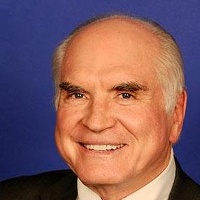
Mike Kelly
Representative
PA
Mike Kelly
Representative
PA
The Improving Seniors’ Timely Access to Care Act of 2025 aims to streamline and modernize the prior authorization process within Medicare Advantage plans. This bill mandates the adoption of electronic prior authorization systems and significantly increases transparency regarding approval rates and decision times starting in 2027. Furthermore, it establishes new enrollee protections and grants the Secretary authority to enforce faster decision timeframes for medical services.
This bill designates the United States Postal Service facility located at 201 East Grant Avenue in Georgetown, Ohio, as the "Ulysses S. Grant Post Office Building."
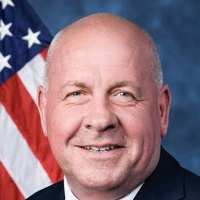
David Taylor
Representative
OH
David Taylor
Representative
OH
This bill officially designates the United States Postal Service facility located at 201 East Grant Avenue in Georgetown, Ohio, as the "Ulysses S. Grant Post Office Building." All future official references to this facility will reflect this new name.
This resolution designates July 10th as Journeyman Lineworkers Recognition Day to honor the essential service and sacrifices of the professionals who maintain our nation’s power grid.
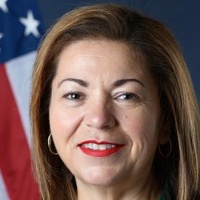
Linda Sánchez
Representative
CA
Linda Sánchez
Representative
CA
This resolution designates July 10th as Journeyman Lineworkers Recognition Day to honor the essential, high-risk work performed by these skilled professionals. It pays tribute to the lineworkers who provide critical service during emergencies and recognizes those who have made the ultimate sacrifice in the line of duty.
The **21st Century ROAD to Housing Act** aims to significantly increase housing supply and affordability through regulatory reforms, new financing tools, increased transparency, and restrictions on large institutional home purchases.

J. Hill
Representative
AR
J. Hill
Representative
AR
The **21st Century ROAD to Housing Act** is a comprehensive bill designed to significantly increase housing supply, improve affordability, and modernize federal housing programs. It tackles issues from streamlining construction regulations and incentivizing local zoning reform to restricting large corporate home purchases and enhancing financing for manufactured homes. Ultimately, the Act aims to create more pathways to homeownership and ensure safer, more stable rental conditions across the country.
This bill prohibits data brokers from selling or transferring sensitive health and location data, granting enforcement power to the FTC, state attorneys general, and private citizens.
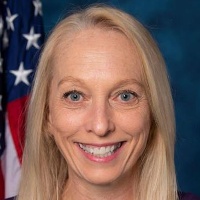
Mary Scanlon
Representative
PA
Mary Scanlon
Representative
PA
This bill, the Health and Location Data Protection Act of 2026, prohibits data brokers from selling or transferring sensitive health and location data about individuals. It grants enforcement authority to the Federal Trade Commission (FTC), state attorneys general, and private citizens. The FTC is tasked with issuing necessary regulations to implement these protections.
This bill directs the presentation of Congressional Gold Medals to the Artemis II crew members in recognition of their historic mission beyond low Earth orbit.
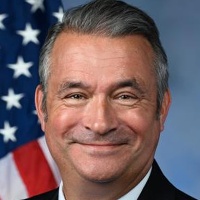
Don Bacon
Representative
NE
Don Bacon
Representative
NE
This bill directs the presentation of Congressional Gold Medals to the crew of the Artemis II mission to recognize their historic achievements in returning humans beyond low Earth orbit. The medals will honor the crew's role in setting new space exploration records and paving the way for future lunar and Mars missions. The Secretary of the Treasury is authorized to strike these medals and produce bronze duplicates for sale.
This resolution urges Congress to take immediate action to restore and strengthen voting rights protections and consider structural reforms to the Senate and Supreme Court to safeguard American democracy.
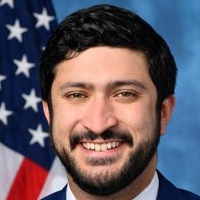
Gregorio Casar
Representative
TX
Gregorio Casar
Representative
TX
This resolution expresses the House's urgent call for Congress to restore and strengthen civil rights and fair political representation for all Americans. It specifically condemns recent Supreme Court decisions that have weakened the Voting Rights Act and enabled partisan gerrymandering. The bill asserts that Congress must act boldly, including considering Senate and Supreme Court reforms, to protect multiracial democracy.
This bill restricts federal agencies from relocating to states with restrictive abortion laws, provides travel allowances and administrative leave for employees seeking out-of-state reproductive care, and protects employees' privacy regarding such care in security clearance and personnel decisions.
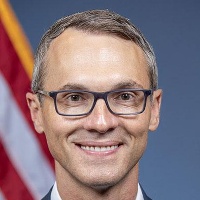
James Walkinshaw
Representative
VA
James Walkinshaw
Representative
VA
The Federal Workforce Reproductive Rights Protection Act restricts federal agencies from relocating operations to states with restrictive abortion laws. It also provides federal employees with travel allowances and administrative leave to access out-of-state reproductive healthcare services. Furthermore, the bill prohibits using reproductive health decisions as a factor in security clearance determinations or other personnel actions.
This bill renames and revises the Great American Outdoors Act's maintenance fund, increases dedicated funding through new, higher fees for foreign visitors, and sets spending priorities for deferred maintenance across public lands agencies.
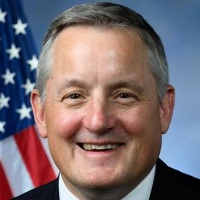
Bruce Westerman
Representative
AR
Bruce Westerman
Representative
AR
This bill, the Great American Outdoors Act 250, significantly reforms and renames the existing public lands restoration fund to the America’s Legacy Restoration Fund. It secures dedicated funding streams, primarily from energy revenues and new fees on foreign visitors, to address critical deferred maintenance across the National Park Service, Forest Service, and other public land agencies. The legislation establishes strict spending priorities for infrastructure repair while also creating pilot programs for enhancing outdoor recreation and sportsmen's access. Finally, it mandates increased transparency and accountability through standardized metrics and public reporting on all funded projects.
This bill commemorates the 50th anniversary of women enrolling in U.S. military service academies and honors their distinguished contributions to national service.
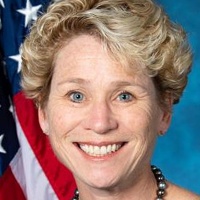
Chrissy Houlahan
Representative
PA
Chrissy Houlahan
Representative
PA
This resolution commemorates the 50th anniversary of women enrolling in U.S. military service academies, recognizing their significant growth and distinguished achievements since 1976. It honors the thousands of women graduates who have served with distinction across all branches of the armed forces and in national service. The bill also expresses support for designating a "50 Years of Women at the Service Academies Day."
This act doubles the maximum Pell Grant award, makes funding mandatory, extends eligibility to Dreamer students, restores previous eligibility limits, and reforms Satisfactory Academic Progress rules.
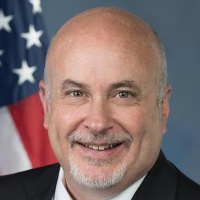
Mark Pocan
Representative
WI
Mark Pocan
Representative
WI
The Pell Grant Preservation and Expansion Act of 2026 aims to significantly strengthen federal student aid by doubling the maximum Pell Grant award and funding it through mandatory appropriations. This bill also expands eligibility to include Dreamer students, restores Pell Grant eligibility for students with certain scholarships, and reforms Satisfactory Academic Progress (SAP) rules to make regaining aid easier after academic setbacks. These changes are designed to stabilize and expand access to postsecondary education for millions of students.