This bill enhances financial stability research and oversight by granting the Director of the Office of Financial Research independent control over its budget and staffing, and by establishing minimum staffing and funding levels for the Financial Stability Oversight Council (FSOC).
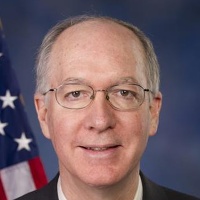
Bill Foster
Representative
IL-11
This bill, the Enhancing Financial Stability Research and Oversight Act, aims to strengthen the independence of the Office of Financial Research (OFR) by granting its Director sole control over the office's budget and staffing, with guaranteed minimum funding levels. It also establishes minimum staffing and funding requirements for the Financial Stability Oversight Council (FSOC). The legislation specifically protects the OFR's funding from Congressional appropriations review and Treasury influence.
New Bill Boosts Financial Watchdog Budgets, Limits Congressional Oversight
Alright, let's talk about some behind-the-scenes financial stuff that could actually impact how much transparency we get from our financial watchdogs. This bill, dubbed the "Enhancing Financial Stability Research and Oversight Act," is all about giving more independence and guaranteed funding to two key players: the Office of Financial Research (OFR) and the Financial Stability Oversight Council (FSOC).
More Cash, Less Talk for Financial Research
First up, the Office of Financial Research. This is the agency tasked with spotting big risks in the financial system before they blow up. Currently, their budget and staffing plans get a once-over from the Chairperson of the Financial Stability Oversight Council. This bill? It scraps that requirement entirely. The Director of the OFR would get sole discretion over their annual budget, which, by the way, couldn't be less than $124,627,000. That minimum amount would also get a yearly bump based on inflation, specifically the employment cost index for state and local government workers. On top of that, the OFR would need to maintain at least 231 full-time equivalent positions. So, more money, more people, and the Director calls all the shots on how it's spent and who's hired.
Now, here's the kicker: this funding, as determined by the OFR Director, would not be subject to review by the House and Senate Appropriations Committees. And the Secretary of the Treasury? They'd be explicitly barred from influencing the OFR's budget or staffing. Think about it like giving your company's R&D department a blank check and telling the board they can't even ask how it's being spent. For those of us who like to know where our tax dollars go, this is a pretty big change in oversight.
FSOC Gets a Guaranteed Slice of the Pie
Then there's the Financial Stability Oversight Council (FSOC). These are the folks who bring together regulators from across the financial world to keep an eye on systemic risks. This bill ensures they get a minimum of 48 full-time equivalent positions. To pay for this, the OFR would be required to transfer at least $15,287,000 to the FSOC each year, also adjusted annually for inflation. So, while the OFR gets more independence, it also gets the responsibility of funding the FSOC's baseline operations.
What This Means for You and Me
On one hand, the idea is that giving these agencies more independence and guaranteed funding will help them do their jobs better, without political interference. If the OFR can conduct its research without worrying about budget battles or political pressure, maybe they'll be even better at spotting the next financial crisis. That sounds good, right? A more stable financial system benefits everyone, from the small business owner trying to get a loan to the worker saving for retirement.
But here's where the rubber meets the road: when you take away congressional review and consultation requirements, you're essentially reducing accountability. For someone working hard and paying taxes, the idea that a significant chunk of change—over $124 million annually, plus inflation—can be spent by a government agency without the usual checks and balances from elected representatives might raise an eyebrow. It's like giving someone a car with a full tank of gas and telling them to drive wherever they want, no questions asked. While they might get to their destination faster, we lose the ability to ask if they're taking the most efficient or appropriate route.
This bill is a bit of a double-edged sword: it aims to strengthen financial oversight by making these agencies more autonomous, but it also dials back the traditional mechanisms of public and congressional accountability. It's a trade-off that's worth paying attention to, especially for those of us who believe that transparency is key to good governance, even in the complex world of financial regulation.