Legislative Activity
Track Sanford's sponsored bills, co-sponsored legislation, and voting record
This act establishes a 25 basis point discount on mortgage insurance premiums for first-time homebuyers who complete a certified financial literacy housing counseling program before applying for a loan or signing a sales agreement.
Joyce Beatty
Representative
OH
Joyce Beatty
Representative
OH
The Housing Financial Literacy Act of 2025 incentivizes first-time homebuyers to complete financial literacy housing counseling programs. By completing the required counseling before applying for a loan or signing a sales agreement, eligible homebuyers will receive a 25 basis point discount on their mortgage insurance premium payments. This act aims to promote financial preparedness among new homeowners.
This bill directs the Department of Defense to establish a pilot program partnering basic needs banks with military installations to provide essential diapers and diapering supplies to military families.

Valerie Foushee
Representative
NC
Valerie Foushee
Representative
NC
This bill directs the Secretary of Defense to establish a pilot program creating partnerships between military installations and qualified basic needs banks. The goal of this program is to provide essential diapers and diapering supplies to military families in need. The Secretary must also seek collaboration with the National Diaper Bank Network for technical assistance and program evaluation.
This Act establishes grant programs and student loan repayment to increase the number of mental health service providers working in low-income schools.
Judy Chu
Representative
CA
Judy Chu
Representative
CA
The Increasing Access to Mental Health in Schools Act establishes grant programs to build pipelines that train and place more mental health providers in low-income schools. It also creates a student loan repayment program for providers who commit to working in these underserved districts for five years. The bill aims to improve student support ratios by increasing the number of school counselors, psychologists, and social workers in high-need areas. Finally, it mandates a study to develop future criteria for identifying areas with mental health provider shortages.
This resolution supports the goals of National Rural Health Day by recognizing the vital role of rural communities and committing to policies that improve rural healthcare access and affordability.
Diana Harshbarger
Representative
TN
Diana Harshbarger
Representative
TN
This resolution officially recognizes and supports the goals of National Rural Health Day to honor the vital role of rural communities and their healthcare providers. It acknowledges the unique challenges faced by rural residents, such as limited access to care and hospital closures. The bill expresses a commitment to advancing policies that improve the accessibility and affordability of healthcare in rural America.
This bill amends the Revised Statutes to redefine the scope of civil actions that can be brought against individuals acting under the authority of the United States.

Henry Johnson
Representative
GA
Henry Johnson
Representative
GA
The Bivens Act of 2025 amends existing law to redefine the scope of civil actions that can be brought against individuals acting under federal authority. This legislation specifically revises Section 1979 of the Revised Statutes concerning such lawsuits. The core change narrows the focus of these civil actions to exclusively target persons acting under the authority of the United States.
This act repeals specific sections of a prior reconciliation act to restore previous laws affecting American families and farmers.
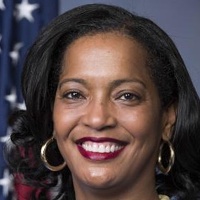
Jahana Hayes
Representative
CT
Jahana Hayes
Representative
CT
The Restoring Food Security for American Families and Farmers Act of 2025 aims to strengthen domestic food security by repealing specific sections of a prior reconciliation act. This action effectively revives the original laws that were previously amended by the repealed provisions. The bill seeks to revert existing agricultural and food-related statutes to their pre-amendment status.
This bill establishes a permanent Special Envoy for the Human Rights of LGBTQI+ Peoples within the Department of State to advance U.S. policy countering global criminalization, violence, and discrimination against LGBTQI+ individuals.
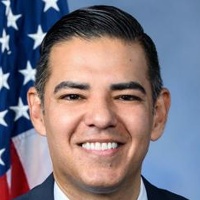
Robert Garcia
Representative
CA
Robert Garcia
Representative
CA
This bill, the International Human Rights Defense Act of 2025, establishes a permanent Special Envoy for the Human Rights of LGBTQI+ Peoples within the Department of State. It codifies U.S. policy to actively combat international criminalization, violence, and discrimination against LGBTQI+ individuals worldwide. The legislation also mandates enhanced reporting on these abuses in annual human rights reports and authorizes assistance to support related protection efforts abroad.
This resolution expresses Congress's strong support for the enduring strategic partnership between the United States and India, emphasizing shared democratic values, defense cooperation, and mutual interests in the Indo-Pacific.
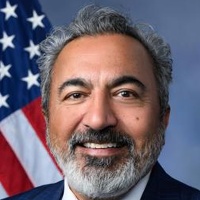
Ami Bera
Representative
CA
Ami Bera
Representative
CA
This resolution expresses the sense of Congress recognizing the strategic value of the long-standing partnership between the United States and India, founded on shared democratic values and mutual interests. It highlights the deep cooperation across defense, technology, counterterrorism, and economic ties. The bill encourages the expansion of this relationship to ensure a free and open Indo-Pacific.
This Act grants Department of Veterans Affairs employees the right to have a representative present during examinations that could lead to disciplinary action, if requested.
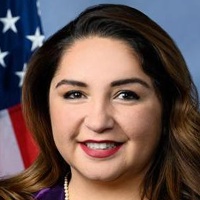
Delia Ramirez
Representative
IL
Delia Ramirez
Representative
IL
The Right to Representation for Department of Veterans Affairs Workers Act of 2025 grants eligible VA employees the right to have a representative present during any examination that they believe could lead to disciplinary action. This representation must be requested by the employee and will occur during duty time if applicable. The bill specifically defines which VA employees are covered by this new right.
This bill affirms existing VA collective bargaining agreements and nullifies specific Executive Orders related to Federal labor-management relations within the Department of Veterans Affairs.
Delia Ramirez
Representative
IL
Delia Ramirez
Representative
IL
The VA Care and Benefits Accountability Act ensures that existing collective bargaining agreements within the Department of Veterans Affairs remain in effect until their specified end dates. Furthermore, this bill nullifies Executive Orders 14251 and 14343, preventing their enforcement or implementation within the VA. This action solidifies current labor agreements for VA employees.
This Act ensures uninterrupted funding and operation for the SNAP and WIC programs through fiscal year 2026, even if appropriations for the Department of Agriculture are delayed.
Jahana Hayes
Representative
CT
Jahana Hayes
Representative
CT
The Keep SNAP and WIC Funded Act of 2025 ensures that the Supplemental Nutrition Assistance Program (SNAP) and the Special Supplemental Nutrition Program for Women, Infants, and Children (WIC) continue to operate without interruption in fiscal year 2026 if standard appropriations are delayed. If funding lapses, the Secretary of Agriculture is authorized to use funds from the Treasury to provide benefits and reimburse state agencies. This special funding remains in effect until full appropriations are enacted or until September 30, 2026.
This resolution honors the service and sacrifice of America's veterans and reaffirms the nation's commitment to supporting them and their families.
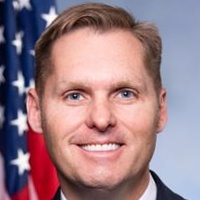
Michael Guest
Representative
MS
Michael Guest
Representative
MS
This resolution honors the service and sacrifice of America's veterans on Veterans Day, 2025, recognizing the history of the observance from Armistice Day. It affirms the nation's deep commitment to supporting the over 15 million veterans and their families. The resolution calls upon the public to observe Veterans Day and ensure veterans continue to receive the services they deserve.
This resolution expresses support for National Adoption Day and Month by promoting awareness, celebrating adoption, and encouraging the nation to secure safety and well-being for all children awaiting families.
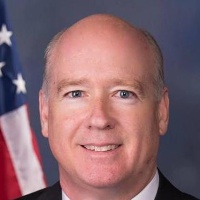
Robert Aderholt
Representative
AL
Robert Aderholt
Representative
AL
This resolution expresses support for National Adoption Day and Month by promoting national awareness of adoption and the children awaiting permanent families. It highlights the significant number of children in foster care waiting for adoption and encourages all Americans to consider providing a safe, permanent, and well-being-focused home for these children. The resolution supports various avenues for achieving permanency, including reunification, kinship care, and adoption.
This resolution urges the USDA to use its contingency funds and interchange authority to ensure continued funding for the Supplemental Nutrition Assistance Program (SNAP), especially during potential government shutdowns.
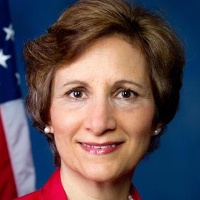
Suzanne Bonamici
Representative
OR
Suzanne Bonamici
Representative
OR
This resolution expresses the sense of the House that the Department of Agriculture should utilize its existing contingency funds and interchange authority to ensure the Supplemental Nutrition Assistance Program (SNAP) remains fully funded. The bill specifically urges the administration to immediately use these resources to finance SNAP operations, particularly during potential government funding lapses. This action is deemed crucial to support millions of vulnerable Americans, including children, seniors, and veterans, who rely on these benefits.
The Births in Custody Reporting Act of 2025 mandates that states receiving federal funds report detailed, anonymized data on pregnant and postpartum inmates to the Attorney General to improve care and public safety.
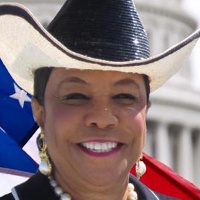
Frederica Wilson
Representative
FL
Frederica Wilson
Representative
FL
The Births in Custody Reporting Act of 2025 mandates that states receiving federal funding must quarterly report detailed, anonymized data to the Attorney General regarding pregnant individuals and those who have given birth in state or local custody. This data includes pregnancy testing, prenatal care, birth outcomes, and the use of restraints during these periods. States failing to comply face potential reductions in federal funding, and the Attorney General must make all reports public and conduct a study on improving inmate care.
This resolution commemorates October 2025 as Head Start Awareness Month, recognizing the program's six-decade history of positively impacting over 40 million children and their families through comprehensive support services.

André Carson
Representative
IN
André Carson
Representative
IN
This joint resolution commemorates October 2025 as Head Start Awareness Month to recognize the program's enduring positive impact. It honors Head Start's 60-year legacy of preparing over 40 million children and their families for success through comprehensive health, nutrition, and educational support. The resolution highlights the program's role in promoting long-term academic achievement and empowering parents.
This resolution supports the goals of National Domestic Violence Awareness Month, highlights the pervasive and devastating impact of intimate partner violence across all demographics, and calls for increased funding for prevention and support programs.

Al Green
Representative
TX
Al Green
Representative
TX
This resolution designates October as National Domestic Violence Awareness Month to highlight the widespread and devastating impact of intimate partner violence across all demographics. It recognizes the urgent need to eliminate domestic violence and supports increased funding for intervention and prevention programs. The resolution underscores the severe physical, emotional, and economic toll this abuse takes on individuals, families, and communities.
This resolution expresses Congressional support for designating the week of October 19 through 25, 2025, as National Chemistry Week to promote public understanding and appreciation of chemistry's role in daily life and STEM education.

John Moolenaar
Representative
MI
John Moolenaar
Representative
MI
This resolution expresses the official support of Congress for designating the week of October 19 through 25, 2025, as "National Chemistry Week." It recognizes the vital role chemistry plays in daily life, innovation, and economic growth. The bill specifically encourages public education about chemistry and promotes STEM career paths for students, particularly those from underrepresented groups.
This act ensures that state and local funds used to keep Head Start and Early Head Start programs running during a federal government shutdown are fully reimbursed.

Maxine Waters
Representative
CA
Maxine Waters
Representative
CA
The Head Start Shutdown Protection Act of 2025 ensures that states, local governments, or school districts are reimbursed for any of their own funds used to keep Head Start and Early Head Start programs operational during a lapse in federal appropriations. This legislation protects these vital early childhood education services from disruption caused by government shutdowns. By guaranteeing reimbursement, the Act encourages local entities to maintain program continuity without bearing the financial burden.
This Act mandates that all states must operate the WIC program and guarantees necessary funding through permanent appropriation starting in fiscal year 2026.
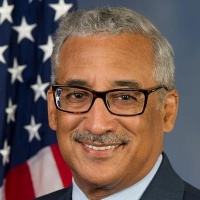
Robert Scott
Representative
VA
Robert Scott
Representative
VA
The WIC Benefits Protection Act mandates that all states must operate the Special Supplemental Nutrition Program for Women, Infants, and Children (WIC). This legislation also guarantees permanent, mandatory funding for WIC starting in fiscal year 2026, ensuring the program has the necessary resources annually. Furthermore, it clarifies eligibility language within the program's governing statute.