Legislative Activity
Track Sanford's sponsored bills, co-sponsored legislation, and voting record
This bill mandates the Secretary of State to resume all State Department demining and unexploded ordnance clearing programs halted by Executive Order 14169.
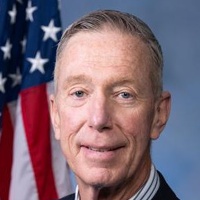
Stephen Lynch
Representative
MA
Stephen Lynch
Representative
MA
The Global Demining Protection Act mandates the Secretary of State to promptly resume all Department of State programs related to demining, clearing unexploded ordnance, and destroying small arms. This resumption is in accordance with the activities authorized by Executive Order 14169, section 3(e). The aim of the act is to restart global demining efforts.
The Investing in Rural America Act of 2025 expands Farm Credit System institutions' ability to finance essential community facilities in rural areas, fostering partnerships with local lenders and increasing transparency through public reporting.
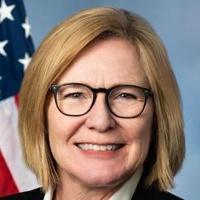
Michelle Fischbach
Representative
MN
Michelle Fischbach
Representative
MN
The Investing in Rural America Act of 2025 amends the Farm Credit Act of 1971, enabling Farm Credit System institutions to finance essential community facilities in rural areas, with a limit of 15% of their total outstanding loans. These institutions must offer participation in financing to other domestic lenders, especially community banks, and report these offers to the Farm Credit Administration. The Farm Credit Administration will then provide an annual report to Congress on these activities. This amendment aims to support rural development by leveraging the resources of the Farm Credit System.
The "All Access Act of 2025" grants Members of Congress access to any public building during regular hours with their official ID and requires advance notice for access outside of those hours.
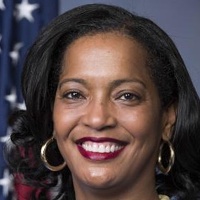
Jahana Hayes
Representative
CT
Jahana Hayes
Representative
CT
The "All Access Act of 2025" ensures Members of Congress can access any public building during regular hours by showing their official ID. Access outside of normal business hours requires a 12-hour advance notice to the building head. This act defines "Member of Congress" as a Representative or Senator.
This Act allows schools participating in the National School Lunch Program to offer organic or non-organic whole milk alongside other options, while clarifying saturated fat accounting and restricting milk sourcing from China state-owned enterprises.
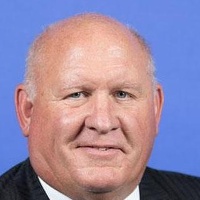
Glenn Thompson
Representative
PA
Glenn Thompson
Representative
PA
The Whole Milk for Healthy Kids Act of 2025 expands milk options available to students in the National School Lunch Program by allowing schools to offer organic or non-organic whole milk. This legislation provides greater flexibility for schools in providing fluid milk choices while maintaining accommodations for students with special dietary needs. Importantly, the saturated fat content of these offered milk options will not count toward the meal's overall saturated fat limits.
This bill provides additional funding for scholarships to students at 1890 institutions, including both bachelor's and graduate programs, with mandatory funding starting in 2025.
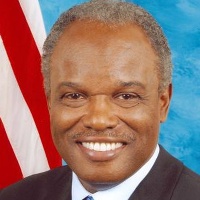
David Scott
Representative
GA
David Scott
Representative
GA
This bill amends the National Agricultural Research, Extension, and Teaching Policy Act of 1977 to expand scholarship opportunities at 1890 institutions to both bachelor's and graduate students. It provides mandatory funding of $15 million per fiscal year, starting in 2025, through the Commodity Credit Corporation, and makes discretionary funding available from fiscal year 2020 onward. The scholarships will be available each academic year that funding is available.
The Rural Obstetrics Readiness Act aims to improve maternal health care in rural areas by establishing training programs, providing grant funding for equipment and supplies, creating a teleconsultation pilot program, and studying obstetric units in rural areas.
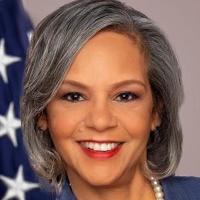
Robin Kelly
Representative
IL
Robin Kelly
Representative
IL
The Rural Obstetrics Readiness Act aims to improve maternal health outcomes in rural areas by establishing programs to train healthcare providers in obstetric emergency care, provide funding for necessary equipment and workforce development, implement teleconsultation programs, and study the challenges facing rural obstetric units. The Act authorizes grants for training, equipment, and telehealth programs, and requires a study on rural maternity ward closures and patient transport patterns.
The PREEMIE Reauthorization Act of 2025 extends funding for research and programs aimed at preventing premature births and improving the health outcomes of preterm infants, while also mandating a comprehensive study on preterm birth in the U.S.
Robin Kelly
Representative
IL
Robin Kelly
Representative
IL
The "PREEMIE Reauthorization Act of 2025" extends funding for research on preterm births and infant care through 2029. It directs the Department of Health and Human Services to establish an interagency working group to address premature birth issues and mandates a comprehensive study by the National Academies of Sciences, Engineering, and Medicine on preterm births, including cost analysis, risk factor identification, and best practices for prevention and treatment. A report on the study's findings must be submitted to Congress and the Secretary of Health and Human Services within 24 months.
The Freight RAILCAR Act of 2025 incentivizes freight railcar modernization by establishing a tax credit for qualified newly built replacement railcars and qualified railcar modernization expenditures.
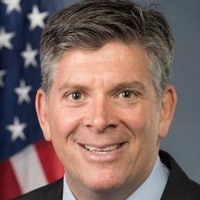
Darin LaHood
Representative
IL
Darin LaHood
Representative
IL
The "Freight RAILCAR Act of 2025" introduces a tax credit for modernizing freight railcars, encouraging investments in newer, more efficient railcars. Taxpayers can claim a credit equal to 10% of their freight railcar fleet modernization expenses, with a limit of 1,000 qualified freight railcars per year. The credit applies to railcars that increase capacity, improve fuel efficiency, or meet updated performance standards, and is available for three years after the Act's enactment. The Secretary of the Treasury is required to submit a report to Congress detailing the credit's usage and impact on railcar modernization and scrapping.
This bill creates a 20-year demonstration project waiving certain Social Security disability benefit rules for blind Americans to encourage their return to work.
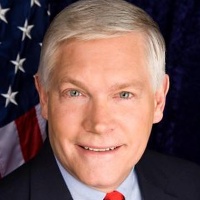
Pete Sessions
Representative
TX
Pete Sessions
Representative
TX
The Blind Americans Return to Work Act of 2025 initiates a 20-year demonstration project aimed at helping blind Americans receiving Social Security disability benefits return to work. For the first 10 years, eligibility for benefits will be determined without considering substantial gainful activity, and benefits will be reduced based on earnings above a set amount, incentivizing employment without immediate loss of support. The project waives certain benefit requirements to facilitate successful employment, with participants having the option to opt out after the initial 10-year period. This act aims to support blind individuals in their transition back to the workforce while maintaining a safety net.
The "Freedom to Invest in Tomorrow's Workforce Act" expands the use of 529 savings accounts to cover expenses related to postsecondary credentialing programs, including tuition, fees, books, supplies, equipment, and testing fees.

Robert Wittman
Representative
VA
Robert Wittman
Representative
VA
The "Freedom to Invest in Tomorrow's Workforce Act" amends Section 529 savings accounts to include expenses related to postsecondary credentialing programs. This allows 529 funds to cover costs like tuition, fees, books, supplies, and testing fees for recognized programs and credentials, as defined by the bill. These changes would apply to distributions made after the bill is enacted.
This resolution designates February 5, 2025, as "Scouting America Day" to honor the organization's 115th anniversary and its enduring commitment to youth development and community service.
Glenn Thompson
Representative
PA
Glenn Thompson
Representative
PA
This resolution designates February 5, 2025, as "Scouting America Day" to celebrate the organization’s 115th anniversary. It honors Scouting America’s long-standing commitment to fostering character, leadership, and service among American youth. The bill also recognizes the significant contributions of the millions of youth participants and adult volunteers who support the organization’s mission nationwide.
This bill incentivizes land conservation for military readiness by excluding gains from the sale of property to qualified organizations for Readiness and Environmental Protection Integration (REPI) purposes from gross income.
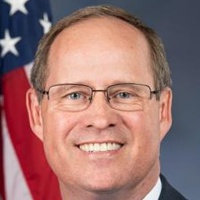
Gregory Murphy
Representative
NC
Gregory Murphy
Representative
NC
This bill, called the "Incentivizing Readiness and Environmental Protection Integration Sales Act of 2025," allows taxpayers to exclude gains from their gross income when selling real property interests to qualified organizations for Readiness and Environmental Protection Integration (REPI) program purposes. The exclusion does not apply to sales by pass-through entities within three years of acquisition, with an exception for family-owned entities. This exclusion encourages land conservation and military readiness. It applies to taxable years beginning after the bill's enactment.
The Educators Expense Deduction Modernization Act of 2025 increases the annual tax deduction for eligible educator classroom expenses from $250 to $1,000.
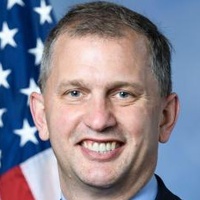
Sean Casten
Representative
IL
Sean Casten
Representative
IL
The Educators Expense Deduction Modernization Act of 2025 seeks to provide greater financial relief to teachers by increasing the annual tax deduction for out-of-pocket classroom expenses from $250 to $1,000. This legislation also updates the deduction's eligibility language and establishes a new inflation adjustment mechanism to ensure the benefit keeps pace with future costs.
The Protect Our Letter Carriers Act of 2025 authorizes $7 billion to upgrade postal security infrastructure while mandating dedicated federal prosecutors for postal crimes and increasing sentencing guidelines for assaults against postal employees.
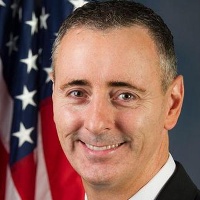
Brian Fitzpatrick
Representative
PA
Brian Fitzpatrick
Representative
PA
The Protect Our Letter Carriers Act of 2025 aims to enhance the safety of postal workers by funding high-security infrastructure upgrades, including electronic mailbox keys. The bill also mandates the appointment of dedicated federal prosecutors for postal crimes in every judicial district and requires stricter sentencing guidelines for those who assault or rob postal employees.
The CLEAR Act amends Title 5 of the United States Code, Section 552(f)(1), to include any entity established under Section 3161 within the scope of the Freedom of Information Act (FOIA).
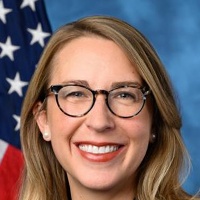
Hillary Scholten
Representative
MI
Hillary Scholten
Representative
MI
The CLEAR Act amends the Freedom of Information Act (FOIA) to include entities established under Section 3161, ensuring their records are accessible to the public. This change applies to all FOIA requests made after the Act's enactment, regardless of when the records were created.
The "Protecting Sensitive Locations Act" restricts immigration enforcement actions at sensitive locations like schools and places of worship, requiring discretion and oversight.
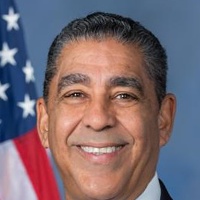
Adriano Espaillat
Representative
NY
Adriano Espaillat
Representative
NY
The "Protecting Sensitive Locations Act" amends the Immigration and Nationality Act to restrict immigration enforcement actions within 1,000 feet of sensitive locations like schools, hospitals, and places of worship, except in exigent circumstances. It mandates training, reporting, and oversight for enforcement activities near these locations, and invalidates evidence obtained in violation of the Act. The Act aims to ensure discretion and limit enforcement impact on sensitive community spaces, while also requiring annual reports to Congress on enforcement actions taken in sensitive locations.
The "Taxpayer Data Protection Act" limits access to the Treasury Department's payment systems to authorized personnel and requires investigation and reporting of unauthorized access.
Haley Stevens
Representative
MI
Haley Stevens
Representative
MI
The Taxpayer Data Protection Act limits access to the Treasury Department's payment systems to Treasury employees or contractors with satisfactory performance reviews and security clearances. It sets specific criteria for individuals accessing the system, including conflict of interest restrictions, training, and ethics agreements. The Act also mandates the Treasury Department's Inspector General to investigate and report to Congress on any unauthorized system use.
Permanently extends the New Markets Tax Credit, provides inflation adjustments, and includes it for alternative minimum tax relief.
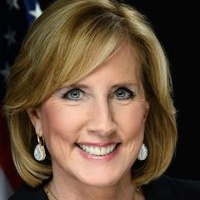
Claudia Tenney
Representative
NY
Claudia Tenney
Representative
NY
The New Markets Tax Credit Extension Act of 2025 permanently extends the New Markets Tax Credit, which incentivizes investment in low-income communities. It removes the credit's expiration date and adjusts the credit amount for inflation after 2025. The act also provides alternative minimum tax relief for qualified equity investments made after December 31, 2024.
This resolution expresses the House of Representatives' formal disapproval of granting pardons to individuals convicted of assaulting Capitol Police officers.
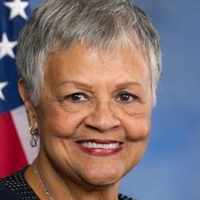
Bonnie Watson Coleman
Representative
NJ
Bonnie Watson Coleman
Representative
NJ
This resolution expresses the formal disapproval of the House of Representatives regarding the granting of pardons to individuals convicted of assaulting Capitol Police officers. It serves as a clear statement of opposition toward clemency for those who committed violent acts against law enforcement during the attack on the U.S. Capitol.
The BADGES for Native Communities Act aims to improve public safety in Indian country by addressing data gaps in missing persons cases, enhancing law enforcement staffing and resources, and streamlining background checks for tribal law enforcement.
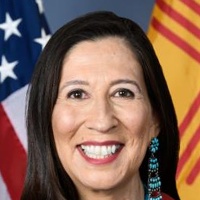
Teresa Leger Fernandez
Representative
NM
Teresa Leger Fernandez
Representative
NM
The **BADGES for Native Communities Act** aims to improve public safety and justice in Indian country by addressing critical data gaps and resource shortages. The bill establishes a Tribal facilitator for missing persons cases, mandates comprehensive reporting on law enforcement staffing needs, and creates a grant program to improve coordination in investigations. Additionally, it streamlines background checks for Bureau of Indian Affairs law enforcement and provides enhanced mental health resources for officers serving Native communities.