Legislative Activity
Track Yassamin's sponsored bills, co-sponsored legislation, and voting record
This resolution supports the designation of July as Uterine Fibroids Awareness Month to highlight the commonality, disproportionate impact, and need for increased research and treatment options for uterine fibroids.
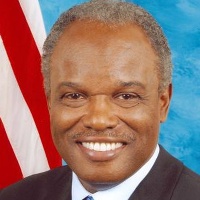
David Scott
Representative
GA
David Scott
Representative
GA
This resolution supports the designation of July as Uterine Fibroids Awareness Month to highlight the significant health impact of these common growths on women. It recognizes the disproportionate burden of fibroids on Black and Hispanic women and calls for increased research and improved treatment options. The bill encourages the President to issue a proclamation supporting national awareness activities throughout July.
This Act establishes strict transparency and consent requirements for businesses using automatic renewals and free-to-paid trial conversions, empowering the FTC to enforce against deceptive practices like "dark patterns."
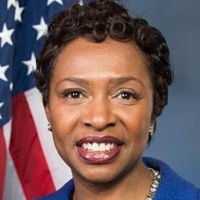
Yvette Clarke
Representative
NY
Yvette Clarke
Representative
NY
The Consumer Online Payment Transparency and Integrity Act establishes strict new rules for businesses using automatic renewals and free-to-paid trial conversions. It mandates clear upfront disclosures, requires express consent for annual renewals, and demands easy, comparable cancellation methods for consumers. The Federal Trade Commission is empowered to enforce these provisions, treating violations as unfair or deceptive practices and specifically targeting the use of "dark patterns."
This bill prohibits executive branch personnel from using physical force or detention against a Member of Congress conducting official oversight activities on federally controlled property, provided the Member is not posing an immediate physical danger.
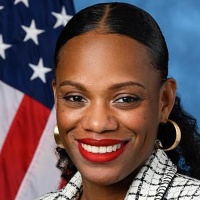
Summer Lee
Representative
PA
Summer Lee
Representative
PA
The Congressional Oversight Access Act prohibits federal employees from using physical force or detaining a Member of Congress who is conducting official oversight activities on federally controlled property. This protection applies when the Member identifies themselves and is not posing a clear and immediate physical danger. The Act ensures Congress can monitor federal operations while still respecting necessary security screenings.
This resolution affirms that diversity, equity, inclusion, and accessibility are fundamental U.S. values necessary to combat persistent discrimination across all sectors of American life.
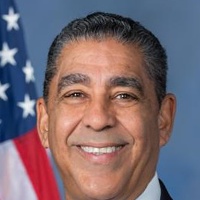
Adriano Espaillat
Representative
NY
Adriano Espaillat
Representative
NY
This resolution affirms that diversity, equity, inclusion, and accessibility (DEIA) are fundamental American values necessary to combat persistent discrimination across society. It details how systemic barriers in housing, wealth, healthcare, education, and employment negatively impact marginalized groups. Ultimately, the bill encourages all sectors to actively pursue DEIA initiatives as a means to strengthen the economy and ensure equal opportunity for all citizens.
This bill establishes a grant program to help high-need school districts hire, retain, and diversify mental health professionals to expand student access to services.
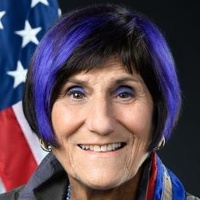
Rosa DeLauro
Representative
CT
Rosa DeLauro
Representative
CT
The Expanding Access to Mental Health Services in Schools Act of 2025 establishes a new federal grant program to increase the number of mental health professionals in high-need school districts. This funding is specifically designed to help eligible agencies recruit, hire, and retain school counselors, psychologists, and social workers. Grantees must demonstrate a plan to improve student-to-provider ratios and report annually on staffing improvements and provider retention.
The SHADE Act establishes a HUD-led grant program to fund tree planting and maintenance in historically redlined or urban heat island areas, prioritizing projects with strong community support and resident protection plans.
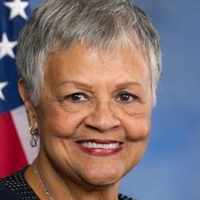
Bonnie Watson Coleman
Representative
NJ
Bonnie Watson Coleman
Representative
NJ
The Saving Hazardous And Declining Environments (SHADE) Act establishes a new, federally funded grant program to support tree planting initiatives. Administered by HUD and the Forest Service, this program prioritizes projects in historically redlined or urban heat island areas. Applicants must submit detailed 5-year plans that include community involvement and strategies to prevent resident displacement. The program is authorized to receive $50 million annually from fiscal year 2026 through 2036.
The Housing not Handcuffs Act of 2025 prohibits federal penalties against homeless individuals for life-sustaining activities on public land unless a strictly defined, adequate indoor alternative is available.

Pramila Jayapal
Representative
WA
Pramila Jayapal
Representative
WA
The Housing not Handcuffs Act of 2025 prohibits federal agencies from penalizing individuals experiencing homelessness for engaging in necessary life-sustaining activities on public land. This protection applies unless a strictly defined, fully accommodating indoor alternative space is available. The Act establishes a "necessity defense" in court for survival-related infractions and allows individuals to sue to enforce these new rights.
The Equal Dignity for Married Taxpayers Act updates the Internal Revenue Code by replacing gendered language with gender-neutral terms to ensure consistent and equal application of tax laws for all legally married couples.

Becca Balint
Representative
VT
Becca Balint
Representative
VT
The Equal Dignity for Married Taxpayers Act modernizes the Internal Revenue Code by replacing gendered language with gender-neutral terms for all legally married couples. This sweeping update ensures consistency across tax rules regarding filing status, deductions, and credits, regardless of the spouses' genders. The bill clarifies that married couples are often treated as a single entity for specific tax purposes. Ultimately, this legislation updates terminology to reflect equal dignity for all married taxpayers.
The Community Solar Consumer Choice Act of 2025 establishes a federal program to expand community solar access, mandates that most electric utilities offer community solar programs, and extends the maximum length of federal utility service contracts to 30 years.

Kathy Castor
Representative
FL
Kathy Castor
Representative
FL
The Community Solar Consumer Choice Act of 2025 establishes a new federal program to expand access to community solar, specifically targeting low- and moderate-income individuals and governments. It mandates that standard electric utilities must offer community solar programs to ensure fair access for all customers. Furthermore, the bill sets strict deadlines for states to review and implement these new community solar standards. Finally, it extends the maximum length for federal contracts for public utility services up to 30 years.
This bill officially designates the United States Postal Service facility in Patagonia, Arizona, as the "Jim Kolbe Memorial Post Office."
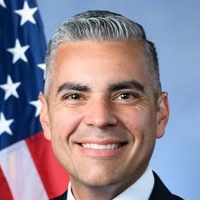
Juan Ciscomani
Representative
AZ
Juan Ciscomani
Representative
AZ
This bill officially designates the United States Postal Service facility located at 100 North Taylor Lane in Patagonia, Arizona, as the "Jim Kolbe Memorial Post Office." This action ensures all official records reflect the new name honoring Jim Kolbe.
The CONNECT for Health Act of 2025 permanently expands Medicare telehealth access by removing geographic restrictions, increasing practitioner flexibility, bolstering program integrity, and mandating supports for quality remote care delivery.
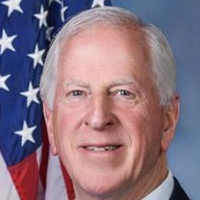
Mike Thompson
Representative
CA
Mike Thompson
Representative
CA
The CONNECT for Health Act of 2025 significantly expands and permanently secures access to Medicare telehealth services by eliminating outdated geographic restrictions and allowing more practitioners to offer remote care. The bill also strengthens program integrity by dedicating funds for telehealth oversight while clarifying rules around providing necessary technology to patients. Finally, it mandates the creation of tailored educational resources and public reporting to improve quality measurement and transparency in remote care delivery.
This Act mandates that federal officers involved in border security or immigration enforcement must clearly display identification, wear visible uniforms or badges, and not conceal their faces during detentions or arrests.

Dan Goldman
Representative
NY
Dan Goldman
Representative
NY
The No Secret Police Act of 2025 mandates that federal officers engaged in border security or immigration enforcement must clearly display identification, wear visible badges or uniforms, and refrain from wearing face coverings during detentions or arrests. This ensures accountability by requiring clear identification from Department of Homeland Security (DHS) personnel. The bill also requires the Secretary of Homeland Security to report on current tactical gear policies and research methods to improve officer visibility.
This resolution formally recognizes the history, achievements, and ongoing struggles of the LGBTQIA+ community while encouraging the celebration of Pride Month and affirming that LGBTQIA+ rights are human rights.
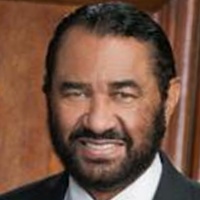
Al Green
Representative
TX
Al Green
Representative
TX
This resolution formally recognizes the history, achievements, and ongoing struggles of the LGBTQIA+ community in the United States. It serves as a declaration by Congress affirming that LGBTQIA+ rights are human rights and encouraging the celebration of Pride Month. The bill highlights key historical milestones, legal victories, and acknowledges the persistent challenges and violence faced by the community. Ultimately, it commits the U.S. to continuing the pursuit of full equality for all citizens.
This Act bans application and screening fees for federally assisted rentals, caps late fees, mandates pre-lease disclosures, and prohibits reporting defined "junk fees" to credit bureaus.

Maxwell Frost
Representative
FL
Maxwell Frost
Representative
FL
The End Junk Fees for Renters Act aims to protect tenants by banning application and screening fees for federally assisted rental units. It also caps late rent fees at 3% and mandates that landlords disclose key rental history and maintenance information before a lease is signed. Furthermore, the bill directs federal agencies to define "junk fees" and prohibits landlords from reporting unpaid junk fees to credit bureaus.
This Act prohibits states from interfering with or penalizing individuals who provide, receive, or facilitate abortion services that are legal in the state where the service occurs, including interstate travel for such care.

Lizzie Fletcher
Representative
TX
Lizzie Fletcher
Representative
TX
The Ensuring Women’s Right to Reproductive Freedom Act prohibits states from interfering with or retaliating against individuals who provide or receive abortion services that are legal in the state where the service occurs. This protection extends to interstate travel for legal abortion care and the movement of FDA-approved abortion-related drugs across state lines. Individuals harmed by violations can sue in federal court for damages and legal fees.
This Act expands healthcare access by ensuring lawfully present immigrants are eligible for federal health programs, treating federally authorized presence as lawful presence for coverage, and giving states the option to cover undocumented individuals under Medicaid and CHIP.
Pramila Jayapal
Representative
WA
Pramila Jayapal
Representative
WA
The Health Equity and Access under the Law for Immigrant Families Act of 2025 aims to significantly expand healthcare access for immigrants legally residing in the U.S. by ensuring eligibility for federal health programs like Medicaid and CHIP, removing state restrictions for permanent residents, and treating federally authorized presence as lawful presence for coverage purposes. The bill also provides states the option to extend Medicaid and CHIP coverage to individuals without lawful status. Furthermore, it removes citizenship barriers preventing certain non-citizens from accessing ACA marketplace subsidies and updates Medicare eligibility rules.
The Women’s Health Protection Act of 2025 establishes a federal right to access abortion services before fetal viability and protects the right to travel for care, overriding state restrictions that place burdens on abortion access not imposed on comparable medical procedures.
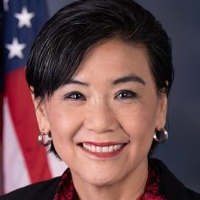
Judy Chu
Representative
CA
Judy Chu
Representative
CA
The Women’s Health Protection Act of 2025 establishes a federal statutory right to access abortion services, prohibiting medically unnecessary restrictions that impede care before fetal viability. This Act protects the right of patients to travel across state lines to receive reproductive healthcare and allows providers to offer services free from state interference that conflicts with established medical standards. It preempts conflicting state and local laws and provides robust enforcement mechanisms for individuals and the Attorney General to challenge violations.
This bill establishes a public, non-identifying database tracking all individuals held by ICE and mandates the continued operation of key DHS oversight offices.
Maxwell Frost
Representative
FL
Maxwell Frost
Representative
FL
The Stop Unlawful Detention and End Mistreatment Act of 2025 mandates the creation of a public, daily updated online database tracking key metrics for all individuals held in ICE custody, while prohibiting the inclusion of personally identifiable information. This bill also ensures the continued operation of the Office of the Immigration Detention Ombudsman and the DHS Office for Civil Rights and Civil Liberties. The legislation aims to increase transparency regarding immigration detention practices and oversight mechanisms.
The Downpayment Toward Equity Act of 2025 establishes a HUD grant program to provide financial assistance for down payments and closing costs to first-time, first-generation homebuyers.

Maxine Waters
Representative
CA
Maxine Waters
Representative
CA
The Downpayment Toward Equity Act of 2025 establishes a new HUD grant program to provide downpayment and closing cost assistance to first-time, first-generation homebuyers. Funds will be distributed to states and eligible entities based on need and the number of qualified buyers in their area. Assistance is capped per buyer and requires mandatory homeownership counseling, with strict rules governing eligible mortgages and primary residency requirements.
This bill establishes a strict, last-resort framework requiring explicit Congressional approval for the President to deploy U.S. Armed Forces domestically to suppress insurrection or quell severe domestic violence.

Chris Deluzio
Representative
PA
Chris Deluzio
Representative
PA
The Insurrection Act of 2025 completely rewrites the rules governing when the President can deploy the U.S. Armed Forces domestically to suppress insurrection or quell severe domestic violence. This deployment is strictly limited to being a last resort, requiring specific triggers such as overwhelming local failure or the denial of constitutional rights. Before acting, the President must issue a proclamation and provide a detailed report to Congress, whose approval is required to extend military authority beyond seven days. The Act also establishes expedited congressional procedures for reviewing and approving the deployment and allows for judicial review of the President's legal basis for action.