Legislative Activity
Track Gabe's sponsored bills, co-sponsored legislation, and voting record
This bill repeals the 1991 and 2002 authorizations for the use of military force against Iraq.
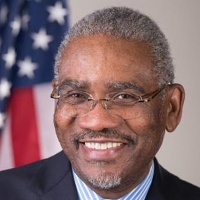
Gregory Meeks
Representative
NY
Gregory Meeks
Representative
NY
This bill repeals the 1991 Authorization for Use of Military Force Against Iraq Resolution and the 2002 Authorization for Use of Military Force Against Iraq Resolution, formally ending the legal basis for military actions in Iraq under these authorizations.
This bill expands Post-9/11 GI Bill eligibility to National Guard members performing specific full-time duties.
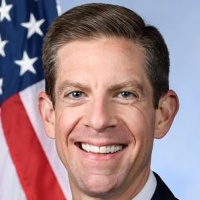
Mike Levin
Representative
CA
Mike Levin
Representative
CA
The Guard and Reserve GI Bill Parity Act of 2025 expands Post-9/11 GI Bill eligibility to National Guard members performing specific full-time duties. This expansion applies to service performed on or after September 11, 2001. The changes will take effect one year after the enactment of this Act, with the time limitation for using educational assistance applied as if enacted immediately after the Post-9/11 Veterans Educational Assistance Act of 2008.
This bill establishes an Office of Gun Violence Prevention within the Department of Justice to coordinate gun violence prevention efforts, evaluate related programs and policies, recommend evidence-based strategies, and assist communities affected by gun violence.
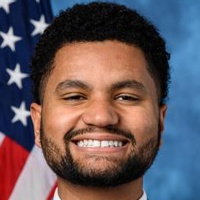
Maxwell Frost
Representative
FL
Maxwell Frost
Representative
FL
The "Office of Gun Violence Prevention Act of 2025" establishes an Office of Gun Violence Prevention within the Department of Justice, led by a Director appointed by the Attorney General, to coordinate gun violence prevention efforts, evaluate related laws and programs, and recommend evidence-based policies to Congress and the President. The Director will also convene an advisory council comprising various officials and at least 12 additional individuals representing gun violence survivors, community violence intervention service providers, and other relevant groups. The Office will also assist communities affected by gun violence with crisis response activities, such as providing access to mental health services and suicide prevention resources. Finally, the act authorizes the appropriation of necessary funds to carry out the provisions of the bill.
The "Ending DOGE Conflicts Act" mandates financial disclosures for special government employees who own or lead companies contracting with the federal government, ensuring transparency and preventing conflicts of interest.
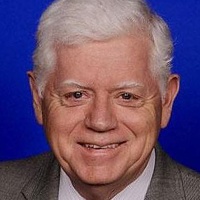
John Larson
Representative
CT
John Larson
Representative
CT
The "Ending DOGE Conflicts Act" mandates that special government employees with financial ties to companies contracting with the federal government must adhere to strict financial disclosure requirements. It requires the Director of the Office of Government Ethics to certify these employees' financial reports and prohibits them from performing official duties until compliance is confirmed.
This act authorizes the creation of the Smithsonian National Museum of the American Latino on the National Mall, ensuring diverse representation in its exhibits and programs.
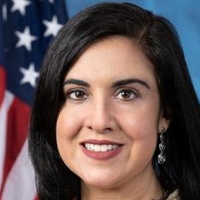
Nicole Malliotakis
Representative
NY
Nicole Malliotakis
Representative
NY
The Smithsonian National Museum of the American Latino Act authorizes the creation of the Smithsonian National Museum of the American Latino on the National Mall. It ensures the museum's exhibits and programs accurately represent the diverse cultures, histories, events, and values of Hispanic and Latino communities, seeking guidance from diverse sources. The Act also mandates regular reports to Congress on the museum's efforts to meet these diversity requirements.
The "Alternatives to PAIN Act" aims to improve Medicare Part D coverage for non-opioid pain management drugs by reducing cost-sharing and removing barriers like step therapy and prior authorization, starting in 2026.
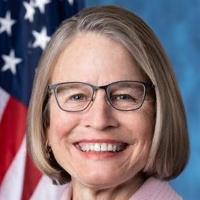
Mariannette Miller-Meeks
Representative
IA
Mariannette Miller-Meeks
Representative
IA
The "Alternatives to PAIN Act" amends Medicare Part D to improve access to non-opioid pain management drugs by waiving deductibles and ensuring they are placed on the lowest cost-sharing tier starting in 2026. The Act also prohibits the use of step therapy and prior authorization requirements for these drugs, further easing access for patients. These changes aim to provide more accessible alternatives for pain management, reducing reliance on opioids.
The United States-Israel Defense Partnership Act of 2025 bolsters defense cooperation between the U.S. and Israel through joint programs, funding increases, and extended authorities related to countering unmanned systems, anti-tunnel technology, emerging technologies, and war reserve stockpiles, while also exploring Israel's inclusion in the national technology and industrial base and assessing integrated air and missile defense in the CENTCOM region.
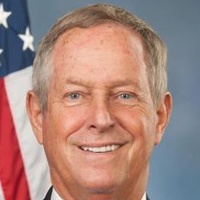
Joe Wilson
Representative
SC
Joe Wilson
Representative
SC
The United States-Israel Defense Partnership Act of 2025 seeks to bolster the defense relationship between the United States and Israel through joint initiatives and increased cooperation. It establishes programs to counter unmanned systems, extend anti-tunnel and counter-UAS cooperation, and promote collaboration in emerging technologies like AI and cybersecurity. The act also mandates the establishment of a Defense Innovation Unit office in Israel and assesses integrated air and missile defense in the U.S. Central Command region. Finally, it explores Israel's potential inclusion in the national technology and industrial base.
The Honoring Our Fallen Heroes Act of 2025 expands public safety officer benefits to include disability and death coverage for certain cancers presumed to be caused by on-duty exposure to carcinogens, and clarifies "line of duty" definitions for first responder benefits.
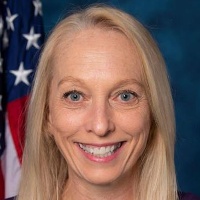
Mary Scanlon
Representative
PA
Mary Scanlon
Representative
PA
The Honoring Our Fallen Heroes Act of 2025 expands public safety officer benefits to include deaths and disabilities caused by exposure-related cancers, presuming that certain cancers diagnosed within 15 years of service are line-of-duty injuries if the officer served for at least 5 years. It defines "exposure-related cancer" and allows for updates to the list based on medical evidence, while also permitting individuals to petition for additions. The Act also clarifies "line of duty action" and applies retroactively to claims dating back to January 1, 2020, with a three-year window for filing claims based on these amendments.
The "National Plan for Epilepsy Act" aims to create a comprehensive national strategy to improve epilepsy prevention, diagnosis, treatment, and research through coordinated federal efforts and an advisory council.
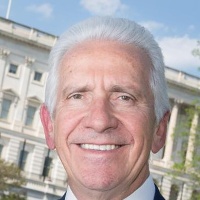
Jim Costa
Representative
CA
Jim Costa
Representative
CA
The "National Plan for Epilepsy Act" aims to address the significant impact of epilepsy by establishing a comprehensive national plan for its prevention, diagnosis, treatment, and cure. This act mandates the creation of an Advisory Council on Epilepsy Research, Care, and Services, composed of federal and non-federal experts, to evaluate and improve federally funded epilepsy efforts. The council will provide recommendations to enhance coordination, diagnosis, treatment, research, and public awareness, and reduce the financial burden of epilepsy on families. Ultimately, the act seeks to improve the lives of individuals with epilepsy and their caregivers through coordinated research, improved access to care, and enhanced public awareness.
Prohibits federal funds from being used to eliminate the United States Agency for International Development (USAID) as an independent entity, requiring the Secretary of State to certify compliance.
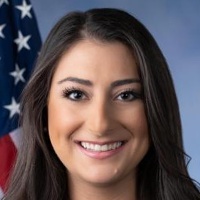
Sara Jacobs
Representative
CA
Sara Jacobs
Representative
CA
The "Protect US National Security Act" ensures that federal funds cannot be used to eliminate the United States Agency for International Development (USAID) as an independent entity. It asserts that only an act of Congress can eliminate USAID. The Secretary of State must certify compliance with this requirement to Congress within 30 days of the act's enactment and annually for 5 years.
This bill excludes certain veterans’ disability benefits from income calculations for HUD-VASH and other housing assistance programs to increase eligibility for unhoused disabled veterans.
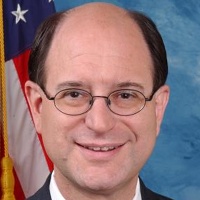
Brad Sherman
Representative
CA
Brad Sherman
Representative
CA
The Housing Unhoused Disabled Veterans Act aims to increase housing accessibility for veterans by excluding VA disability benefits from income calculations for HUD-VASH and other specific housing programs. By disregarding these benefits when determining eligibility, the bill ensures that disabled veterans can more easily qualify for essential housing assistance.
The "Freedom to Invest in Tomorrow's Workforce Act" expands the use of 529 savings accounts to cover expenses related to postsecondary credentialing programs, including tuition, fees, books, supplies, equipment, and testing fees.

Robert Wittman
Representative
VA
Robert Wittman
Representative
VA
The "Freedom to Invest in Tomorrow's Workforce Act" amends Section 529 savings accounts to include expenses related to postsecondary credentialing programs. This allows 529 funds to cover costs like tuition, fees, books, supplies, and testing fees for recognized programs and credentials, as defined by the bill. These changes would apply to distributions made after the bill is enacted.
The Project Turnkey Act authorizes $1 billion in annual funding for states and local organizations to acquire, convert, and operate properties to combat homelessness and expand affordable housing.
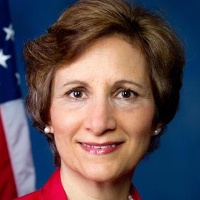
Suzanne Bonamici
Representative
OR
Suzanne Bonamici
Representative
OR
The Project Turnkey Act establishes a $1 billion annual program to address homelessness and housing instability by providing flexible funding to states, local governments, and nonprofits. These funds support a wide range of activities, including the acquisition and conversion of properties into affordable housing, rental assistance, and essential supportive services. By streamlining requirements and expanding eligible uses, the program aims to rapidly increase housing capacity for vulnerable individuals and families.
The Protect Our Letter Carriers Act of 2025 authorizes $7 billion to upgrade postal security infrastructure while mandating dedicated federal prosecutors for postal crimes and increasing sentencing guidelines for assaults against postal employees.
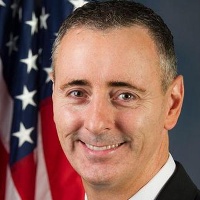
Brian Fitzpatrick
Representative
PA
Brian Fitzpatrick
Representative
PA
The Protect Our Letter Carriers Act of 2025 aims to enhance the safety of postal workers by funding high-security infrastructure upgrades, including electronic mailbox keys. The bill also mandates the appointment of dedicated federal prosecutors for postal crimes in every judicial district and requires stricter sentencing guidelines for those who assault or rob postal employees.
This bill posthumously awards a Congressional Gold Medal to the United States Colored Troops (USCT) who served in the Civil War, recognizing their valor and crucial role in preserving the Union and freeing enslaved people.

Eleanor Norton
Representative
DC
Eleanor Norton
Representative
DC
The "United States Colored Troops Congressional Gold Medal Act" directs the Speaker of the House and the President pro tempore of the Senate to arrange for the posthumous presentation of a Congressional Gold Medal to the African Americans who served with the Union forces during the Civil War. It directs the Secretary of the Treasury to design and create the gold medal, which will be displayed by the Smithsonian Institution and available for research. The Act also authorizes the creation and sale of bronze duplicates of the medal to cover production costs.
The CONSTRUCTS Act of 2025 establishes a grant program for community colleges and trade schools to expand residential construction training, with a focus on serving rural and underserved populations.
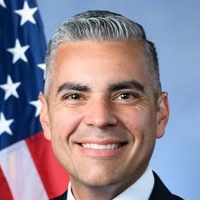
Juan Ciscomani
Representative
AZ
Juan Ciscomani
Representative
AZ
The CONSTRUCTS Act of 2025 establishes a competitive grant program to expand education and training for careers in the residential construction industry. By providing $20 million annually, the bill supports community colleges and trade schools in developing skilled labor pipelines, with a priority on serving rural and underserved populations. These programs aim to increase the supply of qualified workers while helping to address local housing needs through flexible, industry-aligned training.
The "Taxpayer Data Protection Act" limits access to the Treasury Department's payment systems to authorized personnel and requires investigation and reporting of unauthorized access.

Haley Stevens
Representative
MI
Haley Stevens
Representative
MI
The Taxpayer Data Protection Act limits access to the Treasury Department's payment systems to Treasury employees or contractors with satisfactory performance reviews and security clearances. It sets specific criteria for individuals accessing the system, including conflict of interest restrictions, training, and ethics agreements. The Act also mandates the Treasury Department's Inspector General to investigate and report to Congress on any unauthorized system use.
The "Protecting Sensitive Locations Act" restricts immigration enforcement actions at sensitive locations like schools and places of worship, requiring discretion and oversight.
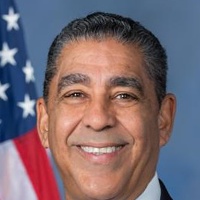
Adriano Espaillat
Representative
NY
Adriano Espaillat
Representative
NY
The "Protecting Sensitive Locations Act" amends the Immigration and Nationality Act to restrict immigration enforcement actions within 1,000 feet of sensitive locations like schools, hospitals, and places of worship, except in exigent circumstances. It mandates training, reporting, and oversight for enforcement activities near these locations, and invalidates evidence obtained in violation of the Act. The Act aims to ensure discretion and limit enforcement impact on sensitive community spaces, while also requiring annual reports to Congress on enforcement actions taken in sensitive locations.
The Scientific Integrity Act mandates federal agencies to establish and enforce scientific integrity policies that protect scientific research from political interference, ensure open communication of scientific findings, and provide whistleblower protection for scientists.
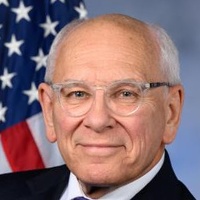
Paul Tonko
Representative
NY
Paul Tonko
Representative
NY
The Scientific Integrity Act mandates that federal agencies that fund, conduct, or oversee scientific research establish and enforce scientific integrity policies. These policies aim to protect scientists from political interference, ensure the open communication of scientific findings, and establish clear processes for reporting and addressing scientific misconduct. The Act requires agencies to appoint Scientific Integrity Officers, provide regular training, and report on misconduct complaints, with oversight from the Office of Science and Technology Policy and Congress. It also protects the rights of federal employees and contractors to share their findings and prevents the suppression or distortion of scientific data.
This resolution condemns the wrongful detention and mistreatment of Dr. Gubad Ibadoghlu by the Azerbaijani government and calls for his immediate and unconditional release.
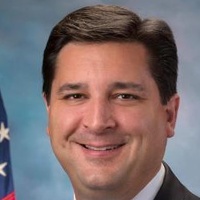
David Rouzer
Representative
NC
David Rouzer
Representative
NC
This resolution condemns the Government of Azerbaijan for the wrongful detention, abuse, and suppression of academic freedom regarding Dr. Gubad Ibadoghlu. It demands his immediate and unconditional release, the provision of necessary medical care, and an end to the harassment of his family. Furthermore, it urges the U.S. Secretary of State to prioritize Dr. Ibadoghlu’s well-being and release in all diplomatic engagements.