
Legislative Activity
Track Rick's sponsored bills, co-sponsored legislation, and voting record
The Life at Conception Act declares that the constitutional right to life begins at the moment of fertilization and applies to every member of the species *homo sapiens* at all stages of development.
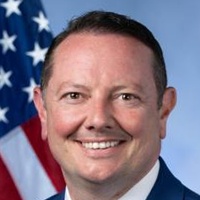
Eric Burlison
Representative
MO
Eric Burlison
Representative
MO
The Life at Conception Act declares that the constitutional right to life begins at the moment of fertilization, defining all human beings as persons from that point forward. The bill establishes legal personhood for every member of the species *homo sapiens* at all stages of development. Additionally, it explicitly prohibits the prosecution of any woman for the death of her unborn child.
The Born-Alive Abortion Survivors Protection Act requires health care practitioners to provide the same level of care to infants born alive after an abortion attempt as they would to any other newborn, mandating immediate hospitalization and imposing penalties for violations, while protecting the mother from prosecution. It also allows the mother of a child born alive to file a civil action against anyone who violated the act.

Ann Wagner
Representative
MO
Ann Wagner
Representative
MO
The "Born-Alive Abortion Survivors Protection Act" ensures that infants born alive after an abortion receive the same medical care as any other newborn, mandating immediate hospitalization and requiring healthcare practitioners to report any failures to comply. Violators face fines, imprisonment, and potential prosecution for homicide or attempted homicide, while the mother of the child cannot be prosecuted. The bill also allows the woman who had the abortion to file a civil action against anyone who violated the act. It defines abortion and attempts at abortion, and renames "Partial-Birth Abortions" to "Abortions" in relevant sections of the U.S. Code.
The Main Street Tax Certainty Act makes the 20% pass-through business income deduction permanent by removing its scheduled expiration after 2025.
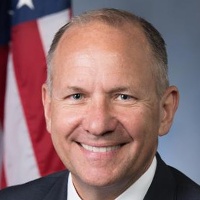
Lloyd Smucker
Representative
PA
Lloyd Smucker
Representative
PA
The Main Street Tax Certainty Act makes the 20% pass-through business income deduction permanent. By removing the current 2025 expiration date, this legislation ensures long-term tax relief for owners of qualified pass-through entities.
The bill condemns a sermon given at the National Prayer Service on January 21, 2025, believing it was political activism.
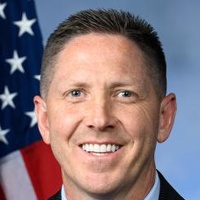
Josh Brecheen
Representative
OK
Josh Brecheen
Representative
OK
This bill expresses the House of Representatives' belief that a sermon given at the National Prayer Service on January 21, 2025, was an act of political activism. The bill condemns the message delivered by the Right Reverend Mariann Edgar Budde during the service.
The Heartbeat Protection Act of 2025 prohibits physicians from performing abortions once a fetal heartbeat is detectable, subject to specific exceptions and federal penalties.

Mike Kelly
Representative
PA
Mike Kelly
Representative
PA
The Heartbeat Protection Act of 2025 prohibits physicians from performing an abortion if a fetal heartbeat is detectable, subject to specific exceptions for medical emergencies, rape, and incest. Physicians who knowingly violate this federal law face potential fines and imprisonment, though the legislation explicitly protects the mother from prosecution. The bill also mandates strict documentation and record-keeping requirements for all heartbeat determinations and exception claims.
This bill prohibits federal funding for abortions and for health insurance plans that cover abortions, clarifies these prohibitions under the Affordable Care Act, and requires health plans to disclose the extent of their abortion coverage and any related surcharges.
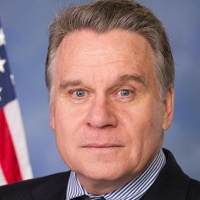
Christopher Smith
Representative
NJ
Christopher Smith
Representative
NJ
The "No Taxpayer Funding for Abortion and Abortion Insurance Full Disclosure Act of 2025" seeks to prohibit the use of federal funds for abortions and for health plans that cover abortions, while allowing individuals and entities to purchase separate abortion coverage with non-federal funds. It clarifies that premium tax credits and cost-sharing reductions under the Affordable Care Act (ACA) cannot be used for health plans that include abortion coverage. The Act also revises notice requirements for health plans, mandating clear disclosure of abortion coverage and any associated premium surcharges to enrollees. Exceptions to the funding restrictions are included for cases of rape, incest, or when the mother's life is in danger.
The Ending Chemical Abortions Act of 2025 seeks to establish a federal criminal prohibition on the prescription, distribution, and sale of chemical abortion drugs, with limited exceptions for the life of the mother or the treatment of miscarriages.

Andrew Ogles
Representative
TN
Andrew Ogles
Representative
TN
The Ending Chemical Abortions Act of 2025 seeks to prohibit the prescription, distribution, and sale of drugs intended to cause an abortion. The bill establishes federal criminal penalties for violations, while providing specific exceptions for contraception, the treatment of miscarriages, and medical emergencies that threaten the life of the mother. It also clarifies that women who undergo chemical abortions are exempt from criminal prosecution under this act.
This bill mandates standardized abortion data reporting to the CDC and conditions federal Medicaid funding for family planning services on state compliance with these reporting requirements.

Ralph Norman
Representative
SC
Ralph Norman
Representative
SC
The Ensuring Accurate and Complete Abortion Data Reporting Act of 2025 mandates that states submit standardized abortion data to the CDC to maintain eligibility for specific federal Medicaid family planning funds. The bill directs the CDC to establish a national surveillance system to collect and report this data, including information on maternal demographics, procedure details, and abortion survival outcomes. By requiring accurate and consistent reporting, the legislation aims to improve the quality of public health data available for policy analysis.
The NO GOTION Act prohibits companies linked to China, Russia, Iran, or North Korea from claiming federal green energy tax credits and deductions.

John Moolenaar
Representative
MI
John Moolenaar
Representative
MI
The NO GOTION Act prohibits companies with ties to China, Russia, Iran, or North Korea from claiming federal green energy tax credits and deductions. By restricting these financial benefits, the bill aims to ensure that U.S. taxpayer-funded incentives are not used to support entities controlled by designated foreign adversaries.
This bill increases the railroad track maintenance tax credit, introduces annual inflation adjustments, and extends the eligibility period for qualifying expenditures.
Mike Kelly
Representative
PA
Mike Kelly
Representative
PA
This bill amends the Internal Revenue Code to expand the railroad track maintenance credit by increasing the per-mile tax credit to $6,100 and implementing annual inflation adjustments starting in 2026. It also extends the eligibility window for qualifying maintenance expenditures to include costs incurred through 2023. These updates aim to provide greater financial support for ongoing railroad infrastructure improvements.
The FAIR PREP Act of 2025 prohibits the Treasury Secretary from developing or operating government-run electronic tax preparation services, excluding existing programs like IRS Free File.

Adrian Smith
Representative
NE
Adrian Smith
Representative
NE
The FAIR PREP Act of 2025 prohibits the IRS from developing or operating its own electronic tax preparation and filing services. The bill restricts the Treasury Secretary from preparing tax returns or refund claims, while explicitly protecting existing programs like IRS Free File and volunteer tax assistance services. Additionally, it prevents the use of federal funds for the development of new government-run tax preparation systems without explicit congressional authorization.
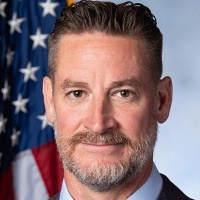
This bill amends Title IX to prohibit schools receiving federal funds from allowing males to participate in female athletic programs, defining "sex" as determined at birth, while allowing males to train with female teams if it doesn't deprive females of opportunities or benefits. It also requires a study on the impact of male participation in female sports.
W. Steube
Representative
FL
W. Steube
Representative
FL
The "Protection of Women and Girls in Sports Act of 2025" amends Title IX to prohibit schools receiving federal funds from allowing males to participate in female athletic programs. Sex is defined as based on reproductive biology and genetics at birth. The bill allows males to train with female teams if it doesn't deprive females of opportunities. It also requires a study on the benefits lost to women when males participate in female sports.
This bill nullifies the recent federal rule restricting short-term, limited-duration insurance plans, thereby preserving broader access to these coverage options.

Earl Carter
Representative
GA
Earl Carter
Representative
GA
The Healthcare Freedom and Choice Act nullifies a recent federal rule that restricted the availability of short-term, limited-duration insurance plans. By overturning this regulation, the bill ensures that these alternative health insurance options remain accessible to consumers, regardless of their compliance with Affordable Care Act mandates.
This bill prohibits Title X federal funding for entities that perform abortions, with specific exceptions for cases of rape, incest, or life-endangerment.

Virginia Foxx
Representative
NC
Virginia Foxx
Representative
NC
The Title X Abortion Provider Prohibition Act amends the Public Health Service Act to prohibit Title X federal funding for entities that perform abortions, with specific exceptions for cases of rape, incest, or life-endangerment. The bill also establishes new annual reporting requirements for the Secretary of Health and Human Services regarding the distribution of these grants and the performance of permitted abortions.
This bill honors the life, achievements, and legacy of President Jimmy Carter, recognizing his dedication to public service, human rights, and global peace. It acknowledges his lasting impact as a leader and statesman.

Nikema Williams
Representative
GA
Nikema Williams
Representative
GA
This bill honors the life, achievements, and legacy of Jimmy Carter, recognizing his service as a naval officer, farmer, state senator, Governor, and President. It also acknowledges his post-presidency work promoting peace, democracy, and human rights through the Carter Center, as well as his dedication to Habitat for Humanity. The bill expresses condolences to his family upon his passing and celebrates his lasting impact as a leader and statesman.
The Disaster Reforestation Act amends the tax code to allow timber owners to claim larger casualty loss deductions for destroyed timber, provided they commit to replanting the affected land within five years.
Earl Carter
Representative
GA
Earl Carter
Representative
GA
The Disaster Reforestation Act amends the Internal Revenue Code to provide tax relief for timber owners whose uncut timber is destroyed by natural disasters, pests, or disease. It allows owners to deduct the appraised value of lost timber—including pre-merchantable stands—provided they commit to reforesting the land within five years. This measure supports active timber businesses by ensuring tax deductions more accurately reflect the economic loss caused by casualty events.
The Import Security and Fairness Act restricts duty-free access for low-value imports from certain nonmarket economies and strengthens reporting and enforcement requirements for de minimis shipments.

Thomas Suozzi
Representative
NY
Thomas Suozzi
Representative
NY
The Import Security and Fairness Act restricts duty-free access for low-value imports from countries identified as nonmarket economies with significant intellectual property concerns. The bill also establishes stricter documentation and reporting requirements for all duty-free shipments and enhances U.S. Customs and Border Protection’s authority to detain and process suspicious merchandise.
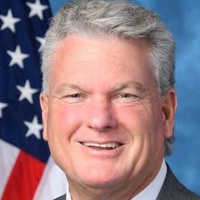
The Laken Riley Act mandates the detention of certain undocumented immigrants charged with theft-related crimes and empowers state attorneys general to sue federal officials for failures in enforcing immigration laws.
Mike Collins
Representative
GA
Mike Collins
Representative
GA
The Laken Riley Act mandates the detention of undocumented immigrants who are charged with or convicted of theft-related offenses. Additionally, the bill empowers state attorneys general to sue federal officials for failures in enforcing immigration detention, removal, and parole laws.
This bill proposes a constitutional amendment to limit members of the House of Representatives to three terms and Senators to two terms, with specific provisions for partial terms. Terms served before the amendment's ratification would not be counted towards these limits, and the amendment must be ratified within seven years to be valid.
Ralph Norman
Representative
SC
Ralph Norman
Representative
SC
This bill proposes a constitutional amendment to limit the number of terms a member of Congress can serve. Representatives would be limited to 3 terms and Senators to 2 terms, with specific rules for partial terms. Terms served before the amendment's ratification would not be counted. The amendment must be ratified by three-fourths of the states within seven years to be valid.
The FIND Act prohibits federal agencies from contracting with entities that discriminate against the firearm and ammunition industry, ensuring fair access to government contracts for these businesses. Contractors must certify they do not discriminate against firearm entities, with violations leading to contract termination.

Jack Bergman
Representative
MI
Jack Bergman
Representative
MI
The FIND Act prohibits federal agencies from contracting with entities that discriminate against the firearm and ammunition industry. It requires federal contractors to certify they do not discriminate against firearm entities and prohibits them from awarding subcontracts to entities that do not provide a similar certification. Violations of these clauses will result in contract termination. The act defines "discriminate" as making judgments or refusing/limiting services based on biased criteria, rather than case-by-case evaluations, empirical data, financial risk, or legal non-compliance.