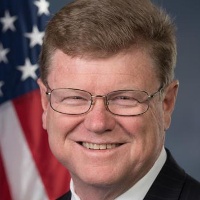
Legislative Activity
Track Mark's sponsored bills, co-sponsored legislation, and voting record
The RIFLE Act eliminates the federal tax on firearm transfers and makes corresponding technical changes to the tax code without affecting CPSC oversight of regulated firearms.
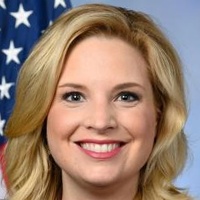
Ashley Hinson
Representative
IA
Ashley Hinson
Representative
IA
The Repealing Illegal Freedom and Liberty Excises Act (RIFLE Act) eliminates the existing federal tax on firearm transfers. This legislation strikes the relevant section from the Internal Revenue Code and makes necessary technical updates to related statutes. Importantly, this Act does not grant the Consumer Product Safety Commission any new authority over regulated firearms.
This Act establishes a 20% federal tax credit for converting eligible commercial buildings into affordable housing units, subject to state allocation and specific income restrictions.
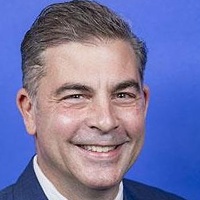
Mike Carey
Representative
OH
Mike Carey
Representative
OH
The Revitalizing Downtowns and Main Streets Act establishes a new 20% federal tax credit for converting eligible, older commercial buildings into affordable housing. This incentive aims to increase housing supply by requiring that at least 20% of the converted units remain rent-restricted for low-income residents for 30 years. State agencies will allocate these credits, which are subject to a national cap of $12 billion, based on approved plans prioritizing financially necessary projects.
This Act establishes a competitive grant program, administered by the Secretary of Energy, to strengthen domestic mining education and training programs at specialized institutions.
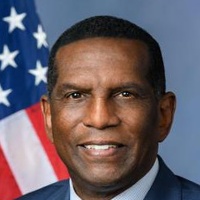
Clarence Owens
Representative
UT
Clarence Owens
Representative
UT
The Mining Schools Act of 2025 establishes a competitive grant program, administered by the Secretary of Energy, to strengthen domestic mining education at specialized institutions. These grants aim to train the next generation of professionals needed for the nation's energy and mineral supply by focusing on modern extraction, critical minerals, and environmental responsibility. The Act also creates the Mining Professional Development Advisory Board to guide the grant selection process and repeals the older Mining and Mineral Resources Research Institute Act of 1984.
This bill establishes a temporary federal tax credit of up to \$10,000 for eligible commercial truck drivers to strengthen supply chains.
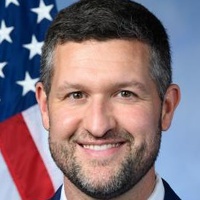
Patrick Ryan
Representative
NY
Patrick Ryan
Representative
NY
The Strengthening Supply Chains Through Truck Driver Incentives Act of 2025 establishes a temporary federal tax credit for qualifying commercial truck drivers to support the supply chain. Eligible drivers who meet specific income and hour requirements can receive a credit of either \$7,500 or \$10,000, depending on their prior year's employment status. This incentive program is scheduled to expire after the 2026 tax year, though the credit amounts will be adjusted annually for inflation until then.
This bill establishes national reciprocity for concealed carry permits, allowing individuals legally permitted to carry in their home state to carry a handgun in any other state that allows concealed carry.
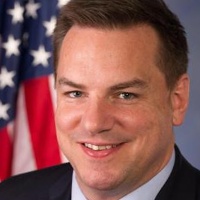
Richard Hudson
Representative
NC
Richard Hudson
Representative
NC
The Constitutional Concealed Carry Reciprocity Act of 2025 establishes a national standard for carrying concealed handguns across state lines. This act allows individuals legally permitted to carry in their home state to carry concealed in any other state that allows its residents to carry concealed firearms. The law does not override private property restrictions or prohibitions on government property, but it provides protections and legal recourse for those traveling in compliance with the new federal standard.
The Air America Act of 2025 authorizes one-time monetary awards to former Air America employees or their survivors for service supporting the CIA between 1950 and 1976.
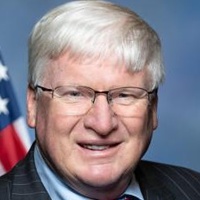
Glenn Grothman
Representative
WI
Glenn Grothman
Representative
WI
The Air America Act of 2025 recognizes the sacrifices of former Air America employees who served the U.S. Government between 1950 and 1976. This Act authorizes a one-time monetary award, up to $40,000 plus potential additional amounts, for qualifying service members or their survivors. The CIA Director is responsible for administering these payments, which are capped at a total of $60 million, and establishing the application procedures. Decisions made by the Director regarding these awards are final and not subject to judicial review.
The NEDD Act grants the Secretary of Energy specific authority to procure, operate, and utilize certain foreign-sourced unmanned aircraft systems deemed a national security risk, and expands their power to protect nuclear assets from drone threats.
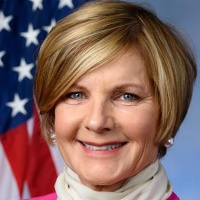
Susie Lee
Representative
NV
Susie Lee
Representative
NV
The Nuclear Ecosystem Drone Defense (NEDD) Act grants the Secretary of Energy specific authority to procure and operate certain foreign-sourced drones otherwise restricted for federal use. This legislation carves out exceptions for the Department of Energy from existing prohibitions on acquiring or using covered unmanned aircraft systems from flagged foreign entities. Additionally, the bill expands the Secretary of Energy's power to protect sensitive nuclear assets and related facilities from drone threats.
This comprehensive act empowers Southern Nevada tribes, establishes vast new wilderness and conservation areas, adjusts land management for Clark County, and facilitates local government land transfers for public use.
Susie Lee
Representative
NV
Susie Lee
Representative
NV
The Southern Nevada Economic Development and Conservation Act is a comprehensive bill that empowers two Native American tribes through federal land transfers while significantly adjusting land management across Clark County. It establishes over 1.4 million acres of new Wilderness areas and creates designated Off-Highway Vehicle Recreation Areas. Finally, the Act facilitates specific land conveyances to local governments for public purposes and updates administrative frameworks for watershed plans and city development zones.
Recognizes and celebrates Delta Air Lines' 100th anniversary, acknowledging its global impact and commitment to community.
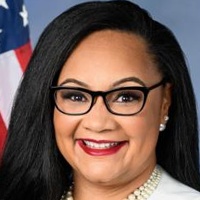
Nikema Williams
Representative
GA
Nikema Williams
Representative
GA
This bill recognizes and celebrates the 100th anniversary of Delta Air Lines, acknowledging its historical significance as the first U.S. airline to reach this milestone. It highlights Delta's growth, global connectivity, commitment to community, and industry leadership.
The HELPER Act of 2025 establishes a new FHA mortgage insurance program offering 100% financing with an upfront premium and no monthly premiums for eligible first responders, educators, and law enforcement officers.
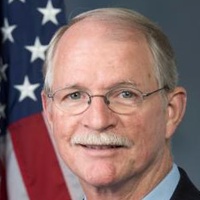
John Rutherford
Representative
FL
John Rutherford
Representative
FL
The HELPER Act of 2025 establishes a new FHA mortgage insurance program to assist first responders, educators, and law enforcement officers in purchasing homes. This program offers eligible first-time homebuyers 100% financing with no down payment required. Instead of monthly premiums, borrowers pay an upfront FHA insurance premium at closing.
The Credit for Caring Act of 2025 establishes a new, partially refundable federal income tax credit for working family caregivers covering qualified expenses exceeding \$2,000, up to a \$5,000 annual limit.
Mike Carey
Representative
OH
Mike Carey
Representative
OH
The Credit for Caring Act of 2025 establishes a new, non-refundable federal income tax credit for working family caregivers who incur significant expenses caring for a relative with long-term care needs. Eligible caregivers can claim a credit equal to 30% of qualified expenses exceeding \$2,000, up to a maximum annual credit of \$5,000. The bill specifies detailed requirements for the care recipient's needs, the types of allowable expenses, and includes income phase-out limits for claiming the benefit.
This Act establishes a framework for developing solar and wind energy projects on public lands, grandfathering certain existing project fees, and creating a revenue-sharing mechanism that benefits states, counties, and conservation efforts.
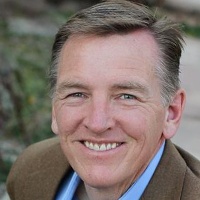
Paul Gosar
Representative
AZ
Paul Gosar
Representative
AZ
The Public Land Renewable Energy Development Act of 2025 establishes a framework for developing solar and wind energy projects on federal lands. It sets rules for grandfathering existing project fees and mandates a specific revenue-sharing structure for income generated from these new projects starting in 2026. This revenue will be divided equally among the relevant state, county, federal program administration, and a new Renewable Energy Resource Conservation Fund dedicated to local habitat restoration and public access improvements.
The Arctic Watchers Act establishes a State Department program to monitor and counter foreign influence, particularly from China and Russia, across security, economic, and political fronts in the strategically important Arctic region.
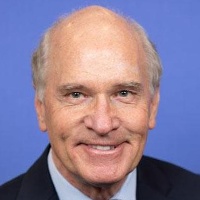
William Keating
Representative
MA
William Keating
Representative
MA
The Arctic Watchers Act establishes a new "Arctic Watcher Program" managed by the Secretary of State to closely monitor security, economic, and political activities in the Arctic. This program is specifically tasked with tracking and countering influence operations from China and Russia that threaten U.S. interests. To achieve this, designated "Arctic Watchers" will be stationed in key allied countries to report annually on their efforts to protect U.S. strategic goals in the region.
This bill repeals the excise tax on indoor tanning services, effective after the date of enactment.
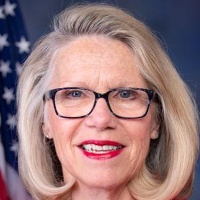
Carol Miller
Representative
WV
Carol Miller
Representative
WV
The "Tanning Tax Repeal Act of 2025" eliminates the federal excise tax on indoor tanning services. This bill removes Chapter 49 from the Internal Revenue Code, effectively repealing the tax. The repeal is applicable for services provided after the bill's enactment.
This bill aims to enhance border security, address environmental damage on federal lands, and restrict housing options for undocumented non-citizens on federally managed lands.
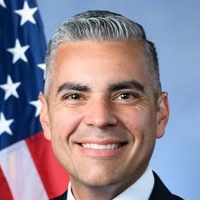
Juan Ciscomani
Representative
AZ
Juan Ciscomani
Representative
AZ
This bill aims to enhance security along the southern border by constructing roads, increasing access for U.S. Customs and Border Protection, and allowing temporary placement of structures by border states. It also seeks to mitigate environmental damage on federal lands caused by illegal activities through initiatives focused on reducing trash, preventing wildfires, and remediating contamination. Additionally, the bill restricts housing options for non-citizens who have not been formally admitted into the country by preventing the use of federal funds to house these individuals on federally managed lands.
The "Federal Firearms Licensee Protection Act of 2025" increases penalties for stealing firearms from licensed dealers, manufacturers, or importers, especially during burglaries or robberies, and clarifies related definitions.
John Rutherford
Representative
FL
John Rutherford
Representative
FL
The "Federal Firearms Licensee Protection Act of 2025" increases penalties for stealing firearms from licensed dealers. It sets stricter punishments, including up to 20 years in prison, for violating laws related to firearm theft. The act also mandates minimum prison sentences of 3 years for burglaries and 5 years for robberies targeting licensed firearm businesses.
The "Roberto Clemente Commemorative Coin Act" directs the Treasury to mint coins in 2027 honoring Roberto Clemente, with surcharges benefiting the Roberto Clemente Foundation.
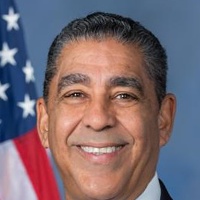
Adriano Espaillat
Representative
NY
Adriano Espaillat
Representative
NY
The Roberto Clemente Commemorative Coin Act directs the Department of Treasury to mint and issue gold, silver, and half-dollar coins in 2027 to commemorate the life and legacy of Roberto Clemente. The coins' designs will represent Clemente's life, including his baseball achievements and humanitarian work. Surcharges from the coin sales will benefit the Roberto Clemente Foundation, supporting their educational programs, youth sports initiatives, disaster relief efforts, and historic preservation projects. The Act ensures that the coin program will not incur any net cost to the United States government.
To award a Congressional Gold Medal to the 761st Tank Battalion, the first Black soldiers to serve in an American armored unit, for their valor and crucial contributions to the Allied victory in Europe.
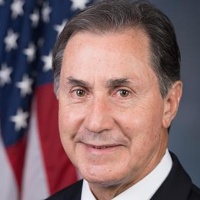
Gary Palmer
Representative
AL
Gary Palmer
Representative
AL
This bill authorizes the Speaker of the House and the President pro tempore of the Senate to award a Congressional Gold Medal to the 761st Tank Battalion, also known as the "Black Panthers," in recognition of their courageous service and crucial contributions during World War II. The medal will be given to the National Museum of African American History and Culture for display, honoring the 761st as the first Black soldiers to serve in an American armored unit and their significant role in the Allied victory in Europe. The bill also allows for the creation and sale of bronze duplicates of the medal to support the United States Mint Public Enterprise Fund.
This resolution condemns the Iranian regime’s terrorism and human rights abuses while affirming support for the Iranian people’s right to establish a democratic, secular, and non-nuclear republic.
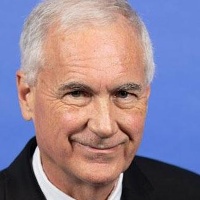
Tom McClintock
Representative
CA
Tom McClintock
Representative
CA
This resolution condemns the Iranian regime for its ongoing human rights abuses, state-sponsored terrorism, and regional instability. It expresses strong support for the Iranian people's struggle for a democratic, secular, and non-nuclear republic. Furthermore, the bill advocates for international accountability for the regime's crimes and calls for the protection of Iranian political refugees.
The "Protect and Serve Act of 2025" establishes federal penalties for intentionally causing serious harm or death to law enforcement officers because of their position, under certain circumstances, and requires Attorney General certification for federal prosecution in many cases.
John Rutherford
Representative
FL
John Rutherford
Representative
FL
The "Protect and Serve Act of 2025" creates federal offenses for intentionally causing serious injury or death to law enforcement officers because of their status as officers. It sets penalties including imprisonment and fines, with increased penalties if death results or if kidnapping or attempted killing is involved. Federal prosecution requires certification from the Attorney General, based on a request from the state or if it is in the public interest to ensure substantial justice. The act defines "law enforcement officer" and "State" for the purposes of the new offenses.