Legislative Activity
Track Mark's sponsored bills, co-sponsored legislation, and voting record
The REPAIR Act ensures vehicle owners and independent repair shops have access to vehicle data and repair information, promoting competition and protecting data privacy in the auto repair industry.
Neal Dunn
Representative
FL
Neal Dunn
Representative
FL
The "Right to Equitable and Professional Auto Industry Repair Act" or the "REPAIR Act" ensures vehicle owners and independent repair shops have access to necessary vehicle data, repair information, and tools, preventing manufacturers from creating barriers to repairs. It establishes an advisory committee to address competition issues in the auto repair industry and mandates that car buyers are informed of their rights to choose repair options. The Federal Trade Commission (FTC) is empowered to enforce the Act, protecting consumers from unfair restrictions on vehicle repair and ensuring control over their vehicle data.
The "Access Technology Affordability Act of 2025" creates a tax credit of up to $2,000 every three years for blind individuals who purchase qualified access technology.
Mike Kelly
Representative
PA
Mike Kelly
Representative
PA
The "Access Technology Affordability Act of 2025" introduces a tax credit for blind individuals who purchase qualified access technology, such as hardware or software that converts visual information into accessible formats. The credit is capped at $2,000 per blind individual over any three consecutive tax years and will be adjusted for inflation after 2026. This credit is effective for tax years starting after December 31, 2025, and expires after December 31, 2030. It ensures that individuals cannot claim double benefits for the same expenses.
This bill equalizes the negotiation period for drug price negotiations under the Drug Price Negotiation Program by extending the period for small-molecule drugs from 7 years to 11 years, matching that of biologic drugs.
Gregory Murphy
Representative
NC
Gregory Murphy
Representative
NC
This bill amends the Social Security Act to equalize the negotiation period for drug price negotiations under the Drug Price Negotiation Program. It changes the negotiation period for small-molecule drugs from 7 years to 11 years, matching the period already in place for biologic drugs. This adjustment aims to create parity in negotiation timelines between different types of medications, effective as if included in the original legislation.
The "Discriminatory Gaming Tax Repeal Act of 2025" eliminates federal excise taxes on wagering, starting in 2025.
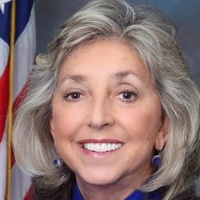
Dina Titus
Representative
NV
Dina Titus
Representative
NV
The "Discriminatory Gaming Tax Repeal Act of 2025" eliminates excise taxes on wagering, as specified in Chapter 35 of the Internal Revenue Code of 1986. This repeal is effective for taxable years starting after December 31, 2024.
The "Downwinders Parity Act of 2025" amends the Radiation Exposure Compensation Act to expand coverage areas and extends the trust fund until December 31, 2030.

Paul Gosar
Representative
AZ
Paul Gosar
Representative
AZ
The "Downwinders Parity Act of 2025" amends the Radiation Exposure Compensation Act to expand coverage areas to include all acreage in counties partially within the covered area, while removing specific townships. It extends the trust fund supporting the Act until December 31, 2030. Additionally, it requires the Attorney General to report on outreach efforts to newly eligible individuals.
The "Death Tax Repeal Act" eliminates estate and generation-skipping transfer taxes, adjusts gift tax calculations, and sets a $10,000,000 lifetime gift exemption.
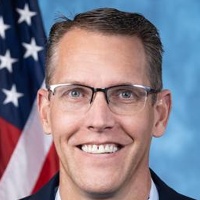
Randy Feenstra
Representative
IA
Randy Feenstra
Representative
IA
The "Death Tax Repeal Act" eliminates both estate and generation-skipping transfer taxes, effective from the date of enactment. It adjusts gift tax calculations by setting the lifetime gift exemption at $10,000,000, with inflation adjustments after 2011. The Act also includes transitional rules for applying certain sections of the Internal Revenue Code during the enactment year.
This resolution expresses Congressional opposition to imposing new performance fees or royalties on local radio stations and businesses for broadcasting or playing music.
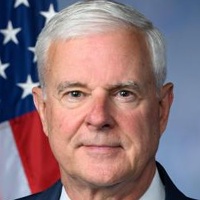
Steve Womack
Representative
AR
Steve Womack
Representative
AR
The Local Radio Freedom Act expresses Congressional opposition to imposing new performance fees, taxes, or royalties on local radio stations and businesses for playing music. It argues that the current system of free airplay provides essential promotional value to artists and that new fees would threaten the financial viability of local broadcasters and the vital community services they provide.
This act authorizes the creation of the Smithsonian National Museum of the American Latino on the National Mall, ensuring diverse representation in its exhibits and programs.
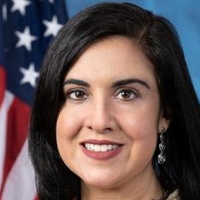
Nicole Malliotakis
Representative
NY
Nicole Malliotakis
Representative
NY
The Smithsonian National Museum of the American Latino Act authorizes the creation of the Smithsonian National Museum of the American Latino on the National Mall. It ensures the museum's exhibits and programs accurately represent the diverse cultures, histories, events, and values of Hispanic and Latino communities, seeking guidance from diverse sources. The Act also mandates regular reports to Congress on the museum's efforts to meet these diversity requirements.
The "U.S. Park Police Modernization Act" updates the pay scale and advancement steps for U.S. Park Police officers.
Nicole Malliotakis
Representative
NY
Nicole Malliotakis
Representative
NY
The U.S. Park Police Modernization Act amends the District of Columbia Police and Firemen’s Salary Act of 1958 to adjust the pay scales for United States Park Police officers. It revises the service step schedule for officers and members of the United States Park Police and modifies service step advancements. These changes will take effect on the first day of the first pay period after the enactment of this Act.
Repeals the Impoundment Control Act of 1974, eliminating congressional oversight of presidential decisions to withhold funds.
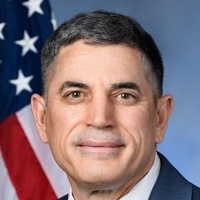
Andrew Clyde
Representative
GA
Andrew Clyde
Representative
GA
This bill repeals the Impoundment Control Act of 1974, eliminating the requirements for the President to report to Congress on decisions to withhold or delay spending of appropriated funds. This removes the process by which Congress can approve or disapprove of these presidential actions.
The "Freedom to Invest in Tomorrow's Workforce Act" expands the use of 529 savings accounts to cover expenses related to postsecondary credentialing programs, including tuition, fees, books, supplies, equipment, and testing fees.

Robert Wittman
Representative
VA
Robert Wittman
Representative
VA
The "Freedom to Invest in Tomorrow's Workforce Act" amends Section 529 savings accounts to include expenses related to postsecondary credentialing programs. This allows 529 funds to cover costs like tuition, fees, books, supplies, and testing fees for recognized programs and credentials, as defined by the bill. These changes would apply to distributions made after the bill is enacted.
Establishes a commission to study the feasibility of creating a National Museum of Italian American History and Culture in Washington, D.C., funded through private contributions.
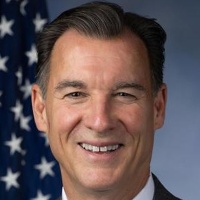
Thomas Suozzi
Representative
NY
Thomas Suozzi
Representative
NY
This bill establishes a commission to study the feasibility of creating a National Museum of Italian American History and Culture in Washington, D.C. The commission will develop recommendations for a plan of action, including a fundraising plan to support the museum's establishment, operation, and maintenance without federal funds. The commission will submit reports to the President and Congress, and will conclude 30 days after submitting its final reports. No federal funds will be used for the commission's work.
This bill mandates a federal evaluation and report on the effectiveness of container aerial firefighting systems (CAFFS) for wildfire suppression.
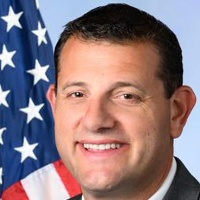
David Valadao
Representative
CA
David Valadao
Representative
CA
The Emergency Wildfire Fighting Technology Act of 2025 mandates a federal evaluation of the Container Aerial Firefighting System (CAFFS) to determine its effectiveness in wildfire suppression. The Secretaries of Agriculture and the Interior are required to report their findings to Congress within 120 days of the bill's enactment.
The Fair Access to Banking Act prohibits large financial institutions and payment networks from denying services to law-abiding businesses based on subjective, non-financial, or political criteria.
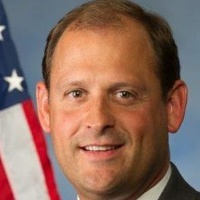
Garland Barr
Representative
KY
Garland Barr
Representative
KY
The Fair Access to Banking Act prohibits large financial institutions and payment networks from denying services to law-abiding businesses based on subjective, politically motivated, or reputational criteria. The bill mandates that financial institutions use impartial, quantitative, risk-based standards to evaluate customers rather than category-based exclusions. To ensure compliance, the legislation establishes enforcement mechanisms through federal regulators and provides a legal pathway for businesses to sue for damages if they are unfairly denied access to financial services.
This bill provides a 6.62 percent Medicare payment increase for physicians and practitioners from April through December 2025 to help stabilize medical practices.
Gregory Murphy
Representative
NC
Gregory Murphy
Representative
NC
The Medicare Patient Access and Practice Stabilization Act of 2025 aims to support healthcare providers by extending Medicare payment adjustments through the end of 2025. Specifically, the bill provides a 6.62 percent payment increase for services rendered between April 1, 2025, and December 31, 2025, to help practitioners adjust to evolving Medicare payment policies.
The Born-Alive Abortion Survivors Protection Act requires health care practitioners to provide the same level of care to infants born alive after an abortion attempt as they would to any other newborn, mandating immediate hospitalization and imposing penalties for violations, while protecting the mother from prosecution. It also allows the mother of a child born alive to file a civil action against anyone who violated the act.
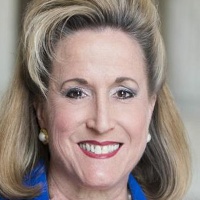
Ann Wagner
Representative
MO
Ann Wagner
Representative
MO
The "Born-Alive Abortion Survivors Protection Act" ensures that infants born alive after an abortion receive the same medical care as any other newborn, mandating immediate hospitalization and requiring healthcare practitioners to report any failures to comply. Violators face fines, imprisonment, and potential prosecution for homicide or attempted homicide, while the mother of the child cannot be prosecuted. The bill also allows the woman who had the abortion to file a civil action against anyone who violated the act. It defines abortion and attempts at abortion, and renames "Partial-Birth Abortions" to "Abortions" in relevant sections of the U.S. Code.
The "Fix Our Forests Act" aims to reduce wildfire risks, improve forest health, and support communities by focusing on landscape-scale restoration, protecting wildland-urban interface areas, and enhancing transparency and technology in forest management. It also establishes a casualty assistance program for wildland firefighters and their families.
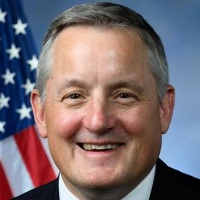
Bruce Westerman
Representative
AR
Bruce Westerman
Representative
AR
The "Fix Our Forests Act" aims to improve forest management and wildfire resilience through landscape-scale restoration, community protection in wildland-urban interfaces, and enhanced transparency and technology. It establishes programs for wildfire risk reduction, reforestation, and biochar development, while also focusing on restoring white oak populations and supporting the families of firefighters. The act streamlines project approvals, encourages collaboration, and implements litigation reforms to expedite forest management activities. Additionally, it creates a casualty assistance program for firefighters and support personnel who are seriously injured, become ill, or die while on duty.
This bill amends the Internal Revenue Code to allow corporations to deduct intangible drilling and development costs when calculating adjusted financial statement income for the corporate alternative minimum tax.
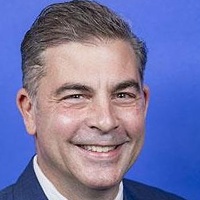
Mike Carey
Representative
OH
Mike Carey
Representative
OH
The Promoting Domestic Energy Production Act revises corporate tax accounting rules to incentivize domestic energy investment. By allowing corporations to deduct intangible drilling and development costs when calculating their alternative minimum tax, the bill aims to reduce the tax burden on energy producers.
The BNA Fairness Act ensures that the Basic Needs Allowance for active-duty service members is exempt from federal income tax.
Steve Womack
Representative
AR
Steve Womack
Representative
AR
The BNA Fairness Act ensures that the Basic Needs Allowance (BNA) provided to eligible active-duty service members is exempt from federal income tax. By classifying this support as a qualified military benefit, the bill prevents these essential payments from being reduced by tax obligations.
The Main Street Tax Certainty Act makes the 20% pass-through business income deduction permanent by removing its scheduled expiration after 2025.
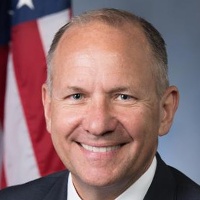
Lloyd Smucker
Representative
PA
Lloyd Smucker
Representative
PA
The Main Street Tax Certainty Act makes the 20% pass-through business income deduction permanent. By removing the current 2025 expiration date, this legislation ensures long-term tax relief for owners of qualified pass-through entities.