Legislative Activity
Track Robert's sponsored bills, co-sponsored legislation, and voting record
The Marc Fischer Memorial Act mandates the implementation of a comprehensive digital mail scanning strategy across all federal prisons to detect and interdict synthetic drugs like fentanyl.
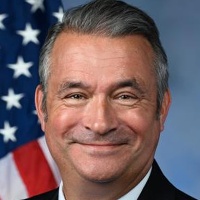
Don Bacon
Representative
NE
Don Bacon
Representative
NE
The Marc Fischer Memorial Act mandates that the Bureau of Prisons implement a comprehensive strategy to achieve 100% digital scanning of all inmate mail to interdict fentanyl and other synthetic drugs. By transitioning to digital mail processing, the Act aims to protect staff and inmates from lethal exposure, improve institutional security, and alleviate the administrative burden on correctional personnel.
This resolution expresses the sense of Congress that the United States should formally recognize Taiwan as an independent nation, establish full diplomatic relations, negotiate a free trade agreement, and support its membership in international organizations.
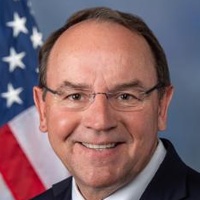
Thomas Tiffany
Representative
WI
Thomas Tiffany
Representative
WI
This resolution expresses the sense of Congress that the United States should formally recognize Taiwan as an independent, sovereign nation and abandon the obsolete "One China Policy." It calls for the normalization of diplomatic relations, the negotiation of a bilateral free trade agreement, and active U.S. support for Taiwan’s membership in international organizations.
Establishes a commission to study the feasibility of creating a National Museum of Italian American History and Culture in Washington, D.C., funded through private contributions.
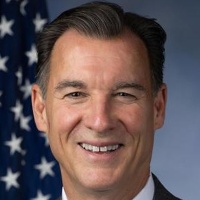
Thomas Suozzi
Representative
NY
Thomas Suozzi
Representative
NY
This bill establishes a commission to study the feasibility of creating a National Museum of Italian American History and Culture in Washington, D.C. The commission will develop recommendations for a plan of action, including a fundraising plan to support the museum's establishment, operation, and maintenance without federal funds. The commission will submit reports to the President and Congress, and will conclude 30 days after submitting its final reports. No federal funds will be used for the commission's work.
This bill authorizes the President to extend permanent normal trade relations to Kazakhstan by terminating the application of title IV of the Trade Act of 1974 to the country.
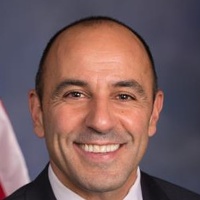
Jimmy Panetta
Representative
CA
Jimmy Panetta
Representative
CA
The US-Kazakhstan Trade Modernization Act authorizes the President to grant Kazakhstan permanent normal trade relations status. This legislation recognizes Kazakhstan’s compliance with international freedom of emigration requirements and its commitment to World Trade Organization standards. By terminating the application of title IV of the Trade Act of 1974, the bill aims to modernize and solidify the bilateral trade relationship between the two nations.
The Dismantle DEI Act of 2025 immediately rescinds federal diversity, equity, and inclusion (DEI) mandates across executive offices, contracting, grants, and education, while banning related training and imposing penalties for non-compliance.
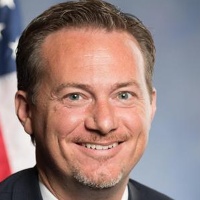
Michael Cloud
Representative
TX
Michael Cloud
Representative
TX
The Dismantle DEI Act of 2025 aims to immediately rescind diversity, equity, and inclusion (DEI) mandates across the federal government, including shutting down related offices and banning specific ideological training for federal personnel and contractors. The bill prohibits the use of federal funds for DEI activities by grant recipients and mandates that federal advisory committees cease all such practices or face termination. Furthermore, it establishes strong enforcement mechanisms, allowing individuals to sue violators and seek financial penalties for non-compliance.
This bill mandates federal investigations into potential violations of the partial-birth abortion ban, establishes mandatory reporting requirements for healthcare providers, and requires regular oversight reports to Congress.
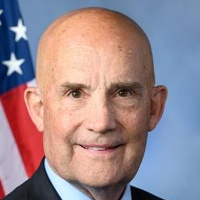
Keith Self
Representative
TX
Keith Self
Representative
TX
The Ensuring Justice for Victims of Partial-Birth Abortion Act mandates federal investigations into potential violations of the partial-birth abortion ban, including a specific inquiry into the 2022 discovery of fetal remains in Washington, D.C. The bill establishes new requirements for reporting suspected violations and mandates annual Department of Justice reporting on enforcement efforts. Additionally, it directs the Government Accountability Office to review and provide recommendations for strengthening the enforcement of existing federal abortion restrictions.
The Teleabortion Prevention Act of 2025 would establish federal criminal penalties for healthcare providers who perform chemical abortions without being physically present for the examination, administration, and follow-up care.

Mark Harris
Representative
NC
Mark Harris
Representative
NC
The Teleabortion Prevention Act of 2025 would make it a federal crime for healthcare providers to dispense or prescribe abortion drugs without being physically present for the patient's examination and follow-up care. The bill includes exceptions for life-threatening medical emergencies and the treatment of ectopic pregnancies, while explicitly granting immunity from prosecution to patients.
The Life at Conception Act declares that the constitutional right to life begins at the moment of fertilization and applies to every member of the species *homo sapiens* at all stages of development.
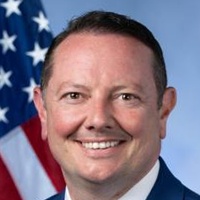
Eric Burlison
Representative
MO
Eric Burlison
Representative
MO
The Life at Conception Act declares that the constitutional right to life begins at the moment of fertilization, defining all human beings as persons from that point forward. The bill establishes legal personhood for every member of the species *homo sapiens* at all stages of development. Additionally, it explicitly prohibits the prosecution of any woman for the death of her unborn child.
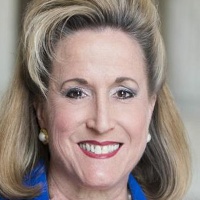
The Born-Alive Abortion Survivors Protection Act requires health care practitioners to provide the same level of care to infants born alive after an abortion attempt as they would to any other newborn, mandating immediate hospitalization and imposing penalties for violations, while protecting the mother from prosecution. It also allows the mother of a child born alive to file a civil action against anyone who violated the act.
Ann Wagner
Representative
MO
Ann Wagner
Representative
MO
The "Born-Alive Abortion Survivors Protection Act" ensures that infants born alive after an abortion receive the same medical care as any other newborn, mandating immediate hospitalization and requiring healthcare practitioners to report any failures to comply. Violators face fines, imprisonment, and potential prosecution for homicide or attempted homicide, while the mother of the child cannot be prosecuted. The bill also allows the woman who had the abortion to file a civil action against anyone who violated the act. It defines abortion and attempts at abortion, and renames "Partial-Birth Abortions" to "Abortions" in relevant sections of the U.S. Code.
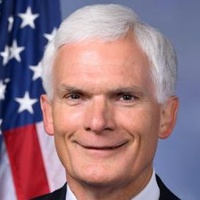
The SAVE Moms and Babies Act of 2025 prohibits the FDA from approving new abortion drugs and imposes strict federal restrictions on the distribution, usage, and reporting requirements for existing abortion medications.
Robert Latta
Representative
OH
Robert Latta
Representative
OH
The SAVE Moms and Babies Act of 2025 prohibits the FDA from approving new abortion drugs and restricts the use of existing ones. The bill mandates strict safety protocols, including in-person administration requirements, expanded adverse event reporting, and limitations on gestational age for drug use.
The Heartbeat Protection Act of 2025 prohibits physicians from performing abortions once a fetal heartbeat is detectable, subject to specific exceptions and federal penalties.

Mike Kelly
Representative
PA
Mike Kelly
Representative
PA
The Heartbeat Protection Act of 2025 prohibits physicians from performing an abortion if a fetal heartbeat is detectable, subject to specific exceptions for medical emergencies, rape, and incest. Physicians who knowingly violate this federal law face potential fines and imprisonment, though the legislation explicitly protects the mother from prosecution. The bill also mandates strict documentation and record-keeping requirements for all heartbeat determinations and exception claims.
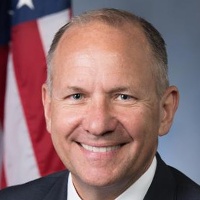
The Main Street Tax Certainty Act makes the 20% pass-through business income deduction permanent by removing its scheduled expiration after 2025.
Lloyd Smucker
Representative
PA
Lloyd Smucker
Representative
PA
The Main Street Tax Certainty Act makes the 20% pass-through business income deduction permanent. By removing the current 2025 expiration date, this legislation ensures long-term tax relief for owners of qualified pass-through entities.
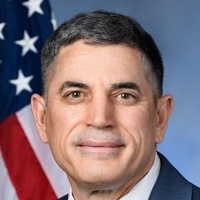
This resolution formally supports the "Day of Tears" by encouraging the lowering of U.S. flags to half-staff annually on January 22nd to memorialize the unborn.
Andrew Clyde
Representative
GA
Andrew Clyde
Representative
GA
This resolution formally expresses the House of Representatives' support for the "Day of Tears" to mourn the estimated 62 million unborn lives lost since 1973. It encourages the lowering of United States flags to half-staff on January 22nd each year to honor these lives. Furthermore, the resolution urges state legislatures to pass laws affirming the sanctity of life and improving abortion data collection.
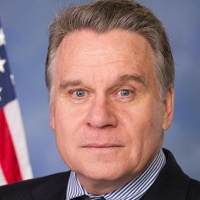
This bill prohibits federal funding for abortions and for health insurance plans that cover abortions, clarifies these prohibitions under the Affordable Care Act, and requires health plans to disclose the extent of their abortion coverage and any related surcharges.
Christopher Smith
Representative
NJ
Christopher Smith
Representative
NJ
The "No Taxpayer Funding for Abortion and Abortion Insurance Full Disclosure Act of 2025" seeks to prohibit the use of federal funds for abortions and for health plans that cover abortions, while allowing individuals and entities to purchase separate abortion coverage with non-federal funds. It clarifies that premium tax credits and cost-sharing reductions under the Affordable Care Act (ACA) cannot be used for health plans that include abortion coverage. The Act also revises notice requirements for health plans, mandating clear disclosure of abortion coverage and any associated premium surcharges to enrollees. Exceptions to the funding restrictions are included for cases of rape, incest, or when the mother's life is in danger.
This bill proposes a constitutional amendment to permanently set the number of Supreme Court justices at nine, requiring ratification by three-fourths of the states within seven years.

Dusty Johnson
Representative
SD
Dusty Johnson
Representative
SD
This bill proposes a constitutional amendment to fix the number of Supreme Court justices at nine. For this amendment to be valid, three-fourths of the state legislatures must ratify it within seven years of its submission.
This bill prohibits federal funding for any institution of higher education that hosts or is affiliated with a campus-based clinic providing abortions or abortion-inducing drugs.

Chip Roy
Representative
TX
Chip Roy
Representative
TX
The Protecting Life on College Campus Act of 2025 prohibits federal funding for any institution of higher education that hosts or is affiliated with campus-based clinics providing abortions or abortion-inducing drugs. To remain eligible for federal support, institutions must submit an annual certification confirming their compliance with these restrictions.
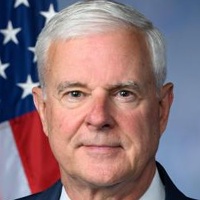
The Pet Food Uniform Regulatory Reform (PURR) Act of 2025 establishes a streamlined, uniform federal regulatory framework for pet food labeling, ingredient review, and marketing to replace inconsistent state-level requirements.
Steve Womack
Representative
AR
Steve Womack
Representative
AR
The Pet Food Uniform Regulatory Reform (PURR) Act of 2025 establishes a streamlined, uniform federal regulatory framework for pet food to replace the current patchwork of state-level requirements. By centralizing oversight under the FDA’s Center for Veterinary Medicine, the bill standardizes ingredient reviews, labeling, and marketing claims to improve marketplace certainty and innovation. Ultimately, this Act aims to enhance the nationwide availability of safe, nutritious, and affordable food for companion animals.
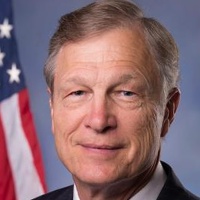
The Birthright Citizenship Act of 2025 limits automatic birthright citizenship to children born in the U.S. to at least one parent who is a U.S. citizen, a lawful permanent resident, or an alien serving in the U.S. armed forces.
Brian Babin
Representative
TX
Brian Babin
Representative
TX
The Birthright Citizenship Act of 2025 proposes to limit automatic birthright citizenship to children born in the United States who have at least one parent who is a U.S. citizen, a lawful permanent resident, or an alien serving in the U.S. armed forces. This legislation would exclude children born to parents without legal status or those on temporary visas from receiving automatic citizenship. These changes would apply only to individuals born on or after the date of the Act's enactment.
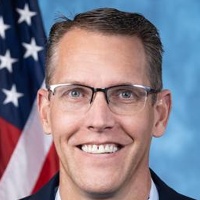
Sarah’s Law mandates the detention of noncitizens charged with crimes resulting in death or serious bodily injury and requires the Department of Homeland Security to provide timely updates to victims or their families.
Randy Feenstra
Representative
IA
Randy Feenstra
Representative
IA
Sarah’s Law mandates the detention of noncitizens who are charged with or convicted of crimes resulting in death or serious bodily injury. The bill also requires the Department of Homeland Security to issue detainers for these individuals and provide victims or their families with timely, ongoing updates regarding the offender's immigration and custody status.
This bill increases the railroad track maintenance tax credit, introduces annual inflation adjustments, and extends the eligibility period for qualifying expenditures.
Mike Kelly
Representative
PA
Mike Kelly
Representative
PA
This bill amends the Internal Revenue Code to expand the railroad track maintenance credit by increasing the per-mile tax credit to $6,100 and implementing annual inflation adjustments starting in 2026. It also extends the eligibility window for qualifying maintenance expenditures to include costs incurred through 2023. These updates aim to provide greater financial support for ongoing railroad infrastructure improvements.