Legislative Activity
Track Robert's sponsored bills, co-sponsored legislation, and voting record
This resolution expresses formal condolences to the families and loved ones of the 67 victims of the January 2025 collision between American Eagle Flight 5342 and a U.S. Army flight, while honoring the victims and commending the first responders.
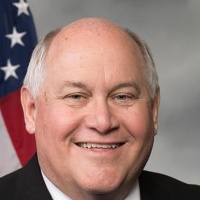
Ron Estes
Representative
KS
Ron Estes
Representative
KS
This resolution expresses the House of Representatives' deepest condolences to the families and loved ones of the 67 individuals who lost their lives in the January 29, 2025, collision of American Eagle Flight 5342 and a U.S. Army flight. It honors the victims, many of whom had strong ties to Wichita, Kansas, and commends the heroic efforts of the first responders and emergency personnel who managed the recovery.
This bill authorizes a joint session of Congress to be held in Philadelphia on July 2, 2026, to commemorate the 250th anniversary of the Declaration of Independence.
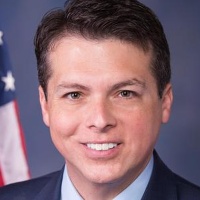
Brendan Boyle
Representative
PA
Brendan Boyle
Representative
PA
This resolution authorizes a joint session of Congress to be held at Independence National Historical Park in Philadelphia on July 2, 2026. This historic meeting will commemorate the 250th anniversary of the signing of the Declaration of Independence.
This Act directs the Architect of the Capitol to create, bury, and seal a time capsule on the U.S. Capitol grounds to commemorate the nation's 250th anniversary, to be opened in 2276.
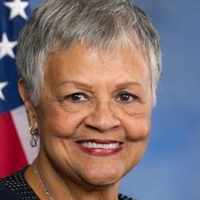
Bonnie Watson Coleman
Representative
NJ
Bonnie Watson Coleman
Representative
NJ
The Semiquincentennial Congressional Time Capsule Act directs the Architect of the Capitol to create and bury a time capsule on the U.S. Capitol grounds to commemorate the nation’s 250th anniversary. Curated by congressional leadership, the capsule will contain historical items and legislative milestones to be preserved for future generations. It is scheduled to be sealed on July 4, 2026, and reopened by Congress on July 4, 2276.
This bill directs the Joint Committee on the Library to procure and install a statue of Benjamin Franklin in the United States Capitol by the end of 2026.
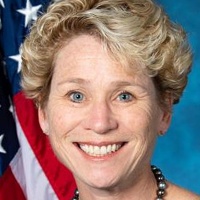
Chrissy Houlahan
Representative
PA
Chrissy Houlahan
Representative
PA
This bill directs the Joint Committee on the Library to procure a statue of Benjamin Franklin for permanent display within the United States Capitol. The statue is required to be acquired by the end of 2025 and installed in a publicly accessible location by December 31, 2026.
To award a Congressional Gold Medal to the 761st Tank Battalion, the first Black soldiers to serve in an American armored unit, for their valor and crucial contributions to the Allied victory in Europe.
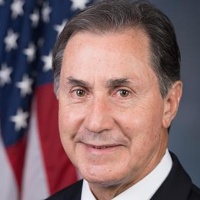
Gary Palmer
Representative
AL
Gary Palmer
Representative
AL
This bill authorizes the Speaker of the House and the President pro tempore of the Senate to award a Congressional Gold Medal to the 761st Tank Battalion, also known as the "Black Panthers," in recognition of their courageous service and crucial contributions during World War II. The medal will be given to the National Museum of African American History and Culture for display, honoring the 761st as the first Black soldiers to serve in an American armored unit and their significant role in the Allied victory in Europe. The bill also allows for the creation and sale of bronze duplicates of the medal to support the United States Mint Public Enterprise Fund.
This resolution condemns the Iranian regime’s terrorism and human rights abuses while affirming support for the Iranian people’s right to establish a democratic, secular, and non-nuclear republic.
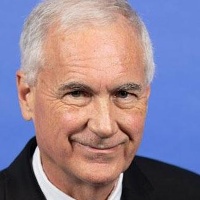
Tom McClintock
Representative
CA
Tom McClintock
Representative
CA
This resolution condemns the Iranian regime for its ongoing human rights abuses, state-sponsored terrorism, and regional instability. It expresses strong support for the Iranian people's struggle for a democratic, secular, and non-nuclear republic. Furthermore, the bill advocates for international accountability for the regime's crimes and calls for the protection of Iranian political refugees.
The SCREEN Act requires online platforms that host or provide pornographic content to implement technology to verify users' ages and prevent minors from accessing harmful material.
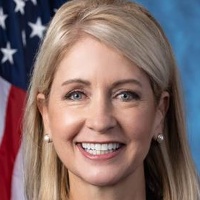
Mary Miller
Representative
IL
Mary Miller
Representative
IL
The SCREEN Act requires online platforms that host or provide pornographic content to implement technology verification measures to prevent minors from accessing harmful material. It mandates that these platforms use reliable age verification methods, undergo regular audits by the Federal Trade Commission (FTC) to ensure compliance, and protect user data collected during the verification process. The FTC is responsible for enforcing the Act, and the Government Accountability Office (GAO) must report to Congress on the effectiveness and impact of these measures. This act aims to protect children from the harmful effects of online pornography.
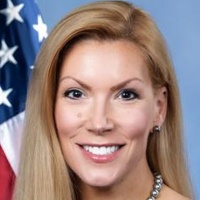
The Leveling the Playing Field 2.0 Act strengthens U.S. trade laws to counteract unfair trade practices like foreign subsidies, currency manipulation, and duty evasion, ensuring fair competition for American businesses.
Beth Van Duyne
Representative
TX
Beth Van Duyne
Representative
TX
The Leveling the Playing Field 2.0 Act aims to strengthen U.S. trade laws by addressing unfair subsidies, currency undervaluation, duty evasion, and circumvention of trade remedies. It refines the process for handling successive trade investigations, ensuring that the International Trade Commission considers prior findings and assesses cumulative effects on domestic industries. The act also empowers authorities to counteract cost distortions in foreign countries and prevent importers from avoiding duties. Additionally, it includes provisions related to trade with Canada and Mexico and sets effective dates for new regulations.
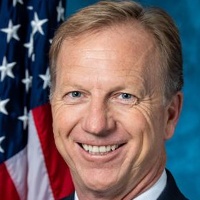
The "Protecting Life from Chemical Abortions Act" restricts the Department of Health and Human Services (including the FDA) from reducing Risk Evaluation and Mitigation Strategy (REMS) protections for abortion drugs and mandates the collection of standardized abortion data.
Kevin Hern
Representative
OK
Kevin Hern
Representative
OK
The "Protecting Life from Chemical Abortions Act" restricts the Department of Health and Human Services and the FDA, requiring them to enforce Risk Evaluation and Mitigation Strategy (REMS) requirements for abortion drugs, reinstate the in-person dispensing requirement, and prohibits reducing REMS protections until standardized abortion data is collected by the CDC from every state. It also defines key terms such as "abortion," "abortion drug," and "unborn child" and prohibits the HHS secretary from declaring a public health emergency with respect to abortion.
This bill authorizes the creation of a Congressional Gold Medal to honor the volunteers and communities involved with the North Platte Canteen during World War II.

Adrian Smith
Representative
NE
Adrian Smith
Representative
NE
The North Platte Canteen Congressional Gold Medal Act recognizes and honors the volunteers and donors of the North Platte Canteen in Nebraska during World War II with a Congressional Gold Medal. This medal will be presented by the Speaker of the House and the President pro tempore of the Senate, and then displayed at the Lincoln County Historical Museum. The Act also authorizes the creation and sale of bronze duplicates of the gold medal to cover production costs, with proceeds deposited into the Mint's Public Enterprise Fund.
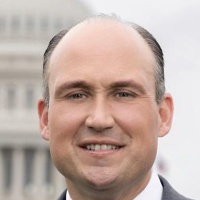
The "Make American Flags in America Act of 2025" mandates that U.S. flags displayed on Federal property or bought by Federal agencies be made entirely in the U.S., and requires a study on country-of-origin labeling enforcement for flags.
Nicholas Langworthy
Representative
NY
Nicholas Langworthy
Representative
NY
The "Make American Flags in America Act of 2025" mandates that U.S. flags displayed on Federal property or bought by Federal agencies be entirely manufactured in the U.S. using 100% U.S.-made materials, in accordance with international agreements. It also directs the Federal Trade Commission to study and report on country-of-origin labeling enforcement for U.S. flags, aiming to improve enforcement and deter violations.
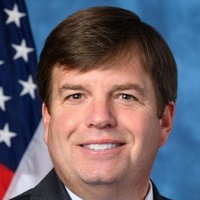
This bill restricts individuals and entities associated with Iran, North Korea, China, and Russia from purchasing or leasing U.S. agricultural land and participating in USDA programs, while also enhancing reporting requirements and penalties for foreign agricultural investment.
Dale Strong
Representative
AL
Dale Strong
Representative
AL
The "Protecting America's Agricultural Land from Foreign Harm Act of 2025" aims to safeguard U.S. agricultural land by prohibiting its purchase or lease by individuals or entities associated with the governments of Iran, North Korea, China, and Russia, while also preventing their participation in USDA programs. The bill expands reporting requirements under the Agricultural Foreign Investment Disclosure Act of 1978, increases penalties for violations, and mandates public online databases of foreign ownership. Additionally, it requires regular reports from the Secretary of Agriculture, the Director of National Intelligence, and the Government Accountability Office on foreign ownership and its potential risks.
This bill designates the Honor and Remember Flag as the official national symbol recognizing fallen members of the U.S. Armed Forces and mandates its display at various federal locations on specific holidays.
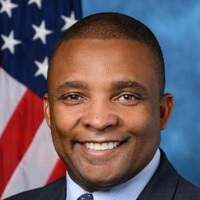
Donald Davis
Representative
NC
Donald Davis
Representative
NC
The Honor and Remember Flag Recognition Act designates the Honor and Remember Flag as the official national symbol recognizing members of the U.S. Armed Forces who die in the line of duty. It mandates the flag's display at various federal locations on specific holidays, including Armed Forces Day, Memorial Day, and Veterans Day. The bill requires relevant departments to establish regulations for flag display and directs the General Services Administration to procure and distribute the flags.
Mandates that schools receiving federal funds require daily Pledge of Allegiance recitation, display the U.S. flag in every classroom, and provide education on flag history, while allowing individuals to abstain for religious or personal reasons.
Dale Strong
Representative
AL
Dale Strong
Representative
AL
The "Promoting American Patriotism In Our Schools Act" mandates that schools receiving federal funds must require daily Pledge of Allegiance recitation, prominently display the U.S. flag in classrooms and gyms, and provide education on the flag's history. Individuals can abstain from reciting the Pledge for religious or personal reasons. Non-compliant schools will face enforcement by the Secretary.
This resolution designates February 15–22, 2025, as "National FFA Week" to celebrate the organization's impact on agricultural education and its historic milestones.
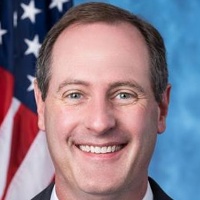
Tracey Mann
Representative
KS
Tracey Mann
Representative
KS
This resolution designates February 15–22, 2025, as "National FFA Week" to honor the National FFA Organization’s vital role in cultivating the next generation of agricultural leaders. It celebrates the organization’s commitment to personal growth and career readiness while commemorating the 90th anniversary of the New Farmers of America and the 75th anniversary of the FFA’s federal charter.
The "Fighting Trade Cheats Act of 2025" increases penalties for customs violations, allows private parties to sue for customs fraud, and excludes violators from the importer of record program.
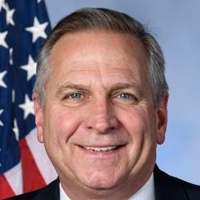
Mike Bost
Representative
IL
Mike Bost
Representative
IL
The "Fighting Trade Cheats Act of 2025" increases penalties for fraudulent and grossly negligent violations of U.S. customs laws, including banning violators and their affiliates from importing goods. It also allows private parties harmed by customs fraud to sue for damages and injunctive relief. The Act excludes those who commit fraud from participating in the importer of record program.
The "Death Tax Repeal Act" eliminates estate and generation-skipping transfer taxes, adjusts gift tax calculations, and sets a $10,000,000 lifetime gift exemption.
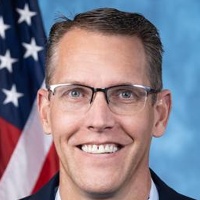
Randy Feenstra
Representative
IA
Randy Feenstra
Representative
IA
The "Death Tax Repeal Act" eliminates both estate and generation-skipping transfer taxes, effective from the date of enactment. It adjusts gift tax calculations by setting the lifetime gift exemption at $10,000,000, with inflation adjustments after 2011. The Act also includes transitional rules for applying certain sections of the Internal Revenue Code during the enactment year.
The "National Right-to-Work Act" prohibits mandatory union membership as a condition of employment, protecting employees' rights to choose whether or not to join or support a labor union.
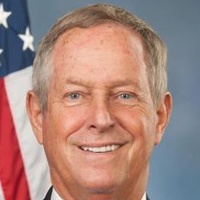
Joe Wilson
Representative
SC
Joe Wilson
Representative
SC
The "National Right-to-Work Act" amends both the National Labor Relations Act and the Railway Labor Act to protect an employee's right to choose whether or not to join or support a labor union. It eliminates the possibility of mandatory union membership or dues payments as a condition of employment, ensuring that employees cannot be forced to join or support a union against their will.
The "Alternatives to PAIN Act" aims to improve Medicare Part D coverage for non-opioid pain management drugs by reducing cost-sharing and removing barriers like step therapy and prior authorization, starting in 2026.
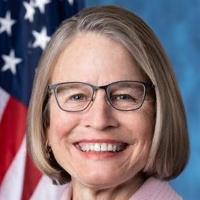
Mariannette Miller-Meeks
Representative
IA
Mariannette Miller-Meeks
Representative
IA
The "Alternatives to PAIN Act" amends Medicare Part D to improve access to non-opioid pain management drugs by waiving deductibles and ensuring they are placed on the lowest cost-sharing tier starting in 2026. The Act also prohibits the use of step therapy and prior authorization requirements for these drugs, further easing access for patients. These changes aim to provide more accessible alternatives for pain management, reducing reliance on opioids.
The "Freedom to Invest in Tomorrow's Workforce Act" expands the use of 529 savings accounts to cover expenses related to postsecondary credentialing programs, including tuition, fees, books, supplies, equipment, and testing fees.

Robert Wittman
Representative
VA
Robert Wittman
Representative
VA
The "Freedom to Invest in Tomorrow's Workforce Act" amends Section 529 savings accounts to include expenses related to postsecondary credentialing programs. This allows 529 funds to cover costs like tuition, fees, books, supplies, and testing fees for recognized programs and credentials, as defined by the bill. These changes would apply to distributions made after the bill is enacted.