Legislation
The Hawaii Native Species Conservation and Recovery Act of 2025 establishes a grant program to fund projects aimed at protecting and restoring native Hawaiian species and their habitats.
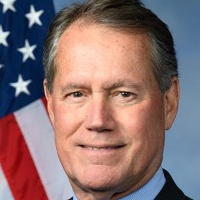
Ed Case
Representative
HI
Ed Case
Representative
HI
The Hawaii Native Species Conservation and Recovery Act of 2025 establishes a grant program to fund projects aimed at conserving and recovering native Hawaiian species. This program will provide financial assistance to eligible entities for initiatives focused on combating invasive species, addressing climate change impacts, restoring habitats, and enhancing scientific capacity. The Act prioritizes collaboration among federal and state agencies, Native Hawaiian organizations, and other stakeholders to ensure effective conservation efforts. It also requires annual reporting to Congress on the program's implementation and authorizes \$30,000,000 in appropriations for the program for each of the first 10 fiscal years after enactment.
The PLASMA Act phases in manufacturer discounts for plasma-derived products under Medicare Part D, starting in 2026, with varying percentages based on beneficiary out-of-pocket expenses.
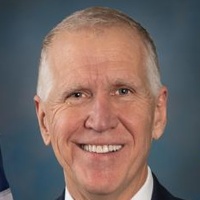
Thom Tillis
Senator
NC
Thom Tillis
Senator
NC
The PLASMA Act delays the full implementation of manufacturer discounts for plasma-derived products under Medicare Part D, phasing in the discounts from 2026 to 2032, depending on whether the beneficiary has met their out-of-pocket threshold. This phased approach aims to ensure continued access to these critical medicines, which are derived from human blood or plasma. The discounts do not apply to low-income subsidy recipients or drugs from small manufacturers.
The "Civil Investigative Demand Reform Act of 2025" amends the Consumer Financial Protection Act to reform the process and scope of civil investigative demands issued by the CFPB, including clarifying timelines, requiring specific factual support, allowing for inquiry and judicial review, and setting standards for demands to be set aside.
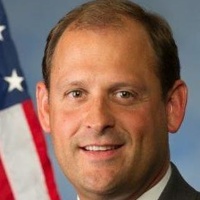
Garland Barr
Representative
KY
Garland Barr
Representative
KY
The "Civil Investigative Demand Reform Act of 2025" amends the Consumer Financial Protection Act of 2010, modifying the process for issuing and challenging civil investigative demands (CIDs) by the CFPB. These modifications include specifying timelines for issuing demands, requiring more detailed information in the demands, and creating a process for attorneys to ask questions about the scope of a demand. The bill also expands the grounds for setting aside a demand and allows for judicial review of the CFPB's denial of a petition to modify or set aside a demand.
The "District of Columbia Local Funds Act, 2025" appropriates local funds for District programs and activities as outlined in the Fiscal Year 2025 Local Budget Act, while adhering to revenue limits and reserve requirements.

Susan Collins
Senator
ME
Susan Collins
Senator
ME
The "District of Columbia Local Funds Act, 2025" appropriates local funds from the District's General Fund for the current fiscal year, in accordance with the Fiscal Year 2025 Local Budget Act of 2024. The total appropriation for the District's operating expenses in fiscal year 2025 cannot exceed the estimates in the Fiscal Year 2025 Local Budget Act of 2024 or the total revenues of the District for that year, with specific exceptions. The appropriated amount can be increased by proceeds from one-time transactions used for emergency or unanticipated needs, provided these increases are approved by local District law and comply with reserve requirements in the District of Columbia Home Rule Act. The Chief Financial Officer must ensure the District meets these requirements but cannot reprogram funds from bonds, notes, or other obligations issued for capital projects for operating expenses.
Mandates that all newly printed $100 bills after 2028 must feature a portrait of Donald J. Trump.
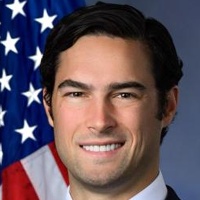
Brandon Gill
Representative
TX
Brandon Gill
Representative
TX
The "Golden Age Act of 2025" mandates that all newly printed $100 bills after December 31, 2028, will feature a portrait of Donald J. Trump. The Secretary of the Treasury must release the preliminary design for public view by December 31, 2026.
The "Expanding Student Access to Mental Health Services Act" amends the Elementary and Secondary Education Act of 1965 to support and improve mental health services for students through increased funding, better coordination with local agencies, and the use of technology.
Rick Allen
Representative
GA
Rick Allen
Representative
GA
The "Expanding Student Access to Mental Health Services Act" amends the Elementary and Secondary Education Act of 1965 to bolster mental health support for students. States can utilize funds to enhance mental health services, including implementing mental health first aid best practices and coordinating with local health agencies for services like telehealth. Local educational agencies must detail how funds will support mental health activities, and the act promotes the use of technology to improve and expand access to these crucial services. Technology infrastructure used for mental health services will be exempt from certain limitations.
Permanently allows individuals with health savings accounts (HSAs) to utilize telehealth services without needing to meet their deductible.
Jodey Arrington
Representative
TX
Jodey Arrington
Representative
TX
The "Telehealth Expansion Act of 2025" permanently allows individuals with Health Savings Accounts (HSAs) to access telehealth services without needing to meet their deductible first, starting after December 31, 2024. This removes a barrier to accessing telehealth services for HSA holders.
The CROWN Act of 2025 prohibits discrimination based on hair texture and hairstyle in federally funded programs, housing, public accommodations, and employment.
Bonnie Watson Coleman
Representative
NJ
Bonnie Watson Coleman
Representative
NJ
The CROWN Act of 2025 prohibits discrimination based on hair texture and hairstyle if that style is commonly associated with a particular race or national origin. This protection extends to federally funded programs, housing, public accommodations, and employment. The act aims to ensure equal opportunity and prevent discrimination based on hair, addressing historical biases and stereotypes. It clarifies that existing civil rights laws should be interpreted to include protection against hair-based discrimination.
Commemorates the 108th anniversary of Selfridge Air National Guard Base, recognizing its historical importance, economic impact, and contributions to U.S. national security.
Gary Peters
Senator
MI
Gary Peters
Senator
MI
This resolution celebrates the 108th anniversary of Selfridge Air National Guard Base, recognizing its historical importance, economic impact, and strategic value to U.S. national security. It acknowledges the base's contributions to national defense and aerospace, including its role as one of the oldest military airfields and its selection for the KC46A Pegasus tanker aircraft beddown. The resolution also commends the personnel at Selfridge and encourages continued support and cooperation to ensure the base's ongoing success.
The "Fair Grocery Pricing Act" aims to prevent anti-competitive practices among food producers by prohibiting coordination to manipulate food prices and empowering regulators and individuals to take action against violations.
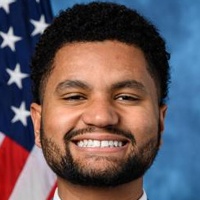
Maxwell Frost
Representative
FL
Maxwell Frost
Representative
FL
The "Fair Grocery Pricing Act" aims to prevent anti-competitive practices in the food industry by prohibiting food producers from colluding on pricing and supply through third-party coordinators. It empowers the FTC, Attorney General, and State Attorneys General to enforce the Act, allowing for civil penalties and legal action against violators. The Act also enables individuals harmed by violations to seek damages and invalidate certain pre-dispute agreements. This law supplements existing antitrust laws and does not override stricter state or local regulations.
The American Apprenticeship Act aims to expand apprenticeship opportunities by providing grants to states for pre-apprenticeship programs, identifying in-demand occupations, and promoting apprenticeships in non-traditional industries, with $15 million authorized annually from 2026-2031.
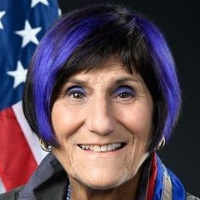
Rosa DeLauro
Representative
CT
Rosa DeLauro
Representative
CT
The American Apprenticeship Act aims to expand apprenticeship opportunities by providing grants to states for pre-apprenticeship programs and related instruction. It requires states to develop strategic plans that promote collaboration between industry, education, and labor, with a focus on expanding opportunities in non-traditional sectors and for underrepresented groups. The Act also directs the Secretary of Labor to identify in-demand occupations suitable for apprenticeship programs and report findings to Congress. Finally, it authorizes $15 million in appropriations annually from 2026 to 2031 to support these initiatives.
Eric's Law mandates a new jury for sentencing if the initial jury cannot unanimously agree, and prohibits the death penalty if a second jury also fails to reach a unanimous decision.

Ted Cruz
Senator
TX
Ted Cruz
Senator
TX
Eric's Law amends title 18 of the United States Code, mandating that if a jury cannot unanimously agree on a sentencing recommendation in certain cases, the court must impanel a new jury for a special hearing upon the government's request. If the second jury also fails to reach a unanimous sentencing recommendation, the court is required to impose a sentence other than death.
This bill expands the types of healthcare providers eligible to offer telehealth services under Medicare.
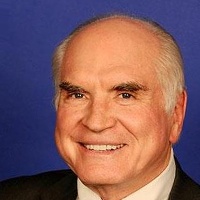
Mike Kelly
Representative
PA
Mike Kelly
Representative
PA
This bill amends Title XVIII of the Social Security Act to broaden access to telehealth services under Medicare. It expands the types of healthcare practitioners eligible to provide these services. This change aims to increase convenience and access to healthcare for Medicare beneficiaries.
The Rural Wellness Act prioritizes and extends support for behavioral and mental health treatment services in rural development programs through 2029.
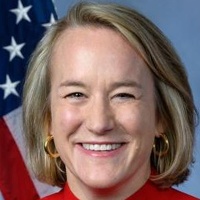
Nicole (Nikki) Budzinski
Representative
IL
Nicole (Nikki) Budzinski
Representative
IL
The Rural Wellness Act extends provisions from the Agriculture Improvement Act of 2018 to 2029, adjusting specific allocation timelines. It prioritizes rural development program grants for projects that include behavioral and mental health treatment services. This prioritization includes facilities for prevention, treatment, or recovery and applicants focusing on behavioral and mental health education.
This bill awards Edward J. Dwight, Jr., the first African-American astronaut candidate, a Congressional Gold Medal for his pioneering achievements, service, and contributions to art and Black history.

Michael Bennet
Senator
CO
Michael Bennet
Senator
CO
The Edward J. Dwight, Jr. Congressional Gold Medal Act of 2025 directs the Speaker of the House and the President pro tempore of the Senate to award a Congressional Gold Medal to Edward J. Dwight, Jr., the first African-American astronaut candidate, in recognition of his achievements and contributions to art and Black history. The Act instructs the Secretary of the Treasury to create the gold medal. It also allows for the production and sale of bronze duplicates to the public and specifies that these medals are national and numismatic items.
The "PLUS for Veterans Act of 2025" aims to protect veterans by clarifying who can assist with VA claims, regulating fees charged by agents and attorneys, and reinstating penalties for unauthorized charges.
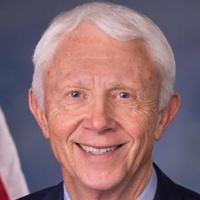
Jack Bergman
Representative
MI
Jack Bergman
Representative
MI
The PLUS for Veterans Act of 2025 aims to protect veterans by clarifying who can assist with VA claims, reinstating penalties for charging unauthorized fees, and ensuring fair representation. It requires agents and attorneys to apply for recognition, limits fees for initial claims, and mandates transparency regarding free services available to veterans. The Act also overrides conflicting state laws to ensure consistent enforcement of these protections.
The "FARM Act of 2025" restricts tax credits for renewable energy production, specifically solar and wind, on agricultural land used by public utilities.
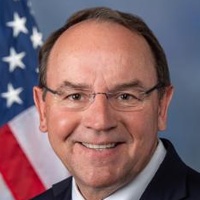
Thomas Tiffany
Representative
WI
Thomas Tiffany
Representative
WI
The FARM Act of 2025 restricts federal tax credits for renewable energy production, specifically solar and wind facilities, when placed on agricultural land by public utilities. This act amends the Internal Revenue Code to deny these credits, aiming to preserve agricultural land.
The CUTS Act rescinds unobligated COVID-19 relief funds to offset 2024 security appropriations for Israel, Ukraine, and the Indo-Pacific, while also rescinding unobligated funds from education, transportation, and carbon reduction programs.
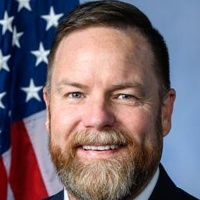
Aaron Bean
Representative
FL
Aaron Bean
Representative
FL
The CUTS Act, also known as the De-Supplemental Act, aims to rescind unobligated COVID-19 relief funds to offset the amount allocated in 2024 for security supplemental appropriations acts for Israel, Ukraine, and the Indo-Pacific region. It also rescinds any unobligated funds for the Education Stabilization Fund, the Congestion Mitigation and Air Quality Improvement Program, the Carbon Reduction Program, and the PROTECT Program.
The United States-Abraham Accords Cooperation and Security Act of 2025 aims to strengthen international oversight of FDA-regulated products by establishing an Abraham Accords Office within the FDA to provide technical assistance and facilitate communication between the FDA and Abraham Accords countries.
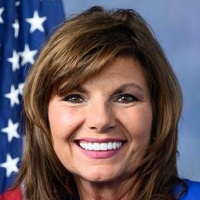
Diana Harshbarger
Representative
TN
Diana Harshbarger
Representative
TN
The United States-Abraham Accords Cooperation and Security Act of 2025 directs the FDA to establish an Abraham Accords Office to strengthen international oversight of FDA-regulated products by providing technical assistance and facilitating communication between the FDA and Abraham Accords countries. Within two years, the Secretary of Health and Human Services must select a location for the office in an Abraham Accords country. The Secretary must submit a report to Congress within three years on the Abraham Accords Office. This act aims to align regulatory requirements and improve coordination between the FDA and entities in Abraham Accords countries.
The American Victims of Terrorism Compensation Act aims to increase compensation for victims of state-sponsored terrorism by transferring forfeited funds and requiring annual payments to eligible claimants.
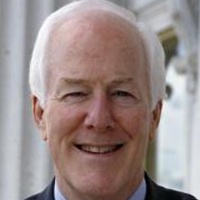
John Cornyn
Senator
TX
John Cornyn
Senator
TX
The American Victims of Terrorism Compensation Act aims to increase financial support for victims of state-sponsored terrorism by transferring forfeited funds and penalties into the United States Victims of State Sponsored Terrorism Fund. It mandates the distribution of these funds to eligible claimants through additional, pro-rata payments, and requires regular reporting on the Fund's activities and balances. The Act also allows for the use of Department of Justice personnel to assist with the administration of the fund, and ensures remaining funds from prior payments are used for additional compensation.