Legislation
The Stop Spying Bosses Act establishes comprehensive protections for workers by restricting invasive workplace surveillance, mandating transparency in data collection, and prohibiting the misuse of employee data for monitoring or discriminatory purposes.
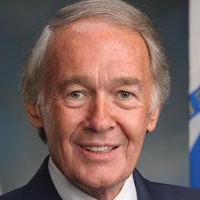
Edward Markey
Senator
MA
Edward Markey
Senator
MA
The Stop Spying Bosses Act establishes comprehensive protections against invasive workplace surveillance by restricting the collection, sale, and use of employee data. The bill mandates transparency regarding data practices, grants workers the right to access and correct their information, and prohibits the use of data for anti-union or discriminatory purposes. Additionally, it creates a new division within the Department of Labor to enforce these standards and provides workers with legal recourse against retaliatory or unauthorized data practices.
The SNAP Tribal Food Sovereignty Act of 2026 empowers Indian Tribes and Tribal organizations to manage and administer their own SNAP services through self-determination contracts.

Tina Smith
Senator
MN
Tina Smith
Senator
MN
The SNAP Tribal Food Sovereignty Act of 2026 empowers Indian Tribes and Tribal organizations to take direct control over the administration of Supplemental Nutrition Assistance Program (SNAP) services through self-determination contracts. By allowing Tribes to plan and manage these programs locally, the bill promotes Tribal sovereignty and ensures more tailored nutrition support for their communities.
The POWER ON Act of 2026 extends critical federal funding for grid resilience and infrastructure improvements through 2031.

John Cornyn
Senator
TX
John Cornyn
Senator
TX
The POWER ON Act of 2026 extends critical federal funding for grid resilience and infrastructure improvements by five years. By reauthorizing these programs through 2031, the bill ensures continued support for efforts to prevent power outages and modernize the nation's energy operations.
The Reproductive Health Care Training Act of 2026 establishes a federal grant program to expand clinical abortion care training and increase the number of qualified providers, with a focus on serving medically underserved communities.

Tammy Baldwin
Senator
WI
Tammy Baldwin
Senator
WI
The Reproductive Health Care Training Act of 2026 establishes a federal grant program to expand clinical training and education for abortion care providers. By supporting accredited health institutions and safety-net providers, the bill aims to increase the number of trained professionals and improve access to reproductive health services, particularly in medically underserved communities.
This bill prohibits the performance of dismemberment abortions, except to save the life of the mother, and establishes criminal penalties and civil liability for violations.
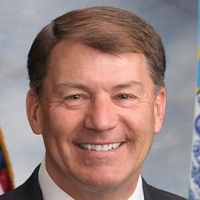
Mike Rounds
Senator
SD
Mike Rounds
Senator
SD
The Dismemberment Abortion Ban Act of 2026 prohibits physicians from performing dismemberment abortions, except when necessary to save the life of the mother. The bill establishes criminal penalties for violators and provides civil remedies for patients or their parents to sue for damages. It explicitly excludes the woman undergoing the procedure from criminal prosecution or monetary liability.
The PREVENT Act directs the CDC to expand research, data collection, and evidence-based strategies to improve the primary prevention of child sexual abuse, including technology-facilitated exploitation.

Angela Alsobrooks
Senator
MD
Angela Alsobrooks
Senator
MD
The PREVENT Act directs the CDC to expand and maintain a comprehensive program dedicated to the primary prevention of child sexual abuse. This initiative focuses on improving data collection, closing research gaps, and developing evidence-based strategies to combat both traditional and technology-facilitated abuse. The bill authorizes $6 million in annual funding from 2027 through 2031 to support these critical public health efforts.
The Shandra Eisenga Human Cell and Tissue Product Safety Act enhances public awareness, establishes civil penalties for regulatory violations, and streamlines FDA oversight for human cell and tissue products.
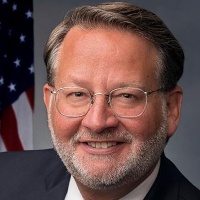
Gary Peters
Senator
MI
Gary Peters
Senator
MI
The Shandra Eisenga Human Cell and Tissue Product Safety Act aims to enhance the safety and oversight of human cell and tissue products by establishing civil penalties for regulatory violations. The bill also mandates the creation of public awareness campaigns for medical professionals and requires the FDA to improve transparency, streamline regulatory processes, and provide educational resources for stakeholders.
The Right to Vote Act establishes a federal standard protecting the fundamental right to vote by prohibiting government actions that unjustifiably restrict or impair the ability of citizens to participate in federal elections.

Jon Ossoff
Senator
GA
Jon Ossoff
Senator
GA
The Right to Vote Act establishes a fundamental federal right to vote and prohibits government actions that make voting more difficult or substantially impair the ability to cast a ballot. It provides a clear legal framework for citizens to challenge restrictive voting policies in federal court and ensures that any government-imposed burdens on voting must be justified by a significant, specific interest.
This Act establishes dedicated subaccounts within the Indian Water Rights Settlement Completion Fund to provide mandatory, long-term funding for the fulfillment of federal water rights settlement obligations to Tribal nations.
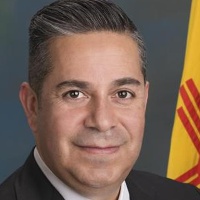
Ben Luján
Senator
NM
Ben Luján
Senator
NM
The Protecting Indian Water Rights Settlements Act of 2026 establishes a dedicated funding mechanism to ensure the federal government meets its financial obligations under congressionally approved Indian water rights settlements. By creating two specialized subaccounts within the Indian Water Rights Settlement Completion Fund, the bill provides a reliable, multi-year stream of funding for both ongoing operations and maintenance costs and the fulfillment of new settlement agreements. This legislation streamlines the distribution of resources to Tribal nations, ensuring that critical water infrastructure and settlement commitments are met without the need for annual congressional appropriations.
The Medicare Cost Cap Act of 2026 establishes an annual out-of-pocket spending limit for Medicare beneficiaries and expands eligibility for low-income assistance programs by simplifying enrollment and removing asset tests.

Lisa Blunt Rochester
Senator
DE
Lisa Blunt Rochester
Senator
DE
The Medicare Cost Cap Act of 2026 establishes a new annual out-of-pocket spending limit for Medicare Part A and Part B beneficiaries, ensuring that seniors and individuals with disabilities are protected from catastrophic healthcare costs. Additionally, the bill expands access to low-income assistance programs by eliminating asset tests, raising income eligibility thresholds, and streamlining the enrollment process between Medicare and Medicaid.
The SMART Energy Efficiency Standards Act updates regional energy efficiency requirements for furnaces, air conditioners, and heat pumps by basing compliance on the date of manufacture or import rather than the date of installation.

Joni Ernst
Senator
IA
Joni Ernst
Senator
IA
The SMART Energy Efficiency Standards Act updates federal energy regulations for furnaces, central air conditioners, and heat pumps. It shifts the compliance trigger for regional efficiency standards from the product's installation date to its manufacture or import date. This change streamlines the enforcement of energy standards for these appliances across designated states.
The Hazardous Fuels Transportation Assistance Act of 2026 establishes a competitive grant program to incentivize the removal and transport of hazardous fuels from wildfire risk-reduction projects on National Forest System lands.
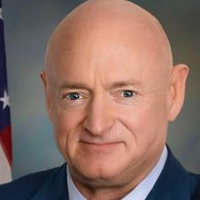
Mark Kelly
Senator
AZ
Mark Kelly
Senator
AZ
The Hazardous Fuels Transportation Assistance Act of 2026 establishes a competitive grant program to help offset the costs of transporting and processing materials removed during wildfire risk-reduction projects on National Forest System lands. By providing financial support for logistics, equipment, and workforce development, the program aims to incentivize the removal of hazardous fuels to better protect communities from wildfire threats.
This bill increases the maximum civil penalties for violations of the Export Control Reform Act of 2018 to deter non-compliance.

John Kennedy
Senator
LA
John Kennedy
Senator
LA
This bill amends the Export Control Reform Act of 2018 to significantly increase civil penalties for violations. It raises the maximum per-violation fine to $1.2 million and doubles the alternative penalty based on transaction value to four times the amount. These updates aim to strengthen enforcement and deter non-compliance with export regulations.
The ICTS Supply Chain Security Act of 2026 establishes a dedicated Department of Commerce office to identify and prohibit high-risk information and communications technology transactions from foreign adversaries to protect U.S. national security.

Tim Scott
Senator
SC
Tim Scott
Senator
SC
The ICTS Supply Chain Security Act of 2026 establishes a dedicated Office of Information and Communications Technology and Services within the Department of Commerce to oversee and secure the U.S. technology supply chain. The bill empowers the Secretary of Commerce to prohibit or mitigate transactions involving ICTS from designated countries of concern that pose an unacceptable risk to national security. Additionally, the legislation introduces strict penalties for violations and mandates regular reporting to Congress to ensure oversight of these security measures.
This bill mandates annual April point-in-time counts of homeless individuals, standardizes data collection through improved management systems, and tasks the GAO with modernizing HUD’s counting methodology.

John Barrasso
Senator
WY
John Barrasso
Senator
WY
This bill mandates annual, standardized point-in-time counts of homeless individuals each April to improve data accuracy and consistency across the country. It requires the use of Homeless Management Information Systems (HMIS) for year-round tracking and directs the Government Accountability Office (GAO) to study and recommend modernizations for HUD’s counting methodology. Additionally, the legislation provides increased support and guidance for rural and resource-limited areas to ensure comprehensive data collection.
This bill mandates that individuals indicted for major federal financial crimes surrender their passports and refrain from international travel as a condition of their pretrial release.
Joni Ernst
Senator
IA
Joni Ernst
Senator
IA
The Preventing Fugitive Fraudsters Act mandates that individuals indicted for major federal financial crimes, such as wire fraud and money laundering, must surrender their passports and refrain from international travel as a condition of pretrial release. This measure aims to prevent defendants from fleeing the country to avoid prosecution. A judicial officer may only waive these restrictions by providing specific written findings that they are unnecessary to ensure the defendant's appearance in court.
The Medicaid RAC Improvement Act of 2026 enhances federal oversight, mandates the inclusion of managed care plans in audit programs, and establishes uniform standards to strengthen payment integrity and recovery efforts across state Medicaid systems.
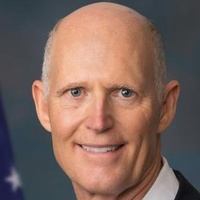
Rick Scott
Senator
FL
Rick Scott
Senator
FL
The Medicaid RAC Improvement Act of 2026 strengthens federal oversight and transparency of state Medicaid Recovery Audit Contractor (RAC) programs. The bill mandates the inclusion of managed care plans in audit efforts, establishes a uniform four-year look-back period for payment reviews, and requires annual reporting to Congress on program effectiveness. Additionally, it directs the Secretary of Health and Human Services to study barriers to program participation and launch a demonstration project to improve state audit outcomes.
The Credit for Prior Learning Act expands federal student aid to cover assessment costs for college credit earned through prior knowledge and experience while increasing transparency in institutional reporting.

Amy Klobuchar
Senator
MN
Amy Klobuchar
Senator
MN
The Credit for Prior Learning Act expands federal student aid to cover up to $2,000 in costs for assessments that award college credit for skills and knowledge gained outside the classroom. The bill also mandates that accrediting agencies ensure institutions maintain rigorous standards for these assessments and requires colleges to publicly report data on student participation and credit attainment.
The Child Care Innovation Advancement Act of 2026 establishes a five-year pilot program to provide federal nutrition reimbursements to innovative, non-home-based child care providers.
Amy Klobuchar
Senator
MN
Amy Klobuchar
Senator
MN
The Child Care Innovation Advancement Act of 2026 establishes a five-year pilot program to provide federal nutrition reimbursements to innovative, non-home-based child care providers. By expanding access to nutritious meals, this initiative aims to support emerging child care models and increase the availability of quality care for families. The program includes rigorous oversight and auditing requirements to ensure fiscal accountability and program integrity.
This bill establishes a voluntary, federally supported certification program to enhance biosecurity, disease surveillance, and emergency preparedness within the U.S. swine industry.
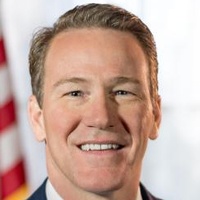
Jon Husted
Senator
OH
Jon Husted
Senator
OH
The U.S. Swine Health Improvement Plan Act of 2026 establishes a voluntary certification program to enhance biosecurity, disease surveillance, and emergency preparedness across the swine industry. The bill mandates the creation of a federal advisory committee and directs the Secretary of Agriculture to finalize program regulations within one year. It further authorizes $4.5 million in annual funding through 2031 to support these national health and traceability efforts.