Legislation
This bill prohibits the National Science Foundation from decommissioning or reducing the scope of Ocean Observatories Initiative instruments until a comprehensive review with scientific and community input is completed.

Suzanne Bonamici
Representative
OR
Suzanne Bonamici
Representative
OR
This bill prohibits the National Science Foundation from decommissioning or reducing the scope of the Ocean Observatories Initiative (OOI) instruments across its various coastal and oceanic locations. It mandates that the OOI must remain fully operational until the NSF completes a comprehensive review of the program that incorporates input from the scientific and coastal communities.
This Act directs the U.S. Geological Survey to utilize quantum gravity gradiometry to improve the detection and mapping of domestic critical mineral and rare earth element deposits.
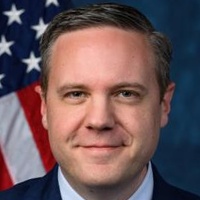
Jeff Hurd
Representative
CO
Jeff Hurd
Representative
CO
The Quantum-Enhanced Critical Minerals Mapping Act of 2026 directs the U.S. Geological Survey to implement advanced quantum gravity gradiometry technology to improve the detection and characterization of domestic critical mineral and rare earth element deposits. By integrating this high-resolution data into the Earth MRI database, the program aims to boost private-sector exploration, reduce reliance on speculative drilling, and strengthen the domestic supply chain.
This resolution honors the life, selfless service, and heroic sacrifice of Corey Comperatore, a dedicated volunteer firefighter and community leader from Sarver, Pennsylvania.
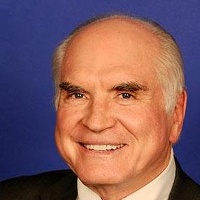
Mike Kelly
Representative
PA
Mike Kelly
Representative
PA
This resolution honors the life and legacy of Corey Comperatore, a dedicated volunteer firefighter, U.S. Army Reserve veteran, and community leader from Sarver, Pennsylvania. It recognizes his selfless sacrifice and heroic actions in protecting his family, while extending the House of Representatives' deepest condolences to his loved ones.
This resolution honors the sacrifice of Transportation Security Officers who worked without pay during federal government shutdowns and commits to ending the practice of withholding their compensation.

Al Green
Representative
TX
Al Green
Representative
TX
This resolution honors Transportation Security Officers (TSOs) for their continued service and sacrifice during the record-breaking 2026 federal government shutdown. It condemns the practice of requiring federal employees to work without pay and expresses a formal commitment to ending the financial hardship imposed on TSA personnel during future budgetary disputes.
This resolution designates July 10th as Journeyman Lineworkers Recognition Day to honor the essential service and sacrifices of the professionals who maintain our nation’s power grid.

Linda Sánchez
Representative
CA
Linda Sánchez
Representative
CA
This resolution designates July 10th as Journeyman Lineworkers Recognition Day to honor the essential, high-risk work performed by these skilled professionals. It pays tribute to the lineworkers who provide critical service during emergencies and recognizes those who have made the ultimate sacrifice in the line of duty.
This resolution affirms reproductive justice as a fundamental human right and a pillar of American democracy, calling for universal access to comprehensive reproductive healthcare, family support, and protection from systemic discrimination.
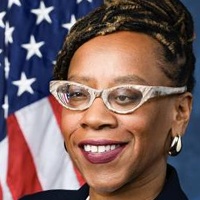
Lateefah Simon
Representative
CA
Lateefah Simon
Representative
CA
This resolution affirms that reproductive justice—including the rights to have children, not have children, and raise families with dignity—is a fundamental human right and a pillar of American democracy. It calls for a national commitment to protect bodily autonomy, eliminate systemic barriers to healthcare, and ensure equitable access to the resources necessary for all families to thrive.
The Medicare Advantage MLR Transparency Act requires Medicare Advantage plans to publicly disclose detailed financial data and adopt standardized electronic benefit formats to improve consumer transparency.

Nathaniel Moran
Representative
TX
Nathaniel Moran
Representative
TX
The Medicare Advantage MLR Transparency Act increases accountability by requiring Medicare Advantage plans to publicly disclose detailed financial data, including revenue, medical claims spending, and administrative costs. Additionally, the bill mandates that electronic benefit information be presented in a standardized, consumer-friendly format consistent with other health insurance plans. These measures aim to provide greater transparency and clarity for beneficiaries when evaluating their coverage options.
This bill allows qualifying small rural hospitals to receive Medicare Part A reimbursement for anesthesiology services on a reasonable cost basis, replacing the current requirement for separate Part B billing.

John Moolenaar
Representative
MI
John Moolenaar
Representative
MI
The Medicare Access to Rural Anesthesiology Act seeks to improve anesthesia coverage in small, rural hospitals by transitioning payment for these services from Medicare Part B to Part A. Under this bill, qualifying rural and critical access hospitals will be reimbursed on a reasonable cost basis, allowing them to better support anesthesiologists in low-volume settings. This change simplifies billing and helps ensure that rural patients maintain access to essential surgical care.
This Act mandates comprehensive price transparency for hospitals, health facilities, and insurance plans while increasing accountability for vertically integrated health care organizations.
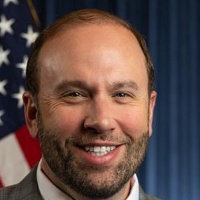
Jason Smith
Representative
MO
Jason Smith
Representative
MO
The **Health Care Price Certainty for All Americans Act** aims to increase transparency by requiring hospitals, laboratories, imaging centers, and health plans to publicly disclose pricing and cost-sharing information. The bill mandates that providers and insurers publish negotiated rates and shoppable service prices, while also prohibiting restrictions on pharmacies that inform patients of lower cash prices. Additionally, the legislation introduces new reporting requirements for Medicare Advantage and Part D plans to monitor the impact of vertical integration on health care costs and quality.
The FAIR Data Act prohibits electric utilities from passing the costs of large-scale data center infrastructure upgrades onto residential and small business consumers.

Josh Riley
Representative
NY
Josh Riley
Representative
NY
The FAIR Data Act protects residential and small business utility customers by prohibiting electric utilities from passing on the costs of grid upgrades required by large-scale data centers. The bill mandates that states review these cost-recovery policies and ties federal energy funding to the implementation of these consumer protections. Additionally, it requires the Federal Energy Regulatory Commission to provide annual reports on the impact of large data centers on electricity rates and grid reliability.
The Limiting Excessive Government Obstruction Act allows parties facing agency enforcement actions to dismiss administrative proceedings in favor of a jury trial in federal court.
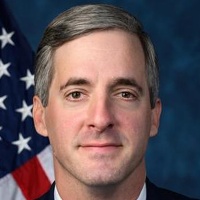
Brad Knott
Representative
NC
Brad Knott
Representative
NC
The Limiting Excessive Government Obstruction Act allows parties facing agency enforcement actions to dismiss administrative proceedings and move their cases into federal court. This process grants defendants the right to a jury trial and establishes a "reasonableness" defense for alleged rule violations. The legislation excludes specific areas, such as immigration, national security, and federal benefit programs, from these new procedural requirements.
The Essential Caregivers Act of 2026 mandates that long-term care facilities allow residents to designate essential caregivers who maintain in-person visitation rights even during periods when regular visitation is suspended.

Claudia Tenney
Representative
NY
Claudia Tenney
Representative
NY
The Essential Caregivers Act of 2026 ensures that residents in long-term care facilities maintain access to designated essential caregivers, even when general visitation is suspended. The bill mandates that facilities allow residents to appoint up to two caregivers who can provide in-person support, provided they adhere to established safety protocols. It also prioritizes the investigation of access complaints and guarantees that these visitation rights cannot be waived during emergencies.
This bill directs the Secretary of Defense to review recently declassified records to determine whether to restore the retired rank of General to John D. Lavelle.
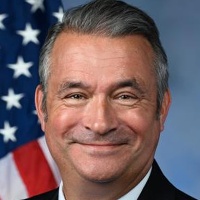
Don Bacon
Representative
NE
Don Bacon
Representative
NE
The General John D. Lavelle Act directs the Secretary of Defense to review recently declassified records and current military board recommendations to determine whether to restore the retired rank of General to John D. Lavelle. The Secretary must submit a formal recommendation to the President and the Senate regarding this restoration by December 31, 2026.
This bill authorizes the awarding of a Congressional Gold Medal to the U.S. and Filipino service members and civilians who defended Bataan, Corregidor, and the Pacific theater during World War II.

Martin Heinrich
Senator
NM
Martin Heinrich
Senator
NM
The Defenders of Bataan and Corregidor Congressional Gold Medal Act honors the U.S. and Filipino service members and civilians who fought in the Pacific theater during World War II. This legislation authorizes the collective award of a Congressional Gold Medal to recognize the extraordinary courage and sacrifice of those who defended Bataan and Corregidor and endured imprisonment by Imperial Japanese forces. The medal will be housed at the Smithsonian Institution to ensure their legacy is preserved and shared with the public.
The Countering CCP Act mandates a cybersecurity review of medical devices manufactured in the People's Republic of China and requires the recall of any devices that pose security risks or fail to meet data protection standards.

Tom Cotton
Senator
AR
Tom Cotton
Senator
AR
The Countering CCP Act mandates a federal cybersecurity review of networked medical devices manufactured by entities headquartered in or controlled by the People's Republic of China. The FDA, in consultation with CISA, is authorized to recall any devices found to pose significant cybersecurity risks or those for which manufacturers fail to provide necessary security documentation. This legislation aims to protect patient data and ensure the integrity of medical technology within the U.S. healthcare system.
This legislation establishes a national technical assistance center and a grant program to improve the recruitment, training, retention, and career advancement of the direct care workforce and to provide essential support for family caregivers.
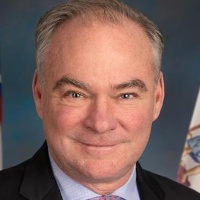
Timothy Kaine
Senator
VA
Timothy Kaine
Senator
VA
The "Supporting Our Direct Care Workforce and Family Caregivers Act" establishes a national technical assistance center and a grant program to improve the recruitment, training, and retention of direct care professionals. By providing funding for education, career advancement, and supportive services, the bill aims to strengthen the workforce that supports older adults and individuals with disabilities. Additionally, the legislation provides resources to assist both paid and unpaid family caregivers in their essential roles.
The FUSE Act establishes a Department of Defense pilot program to evaluate the safety, quality, and operational feasibility of using printable energetic feedstocks in additive manufacturing for munitions.

Ted Cruz
Senator
TX
Ted Cruz
Senator
TX
The FUSE Act establishes a five-year Department of Defense pilot program to evaluate the safety, quality, and feasibility of using printable energetic feedstocks in additive manufacturing. This initiative aims to modernize munitions production by improving supply chain resilience, process consistency, and handling safety compared to traditional manufacturing methods. The program will develop new qualification standards and conduct comparative safety assessments to determine the viability of integrating these materials into defense operations.
The PROTECT Act prohibits the federal trademark registration of military and defense-related awards, decorations, and emblems by private parties to ensure government control over these official symbols.
Ted Cruz
Senator
TX
Ted Cruz
Senator
TX
The **Preservation of Rights and Ownership of Traditional Emblems, Crests, and Tributes (PROTECT) Act** prohibits the federal registration of trademarks associated with Department of Defense or Armed Forces awards, decorations, and medals. This legislation ensures that these official symbols remain under the control of the government while protecting the rights of existing lawful users to continue their current practices.
The Blair Holt Firearm Owner Licensing and Record of Sale Act of 2026 establishes a federal licensing program for handgun and semiautomatic rifle owners, mandates dealer-processed private transfers, and creates a national database for firearm records.

Tammy Duckworth
Senator
IL
Tammy Duckworth
Senator
IL
The Blair Holt Firearm Owner Licensing and Record of Sale Act of 2026 establishes a federal licensing program for handgun and semiautomatic rifle owners, requiring background checks and mental health disclosures. The bill mandates that all private firearm transfers be processed through licensed dealers and creates a centralized federal system for recording firearm sales. Additionally, it introduces stricter requirements for reporting lost or stolen weapons, mandates safe storage practices, and authorizes new research into firearm-related injuries.
The Home Mortgage Interest Credit Act of 2026 establishes a new annual tax credit of up to $2,000 for interest paid on acquisition indebtedness for a taxpayer’s principal residence, subject to income-based phase-outs.
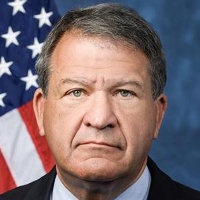
George Latimer
Representative
NY
George Latimer
Representative
NY
The Home Mortgage Interest Credit Act of 2026 establishes a new annual tax credit of up to $2,000 for interest paid on acquisition indebtedness for a taxpayer's principal residence. This credit is subject to income-based phase-outs and is designed to provide targeted tax relief for homeowners. The provision takes effect for tax years beginning after December 31, 2026, and includes annual inflation adjustments to the credit limits.