This act mandates the continued implementation of anti-trafficking programs for children based on specific GAO recommendations and requires a progress report to Congress.
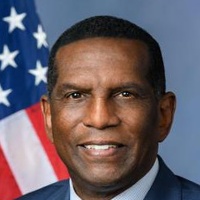
Clarence "Burgess" Owens
Representative
UT-4
The Preventing Child Trafficking Act of 2025 mandates the continuation and enhancement of federal anti-trafficking programs specifically for children. This law requires key Justice Department and Health and Human Services offices to implement recommendations from a 2023 Government Accountability Office report. Furthermore, the responsible office must establish measurable performance goals for these programs and report on their progress to Congress.
New Act Mandates Measurable Goals for Child Trafficking Programs, Citing 2023 GAO Report
The newly proposed Preventing Child Trafficking Act of 2025 is a straightforward piece of legislation focused on making sure federal anti-trafficking efforts for kids don’t just happen, but actually work. It’s all about accountability and measurable results.
The Fine Print: What This Bill Actually Does
This bill (Sec. 3) requires two major federal players—the Office for Victims of Crime (OVC) at the Department of Justice and the Office on Trafficking in Persons (OTIP) under the Administration for Children and Families—to keep their anti-trafficking programs for children running. That’s the continuation part. The crucial change is that they must now formalize their work by setting "achievable performance goals and targets" that are objective, measurable, and quantifiable. Basically, no more vague promises; they have to show their work using real data from the program grantees.
Crucially, all these efforts, from prevention strategies to survivor support, must be based on the "anti-trafficking recommendations" (Sec. 2) found in a specific Government Accountability Office (GAO) report from December 2023. This means the agencies can’t just invent new strategies; they have to follow a roadmap already laid out by government auditors. They must also use the “leading collaboration practices” referenced in that GAO report when working together.
Real-World Impact: Why Measurable Goals Matter
For everyday people, especially parents and those working in social services, this is a positive step toward better resource management. When a program has to prove its effectiveness with hard numbers—like showing a measurable increase in successful survivor reintegration or a decrease in specific risk factors—it means the federal dollars are less likely to be wasted on ineffective strategies. Think of it like this: instead of just saying, “We helped some kids,” the agencies will eventually have to report, “We helped 150 kids, and 85% of them met X, Y, and Z measurable milestones because of our program.”
This focus on objective, quantifiable data (Sec. 3) is significant. It moves the conversation from simply funding programs to funding effective programs. If you donate to a local charity or pay taxes that fund these services, you want to know the money is making a difference. This bill forces the government to track that difference.
The Accountability Check-In
The bill includes a firm deadline for accountability. The Director of the Office for Victims of Crime must submit a report to the Senate and House Judiciary Committees within 180 days of the law being enacted. This report must explicitly detail the steps they have taken to meet all these new requirements, including how they set those measurable goals. This tight reporting requirement acts as a quick check to ensure the agencies don't just file the bill away; they have to show Congress they are actually implementing the changes right away.