Legislation
The MINT Act of 2025 modernizes the 5-cent coin specifications while eliminating the production of the one-cent coin (penny) for general circulation.

Frank Lucas
Representative
OK
Frank Lucas
Representative
OK
The MINT Act of 2025 modernizes U.S. coinage by eliminating the production of the one-cent coin (penny) for general circulation. This legislation also updates specifications for the five-cent coin (nickel), allowing for potential changes in composition and weight under the direction of the Treasury Secretary. Existing pennies will remain legal tender.
This Act mandates a report to Congress evaluating the effectiveness of OSHA's spending on technical assistance for heat-related illness in workplaces, particularly in cool-weather states.
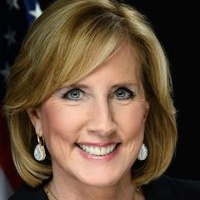
Claudia Tenney
Representative
NY
Claudia Tenney
Representative
NY
The Timothy J. Barber Act mandates that the Secretary of Labor report to Congress on the effectiveness of OSHA's spending for technical and compliance assistance related to heat-related illness. This report must analyze current results and recommend future actions to improve how funds are used for heat safety. The goal is to ensure federal resources are effectively addressing workplace heat hazards, particularly in cooler states.
The SOIL Act of 2025 prohibits designated foreign adversaries from purchasing or leasing land near sensitive U.S. national security sites.
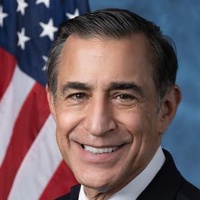
Darrell Issa
Representative
CA
Darrell Issa
Representative
CA
The Saving Our Invaluable Land Act of 2025 (SOIL Act) prohibits specified foreign adversaries, including China, Iran, North Korea, and Russia, from purchasing or leasing land within a 10-mile radius of sensitive U.S. national security sites. This measure amends the Defense Production Act to safeguard military bases, ports, and other critical government facilities from foreign acquisition or control. The goal is to prevent foreign surveillance and protect national security operations near vital infrastructure.
This bill expands the Medicare definition of a critical access hospital to include certain hospitals located on Indian reservations, potentially waiving distance requirements and offering flexibility for specialized units.
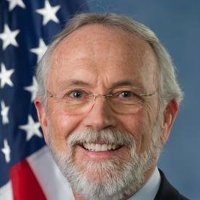
Dan Newhouse
Representative
WA
Dan Newhouse
Representative
WA
This bill amends the Social Security Act to expand the definition of a Critical Access Hospital (CAH) under Medicare to include certain hospitals located on Indian reservations. This change allows reservation-based facilities to qualify for CAH status even if they do not meet standard geographic distance requirements. Furthermore, qualifying hospitals on reservations can establish specialized psychiatric or rehabilitation units without being subject to typical bed count limitations.
This Act mandates federal standards requiring employers to implement comprehensive heat illness and injury prevention programs to protect workers from dangerous heat stress.
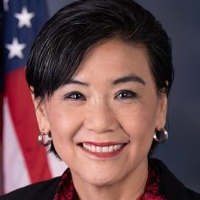
Judy Chu
Representative
CA
Judy Chu
Representative
CA
The Asunción Valdivia Heat Illness, Injury, and Fatality Prevention Act of 2025 mandates that employers protect workers from dangerous heat stress by establishing comprehensive safety standards. This Act requires the Secretary of Labor to create evidence-based rules covering engineering controls, administrative procedures, required training, and paid rest breaks to prevent heat-related illness. Furthermore, the law establishes strict enforcement mechanisms, whistleblower protections, and specific timelines for the implementation of these new federal heat protection standards.
This Act eliminates the dollar limits on the tax-free profit exclusion when selling a principal residence.
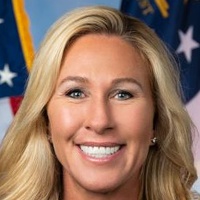
Marjorie Greene
Representative
GA
Marjorie Greene
Representative
GA
The No Tax on Home Sales Act eliminates the existing dollar limitations on the amount of profit an individual can exclude from taxes when selling their principal residence. This change removes the caps on the tax-free gain from the sale of a primary home. The provisions of this Act take effect immediately upon enactment.
The National Infrastructure Investment Corporation Act of 2025 establishes a government corporation to finance major domestic infrastructure projects through loans and guarantees backed by pension funds.
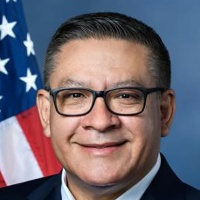
Salud Carbajal
Representative
CA
Salud Carbajal
Representative
CA
The National Infrastructure Investment Corporation Act of 2025 establishes a new government corporation tasked with financing major domestic infrastructure projects. This Corporation will offer loans and loan guarantees, primarily funded through borrowing from pension funds, to address significant national funding shortfalls. A Board of Directors will oversee operations, and the entity must adhere to strict reporting and audit requirements before approving any assistance.
The PEACE Act of 2025 imposes new financial restrictions on U.S. banks dealing with foreign institutions that significantly aid Russia, while allowing the President a limited waiver authority.
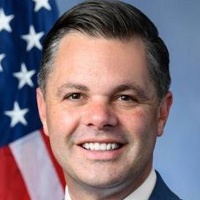
Zachary (Zach) Nunn
Representative
IA
Zachary (Zach) Nunn
Representative
IA
The PEACE Act of 2025 imposes new financial restrictions on foreign banks that significantly aid Russia, particularly those dealing with sanctioned entities or operating in Russia's energy sector. The Treasury Department is required to establish strict rules regarding U.S. correspondent accounts for these foreign institutions. Furthermore, the Act mandates a Treasury determination on whether major Russian energy companies like Gazprom, Rosneft, and Lukoil qualify as "foreign persons" under existing law. This legislation will terminate either five years after enactment or sooner if the President certifies Russia has ceased destabilizing actions against Ukraine.
This bill mandates that the Congressional Budget Office must conduct and publish an economic review of any proposed tariff modification before it can be implemented.
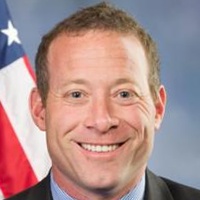
Josh Gottheimer
Representative
NJ
Josh Gottheimer
Representative
NJ
This bill mandates that the Congressional Budget Office (CBO) conduct and publish an economic review before any modification to existing tariffs or duties on imported goods can be implemented. This ensures that the potential economic impact of changing import taxes is assessed and made public prior to taking effect.
This Act mandates increased ingredient and supply chain transparency for cosmetics, establishes federal standards while preserving stricter state regulations, and requires the FDA to maintain a public list of harmful trace constituents.

Janice Schakowsky
Representative
IL
Janice Schakowsky
Representative
IL
The Cosmetic Supply Chain Transparency Act of 2025 enhances cosmetic regulation by requiring detailed ingredient and supply chain information sharing between brand owners and suppliers. This law mandates the FDA to create a public list of harmful, nonfunctional chemical traces that suppliers must eventually test for and certify. Importantly, this federal legislation preserves the right of states to enact stricter ingredient or transparency rules than those established here.
The Back the Blue Act of 2025 establishes new federal crimes and stiffer penalties for violence against law enforcement, clarifies firearm rights for officers, and creates a grant program to improve police-community relations.
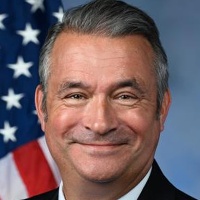
Don Bacon
Representative
NE
Don Bacon
Representative
NE
The Back the Blue Act of 2025 establishes new federal crimes and enhanced penalties for violence against law enforcement and judicial personnel, including murder and assault. It also tightens federal habeas corpus review for state convictions involving the murder of officers and clarifies firearm-carrying rights for qualified officers in federal facilities. Finally, the bill creates a grant program to foster better community-police relationships through trust-building initiatives and policy improvements.
This bill establishes grants for states to improve their SNAP employment and training data systems and mandates a GAO review of co-enrollment and funding coordination practices.
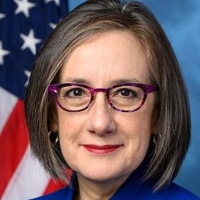
Andrea Salinas
Representative
OR
Andrea Salinas
Representative
OR
The SNAP E&T Data And Technical Assistance (DATA) Act of 2025 establishes a grant program to help states modernize their data systems for the Supplemental Nutrition Assistance Program (SNAP) employment and training programs. These grants prioritize linking SNAP data with broader workforce development information to improve program effectiveness and participant outcomes. The bill also mandates strict privacy protections for all collected data and requires the GAO to report on best practices for coordinating funding and data sharing within these job training initiatives.
The CARE for Kids Act of 2025 expands automatic enrollment and extends eligibility for free and reduced-price school meals for children in foster care, kinship guardianship, adoption assistance, and specific low-income housing situations.
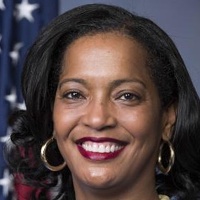
Jahana Hayes
Representative
CT
Jahana Hayes
Representative
CT
The CARE for Kids Act of 2025 streamlines access to free and reduced-price school meals for vulnerable children. It expands automatic direct certification eligibility for children in foster care, kinship guardianship, or receiving adoption assistance. The bill also ensures that a child's meal eligibility status is maintained when transferring between school districts or when entering the care of a relative. These changes aim to reduce administrative burdens and ensure consistent food access for children facing housing or custody instability.
This Act prohibits Federal employee health plans from contracting with insurance carriers or Pharmacy Benefit Managers that also own or control pharmacies to prevent conflicts of interest.
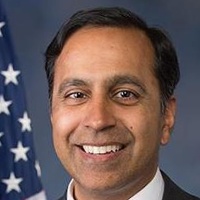
Raja Krishnamoorthi
Representative
IL
Raja Krishnamoorthi
Representative
IL
The Fair Pharmacies for Federal Employees Act of 2025 prohibits the Office of Personnel Management (OPM) from contracting with health insurance carriers or Pharmacy Benefit Managers (PBMs) that also own or control pharmacies. This measure aims to prevent conflicts of interest by separating the entities that manage federal employee health plans from those that dispense prescription drugs. The bill ensures that insurance carriers cannot contract with PBMs they own, and vice versa. Ultimately, this legislation seeks to promote fair competition in prescription drug benefits for federal workers.
This Act establishes the National Concussion and Traumatic Brain Injury Clearinghouse to serve as a central hub for reliable information on TBI treatment, research, and expert resources for medical professionals and the public.
Don Bacon
Representative
NE
Don Bacon
Representative
NE
The National Concussion and Traumatic Brain Injury Clearinghouse Act of 2025 establishes a centralized federal resource to collect and share the best available information on concussion and TBI treatment, research, and best practices. This clearinghouse will serve as a reliable hub for medical professionals, patients, and the public seeking expert knowledge and qualified care options. The designated official must ensure the resource is operational within 120 days of the Act's enactment.
This bill directs a study to investigate the high cost of procuring transit buses in the U.S. and recommend ways to lower those costs for federal, state, and local agencies.

Maxwell Frost
Representative
FL
Maxwell Frost
Representative
FL
The Transit Bus Affordability Act directs the Comptroller General to investigate the high costs associated with procuring new public transit buses in the United States. This review will compare U.S. costs against international benchmarks, analyze supply chain impacts, and examine current cost-reduction efforts. The goal is to provide recommendations to ensure federal, state, and local funds are used more efficiently for transit agency bus purchases.
This bill adds Parkinson's disease to the list of illnesses presumed to be proximately caused by employment in fire protection activities for benefit purposes.
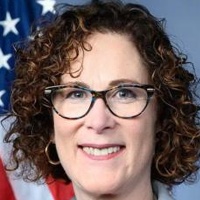
Valerie Hoyle
Representative
OR
Valerie Hoyle
Representative
OR
This bill amends federal law to officially include Parkinson's disease in the list of illnesses presumed to be proximately caused by employment in fire protection activities. This addition aims to simplify the process for federal firefighters and emergency responders to qualify for related benefits when diagnosed with Parkinson's.
This bill restricts the Commission of Fine Arts' authority to only federal property within the District of Columbia, removing its oversight of D.C. government and private property art and structures.

Eleanor Norton
Representative
DC
Eleanor Norton
Representative
DC
This Act, the Commission of Fine Arts District of Columbia Home Rule Act, significantly limits the authority of the Commission of Fine Arts (CFA). Specifically, it restricts the CFA's oversight regarding the location of statues, fountains, and monuments to only those properties owned by the Federal Government within the District of Columbia. Consequently, the CFA loses its approval power over art and structures on D.C. government or privately owned property.
This act modernizes the Wyoming Education Trust by updating statutory language regarding revenue generated from public lands set aside for educational purposes.
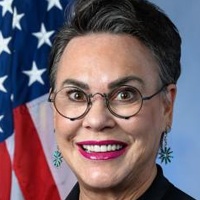
Harriet Hageman
Representative
WY
Harriet Hageman
Representative
WY
The Wyoming Education Trust Modernization Act updates existing state law regarding revenue generated from public lands set aside for education. This legislation revises statutory language to consistently refer to the income from these lands as "earnings" instead of "interest" or "income thereof." The goal is to modernize terminology within the original 1890 Act governing these educational trust funds.
The STEM RESTART Act establishes a grant program to fund "returnships" that help unemployed or underemployed skilled workers re-enter high-demand Science, Technology, Engineering, and Math (STEM) careers.
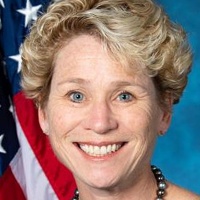
Chrissy Houlahan
Representative
PA
Chrissy Houlahan
Representative
PA
The STEM RESTART Act establishes a new federal grant program to help unemployed or underemployed skilled workers re-enter or transition into high-demand Science, Technology, Engineering, and Math (STEM) careers. These competitive grants fund small and medium-sized businesses to create structured, above-entry-level "returnships" that include on-the-job training and clear paths to full-time employment. The goal is to bridge the gap for experienced workers, particularly those in rural areas, by incentivizing companies to provide meaningful career opportunities.