The Natural Gas Tax Repeal Act repeals Section 136 of the Clean Air Act and rescinds all associated unobligated funds.
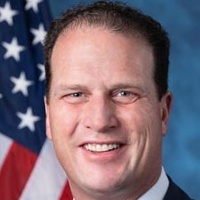
August Pfluger
Representative
TX-11
The Natural Gas Tax Repeal Act seeks to eliminate the methane emissions charge established under Section 136 of the Clean Air Act. Additionally, the bill rescinds all unobligated funds previously appropriated for the implementation of this provision.
Natural Gas Tax Repeal Act Cuts Methane Fees and Pulls Funding for Environmental Oversight
The Natural Gas Tax Repeal Act is a straightforward piece of legislation designed to do two things: delete Section 136 of the Clean Air Act and take back any money that hasn't been spent yet under that program. Section 136 currently imposes a 'Waste Emissions Charge' on oil and gas facilities that leak methane above certain levels. By repealing this, the bill effectively removes the financial penalty for methane leaks and shuts down the associated grant programs that were supposed to help companies upgrade their equipment to be cleaner. According to Section 3, any 'unobligated balance'—basically the cash sitting in the government's wallet that isn't tied to a signed contract yet—is immediately rescinded, meaning those funds vanish from the program's budget.
Cutting the Cord on Methane Fees
For the energy industry, this is a major financial pivot. Currently, the Clean Air Act requires the EPA to collect fees from large facilities that exceed specific methane intensity thresholds, starting at $900 per ton and rising to $1,500 by 2026. If you’re a technician at a natural gas plant or a small business owner in a town built around drilling, this repeal means the companies running those sites no longer face those specific federal penalties for emissions. While this could lower operational costs for energy producers, the bill doesn't include any rules requiring those savings to be passed down to your monthly utility bill. It simply removes the tax and the regulatory stick that was intended to push companies toward tighter, leak-proof infrastructure.
The Vanishing Fund for Clean Tech
The second half of this bill hits the 'undo' button on funding. Section 136 didn't just collect fees; it also provided billions in incentives for things like monitoring methane leaks and helping communities near these facilities deal with pollution. For a local contractor who might have been hired to install new, low-emission valves or a resident in a 'fence-line' community concerned about air quality, this rescission means the financial support for those upgrades and monitoring programs is gone. By pulling back the unobligated funds, the bill ensures that once the current contracts are finished, there is no more federal money in the pipeline to subsidize the transition to cleaner gas production.
Long-Term Air Quality and Costs
Because this bill focuses on repealing existing environmental law, the long-term impact is a shift in who bears the cost of methane emissions. Methane is a potent greenhouse gas, and without the financial incentive to fix leaks, the responsibility for air quality oversight shifts back to state regulators or the public. For the average person, this might not change much tomorrow, but it sets a precedent for how the government handles industrial waste. We’re looking at a move away from the 'polluter pays' model, potentially leaving local communities to deal with the environmental footprint of gas production without the federal grants that were previously on the table to help mitigate those risks.