Legislation
This bill authorizes the use of Emancipation Hall in the Capitol Visitor Center for the presentation ceremony of the Congressional Gold Medals awarded to the Harlem Hellfighters.
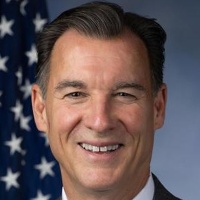
Thomas Suozzi
Representative
NY
Thomas Suozzi
Representative
NY
This bill authorizes the use of Emancipation Hall in the Capitol Visitor Center for a ceremony on September 3, 2025. The purpose of this event is to present the Congressional Gold Medals awarded to the Harlem Hellfighters. The Architect of the Capitol will oversee the necessary arrangements for the ceremony.
This Act overhauls the FDA's process for determining the safety of food ingredients by requiring rigorous scientific substantiation for new "Generally Recognized As Safe" (GRAS) claims and mandating periodic safety reassessments of existing food chemicals.
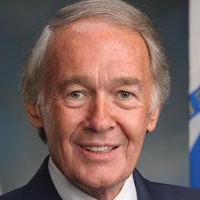
Edward Markey
Senator
MA
Edward Markey
Senator
MA
The Ensuring Safe and Toxic-Free Foods Act of 2025 overhauls the process for determining if substances used in food are "Generally Recognized As Safe" (GRAS), requiring manufacturers to provide extensive new safety data for current and future ingredients. This legislation mandates that the FDA review existing GRAS determinations and establishes a periodic safety reassessment program for all approved food chemicals based on modern scientific standards. Ultimately, the bill aims to strengthen public health protections by ensuring that all substances in the food supply meet rigorous, transparent safety criteria.
This Act prohibits disparate-impact liability claims in employment and housing discrimination cases and nullifies related federal regulations.
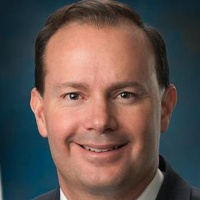
Mike Lee
Senator
UT
Mike Lee
Senator
UT
The Restoring Equal Opportunity Act seeks to eliminate the use of "disparate-impact liability" in federal law. This bill specifically prohibits lawsuits claiming employment or housing discrimination based on disparate impact, meaning challenges against seemingly neutral policies that disproportionately harm protected groups are no longer permitted. Furthermore, the Act nullifies specific prior Presidential approvals of regulations related to the Civil Rights Act of 1964.
This Act establishes a new federal private right of action allowing individuals to sue pesticide registrants for personal or property injuries caused by pesticides, though attorney's fees are not recoverable.
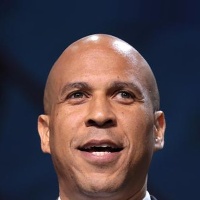
Cory Booker
Senator
NJ
Cory Booker
Senator
NJ
The Pesticide Injury Accountability Act of 2025 establishes a new federal private right of action allowing individuals to sue pesticide registrants in federal court for personal injury or property damage caused by pesticides. Successful plaintiffs may be awarded compensatory and punitive damages, though they cannot recover attorney's fees or court costs. This new federal option supplements, but does not replace, existing state laws regarding pesticide injury claims.
This bill directs the creation of voluntary guidelines for election administrators on using AI and mandates a study on AI's role in the 2024 elections to inform future best practices.

Amy Klobuchar
Senator
MN
Amy Klobuchar
Senator
MN
This bill directs the Election Assistance Commission (EAC) and NIST to develop voluntary guidelines for election offices on the responsible use of Artificial Intelligence (AI) technologies. It also mandates a study on how AI was actually used in the 2024 federal elections to inform future updates to these guidelines. The goal is to help election administrators manage the risks and opportunities presented by AI while protecting election integrity.
This Act prohibits large entities from engaging in grossly excessive pricing during exceptional market shocks and mandates increased financial transparency from companies following such events.

Elizabeth Warren
Senator
MA
Elizabeth Warren
Senator
MA
The Price Gouging Prevention Act of 2025 establishes federal prohibitions against selling goods or services at "grossly excessive" prices, particularly during exceptional market shocks like natural disasters. The bill empowers the Federal Trade Commission (FTC) to enforce these rules, setting specific revenue thresholds for businesses subject to the anti-gouging provisions. Furthermore, it mandates that companies experiencing a market shock must provide detailed disclosures to the SEC regarding changes in pricing, volume, and profit margins in subsequent financial filings.
This Act establishes grant programs to fund the construction of "hen houses" in the Prairie Pothole Region and habitat improvements in California to sustain North American migratory waterfowl populations.
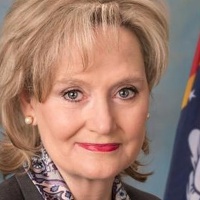
Cindy Hyde-Smith
Senator
MS
Cindy Hyde-Smith
Senator
MS
The Habitat Enhancement Now Act establishes two new competitive grant programs managed by the Secretary of the Interior to support migratory waterfowl populations. One program focuses on funding the construction and maintenance of "hen houses" to boost nesting success in the Prairie Pothole Region. The second program aims to improve breeding habitat, such as nesting cover and brood ponds, specifically within California. Annual funding of \$3.5 million is set aside for each of these two distinct grant programs through fiscal year 2030.
This bill mandates the State Department to develop and deliver a comprehensive strategy to counter Iranian and Hezbollah influence operations across Latin America.
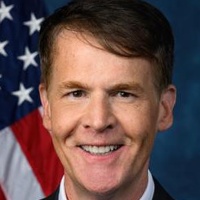
Jefferson Shreve
Representative
IN
Jefferson Shreve
Representative
IN
The BANNED in Latin America Act mandates the Secretary of State to develop a comprehensive strategy to counter Iranian and Hezbollah influence operations across Latin America. This plan must detail actions against cultural centers, restrict the activities of Iranian agents, and boost intelligence gathering on these networks. Furthermore, the strategy will outline measures to disrupt Iranian and Hezbollah media platforms and address radicalization efforts within university networks.
The FRONT Act amends the Foreign Agents Registration Act (FARA) to require certain tax-exempt organizations receiving funding from designated "countries of concern" to register as foreign agents.
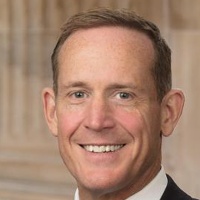
Ted Budd
Senator
NC
Ted Budd
Senator
NC
The Foreign Registration Obligations for Nonprofit Transparency Act (FRONT Act) amends the Foreign Agents Registration Act (FARA) to require certain tax-exempt organizations receiving funding from designated "countries of concern" to register as foreign agents. This closes a loophole by treating non-profits that accept money from specified hostile foreign entities as agents of those foreign principals. These organizations will face new, specific disclosure requirements when registering under FARA.
This Act mandates the Consumer Product Safety Commission to adopt specific industry standards as mandatory safety rules for lithium-ion batteries in personal electric transportation.

Kirsten Gillibrand
Senator
NY
Kirsten Gillibrand
Senator
NY
The Setting Consumer Standards for Lithium-Ion Batteries Act mandates that the Consumer Product Safety Commission (CPSC) adopt specific industry standards as mandatory safety rules for lithium-ion batteries in personal electric transportation within 180 days of enactment. These rules will automatically update when the underlying industry standards are revised, unless the CPSC determines the update does not improve safety. The CPSC must also report to Congress five years after enactment regarding battery-related incidents involving these consumer products.
This Act mandates that television advertisements for prescription drugs and biologics covered by Medicare or Medicaid must clearly display the list price for a standard supply.
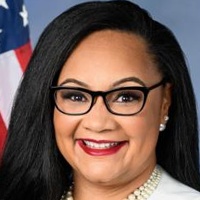
Nikema Williams
Representative
GA
Nikema Williams
Representative
GA
The Plain Prescription Prices Act mandates that television advertisements for prescription drugs and biologics covered by Medicare or Medicaid must clearly display the list price for a standard supply. This aims to increase transparency by ensuring consumers see the cost information directly in drug advertisements. The Secretary of Health and Human Services will establish the specific rules and enforcement mechanisms for this price disclosure.
This bill prohibits pharmaceutical companies from advertising prescription drugs directly to consumers if they have run any such advertisements within the preceding 30 days.
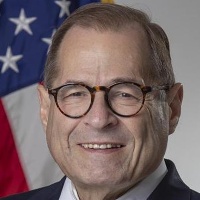
Jerrold Nadler
Representative
NY
Jerrold Nadler
Representative
NY
The End Prescription Drug Ads Now Act prohibits pharmaceutical companies from advertising prescription drugs directly to consumers. This ban applies to any direct-to-consumer advertising conducted within the preceding 30 days for that specific drug. The goal is to immediately stop the promotion of prescription medications to the general public upon the law's enactment.
The Franchisee Freedom Act establishes a private right of action for franchisees harmed by specific regulatory or statutory violations and protects their right to associate with other franchisees.

Janice Schakowsky
Representative
IL
Janice Schakowsky
Representative
IL
The Franchisee Freedom Act establishes a private right of action allowing franchisees to sue for damages and seek relief when franchisors violate specific federal regulations or provisions of this Act. Furthermore, this legislation explicitly protects a franchisee's right to associate, communicate, and join trade groups with other franchisees without fear of retaliation from the franchisor. This ensures franchisees have legal recourse and the freedom to organize.
This bill extends the authority to carry out the Defense Production Act of 1950 from September 30, 2025, to September 30, 2031.
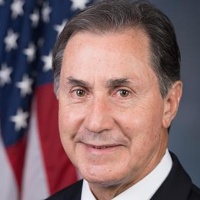
Gary Palmer
Representative
AL
Gary Palmer
Representative
AL
This bill extends the authority granted under the Defense Production Act of 1950. Specifically, it moves the expiration date for these special powers from September 30, 2025, to September 30, 2031. This action ensures the continued availability of the Act's provisions for the specified period.
This bill eliminates the 190-day lifetime limit on inpatient psychiatric hospital services covered by Medicare, effective January 1, 2027.
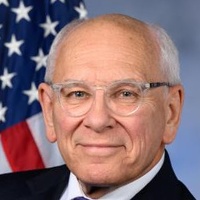
Paul Tonko
Representative
NY
Paul Tonko
Representative
NY
The Medicare Mental Health Inpatient Equity Act of 2025 eliminates the outdated 190-day lifetime limit for inpatient psychiatric hospital services covered by Medicare. This crucial change ensures that beneficiaries will no longer face a cap on the total number of days Medicare will cover for necessary inpatient psychiatric care. The provision takes effect for services received on or after January 1, 2027.
This Act establishes a new tax credit incentive for capturing and utilizing methane emissions from mining operations.

Mark Warner
Senator
VA
Mark Warner
Senator
VA
The Methane Reduction and Economic Growth Act creates a new tax incentive for capturing methane emissions directly from mines. This incentive allows mine operators to claim the existing carbon capture tax credit (Section 45Q) for qualified methane that would otherwise leak into the atmosphere. To qualify, the captured methane must be safely injected into a pipeline or used for energy production, and facilities must meet specific construction and capture thresholds.
This Act establishes a new, above-the-line federal tax deduction for qualified flood insurance premiums paid by individuals with an adjusted gross income under \$200,000.
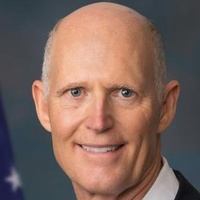
Rick Scott
Senator
FL
Rick Scott
Senator
FL
The Flood Insurance Relief Act establishes a new federal tax deduction for individuals paying qualified flood insurance premiums. This deduction allows taxpayers to lower their taxable income based on their flood insurance costs. However, this new benefit is phased out for taxpayers with an Adjusted Gross Income exceeding $200,000.
This Act ensures that individuals in rural areas have complete and accessible disaster assistance from the Small Business Administration.
Amy Klobuchar
Senator
MN
Amy Klobuchar
Senator
MN
The Rural Small Business Resilience Act mandates that the Small Business Administration (SBA) ensure individuals in rural areas have full and accessible opportunities for disaster assistance. This requires the SBA to actively market and outreach to these communities following a disaster declaration. The bill also includes a minor, non-substantive technical renumbering within the Small Business Act.
This bill mandates that FEMA report on its progress in mitigating cybersecurity risks that could impede agency operations, in coordination with CISA.
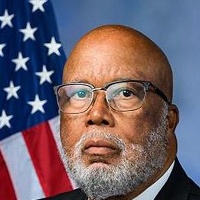
Bennie Thompson
Representative
MS
Bennie Thompson
Representative
MS
The FEMA Cybersecurity Improvement Act amends the Homeland Security Act to explicitly require the Department of Homeland Security, particularly FEMA, to focus on mitigating cybersecurity risks that could impede agency operations. The bill mandates that the FEMA Administrator submit a progress report to Congress within one year detailing these cybersecurity improvements, developed in coordination with CISA.
This Act designates the Muslim Brotherhood and its affiliates as terrorist organizations, imposes strict visa and entry bans on its members, and mandates annual reporting and sanctions against its branches.
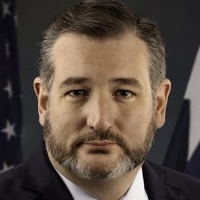
Ted Cruz
Senator
TX
Ted Cruz
Senator
TX
The Muslim Brotherhood Terrorist Designation Act of 2025 officially designates the Muslim Brotherhood and its affiliates, including Hamas, as terrorist organizations under U.S. law. This act imposes strict prohibitions on their operations within the United States and mandates visa and entry bans for their members. Furthermore, the legislation requires the Secretary of State to annually report on all Muslim Brotherhood branches globally, compelling the President to impose sanctions on those identified.