Legislation
The Railroad Retirement Board Stability Act of 2026 establishes a consolidated administrative account to streamline funding and mandates a comprehensive modernization of the Board’s legacy benefit processing systems.
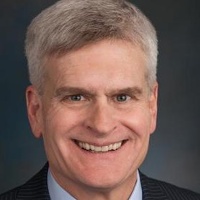
Bill Cassidy
Senator
LA
Bill Cassidy
Senator
LA
The Railroad Retirement Board Stability Act of 2026 streamlines the agency's funding by consolidating administrative accounts to ensure consistent, reliable operations. The bill also mandates dedicated funding and oversight for the modernization of the Board’s outdated benefit processing systems. Additionally, it requires the GAO to provide reports on these modernization efforts to ensure accountability and progress.
The Protect and Serve Act of 2026 establishes a new federal crime for the killing or attempted killing of law enforcement officers based on their status as officers.
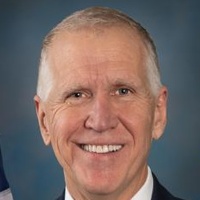
Thom Tillis
Senator
NC
Thom Tillis
Senator
NC
The Protect and Serve Act of 2026 establishes a new federal crime for killing or attempting to kill law enforcement officers when the act is motivated by their status as an officer. This legislation provides federal jurisdiction over such offenses under specific circumstances and outlines strict penalties, including potential life imprisonment. Federal prosecution under this act requires certification by the Attorney General to ensure the case meets specific public interest or state-requested criteria.
This resolution disapproves the EPA’s decision to grant California a waiver for its Advanced Clean Car Program and state motor vehicle emission standards.
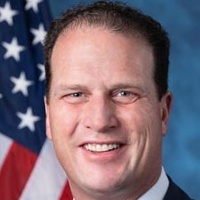
August Pfluger
Representative
TX
August Pfluger
Representative
TX
This joint resolution seeks to nullify an EPA rule that granted California a waiver to enforce its own Advanced Clean Car Program and stricter motor vehicle pollution standards. If passed, this measure would revoke the EPA’s decision and strip the rule of any legal force or effect.
The 21st Century Dyslexia Act amends the Individuals with Disabilities Education Act (IDEA) to explicitly recognize dyslexia as a covered disability and ensure equitable access to educational accommodations for all students.
Bill Cassidy
Senator
LA
Bill Cassidy
Senator
LA
The 21st Century Dyslexia Act amends the Individuals with Disabilities Education Act (IDEA) to explicitly recognize dyslexia as a specific learning disability. This legislation establishes a formal definition of dyslexia and mandates equal access to educational accommodations and services for all eligible students, regardless of their socioeconomic or linguistic background.
The Anti-Corruption Bureau Creation Act establishes an independent, nonpartisan federal agency to consolidate government oversight and empowers citizens to pursue civil litigation against high-ranking officials for corrupt self-enrichment.
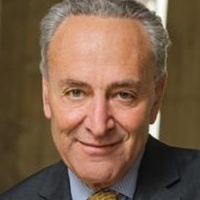
Charles Schumer
Senator
NY
Charles Schumer
Senator
NY
The Anti-Corruption Bureau Creation Act establishes an independent, nonpartisan agency to consolidate and strengthen federal oversight of campaign finance, government ethics, and whistleblower protections. The bill also creates a private right of action, empowering citizens to sue high-ranking officials for corruption and recover stolen public funds. By centralizing enforcement and providing dedicated funding, this legislation aims to increase transparency and accountability within the executive branch.
The SMASH 2.0 Act reauthorizes and modernizes federal mosquito control programs, incentivizing innovative technology and enhancing emergency stockpiling efforts to prevent the spread of vector-borne diseases.
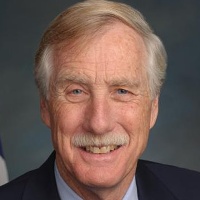
Angus King
Senator
ME
Angus King
Senator
ME
The SMASH 2.0 Act reauthorizes federal funding for state and local mosquito control programs through 2031 to better prevent the spread of vector-borne diseases. The bill promotes the use of innovative technologies, enhances training for public health personnel, and establishes a strategic national stockpile of emergency vector-control supplies.
The Foreign Service Language Readiness Act requires the Secretary of State to identify critical foreign languages and integrate language proficiency requirements into workforce planning, training, and national security operations.
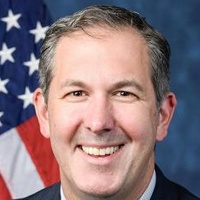
Johnny Olszewski
Representative
MD
Johnny Olszewski
Representative
MD
The Foreign Service Language Readiness Act mandates that the Secretary of State identify and maintain a list of critical foreign languages essential to U.S. national security and economic interests. The bill requires the Department of State to integrate these language capabilities into workforce planning, training, and surge-capacity strategies. Additionally, it establishes reporting requirements to ensure Congress is informed on the Department's progress in meeting critical language staffing needs.
The Compassionate Care Act improves end-of-life care by expanding telehealth access, enhancing provider training, and establishing national standards to ensure patient healthcare preferences are honored.
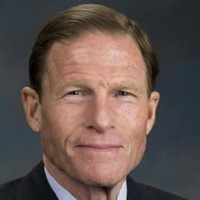
Richard Blumenthal
Senator
CT
Richard Blumenthal
Senator
CT
The Compassionate Care Act aims to improve end-of-life care by increasing public awareness, enhancing provider training, and expanding telehealth access for advance care planning. The bill also mandates federal research into creating a more consistent, portable, and accessible national framework for advance directives. These efforts are designed to ensure that patients' healthcare preferences are clearly documented, easily accessible, and honored across all medical settings.
This bill authorizes qualified former military special operations personnel to carry concealed firearms nationwide, subject to specific training, certification, and identification requirements.
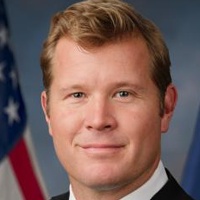
Tim Sheehy
Senator
MT
Tim Sheehy
Senator
MT
The Special Operations Forces Concealed Carry Act allows qualified former military special operations personnel to carry concealed firearms nationwide, similar to the rights currently granted to retired law enforcement officers. To qualify, veterans must maintain honorable discharge status, meet annual state-level firearms training requirements, and complete a federally certified use-of-force course. The bill also mandates that the Department of Defense and the Department of Veterans Affairs establish a formal identification program to verify these credentials.
The Display America's Art Act establishes a program for Members of Congress to borrow and display underutilized artwork from federally funded institutions in their offices.

John Kennedy
Senator
LA
John Kennedy
Senator
LA
The Display America's Art Act establishes a new program allowing the Architect of the Capitol to loan federally owned artwork—currently held in storage by institutions like the Smithsonian—for display in Congressional offices. This initiative aims to increase public access to art collections by placing otherwise unseen pieces in the offices of Members of Congress. All loans must be mutually approved by the Architect and the lending institution to ensure the artwork is appropriate for display.
The RECOVER PII Act mandates lifetime identity theft protection for federal data breach victims and authorizes agencies to reimburse employees for privacy-enhancing services.

Mark Warner
Senator
VA
Mark Warner
Senator
VA
The RECOVER PII Act strengthens protections for federal employees and contractors affected by data breaches by mandating permanent, lifetime identity theft insurance coverage of at least $5,000,000. Additionally, the bill authorizes federal agencies to reimburse personnel for the costs of privacy-enhancing services to better secure their personal information.
This joint resolution disapproves the EPA rule that granted California a waiver to enforce its own stricter vehicle emission standards under the Advanced Clean Car Program.
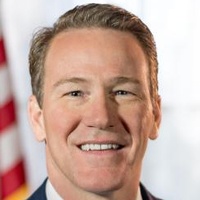
Jon Husted
Senator
OH
Jon Husted
Senator
OH
This joint resolution seeks to block an Environmental Protection Agency rule that granted California a waiver to enforce its own stricter vehicle emission standards. By disapproving this rule, the resolution prevents California from implementing the Advanced Clean Car Program and ensures that federal emission requirements remain the standard.
The RISE Act streamlines the disability documentation process for college students, increases transparency in accommodation policies, and mandates institutional reporting on student disability services.
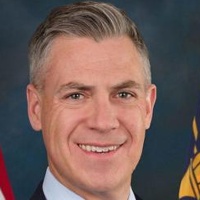
Jim Banks
Senator
IN
Jim Banks
Senator
IN
The Respond, Innovate, Succeed, and Empower (RISE) Act aims to improve college accessibility for students with disabilities by streamlining the documentation process for accommodations. The bill also mandates that colleges report data on students with disabilities and authorizes $10 million in funding for a national technical support center. These measures ensure greater transparency and support for students navigating the transition to postsecondary education.
The Expanding Capacity for Health Outcomes Act of 2026 extends funding and establishes new grant authorities to support technology-enabled collaborative learning models aimed at improving public health outcomes.
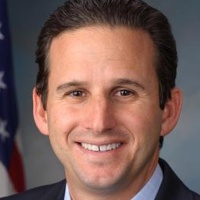
Brian Schatz
Senator
HI
Brian Schatz
Senator
HI
The Expanding Capacity for Health Outcomes Act of 2026 extends funding through 2031 for technology-enabled collaborative learning models that improve public health. It introduces new grant authority for networks of organizations to leverage shared data in addressing critical infectious and chronic diseases. This legislation aims to strengthen healthcare capacity by supporting data-driven, collaborative approaches to complex health challenges.
The K–12 AI Literacy and Readiness Act of 2026 authorizes the use of federal education grant funds to support safe and responsible artificial intelligence instruction for students and professional development for educators.
Tim Sheehy
Senator
MT
Tim Sheehy
Senator
MT
The K–12 AI Literacy and Readiness Act of 2026 amends the Elementary and Secondary Education Act to authorize the use of federal grant funds for artificial intelligence education. This legislation enables states and school districts to invest in AI-focused student curricula and professional development for educators. All funded initiatives must prioritize the safe, effective, and responsible use of AI technologies in the classroom.
This joint resolution seeks to overturn an EPA rule that authorized California to enforce its own stricter pollution control standards for small off-road engines.
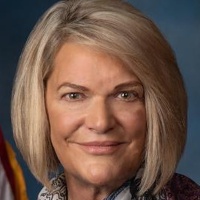
Cynthia Lummis
Senator
WY
Cynthia Lummis
Senator
WY
This joint resolution expresses congressional disapproval of an EPA rule that granted California the authority to enforce its own emission standards for small off-road engines, such as lawn mowers and leaf blowers. By passing this resolution, Congress effectively blocks the rule from taking effect.
This resolution seeks to impeach Office of Management and Budget Director Russell Thurlow Vought for abusing his authority by unlawfully withholding congressionally appropriated funds and interfering with Congress’s constitutional spending power.
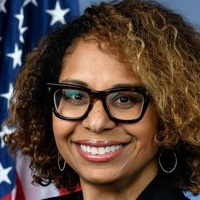
Sydney Kamlager-Dove
Representative
CA
Sydney Kamlager-Dove
Representative
CA
This resolution initiates impeachment proceedings against Russell Thurlow Vought, Director of the Office of Management and Budget, for high crimes and misdemeanors. It alleges that Vought abused his office by unlawfully withholding congressionally appropriated funds and utilizing political criteria to terminate federal grants. The bill asserts that these actions violate the Congressional Budget and Impoundment Control Act and constitute an unconstitutional interference with Congress’s spending authority.
This resolution commemorates the 100th anniversary of Northwest Mississippi Community College, honoring a century of educational excellence, workforce development, and dedicated service to the state of Mississippi.

Roger Wicker
Senator
MS
Roger Wicker
Senator
MS
This resolution commemorates the 100th anniversary of Northwest Mississippi Community College, honoring a century of dedication to educational excellence and workforce development. It celebrates the institution’s significant contributions to student success, community service, and the economic growth of North Mississippi.
The RCORP Authorization Act establishes a grant program within the HRSA to expand substance use disorder prevention, treatment, and recovery services in rural communities.

Shelley Capito
Senator
WV
Shelley Capito
Senator
WV
The RCORP Authorization Act establishes a formal program within the Health Resources and Services Administration (HRSA) to expand substance use disorder prevention, treatment, and recovery services in rural areas. The legislation authorizes $165 million annually through 2031 to provide grants to eligible entities for building cross-sector networks and implementing evidence-based care models. This initiative aims to strengthen rural health infrastructure and address emerging public health challenges related to substance use.
The Emergency Savings Enhancement Act of 2025 simplifies participant eligibility and increases the automatic rollover and contribution thresholds for retirement savings plans.

Todd Young
Senator
IN
Todd Young
Senator
IN
The Emergency Savings Enhancement Act of 2025 aims to simplify and expand access to emergency savings accounts within retirement plans. The bill increases the automatic rollover notice threshold and contribution limits from $2,500 to $5,000, while streamlining eligibility definitions for participants. These updates are set to take effect for tax years beginning after December 31, 2026.