Legislation
The Federal Employee Return to Work Act prohibits federal teleworkers from receiving annual pay adjustments and mandates that their basic pay be set to the "Rest of U.S." locality rate.
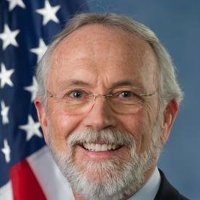
Dan Newhouse
Representative
WA
Dan Newhouse
Representative
WA
The Federal Employee Return to Work Act mandates that federal employees who telework at least one day per week are ineligible for annual pay adjustments. Additionally, the bill requires that these employees be compensated based on the "Rest of U.S." locality pay scale, regardless of their actual work location. Certain groups, including employees with disabilities and law enforcement officers, are exempt from these provisions.
This bill prohibits the Department of the Interior from implementing or enforcing the Bureau of Land Management’s Approved Resource Management Plan Amendment for the Buffalo, Wyoming Field Office.
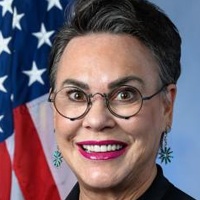
Harriet Hageman
Representative
WY
Harriet Hageman
Representative
WY
This bill prohibits the Secretary of the Interior from implementing, administering, or enforcing the Approved Resource Management Plan Amendment for the Bureau of Land Management’s Buffalo, Wyoming Field Office. It effectively blocks the most recent updates to the land management policies governing this specific region.
This bill reauthorizes and extends the Colorado River System conservation pilot program through 2027 to support ongoing water management efforts in the basin.
Harriet Hageman
Representative
WY
Harriet Hageman
Representative
WY
The Colorado River Basin System Conservation Extension Act of 2025 reauthorizes the Colorado River System conservation pilot program. This legislation extends the program’s operational deadline to 2026 and its overall expiration date to 2027, ensuring continued efforts to manage water conservation within the basin.
This bill prohibits the Department of Homeland Security from using federal funds to advertise the Immigration Detention Ombudsman’s office to the general public.

Andy Biggs
Representative
AZ
Andy Biggs
Representative
AZ
The "No Funding for Illegal Migrant Billboards Act" prohibits the Department of Homeland Security from using federal funds to advertise the Immigration Detention Ombudsman’s office to the general public. This legislation specifically restricts the use of billboards and other public media for such promotional purposes.
The Sunshine Protection Act of 2025 proposes making daylight saving time the permanent, year-round standard time across the United States, effectively ending the practice of biannual clock changes.
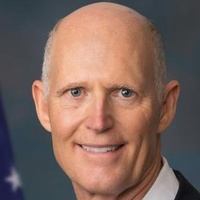
Rick Scott
Senator
FL
Rick Scott
Senator
FL
The Sunshine Protection Act of 2025 proposes making daylight saving time the permanent, year-round standard time across the United States. This change would eliminate the need to biannually "spring forward" and "fall back" by shifting all time zones forward by one hour. States currently exempt from daylight saving time would retain the option to remain on standard time.
The JFK Act of 2025 mandates the full, unredacted public disclosure of all remaining federal records related to the assassination of President John F. Kennedy within 30 days of enactment.
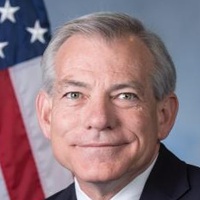
David Schweikert
Representative
AZ
David Schweikert
Representative
AZ
The JFK Act of 2025 mandates the full, unredacted public disclosure of all remaining federal records related to the assassination of President John F. Kennedy. Within 30 days of enactment, specified federal agencies must release these documents, overriding all previous legal restrictions, secrecy orders, and non-disclosure directives. Additionally, the Attorney General is required to petition courts to unseal any relevant records currently held under grand jury or judicial secrecy.
This bill excludes locality-based pay adjustments from retirement annuity calculations for newly hired federal employees.
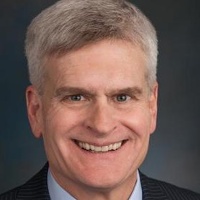
Bill Cassidy
Senator
LA
Bill Cassidy
Senator
LA
This bill amends the Federal Employees Retirement System (FERS) to exclude locality-based pay adjustments from the "average pay" calculation used to determine retirement annuities. This change applies exclusively to newly hired federal employees who have no prior creditable civilian service. Current federal employees and members remain unaffected by this adjustment.
The Read the Bills Act mandates that all legislation include a citation of constitutional authority, clearly display proposed changes to existing law, and be made publicly available for seven days and read aloud in its entirety before a final vote.

Rand Paul
Senator
KY
Rand Paul
Senator
KY
The Read the Bills Act aims to increase legislative transparency and accountability by requiring that all bills cite their constitutional authority and clearly display proposed changes to existing law. It mandates that full text be made public online at least seven days before a vote and read aloud in its entirety to members of Congress. Additionally, the bill requires members to sign an affidavit confirming they have read or listened to the legislation before voting, and it allows citizens to challenge the enforcement of any law passed in violation of these procedures.
The SEC Act of 2025 prohibits the Securities and Exchange Commission from requiring companies to disclose climate-related information that is not material to investor decision-making.
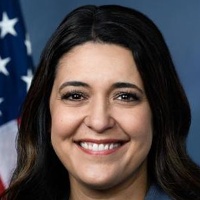
Stephanie Bice
Representative
OK
Stephanie Bice
Representative
OK
The SEC Act of 2025 amends the Securities Exchange Act of 1934 to restrict the Securities and Exchange Commission’s authority regarding climate-related reporting. Under this legislation, the SEC is prohibited from requiring companies to disclose climate information unless it is deemed material to a reasonable investor’s decision-making process.
This bill prohibits the FHFA from implementing the January 2023 updates to Fannie Mae and Freddie Mac’s single-family mortgage pricing frameworks, effectively voiding those changes.
Stephanie Bice
Representative
OK
Stephanie Bice
Representative
OK
This bill mandates the cancellation of recent updates to the single-family mortgage pricing frameworks implemented by Fannie Mae and Freddie Mac. It prohibits the Federal Housing Finance Agency (FHFA) from enforcing these changes, effectively declaring the January 2023 pricing adjustments void and without legal effect.
The FairTax Act of 2025 proposes replacing federal income, payroll, and estate taxes with a national consumption-based sales tax, accompanied by monthly family rebates and the eventual sunsetting of the IRS.
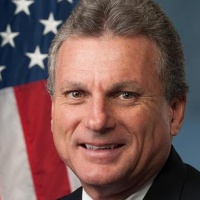
Earl Carter
Representative
GA
Earl Carter
Representative
GA
The FairTax Act of 2025 proposes a fundamental overhaul of the U.S. tax system by repealing federal income, payroll, estate, and gift taxes starting in 2027. In their place, the legislation establishes a national sales tax on new goods and services, supported by a monthly rebate for qualified families to offset the cost of basic necessities. The bill also transitions tax administration to the Treasury Department and includes a sunset provision that terminates the sales tax if the Sixteenth Amendment is not repealed within seven years.
This bill designates the United States Postal Service facility located at 154 First Avenue East in Jerome, Idaho, as the "Representative Maxine Bell Post Office."

Michael Crapo
Senator
ID
Michael Crapo
Senator
ID
This bill officially designates the United States Postal Service facility located at 154 First Avenue East in Jerome, Idaho, as the "Representative Maxine Bell Post Office." All official federal records and documents will be updated to reflect this new name.
This bill mandates the formal abolishment of the Bureau of Alcohol, Tobacco, Firearms and Explosives (ATF).
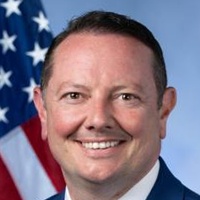
Eric Burlison
Representative
MO
Eric Burlison
Representative
MO
The Abolish the ATF Act is a legislative proposal that mandates the immediate dissolution of the Bureau of Alcohol, Tobacco, Firearms and Explosives. This bill seeks to formally terminate the agency and eliminate its federal oversight functions.
This bill mandates that the Department of Veterans Affairs provide mental health care services within five days for veterans with service-connected mental disorders rated at 50 percent or higher.
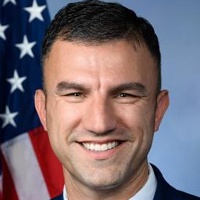
Rudy Yakym
Representative
IN
Rudy Yakym
Representative
IN
The Sergeant Ted Grubbs Mental Healthcare for Disabled Veterans Act mandates that the Department of Veterans Affairs provide mental health services to eligible veterans with service-connected disabilities rated at 50% or higher within five days of their request. This legislation aims to improve timely access to critical care for veterans suffering from severe mental disorders.
This bill prohibits Members of Congress, their spouses, and their dependents from owning or trading individual stocks and other financial assets to prevent conflicts of interest.
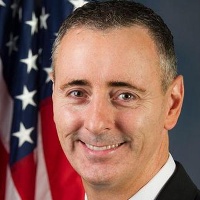
Brian Fitzpatrick
Representative
PA
Brian Fitzpatrick
Representative
PA
The Bipartisan Restoring Faith in Government Act prohibits Members of Congress, their spouses, and their dependents from owning or trading individual stocks, commodities, and other specified financial instruments. To comply, covered individuals must divest these assets or place them into a qualified blind trust. The bill establishes strict oversight, reporting requirements, and civil penalties for non-compliance to prevent conflicts of interest.
This bill prohibits federal funding for any entity that performs abortions, with specific exceptions for cases of rape, incest, or life-threatening medical conditions.
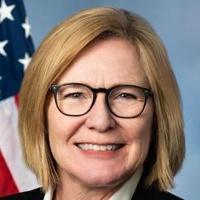
Michelle Fischbach
Representative
MN
Michelle Fischbach
Representative
MN
The Protecting Life and Taxpayers Act of 2025 prohibits federal funding for any entity that performs abortions or provides financial support to organizations that do. Exceptions are granted for cases involving rape, incest, or medical emergencies where the mother's life is at risk.
The HELP PETS Act prohibits federal funding for institutions of higher education that conduct painful research on dogs and cats, with exceptions for clinical veterinary, service, and military animal studies.
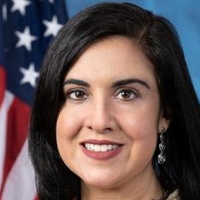
Nicole Malliotakis
Representative
NY
Nicole Malliotakis
Representative
NY
The HELP PETS Act prohibits institutions of higher education from receiving federal funding if they conduct painful research on dogs or cats. This legislation includes specific exceptions for clinical veterinary research, as well as studies involving service or military animals.
The SEC Act of 2025 amends federal securities laws to establish clear criteria for grouping multiple acts of noncompliance as a single violation for penalty purposes.
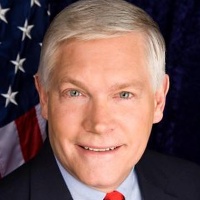
Pete Sessions
Representative
TX
Pete Sessions
Representative
TX
The Securities Enforcement Clarity Act of 2025 establishes a standardized framework for determining when multiple acts of noncompliance should be treated as a single violation for penalty purposes. By clarifying how violations are counted under federal securities laws, the bill aims to provide greater consistency and predictability in enforcement actions.
The TCJA Permanency Act makes the individual tax reforms and Alternative Minimum Tax exemptions from the Tax Cuts and Jobs Act permanent, simplifying tax filing while adjusting credits, deductions, and exemptions for families and small businesses.
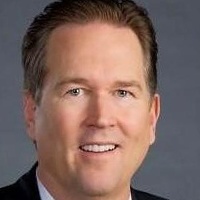
Vern Buchanan
Representative
FL
Vern Buchanan
Representative
FL
The TCJA Permanency Act makes the individual tax reforms of the Tax Cuts and Jobs Act permanent, including lowered income tax rates, an increased standard deduction, and an expanded Child Tax Credit. The legislation also solidifies higher exemptions for the Alternative Minimum Tax to protect more households from the parallel tax system. By locking in these provisions, the bill aims to simplify tax filing while providing long-term stability for families, small business owners, and individual taxpayers.
The Stopping Border Surges Act implements stricter asylum eligibility requirements, accelerates deportation timelines for unaccompanied minors, and mandates family detention to deter unauthorized border crossings.
Andy Biggs
Representative
AZ
Andy Biggs
Representative
AZ
The Stopping Border Surges Act proposes comprehensive reforms to U.S. immigration policy by tightening asylum eligibility and accelerating the processing of unaccompanied minors. The bill mandates stricter screening standards, expands detention authority for families, and limits legal protections for those seeking asylum. Ultimately, the legislation aims to deter fraudulent claims and expedite removals through more restrictive border and interior enforcement measures.