Legislation
The Tim Hart Wildland Firefighter Classification and Pay Parity Act establishes permanent pay increases, enhanced benefits, and comprehensive mental and physical health support for federal wildland firefighters.

Michael Bennet
Senator
CO
Michael Bennet
Senator
CO
The Tim Hart Wildland Firefighter Classification and Pay Parity Act (“Tim’s Act”) establishes a comprehensive framework to improve the compensation, benefits, and support systems for federal wildland firefighters. The bill introduces permanent special base pay rates, new incident response premium pay, and enhanced retirement and health provisions, including mental health support and occupational disease tracking. Additionally, it mandates pay parity for federal structural firefighters and creates a dedicated casualty assistance program for those injured or killed in the line of duty.
The Saving American Workers’ Benefits Act of 2025 mandates that taxpayers and qualifying children provide work-authorized Social Security numbers to claim the Child Tax Credit and Earned Income Tax Credit.

Cindy Hyde-Smith
Senator
MS
Cindy Hyde-Smith
Senator
MS
The Saving American Workers’ Benefits Act of 2025 tightens eligibility requirements for the Child Tax Credit and the Earned Income Tax Credit by mandating that taxpayers and qualifying children provide Social Security numbers that verify U.S. work authorization. Additionally, the bill grants the IRS expanded authority to summarily deny or adjust claims that fail to meet these identification standards. These changes take effect for tax years beginning after December 31, 2025.
This resolution condemns the Iranian regime’s terrorism and human rights abuses while affirming support for the Iranian people’s right to establish a democratic, secular, and non-nuclear republic.
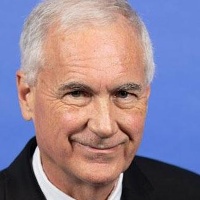
Tom McClintock
Representative
CA
Tom McClintock
Representative
CA
This resolution condemns the Iranian regime for its ongoing human rights abuses, state-sponsored terrorism, and regional instability. It expresses strong support for the Iranian people's struggle for a democratic, secular, and non-nuclear republic. Furthermore, the bill advocates for international accountability for the regime's crimes and calls for the protection of Iranian political refugees.
This resolution disapproves and nullifies the Bureau of Ocean Energy Management’s rule regarding the Protection of Marine Archaeological Resources.
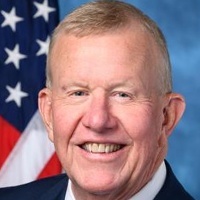
Mike Ezell
Representative
MS
Mike Ezell
Representative
MS
This resolution seeks to exercise congressional disapproval of the Bureau of Ocean Energy Management’s "Protection of Marine Archaeological Resources" rule. If passed, the measure would nullify the rule, rendering it unenforceable.
This bill reauthorizes and modifies the tax deduction for environmental remediation costs, extending the ability for businesses to immediately expense cleanup expenditures through 2028.
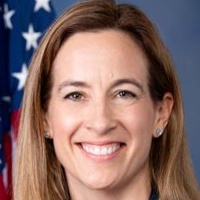
Mikie Sherrill
Representative
NJ
Mikie Sherrill
Representative
NJ
The Brownfields Redevelopment Tax Incentive Reauthorization Act of 2025 extends the ability for businesses to immediately deduct environmental remediation costs for qualifying projects. This legislation updates the Internal Revenue Code to define the specific timeframes during which these tax incentives remain available for property redevelopment.
The Connected MOM Act directs the federal government to evaluate and improve Medicaid coverage for remote maternal health monitoring devices to enhance pregnancy and postpartum outcomes.
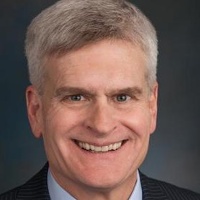
Bill Cassidy
Senator
LA
Bill Cassidy
Senator
LA
The Connected Maternal Online Monitoring (MOM) Act aims to improve maternal and child health outcomes by evaluating and expanding Medicaid coverage for remote monitoring devices like blood pressure cuffs and glucose monitors. The bill directs the Secretary of Health and Human Services to identify barriers to accessing this technology and provide states with updated resources to better support pregnant and postpartum patients.
The Northern Montana Water Security Act of 2025 ratifies a comprehensive water rights settlement for the Fort Belknap Indian Community and authorizes $250 million in federal funding to upgrade wastewater infrastructure for the Blackfeet Tribe.
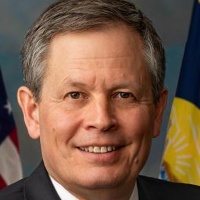
Steve Daines
Senator
MT
Steve Daines
Senator
MT
The Northern Montana Water Security Act of 2025 provides a comprehensive framework to resolve long-standing water rights claims for the Fort Belknap Indian Community while authorizing critical infrastructure investments for both the Fort Belknap and Blackfeet Reservations. This legislation secures reliable water supplies, rehabilitates aging irrigation and wastewater systems, and facilitates land transfers to support tribal economic development and public health. By settling these claims and funding essential utility projects, the act ensures long-term water stability for tribal communities and regional water users across Montana.
The Fairness for Crime Victims Act of 2025 establishes procedural safeguards to prevent Congress from withholding funds from the Crime Victims Fund, ensuring consistent financial support for victims of crime.
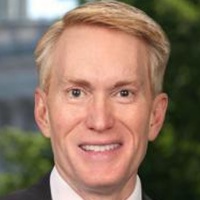
James Lankford
Senator
OK
James Lankford
Senator
OK
The Fairness for Crime Victims Act of 2025 establishes a procedural safeguard to ensure that the Crime Victims Fund is consistently utilized for its intended purpose of supporting victims of crime. By creating a point of order in both the House and Senate, the bill prevents Congress from withholding or diverting funds below a defined three-year average of annual deposits. This legislation aims to address the chronic under-disbursement of the Fund, which is financed entirely by federal fines and penalties rather than taxpayer dollars.
This resolution appoints specific members of the House of Representatives to serve on the Committees on Agriculture and Foreign Affairs.
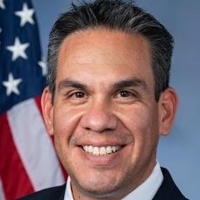
Pete Aguilar
Representative
CA
Pete Aguilar
Representative
CA
This resolution formally appoints specific members of the House of Representatives to serve on key standing committees. It assigns Ms. Pingree and Mr. Carbajal to the Committee on Agriculture, and Mr. Schneider and Ms. Dean to the Committee on Foreign Affairs.
This resolution establishes the procedural rules for House consideration of measures disapproving specific Department of Energy and EPA regulations, as well as the fiscal year 2025 congressional budget.
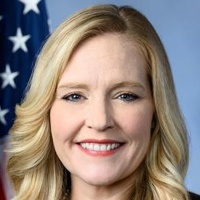
Erin Houchin
Representative
IN
Erin Houchin
Representative
IN
This resolution establishes the procedural framework for the House to consider three key measures: a disapproval of Department of Energy standards for gas-fired water heaters, a disapproval of EPA regulations regarding petroleum and natural gas waste emissions, and the establishment of the federal budget for fiscal year 2025. It sets specific time limits for debate, waives standard procedural objections, and outlines the amendment process for these legislative items.
The No Track No Tax Act of 2025 prohibits the use of federal funds for the development, implementation, or enforcement of any federal, state, or local mileage-based tax or tracking program.
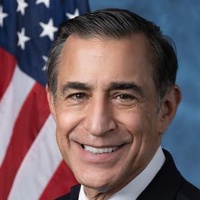
Darrell Issa
Representative
CA
Darrell Issa
Representative
CA
The No Track No Tax Act of 2025 prohibits the use of federal funds for the development, implementation, or enforcement of any mileage-based taxation system. This legislation ensures that federal resources cannot be utilized to support programs that track vehicle mileage for tax purposes at the federal, state, or local level.
This resolution designates February 28, 2025, as Community Arts Education Day to recognize the vital role of arts education in fostering personal growth, cultural connection, and community well-being.
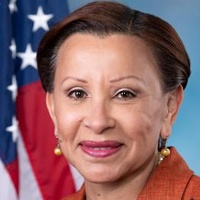
Nydia Velázquez
Representative
NY
Nydia Velázquez
Representative
NY
This resolution designates February 28, 2025, as Community Arts Education Day to celebrate the vital role of arts instruction in fostering personal growth, cultural heritage, and social connection. It recognizes the dedicated educators and culture bearers who use the arts to build essential life skills and strengthen community belonging. Ultimately, the bill highlights the transformative power of arts education as a tool for healing, activism, and academic success.
This resolution establishes the procedural framework for the House to consider and vote on permitting parental remote voting by proxy.

Anna Luna
Representative
FL
Anna Luna
Representative
FL
This resolution establishes the procedural framework for the House to immediately debate and vote on H. Res. 23, which proposes permitting parental remote voting by proxy. It outlines specific rules for floor debate and ensures the measure proceeds directly to a final vote. Additionally, the resolution temporarily waives standard procedural restrictions to allow for continued debate and amendments.
The Mentoring to Succeed Act of 2025 establishes a competitive grant program to support youth mentoring initiatives that foster social-emotional development, academic success, and career readiness for underserved and at-risk youth.

Janice Schakowsky
Representative
IL
Janice Schakowsky
Representative
IL
The Mentoring to Succeed Act of 2025 establishes a competitive grant program under the Workforce Innovation and Opportunity Act to support youth mentoring initiatives. These programs pair at-risk youth with trained mentors to foster social-emotional growth, improve academic performance, and enhance workforce readiness. By prioritizing underserved communities and career development, the legislation aims to help young people successfully transition into college and the workforce.
The SNAP Benefits Fairness Act of 2025 enacts a technical correction to the Food and Nutrition Act of 2008 to streamline statutory language.

LaMonica McIver
Representative
NJ
LaMonica McIver
Representative
NJ
The SNAP Benefits Fairness Act of 2025 implements a technical correction to the Food and Nutrition Act of 2008. This update streamlines the existing language of the law without altering any current program requirements or eligibility standards. The act is scheduled to take effect on January 1 following its enactment.
This bill amends the Internal Revenue Code to require taxpayers to provide valid, work-authorized Social Security numbers for themselves and their qualifying children to claim the Child Tax Credit and Earned Income Tax Credit.
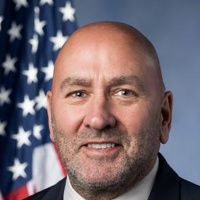
Clay Higgins
Representative
LA
Clay Higgins
Representative
LA
The Safeguarding American Workers’ Benefits Act updates eligibility requirements for the Child Tax Credit and the Earned Income Tax Credit. It mandates that taxpayers and qualifying children provide a valid Social Security number—issued to a U.S. citizen or work-authorized noncitizen—before the tax return due date to claim these benefits. These changes are set to take effect for tax years beginning after December 31, 2025.
The Build the Wall Act of 2025 mandates the construction and maintenance of physical barriers along the U.S. southern border by repurposing unobligated COVID-19 relief funds.
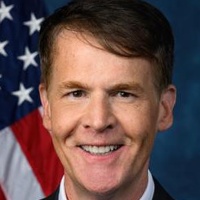
Jefferson Shreve
Representative
IN
Jefferson Shreve
Representative
IN
The Build the Wall Act of 2025 establishes a dedicated Treasury fund to finance the construction and maintenance of physical barriers along the U.S. southern border. The legislation mandates that this initiative be funded by reallocating all unobligated Coronavirus State and local fiscal recovery funds.
This Act establishes Department of Energy and NIST programs to advance research, development, and testing technologies for the detection, quantification, and mitigation of methane emissions.
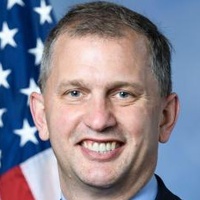
Sean Casten
Representative
IL
Sean Casten
Representative
IL
The Methane Emissions Mitigation Research and Development Act establishes comprehensive federal programs to advance the detection, quantification, and reduction of methane emissions. By fostering collaboration between the Department of Energy, NIST, and private industry, the bill supports the development of cutting-edge mitigation technologies and the creation of national testing facilities. These initiatives aim to improve infrastructure safety, protect public health, and provide standardized best practices for managing methane leaks across the energy sector.
The 287(g) Program Protection Act mandates that the Department of Homeland Security enter into immigration enforcement agreements with state and local law enforcement agencies upon request and establishes new oversight, reporting, and funding requirements for the program.
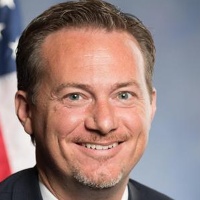
Michael Cloud
Representative
TX
Michael Cloud
Representative
TX
The 287(g) Program Protection Act mandates that the Department of Homeland Security enter into immigration enforcement agreements with any state or local law enforcement agency that requests one. The bill streamlines the approval process, protects existing agreements from arbitrary termination, and requires the Secretary to provide annual performance reports and recruitment plans to expand the program. Additionally, it establishes uniform training standards and reallocates funding to support these state and local partnerships.
The PROTECTS Act of 2025 prohibits the use of federal funds for gender transition surgeries, hormone therapies, and puberty blockers for minors, with specific medical exceptions.
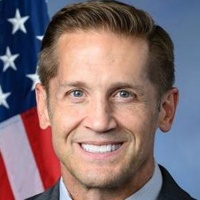
Rich McCormick
Representative
GA
Rich McCormick
Representative
GA
The PROTECTS Act of 2025 prohibits the use of federal funds to provide, refer, or reimburse gender transition procedures—including surgeries, hormone therapies, and puberty blockers—for individuals under the age of 18. The bill includes specific exceptions for medically necessary treatments related to genetic disorders of sex development or other physical health conditions.