Legislation
The Closing the College Hunger Gap Act requires the Department of Education to notify students with high financial need about their potential eligibility for SNAP benefits.
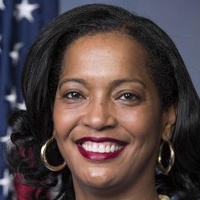
Jahana Hayes
Representative
CT
Jahana Hayes
Representative
CT
The Closing the College Hunger Gap Act aims to reduce food insecurity among students by ensuring those with the highest financial need are informed of their potential eligibility for SNAP benefits. The bill requires the Department of Education to proactively notify students who qualify for federal aid about the SNAP application process. By streamlining communication between federal agencies, this legislation helps eligible students access essential nutritional support.
The Second Chance for Moms Act of 2025 mandates warning labels on mifepristone regarding potential reversal treatments and establishes a 24/7 hotline to connect women with abortion pill reversal services.
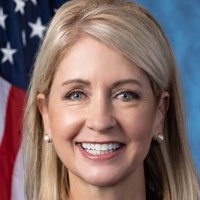
Mary Miller
Representative
IL
Mary Miller
Representative
IL
The Second Chance for Moms Act of 2025 mandates that mifepristone labeling include a warning regarding the potential to counteract the drug's effects with progesterone. Additionally, the bill directs the Department of Health and Human Services to establish a 24/7 hotline to provide support and referrals for individuals seeking abortion pill reversal services.
The America First Act restricts federal public benefits, housing assistance, health care, tax credits, and educational funding for various categories of non-citizens and imposes stricter verification and eligibility requirements across multiple federal programs.
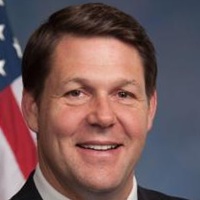
Jodey Arrington
Representative
TX
Jodey Arrington
Representative
TX
The "America First Act" proposes comprehensive changes to federal law to restrict non-citizens' access to a wide range of public benefits, including health care, housing, education, and tax credits. The legislation mandates stricter citizenship verification requirements across federal programs and imposes funding penalties on jurisdictions that do not cooperate with federal immigration enforcement. Additionally, it seeks to limit the use of federal funds by tax-exempt organizations that provide services to certain non-citizen populations.
The Stop Illegal Reentry Act increases criminal penalties and establishes mandatory minimum prison sentences for aliens who reenter the United States after being previously removed or denied admission.
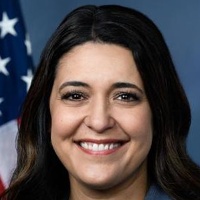
Stephanie Bice
Representative
OK
Stephanie Bice
Representative
OK
The Stop Illegal Reentry Act amends the Immigration and Nationality Act to increase criminal penalties for individuals who reenter the United States after being previously denied admission, excluded, or removed. The bill establishes tiered sentencing guidelines, including mandatory minimums for repeat offenders and those with prior aggravated felony convictions. These measures aim to strengthen enforcement against illegal reentry through more severe fines and extended prison terms.
This bill mandates a Treasury Department report evaluating and recommending improvements for public-private coordination in preventing and responding to ransomware attacks on financial institutions.
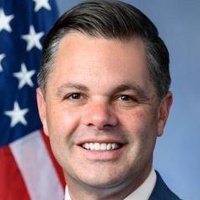
Zachary (Zach) Nunn
Representative
IA
Zachary (Zach) Nunn
Representative
IA
The Public and Private Sector Ransomware Response Coordination Act of 2025 mandates that the Secretary of the Treasury conduct a comprehensive study on how public and private entities collaborate to prevent and respond to ransomware attacks on financial institutions. This report will evaluate the effectiveness of current information-sharing practices and provide policy recommendations to strengthen cybersecurity partnerships. Ultimately, the legislation aims to identify potential legislative improvements to ensure government agencies have timely access to critical incident data.
The Parental Notification and Intervention Act of 2025 mandates parental notification and a 96-hour waiting period for abortions involving minors, while establishing a legal process for parents to seek court injunctions to block the procedure.
Mary Miller
Representative
IL
Mary Miller
Representative
IL
The Parental Notification and Intervention Act of 2025 mandates that parents or legal guardians be notified 96 hours prior to an abortion performed on an unemancipated minor, with limited exceptions for medical emergencies or documented abuse. The bill further empowers parents to seek federal court injunctions to block such procedures. It also preserves existing state laws that impose stricter notification or intervention requirements.
The HEALTH Panel Act establishes a panel of health experts within the Congressional Budget Office to provide technical guidance and improve the accuracy of health-related cost estimates and policy analyses.
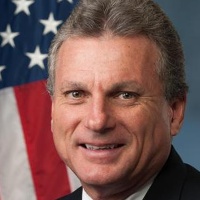
Earl Carter
Representative
GA
Earl Carter
Representative
GA
The HEALTH Panel Act establishes a 15-member Panel of Health Advisors within the Congressional Budget Office (CBO) to provide expert guidance on health-related studies, cost estimates, and economic models. This bipartisan panel will offer technical expertise to improve the accuracy and transparency of the CBO’s health policy analysis. The group is required to meet annually and submit reports detailing their recommendations and the CBO's subsequent actions.
This resolution establishes a national goal for all students to achieve grade-level reading proficiency and encourages the implementation of intensive tutoring and public-private partnerships to combat illiteracy.
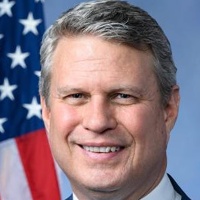
Bill Huizenga
Representative
MI
Bill Huizenga
Representative
MI
This resolution establishes a national goal for every student to achieve grade-level reading proficiency as a foundation for lifelong success. It advocates for the implementation of structured literacy curricula, intensive one-on-one tutoring for struggling students, and collaborative partnerships with private organizations to address literacy gaps in both students and adults.
The Homeowners’ Defense Act of 2025 establishes a federal framework to stabilize natural catastrophe insurance markets by creating a national risk consortium, providing debt guarantees and reinsurance for state programs, and funding community-based disaster mitigation efforts.
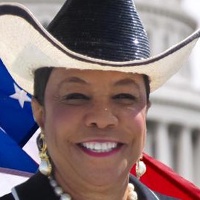
Frederica Wilson
Representative
FL
Frederica Wilson
Representative
FL
The Homeowners’ Defense Act of 2025 establishes a comprehensive federal framework to stabilize the natural catastrophe insurance market and improve disaster resilience. The bill creates a national consortium for risk data, provides federal guarantees and reinsurance for state-run insurance programs, and funds mitigation grants to help homeowners strengthen their properties. By setting strict standards for financial accountability and prioritizing support for vulnerable communities, the legislation aims to ensure the long-term availability and affordability of disaster coverage.
The Ultrasounds Save Lives Act of 2025 mandates that abortion providers perform an ultrasound, share the results, and obtain informed consent at least 24 hours prior to performing an abortion, subject to civil penalties and private lawsuits for non-compliance.
Mary Miller
Representative
IL
Mary Miller
Representative
IL
The Ultrasounds Save Lives Act of 2025 mandates that abortion providers perform an ultrasound and obtain signed informed consent at least 24 hours before performing an abortion. The bill outlines specific disclosure requirements regarding fetal development and medical risks, while establishing civil penalties and private rights of action for providers who fail to comply. Exceptions are provided only for documented medical emergencies.
The Stop Wasteful Advertising by the Government (SWAG) Act prohibits federal agencies from using taxpayer funds to purchase promotional merchandise or create mascots for self-promotion.
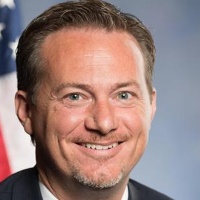
Michael Cloud
Representative
TX
Michael Cloud
Representative
TX
The Stop Wasteful Advertising by the Government (SWAG) Act prohibits federal agencies from spending taxpayer funds on promotional merchandise and the creation of mascots. The bill aims to reduce unnecessary government spending by requiring agencies to justify their public relations and advertising expenditures with evidence of a positive return on investment. Exceptions are provided for essential functions, such as military recruitment and census operations.
The FIRE Act of 2025 establishes a NOAA-led program to enhance wildfire forecasting, detection, and warning systems through advanced technology and collaborative research testbeds.
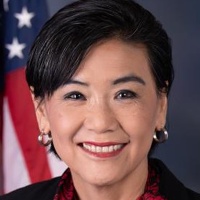
Judy Chu
Representative
CA
Judy Chu
Representative
CA
The FIRE Act of 2025 establishes a dedicated program within NOAA to enhance wildfire forecasting, detection, and risk communication. By leveraging advanced satellite technology, atmospheric modeling, and new research testbeds, the legislation aims to improve early response efforts and reduce the loss of life and property caused by wildfires.
This bill designates Lunar New Year Day as an official federal legal public holiday.

Grace Meng
Representative
NY
Grace Meng
Representative
NY
The Lunar New Year Day Act proposes designating Lunar New Year Day as an official federal legal public holiday. If passed, this legislation would amend federal law to include the holiday in the official list of observed public holidays in the United States.
This bill restricts the $800 duty-free import exemption for low-value shipments by prohibiting shipment splitting and excluding goods subject to specific trade enforcement actions or national security tariffs.
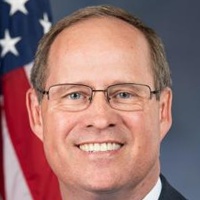
Gregory Murphy
Representative
NC
Gregory Murphy
Representative
NC
The "End China’s De Minimis Abuse Act" restricts the use of duty-free exemptions for low-value shipments to prevent the exploitation of current trade loopholes. The bill prohibits the splitting of shipments to bypass duty limits and excludes goods subject to existing trade enforcement actions from qualifying for these exemptions. Additionally, it mandates stricter documentation for imports from targeted countries and establishes significant civil penalties for non-compliance.
The African Diaspora Council Act establishes an advisory council within the Department of State to strengthen engagement, collaboration, and socioeconomic ties between the U.S. government and African diaspora communities.
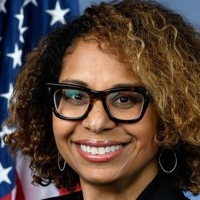
Sydney Kamlager-Dove
Representative
CA
Sydney Kamlager-Dove
Representative
CA
The African Diaspora Council Act establishes an advisory council within the Department of State to strengthen connections between the U.S. government and the African diaspora. Composed of diverse leaders from various professional sectors, the council provides the President with recommendations on advancing equity, fostering economic and cultural ties, and enhancing educational exchanges. This initiative aims to increase collaboration and public awareness regarding the contributions and socioeconomic well-being of African diaspora communities.
This act requires the Bureau of Prisons to share specific data on D.C. inmates with the Mayor to support reentry efforts, while strictly limiting the disclosure of that information to protect individual privacy.

Eleanor Norton
Representative
DC
Eleanor Norton
Representative
DC
The District of Columbia Code Returning Citizens Coordination Act requires the Bureau of Prisons to provide the D.C. Mayor with regular updates on D.C. residents in federal custody, including their housing location and release dates. The bill strictly limits the use of this data, prohibiting the Mayor from sharing it with law enforcement while allowing disclosure to legal counsel and reentry organizations. This legislation aims to improve coordination and support for individuals transitioning back into the community.
The Educational Choice for Children Act of 2025 establishes a federal tax credit for donations to scholarship-granting organizations to help families fund K-12 educational expenses, including private school tuition and homeschooling costs.

Adrian Smith
Representative
NE
Adrian Smith
Representative
NE
The Educational Choice for Children Act of 2025 establishes a federal tax credit for donations to scholarship-granting organizations, which provide financial assistance for K-12 educational expenses. This initiative aims to expand school choice by helping eligible families cover costs such as tuition, tutoring, and educational therapies. The bill also includes robust protections to ensure the autonomy of participating private and religious schools and the freedom of parents to direct their children's education.
This bill authorizes the posthumous award of the Congressional Gold Medal to Colonel Young Oak Kim in recognition of his extraordinary military heroism, leadership, and humanitarian contributions.
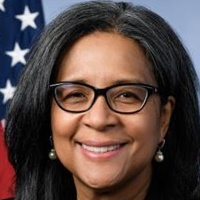
Marilyn Strickland
Representative
WA
Marilyn Strickland
Representative
WA
The Colonel Young Oak Kim Congressional Gold Medal Act authorizes the posthumous award of the Congressional Gold Medal to Colonel Young Oak Kim in recognition of his extraordinary military heroism and lifelong commitment to humanitarian service. A decorated veteran of World War II and the Korean War, Kim is honored for his trailblazing leadership and his profound contributions to the Los Angeles community. This legislation ensures his legacy is preserved through the creation and display of this prestigious national award.
The Heroes’ Tax Exemption Act of 2025 establishes a federal income tax exemption for all earnings of active-duty members of the U.S. Armed Forces.
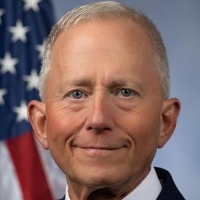
Jefferson Van Drew
Representative
NJ
Jefferson Van Drew
Representative
NJ
The Heroes’ Tax Exemption Act of 2025 eliminates federal income tax for all active-duty members of the U.S. Armed Forces. This legislation ensures that military pay and allowances are fully exempt from federal taxation, providing significant financial relief to those serving in uniform.
The DEI to DIE Act mandates the termination of all diversity, equity, and inclusion (DEI) programs, offices, and initiatives across the Federal Government to ensure federal employment practices are based solely on individual merit.
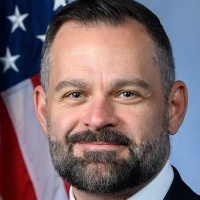
Cory Mills
Representative
FL
Cory Mills
Representative
FL
The "DEI to DIE Act" mandates the termination of all diversity, equity, and inclusion (DEI) programs, offices, and initiatives across the Federal Government. The legislation requires federal agencies to eliminate these practices and refocus employment and operational standards on individual merit and equal dignity. Additionally, the Act establishes oversight requirements to ensure federal resources are no longer utilized for DEI-related activities, grants, or contracts.