This bill establishes visa restrictions and inadmissibility to the United States for current and former officials and associates of the regimes in Venezuela, Cuba, Nicaragua, and Bolivia linked to human rights violations or undermining democracy.
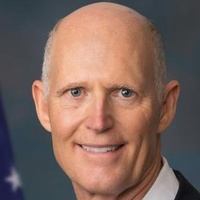
Rick Scott
Senator
FL
The No Relief for Allies of Dictators Act of 2026 establishes strict visa restrictions and inadmissibility to the United States for current and former officials, associates, and their family members from specified regimes in Venezuela, Cuba, Nicaragua, and Bolivia. This legislation mandates the revocation of existing visas for those determined to be complicit in human rights violations or undermining democracy in those nations. The bill ensures these individuals are ineligible for any U.S. entry benefit, with a narrow exception for travel related to United Nations headquarters.
New Law Targets Officials from Venezuela, Cuba, Nicaragua, and Bolivia with U.S. Visa Bans
Alright, let's cut through the noise on this one: the “No Relief for Allies of Dictators Act of 2026” is all about making it a lot harder for certain folks from Venezuela, Cuba, Nicaragua, and Bolivia to set foot in the United States. We’re talking about visa restrictions and outright bans for current and former officials, plus their associates, from regimes like those of Hugo Chavez, Nicolas Maduro, Fidel and Raul Castro, Miguel Diaz-Canel, Daniel Ortega, and Evo Morales. The bill also ropes in Sandinista party members. Essentially, if you’re tied to these governments and deemed responsible for human rights violations, undermining democracy, or just generally aiding repression, the U.S. is saying ‘no entry.’ And here’s the kicker: this isn’t just for the individuals themselves; their spouses and children are also on the hook.
Who's Getting The Cold Shoulder?
So, who exactly is caught in this net? The bill lays it out pretty clearly: if you’re a former official under specific regimes (like Chavez or Castro) or a current one (Maduro, Diaz-Canel, Ortega), you’re in the crosshairs. But it goes further, hitting anyone who “acts on behalf of, aids in repression by, or assists any of the regimes or parties listed above.” This means if you’re a business person providing financial support, or a tech professional helping with surveillance, you could be flagged. The Secretary of State gets the power to revoke visas or impose restrictions if they determine someone is involved in human rights violations or undermining democracy in these countries. It’s a broad sweep designed to make sure those seen as propping up these governments can’t enjoy the perks of U.S. travel or residence.
Real-World Fallout for Families and Travel
What does this actually mean for people? For starters, if you’re on this list, you’re inadmissible to the U.S. That means no visa, no entry, no parole, and no other benefits under U.S. immigration law. Even if you already have a visa, it’s getting revoked. And if you somehow make it to a U.S. port of entry, you’re looking at expedited removal. Imagine a scenario where a mid-level manager, whose only 'crime' was working for a state-owned enterprise in one of these countries years ago, suddenly finds their U.S. vacation plans or business trip canceled, with no clear path to appeal. This could also hit families hard: if a parent is deemed an 'associate,' their kids, even if they’re just trying to visit a U.S. university, could be denied entry. There’s a tiny crack in the door for those needing to visit the United Nations headquarters, but even that’s a case-by-case decision, not a guarantee. The President is on the hook to issue all the rules and regulations needed to make this thing run, so expect more details on how this will all be enforced down the line.