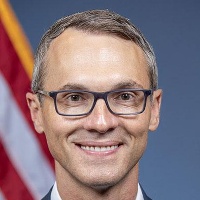
Legislative Activity
Track James's sponsored bills, co-sponsored legislation, and voting record
The Taiwan Allies Fund Act establishes a fund to provide financial assistance to nations facing pressure from the PRC for maintaining ties with Taiwan, while also encouraging deeper U.S. support for Taiwan's international presence.
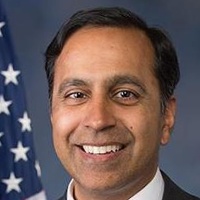
Raja Krishnamoorthi
Representative
IL
Raja Krishnamoorthi
Representative
IL
The Taiwan Allies Fund Act establishes a dedicated fund to support countries that maintain relationships with Taiwan despite pressure from the People's Republic of China (PRC). This fund authorizes up to $40 million annually for fiscal years 2026 through 2028 to help eligible nations counter PRC coercion. Aid will focus on strengthening democratic partnerships, supporting Taiwan's international participation, and offering alternatives to PRC economic influence. The Secretary of State will manage the fund, coordinating with Taiwan, and must report annually to Congress on the fund's activities and Taiwan's matching contributions.
The Reentry Act of 2025 allows inmates to receive Medicaid assistance during the 30 days preceding their release and mandates a comprehensive report on healthcare standards within correctional facilities.
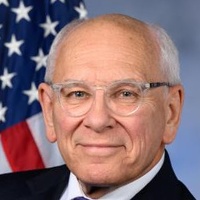
Paul Tonko
Representative
NY
Paul Tonko
Representative
NY
The Reentry Act of 2025 allows incarcerated individuals to receive medical assistance through Medicaid during the 30 days immediately preceding their release. This legislation also mandates a comprehensive report from MACPAC analyzing current healthcare standards within correctional facilities. The report will examine the impact of this coverage change and offer recommendations for improving healthcare access for those transitioning back into the community.
This bill establishes federal funding for states and eligible entities to create and improve programs for the early detection, intervention, and coordinated care of vision impairments in children.

Marc Veasey
Representative
TX
Marc Veasey
Representative
TX
The Early Detection of Vision Impairments for Children Act of 2025 establishes federal funding to help states and eligible groups create comprehensive programs for early vision screening and intervention in children. These grants will support activities such as improving data collection, reaching underserved populations, and building coordinated public health systems for eye care. The bill also authorizes technical assistance grants through the CDC to support states in developing and improving their screening and intervention strategies. Funding is authorized at $5 million annually from fiscal years 2026 through 2030 for the main grant program.
This Act establishes federal grant programs to improve medical education, expand community health center capacity, and increase rural provider training in gender-affirming care for transgender individuals.
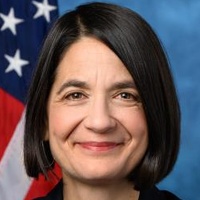
Becca Balint
Representative
VT
Becca Balint
Representative
VT
The Transgender Health Care Access Act aims to improve access to gender-affirming care by addressing critical gaps in medical education and provider capacity. The bill establishes grant programs to develop and implement comprehensive training curricula for medical professionals across various settings, including rural areas. Furthermore, it provides funding to expand the ability of community health centers to deliver culturally competent and necessary care to transgender individuals. Ultimately, this legislation seeks to ensure that healthcare providers are adequately trained and equipped to meet the medical needs of the transgender population.
The Hot Foods Act of 2025 lifts the general ban on purchasing ready-to-eat hot foods with SNAP benefits while imposing a sales cap on retailers that primarily sell such items.

Grace Meng
Representative
NY
Grace Meng
Representative
NY
The Hot Foods Act of 2025 removes the general federal ban on using Supplemental Nutrition Assistance Program (SNAP) benefits to purchase hot, ready-to-eat foods. This legislation clarifies that hot foods are now eligible for purchase with SNAP benefits, while also setting a new rule that limits SNAP-participating retailers to deriving no more than 50% of their gross sales from these ready-to-eat hot items. The act updates existing statutes to reflect this expanded purchasing power for recipients.
This bill authorizes specific funding levels for the United States to support the United Nations Population Fund (UNFPA) in its global efforts to improve sexual and reproductive health, reduce maternal mortality, and combat gender-based violence.
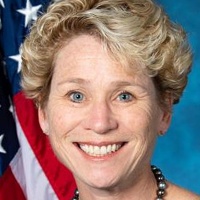
Chrissy Houlahan
Representative
PA
Chrissy Houlahan
Representative
PA
The Support UNFPA Funding Act authorizes specific funding levels for the United Nations Population Fund (UNFPA) for fiscal years 2026 and 2027. This legislation affirms that supporting UNFPA is in the U.S. strategic interest because it advances global health, reduces preventable maternal deaths, and combats gender-based violence. The bill emphasizes that UNFPA's work on voluntary family planning promotes stability and economic growth worldwide.
This act requires federal agencies to conduct detailed cost-benefit analyses for significant job relocations, which are then reviewed by the Inspector General and reported to Congress to ensure transparency.
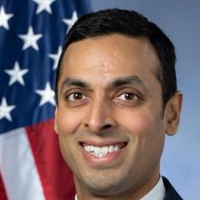
Suhas Subramanyam
Representative
VA
Suhas Subramanyam
Representative
VA
The COST of Relocations Act mandates that Federal agencies conduct a detailed, OMB-guided cost-benefit analysis before executing any "covered relocation" of jobs. Agencies must submit this analysis to their Inspector General (OIG), who then reviews the methodology and findings before reporting directly to Congress. This process ensures transparency and rigorous economic justification for significant federal job moves.
This act eliminates the President's authority under Section 122 of the Trade Act of 1974 related to balancing international payments.
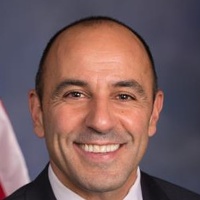
Jimmy Panetta
Representative
CA
Jimmy Panetta
Representative
CA
The Reclaim Trade Powers Act focuses on streamlining U.S. trade law by eliminating outdated presidential authority. Specifically, this bill repeals Section 122 of the Trade Act of 1974, which granted the President powers related to balancing international payments. This action reclaims and modernizes existing trade statutes.
The SCREENS for Cancer Act of 2025 reauthorizes and updates the National Breast and Cervical Cancer Early Detection Program to enhance cancer prevention, reduce disparities, and ensure equitable access to screening services through increased funding and new reporting requirements.
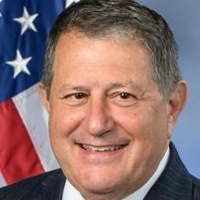
Joseph Morelle
Representative
NY
Joseph Morelle
Representative
NY
The **SCREENS for Cancer Act of 2025** seeks to reauthorize and update the National Breast and Cervical Cancer Early Detection Program (NBCCEDP). This legislation expands the program's focus to include cancer prevention and aims to reduce health disparities in screening access. The bill authorizes $235 million annually for fiscal years 2026 through 2030 and mandates a GAO study on program eligibility and service trends.
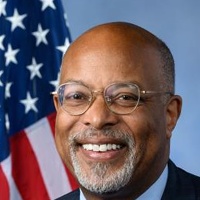
This Act raises the minimum age for Federal Firearms Licensees to sell certain semiautomatic rifles and shotguns to 21, with exceptions for qualified individuals aged 18-20, and mandates an FBI report on its public access line operations.
Glenn Ivey
Representative
MD
Glenn Ivey
Representative
MD
The Raise the Age Act of 2025 generally prohibits Federal Firearms Licensees from selling certain semiautomatic centerfire rifles or shotguns capable of holding magazines over five rounds to anyone under 21, with exceptions for qualified military or government personnel. The bill also maintains the existing minimum age of 18 for general firearm purchases, excluding the newly restricted categories. Finally, it mandates that the FBI Director report on the operational procedures of its public access line within 90 days of enactment.
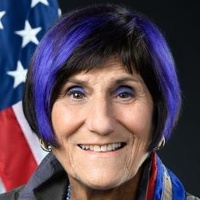
The Paycheck Fairness Act strengthens equal pay enforcement by tightening defenses against pay discrimination, expanding protections against retaliation, increasing penalties for violations, and requiring comprehensive data collection and training initiatives.
Rosa DeLauro
Representative
CT
Rosa DeLauro
Representative
CT
The Paycheck Fairness Act significantly strengthens federal equal pay protections by broadening definitions of sex discrimination, tightening employer defenses against pay disparities, and increasing penalties for violations. It also prohibits employers from using salary history in hiring decisions and mandates new data collection by the EEOC to better enforce anti-discrimination laws. Furthermore, the bill establishes new training and outreach programs to combat systemic wage bias.
This Act establishes a special refugee processing pathway for persecuted Uyghurs and other minorities from China's Xinjiang region and clarifies asylum standards for Chinese nationals facing government retaliation.
Suhas Subramanyam
Representative
VA
Suhas Subramanyam
Representative
VA
The Uyghur Human Rights Protection Act establishes a special Priority 2 refugee processing pathway for individuals facing persecution by the Chinese government in the Xinjiang Uyghur Autonomous Region (XUAR). It eases certain immigration hurdles for these applicants and clarifies that actions taken by the PRC against those seeking U.S. benefits can be considered persecution based on political opinion. Furthermore, the Act encourages U.S. allies to create similar accommodations for those fleeing the situation in XUAR. This legislation is set to terminate ten years after its enactment.
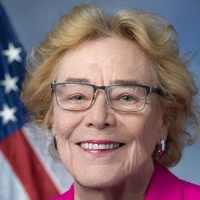
This resolution officially recognizes the cultural and historical significance of Nowruz, celebrating the Iranian New Year while supporting the human rights and freedoms of the Iranian people.
Zoe Lofgren
Representative
CA
Zoe Lofgren
Representative
CA
This resolution officially recognizes the cultural and historical significance of Nowruz, the traditional Iranian New Year celebrated by millions worldwide. Congress acknowledges the enduring contributions of Persian civilization and Iranian Americans to the United States. Furthermore, the resolution supports the Iranian people's pursuit of fundamental human rights, including freedom of expression and internet access.
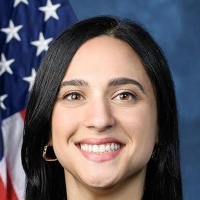
This resolution expresses Congressional support for designating Iranian American Heritage Month to recognize the community's significant cultural, economic, and scientific contributions to the United States.
Yassamin Ansari
Representative
AZ
Yassamin Ansari
Representative
AZ
This resolution expresses the strong support of Congress for designating an Iranian American Heritage Month. It recognizes the significant cultural, economic, and scientific contributions of the Iranian-American community to the United States. The bill encourages nationwide celebration of this heritage, including traditions like Nowruz. Furthermore, it affirms support for the Iranian people's pursuit of freedom and democracy.
This bill officially ratifies the Equal Rights Amendment, validating its inclusion in the Constitution regardless of any prior ratification deadlines.
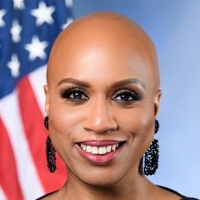
Ayanna Pressley
Representative
MA
Ayanna Pressley
Representative
MA
This bill officially ratifies the Equal Rights Amendment, declaring it a valid part of the U.S. Constitution. It specifically removes any previously imposed deadlines for state ratification. If three-fourths of the states have approved the amendment, this law confirms its official status regardless of past time constraints.
The Puppy Protection Act of 2025 establishes stricter housing, daily care, veterinary, and breeding standards for dog dealers under the Animal Welfare Act.
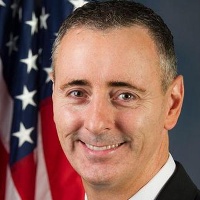
Brian Fitzpatrick
Representative
PA
Brian Fitzpatrick
Representative
PA
The Puppy Protection Act of 2025 significantly increases humane treatment standards for dog dealers under the Animal Welfare Act. This legislation mandates specific minimum space requirements, daily exercise access, and mandatory socialization for housed dogs. Furthermore, it establishes strict limits on female dog breeding frequency and age, alongside enhanced veterinary care protocols.
This Act establishes an independent Inspector General within the Office of Management and Budget to conduct audits and investigations of OMB operations.
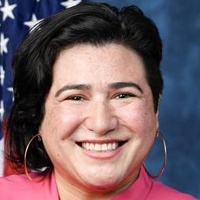
Emily Randall
Representative
WA
Emily Randall
Representative
WA
This Act establishes a new, independent Office of the Inspector General (IG) within the Office of Management and Budget (OMB). The IG will serve as an internal watchdog, auditing and investigating activities specifically assigned to the OMB by law. The President is required to appoint this Inspector General within 120 days of the Act's enactment.
The PARA-EMT Act of 2025 establishes pilot grant programs to combat the national shortage of EMTs and paramedics by funding recruitment, training, and veteran credentialing, alongside mandating a comprehensive study of the workforce crisis.

Marie Gluesenkamp Perez
Representative
WA
Marie Gluesenkamp Perez
Representative
WA
The PARA-EMT Act of 2025 addresses the critical national shortage of EMTs and paramedics by establishing a pilot grant program to help agencies hire, train, and support their emergency medical workforce. It also creates a federal grant program to assist states in streamlining the transition of veterans with military medical training into civilian EMS roles. Finally, the bill mandates a comprehensive study to quantify the current and projected workforce shortage and recommend solutions, including potential visa considerations.
The Air America Act of 2025 authorizes one-time monetary awards to former Air America employees or their survivors for service supporting the CIA between 1950 and 1976.
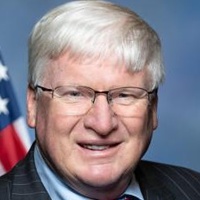
Glenn Grothman
Representative
WI
Glenn Grothman
Representative
WI
The Air America Act of 2025 recognizes the sacrifices of former Air America employees who served the U.S. Government between 1950 and 1976. This Act authorizes a one-time monetary award, up to $40,000 plus potential additional amounts, for qualifying service members or their survivors. The CIA Director is responsible for administering these payments, which are capped at a total of $60 million, and establishing the application procedures. Decisions made by the Director regarding these awards are final and not subject to judicial review.
This act establishes a mandatory, value-based case rate payment system for Medicare radiation oncology services to incentivize quality care and cost efficiency while protecting patient access and offering transportation assistance.
Brian Fitzpatrick
Representative
PA
Brian Fitzpatrick
Representative
PA
The Radiation Oncology Case Rate Value Based Program Act of 2025 establishes a new Medicare payment system that pays providers a single, set rate for an entire episode of radiation therapy care, rather than paying for individual services. This program aims to incentivize high-quality, efficient care while achieving cost savings for Medicare. It also includes specific provisions to support patient access, such as a health equity bonus for addressing transportation insecurity. Finally, the bill exempts the savings generated by this new payment structure from standard Medicare budget neutrality adjustments.