Legislative Activity
Track George's sponsored bills, co-sponsored legislation, and voting record
The "Alternatives to PAIN Act" aims to improve Medicare Part D coverage for non-opioid pain management drugs by reducing cost-sharing and removing barriers like step therapy and prior authorization, starting in 2026.
Mariannette Miller-Meeks
Representative
IA
Mariannette Miller-Meeks
Representative
IA
The "Alternatives to PAIN Act" amends Medicare Part D to improve access to non-opioid pain management drugs by waiving deductibles and ensuring they are placed on the lowest cost-sharing tier starting in 2026. The Act also prohibits the use of step therapy and prior authorization requirements for these drugs, further easing access for patients. These changes aim to provide more accessible alternatives for pain management, reducing reliance on opioids.
The United States-Israel Defense Partnership Act of 2025 bolsters defense cooperation between the U.S. and Israel through joint programs, funding increases, and extended authorities related to countering unmanned systems, anti-tunnel technology, emerging technologies, and war reserve stockpiles, while also exploring Israel's inclusion in the national technology and industrial base and assessing integrated air and missile defense in the CENTCOM region.
Joe Wilson
Representative
SC
Joe Wilson
Representative
SC
The United States-Israel Defense Partnership Act of 2025 seeks to bolster the defense relationship between the United States and Israel through joint initiatives and increased cooperation. It establishes programs to counter unmanned systems, extend anti-tunnel and counter-UAS cooperation, and promote collaboration in emerging technologies like AI and cybersecurity. The act also mandates the establishment of a Defense Innovation Unit office in Israel and assesses integrated air and missile defense in the U.S. Central Command region. Finally, it explores Israel's potential inclusion in the national technology and industrial base.
This bill directs the Secretary of Labor to award grants to community colleges for high-quality workforce development programs in high-skill, high-wage, or in-demand sectors.
Lucy McBath
Representative
GA
Lucy McBath
Representative
GA
This bill amends the Workforce Innovation and Opportunity Act to establish a grant program through the Department of Labor, awarding funds to community colleges for the development of high-quality workforce programs that lead to credentials in high-skill, high-wage, or in-demand jobs. These grants require partnerships with employers and a focus on serving individuals with barriers to employment, with the aim of improving program quality, accessibility, and alignment with workforce needs. The bill authorizes appropriations of $65,000,000 annually from 2026 through 2031 for this purpose.
The "Freedom to Invest in Tomorrow's Workforce Act" expands the use of 529 savings accounts to cover expenses related to postsecondary credentialing programs, including tuition, fees, books, supplies, equipment, and testing fees.

Robert Wittman
Representative
VA
Robert Wittman
Representative
VA
The "Freedom to Invest in Tomorrow's Workforce Act" amends Section 529 savings accounts to include expenses related to postsecondary credentialing programs. This allows 529 funds to cover costs like tuition, fees, books, supplies, and testing fees for recognized programs and credentials, as defined by the bill. These changes would apply to distributions made after the bill is enacted.
The "Taxpayer Data Protection Act" limits access to the Treasury Department's payment systems to authorized personnel and requires investigation and reporting of unauthorized access.

Haley Stevens
Representative
MI
Haley Stevens
Representative
MI
The Taxpayer Data Protection Act limits access to the Treasury Department's payment systems to Treasury employees or contractors with satisfactory performance reviews and security clearances. It sets specific criteria for individuals accessing the system, including conflict of interest restrictions, training, and ethics agreements. The Act also mandates the Treasury Department's Inspector General to investigate and report to Congress on any unauthorized system use.
The Scientific Integrity Act mandates federal agencies to establish and enforce scientific integrity policies that protect scientific research from political interference, ensure open communication of scientific findings, and provide whistleblower protection for scientists.
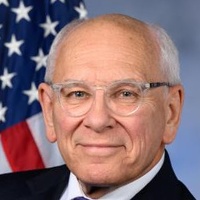
Paul Tonko
Representative
NY
Paul Tonko
Representative
NY
The Scientific Integrity Act mandates that federal agencies that fund, conduct, or oversee scientific research establish and enforce scientific integrity policies. These policies aim to protect scientists from political interference, ensure the open communication of scientific findings, and establish clear processes for reporting and addressing scientific misconduct. The Act requires agencies to appoint Scientific Integrity Officers, provide regular training, and report on misconduct complaints, with oversight from the Office of Science and Technology Policy and Congress. It also protects the rights of federal employees and contractors to share their findings and prevents the suppression or distortion of scientific data.
The Disaster Resiliency and Coverage Act of 2025 aims to increase disaster preparedness and insurance coverage by providing grants for home mitigation, tax exclusions for disaster relief payments, and a tax credit for disaster mitigation expenditures.
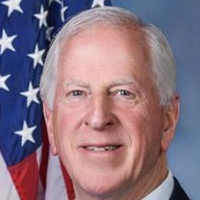
Mike Thompson
Representative
CA
Mike Thompson
Representative
CA
The Disaster Resiliency and Coverage Act of 2025 aims to increase household disaster resilience through a grant program for pre-disaster mitigation activities, tax exclusions for state-based catastrophe loss mitigation payments and certain emergency agricultural assistance, and a tax credit for disaster mitigation expenditures. The grant program will provide funds to states and tribal governments for mitigation activities on individual homes in high-risk disaster areas, while the tax exclusions and credit offer financial relief and incentives for individuals and agricultural producers affected by disasters. This act seeks to encourage proactive measures to protect homes and businesses from the impact of future disasters.
The Protect Our Letter Carriers Act of 2025 authorizes $7 billion to upgrade postal security infrastructure while mandating dedicated federal prosecutors for postal crimes and increasing sentencing guidelines for assaults against postal employees.
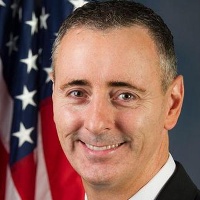
Brian Fitzpatrick
Representative
PA
Brian Fitzpatrick
Representative
PA
The Protect Our Letter Carriers Act of 2025 aims to enhance the safety of postal workers by funding high-security infrastructure upgrades, including electronic mailbox keys. The bill also mandates the appointment of dedicated federal prosecutors for postal crimes in every judicial district and requires stricter sentencing guidelines for those who assault or rob postal employees.
This bill mandates a federal evaluation and report on the effectiveness of container aerial firefighting systems (CAFFS) for wildfire suppression.
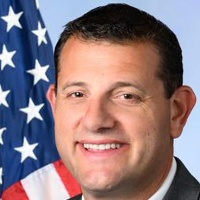
David Valadao
Representative
CA
David Valadao
Representative
CA
The Emergency Wildfire Fighting Technology Act of 2025 mandates a federal evaluation of the Container Aerial Firefighting System (CAFFS) to determine its effectiveness in wildfire suppression. The Secretaries of Agriculture and the Interior are required to report their findings to Congress within 120 days of the bill's enactment.
The Right to Contraception Act establishes a federal right to obtain and use contraception and prohibits government interference with access to contraceptive services and information.

Lizzie Fletcher
Representative
TX
Lizzie Fletcher
Representative
TX
The Right to Contraception Act establishes a federal right for individuals to access and use contraception without government interference. It prohibits federal and state governments from enacting laws that restrict access to contraceptives or the provision of related services. The Act provides clear enforcement mechanisms, allowing individuals and the Attorney General to sue to strike down any rule that violates these protections.
The Aerial Firefighting Enhancement Act of 2025 extends and expands the Department of Defense’s authority to sell excess aircraft and parts to support wildfire suppression efforts through 2035.
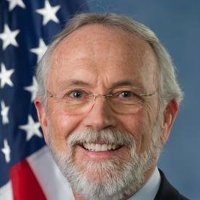
Dan Newhouse
Representative
WA
Dan Newhouse
Representative
WA
The Aerial Firefighting Enhancement Act of 2025 extends the Department of Defense’s authority to sell excess aircraft and parts for wildfire suppression through 2035. This legislation expands the permitted use of these aircraft to include water dropping and mandates their exclusive use for firefighting operations.
The Smoke and Heat Ready Communities Act of 2025 establishes EPA grant programs and research initiatives to help communities prepare for, monitor, and mitigate the public health impacts of wildfire smoke and extreme heat.
Mike Thompson
Representative
CA
Mike Thompson
Representative
CA
The Smoke and Heat Ready Communities Act of 2025 establishes EPA-led grant programs to help communities prepare for, monitor, and mitigate the public health impacts of wildfire smoke and extreme heat. The bill also creates Centers of Excellence to research the health effects of these events and funds the development of community-driven response plans. By providing resources for air filtration, protective equipment, and public outreach, the legislation aims to build local resilience against increasingly frequent climate-related air quality and heat challenges.
This bill provides a 6.62 percent Medicare payment increase for physicians and practitioners from April through December 2025 to help stabilize medical practices.
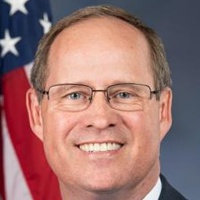
Gregory Murphy
Representative
NC
Gregory Murphy
Representative
NC
The Medicare Patient Access and Practice Stabilization Act of 2025 aims to support healthcare providers by extending Medicare payment adjustments through the end of 2025. Specifically, the bill provides a 6.62 percent payment increase for services rendered between April 1, 2025, and December 31, 2025, to help practitioners adjust to evolving Medicare payment policies.
The Keep Our PACT Act mandates long-term federal funding for Title I schools and special education services to ensure consistent, reliable support for students across the United States.
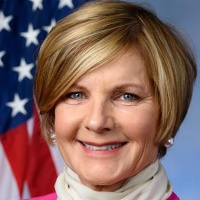
Susie Lee
Representative
NV
Susie Lee
Representative
NV
The Keep Our PACT Act ensures reliable, long-term federal investment in public education by establishing mandatory funding for Title I grants for low-income schools and special education services under the Individuals with Disabilities Education Act (IDEA). By transitioning these programs to mandatory spending through 2035, the bill guarantees that the federal government meets its commitment to support students and school districts without relying on annual appropriations.
The Closing the College Hunger Gap Act requires the Department of Education to notify students with high financial need about their potential eligibility for SNAP benefits.
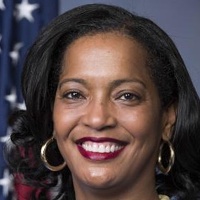
Jahana Hayes
Representative
CT
Jahana Hayes
Representative
CT
The Closing the College Hunger Gap Act aims to reduce food insecurity among students by ensuring those with the highest financial need are informed of their potential eligibility for SNAP benefits. The bill requires the Department of Education to proactively notify students who qualify for federal aid about the SNAP application process. By streamlining communication between federal agencies, this legislation helps eligible students access essential nutritional support.
The Tim Hart Wildland Firefighter Classification and Pay Parity Act establishes a permanent, competitive pay structure, enhanced benefits, and comprehensive health and retirement support for federal wildland firefighters.
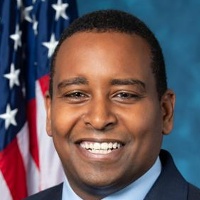
Joe Neguse
Representative
CO
Joe Neguse
Representative
CO
The **Tim Hart Wildland Firefighter Classification and Pay Parity Act** establishes a comprehensive framework to modernize the compensation, benefits, and support systems for federal wildland firefighters. The bill introduces permanent special base pay rates, new incident response premium pay, and enhanced retirement and leave benefits to ensure competitive and equitable treatment for those in the profession. Additionally, it mandates the creation of robust mental health programs, long-term health monitoring, and a casualty assistance program to better support firefighters and their families.
The SNAP Benefits Fairness Act of 2025 enacts a technical correction to the Food and Nutrition Act of 2008 to streamline statutory language.

LaMonica McIver
Representative
NJ
LaMonica McIver
Representative
NJ
The SNAP Benefits Fairness Act of 2025 implements a technical correction to the Food and Nutrition Act of 2008. This update streamlines the existing language of the law without altering any current program requirements or eligibility standards. The act is scheduled to take effect on January 1 following its enactment.
This bill expresses the House of Representatives' desire to keep the United States Postal Service (USPS) as an independent entity within the Federal Government, protecting it from privatization. It emphasizes the USPS's importance to the mailing industry, its role in connecting communities, and the potential negative impacts of privatization on prices, services, and infrastructure.
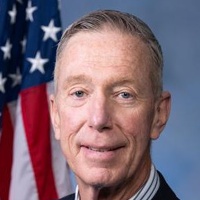
Stephen Lynch
Representative
MA
Stephen Lynch
Representative
MA
This bill expresses the House of Representatives' view that Congress should act to maintain the United States Postal Service (USPS) as an independent entity within the Federal Government. It emphasizes the USPS's role as a self-sustaining service vital to the economy and national connectivity. The resolution discourages privatization, citing concerns about increased costs, reduced services, and damage to critical infrastructure.
The Disaster Recovery Efficiency Act mandates that FEMA and HUD implement priority recommendations from the GAO to improve the federal approach to disaster recovery.

Sara Jacobs
Representative
CA
Sara Jacobs
Representative
CA
The Disaster Recovery Efficiency Act mandates that FEMA and HUD implement priority recommendations from a 2022 GAO report to improve the federal approach to disaster recovery. This legislation aims to streamline and enhance the effectiveness of government response efforts following major disasters.
Expresses the House of Representatives' disapproval of the President's decision to withdraw the United States from the Paris Agreement, urging the President to reverse his decision and Congress to prioritize climate change leadership.
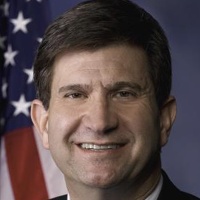
Bradley Schneider
Representative
IL
Bradley Schneider
Representative
IL
This bill expresses the House of Representatives' disapproval of the President's decision to withdraw the United States from the Paris Agreement, recognizing climate change as a threat and highlighting the increasing costs of extreme weather events. It commends entities supporting the Agreement, urges the President to reconsider, and encourages Congress to prioritize U.S. leadership on climate change.