Legislative Activity
Track Gabriel's sponsored bills, co-sponsored legislation, and voting record
This Act mandates the Department of Defense to annually report to Congress on the funding, status, and delays of interim cleanup actions for PFAS contamination at military installations, while also developing a strategy to accelerate remediation efforts.
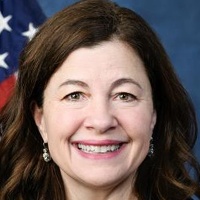
Kristen McDonald Rivet
Representative
MI
Kristen McDonald Rivet
Representative
MI
The Military PFAS Transparency Act of 2025 mandates that the Department of Defense (DoD) provide annual, detailed reports to Congress on the funding and status of all interim cleanup actions for toxic PFAS chemicals at military sites. This legislation also requires the DoD to submit a strategy for accelerating these cleanups based on health risks and environmental harm. Furthermore, the DoD must establish a public-facing online dashboard to ensure transparency regarding spending and cleanup progress.
This bill immediately enacts the EPA's June 25, 2024, final rule establishing national primary drinking water regulations for PFAS as federal law.
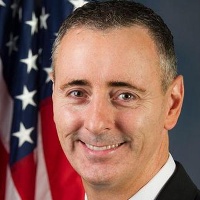
Brian Fitzpatrick
Representative
PA
Brian Fitzpatrick
Representative
PA
The PFAS National Drinking Water Standard Act of 2025 immediately establishes the Environmental Protection Agency's (EPA) final rule on PFAS as official federal law. This action codifies the specific National Primary Drinking Water Regulation for PFAS as it existed on June 25, 2024. Essentially, the bill bypasses standard procedures to enact the EPA's established PFAS drinking water standards into law right away.
This Act prohibits states from interfering with or penalizing individuals who provide, receive, or facilitate abortion services that are legal in the state where the service occurs, including interstate travel for such care.

Lizzie Fletcher
Representative
TX
Lizzie Fletcher
Representative
TX
The Ensuring Women’s Right to Reproductive Freedom Act prohibits states from interfering with or retaliating against individuals who provide or receive abortion services that are legal in the state where the service occurs. This protection extends to interstate travel for legal abortion care and the movement of FDA-approved abortion-related drugs across state lines. Individuals harmed by violations can sue in federal court for damages and legal fees.
The VET Act of 2025 establishes a grant program to incentivize energy industry employers to hire and train transitioning service members, veterans, and their spouses.
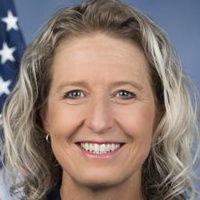
Jennifer Kiggans
Representative
VA
Jennifer Kiggans
Representative
VA
The Veterans Energy Transition Act of 2025 (VET Act) establishes a new grant program administered by the Secretary of Labor to incentivize organizations to hire active duty military members, veterans, and their spouses for jobs in the energy industry. These grants reimburse employers for training, recruitment, and other costs associated with employing these "covered individuals." The program prioritizes hiring those with relevant skills and aims to coordinate with existing transition services to ensure effective job placement.
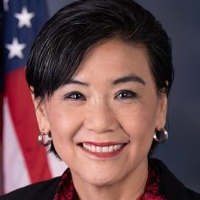
The Women’s Health Protection Act of 2025 establishes a federal right to access abortion services before fetal viability and protects the right to travel for care, overriding state restrictions that place burdens on abortion access not imposed on comparable medical procedures.
Judy Chu
Representative
CA
Judy Chu
Representative
CA
The Women’s Health Protection Act of 2025 establishes a federal statutory right to access abortion services, prohibiting medically unnecessary restrictions that impede care before fetal viability. This Act protects the right of patients to travel across state lines to receive reproductive healthcare and allows providers to offer services free from state interference that conflicts with established medical standards. It preempts conflicting state and local laws and provides robust enforcement mechanisms for individuals and the Attorney General to challenge violations.
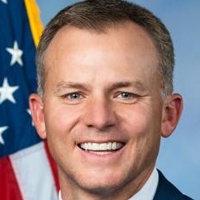
This bill reauthorizes and restructures the Bureau of Land Management Foundation, renaming it the Foundation for America's Public Lands, adjusting its board composition, and setting spending restrictions and funding levels.
Blake Moore
Representative
UT
Blake Moore
Representative
UT
This bill officially renames the Bureau of Land Management Foundation to the Foundation for America’s Public Lands and modifies its governing structure. It increases the size of the Board of Directors over four years while mandating specific expertise from various public land users and resource managers. Furthermore, the Act places strict prohibitions on the Foundation using funds for lobbying or litigation and authorizes $10 million annually for five fiscal years.
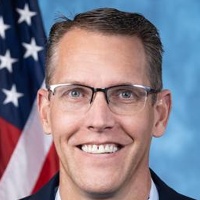
This Act mandates that major internet content and service providers (edge providers) must help fund the Universal Service Fund alongside broadband providers to lower consumer costs and support service in high-cost areas.
Randy Feenstra
Representative
IA
Randy Feenstra
Representative
IA
The Lowering Broadband Costs for Consumers Act of 2025 reforms the Universal Service Fund (USF) contribution system by requiring large internet content and service providers ("Edge Providers") to contribute alongside traditional broadband providers. This aims to shift the financial burden away from solely relying on phone companies to ensure continued support for universal service. The bill also directs the FCC to establish new, predictable funding mechanisms to support broadband providers serving high-cost areas.
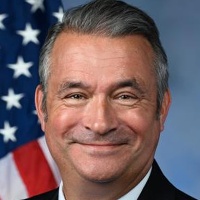
The FIGHT Act of 2025 strengthens federal prohibitions against animal fighting, enhances enforcement mechanisms, and allows citizens to sue violators of animal fighting provisions.
Don Bacon
Representative
NE
Don Bacon
Representative
NE
The FIGHT Act of 2025 significantly strengthens federal prohibitions against animal fighting ventures, specifically targeting the sponsorship, exhibition, and gambling associated with these events. This legislation clarifies the definition of a rooster for legal purposes and bans the interstate transport of roosters for fighting. Furthermore, it empowers private citizens to file lawsuits against violators, allowing for civil penalties and the potential seizure of property used to facilitate illegal animal fighting.
This Act permanently protects inventoried roadless areas within the National Forest System from new road construction and logging, upholding existing federal "Roadless Rule" prohibitions.
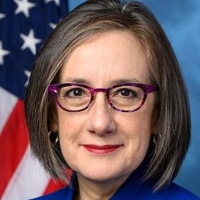
Andrea Salinas
Representative
OR
Andrea Salinas
Representative
OR
The Roadless Area Conservation Act of 2025 aims to provide lasting protection for inventoried roadless areas within the National Forest System. This legislation codifies existing federal regulations, known as the "Roadless Rule," which generally prohibits the construction of new roads or the cutting of timber in these sensitive zones. The purpose is to safeguard critical ecological benefits, clean water sources, and wildlife habitats while maintaining the Forest Service's multiple-use management mission.
The Community TEAMS Act of 2025 establishes grants for medical schools to partner with rural and underserved health facilities to expand community-based clinical training for medical students.
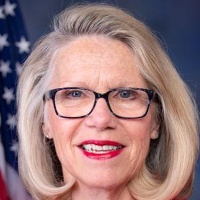
Carol Miller
Representative
WV
Carol Miller
Representative
WV
The Community TEAMS Act of 2025 establishes new federal grants to fund partnerships between medical schools and local health facilities in rural and medically underserved communities. These grants aim to expand clinical training opportunities for medical students in high-need areas. The ultimate goal is to encourage these students to establish long-term medical practices within those communities after graduation.
The Knock Out Cancer Act aims to increase funding for the National Cancer Institute's research and mandates a report on mitigating cancer drug shortages.
Brian Fitzpatrick
Representative
PA
Brian Fitzpatrick
Representative
PA
The Knock Out Cancer Act aims to aggressively combat cancer by significantly increasing funding for the National Cancer Institute's research efforts through 2030. The bill also mandates a comprehensive report from the Department of Health and Human Services to address and recommend solutions for ongoing cancer drug shortages. Ultimately, this legislation seeks to accelerate breakthroughs, improve survival rates through better detection awareness, and reduce cancer-related deaths.
This Act mandates that most private firearm transfers must go through a licensed dealer to ensure background checks are performed on all purchasers.
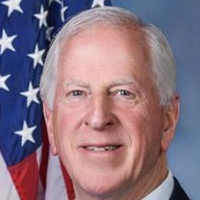
Mike Thompson
Representative
CA
Mike Thompson
Representative
CA
The Bipartisan Background Checks Act of 2025 aims to strengthen existing federal background check systems to prevent prohibited persons from acquiring firearms. This bill primarily mandates that most private firearm transfers must be facilitated through a licensed dealer who will conduct a background check. The legislation includes specific exceptions for family gifts, law enforcement, and temporary transfers under emergency circumstances.
This bill establishes a grant program allowing law enforcement agencies to hire retired officers for specific civilian support tasks, such as investigation and technical analysis, while ensuring rigorous background checks and financial accountability.
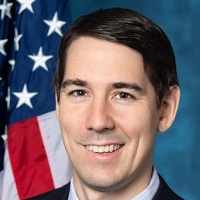
Josh Harder
Representative
CA
Josh Harder
Representative
CA
The Retired Law Enforcement Officers Continuing Service Act establishes a grant program to allow law enforcement agencies to hire retired officers for specialized, non-arrest support roles, such as training and investigative assistance. This funding requires rigorous background checks for the retired personnel and mandates annual audits by the Department of Justice Inspector General to ensure accountability. Agencies with unresolved audit findings face exclusion from future funding, while the Attorney General must report on grant distribution and potential funding overlaps to Congress.
This Act improves Medicare coverage for seniors by ensuring clinical social worker mental health services are billed separately from nursing home payments and expanding the scope of billable services to include health and behavior assessments.
Brian Fitzpatrick
Representative
PA
Brian Fitzpatrick
Representative
PA
The Expanding Seniors Access to Mental Health Services Act aims to improve mental health care access for seniors under Medicare. This bill separates clinical social worker services from standard skilled nursing facility payments, ensuring they are billed distinctly. Furthermore, it expands Medicare coverage for clinical social workers to include health and behavior assessment and intervention services, effective January 1, 2026.
This bill increases the monthly housing stipend for veterans pursuing education solely through distance learning under the Post-9/11 Educational Assistance Program.
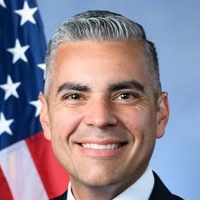
Juan Ciscomani
Representative
AZ
Juan Ciscomani
Representative
AZ
The Expanding Access for Online Veteran Students Act aims to increase financial support for veterans pursuing education entirely online. This bill eliminates the current 50% cap on the monthly housing stipend for eligible Post-9/11 GI Bill recipients enrolled more than half-time in distance learning programs. If enacted, this change would allow these students to receive the full monthly housing allowance rate, effective for terms beginning on or after August 1, 2025.
This Act standardizes the gaming regulations for the Ysleta del Sur Pueblo and Alabama-Coushatta Tribes in Texas to align them fully with the federal Indian Gaming Regulatory Act.
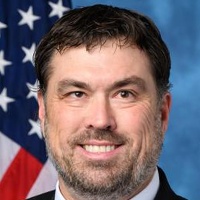
Morgan Luttrell
Representative
TX
Morgan Luttrell
Representative
TX
The Tribal Gaming Regulatory Compliance Act aims to standardize gaming regulations for the Ysleta del Sur Pueblo and the Alabama-Coushatta Indian Tribes in Texas. This bill ensures these two Tribes are regulated consistently under the federal Indian Gaming Regulatory Act, just like all other Tribes nationwide. It achieves this by removing confusing, outdated language specific to Texas and fully applying existing federal gaming laws to their operations.
The IBEM Act of 2025 modernizes permitting for international bridges and land ports of entry by removing time-based restrictions and exempting certain Presidential permit applications from National Environmental Policy Act reviews.
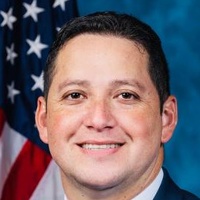
Ernest Gonzales
Representative
TX
Ernest Gonzales
Representative
TX
The International Bridge and Port of Entry Modernization Act of 2025 (IBEM Act) updates the permitting process for international bridges and land ports of entry on the U.S.-Mexico and U.S.-Canada borders. This legislation removes previous time-based restrictions on permit issuance and streamlines the process by explicitly excluding National Environmental Policy Act (NEPA) reviews for certain Presidential permit applications. The goal is to modernize and expedite approvals for critical border infrastructure.
This bill mandates a review of financial industry anti-money laundering procedures and requires the U.S. government to assess foreign countries' frameworks for stopping trafficking-related financial transactions.
Brian Fitzpatrick
Representative
PA
Brian Fitzpatrick
Representative
PA
The End Banking for Human Traffickers Act of 2025 aims to strengthen the financial industry's role in combating human trafficking. It mandates a review and enhancement of anti-money laundering procedures used by banks to better detect trafficking-related transactions. Furthermore, the bill requires an interagency task force to report specific legislative and administrative recommendations for improving detection and information sharing. Finally, it adds a requirement that the U.S. evaluate foreign countries' systems for stopping financial transactions linked to human trafficking.
This bill restricts the transfer of specific offensive military articles and defense services to Israel until Congress authorizes their use for specified purposes and Israel provides written assurances of compliance with international law.
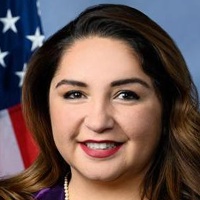
Delia Ramirez
Representative
IL
Delia Ramirez
Representative
IL
This bill imposes significant restrictions on the transfer of specific defense articles and services to Israel. Transfers of listed military equipment, such as certain bombs and ammunition, are prohibited unless Congress first passes a law detailing their specific authorized use. Furthermore, Israel must provide satisfactory written assurances that the items will only be used for those stated purposes and in compliance with international law.
The Mental Health in Schools Excellence Program Act of 2025 establishes a matching-funds program to help graduate schools reduce the cost of attendance for students who commit to working as school-based mental health service providers.
Brian Fitzpatrick
Representative
PA
Brian Fitzpatrick
Representative
PA
The Mental Health in Schools Excellence Program Act of 2025 establishes a new federal program designed to increase the number of mental health professionals working in schools. This program creates matching grants where the government helps cover graduate students' educational costs if their institutions agree to match the funding dollar-for-dollar. The goal is to incentivize graduate schools to support students who commit to careers in school-based mental health services, with specific outreach targeting low-income students.