Legislative Activity
Track Gabriel's sponsored bills, co-sponsored legislation, and voting record
This Act establishes the "Local Farmers Feeding Our Communities" program to strengthen local food security by funding agreements that support local producers and distribute fresh food to communities.
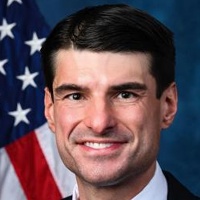
Robert Bresnahan
Representative
PA
Robert Bresnahan
Representative
PA
The Local Farmers Feeding our Communities Act establishes a new program to support local food producers and strengthen regional food security. This initiative requires the Secretary of Agriculture to fund agreements that ensure nutritious, locally sourced food is purchased and distributed widely, prioritizing small and beginning farmers. Funds must be used to buy minimally processed local products and provide technical assistance to producers. The program is backed by mandatory funding starting in Fiscal Year 2026.
This act repeals the prohibition on Medicaid payments to certain healthcare entities and mandates retroactive payment for services already rendered under the repealed ban.
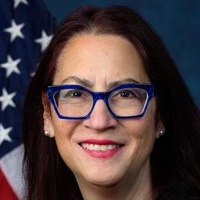
Laura Friedman
Representative
CA
Laura Friedman
Representative
CA
The Restoring Essential Healthcare Act repeals an outdated ban that prevented Medicaid from making payments to certain healthcare providers. This legislation ensures that these previously prohibited entities will now be reimbursed for medical services rendered between the enactment of the original ban and the passage of this Act. In short, it restores payment eligibility and retroactively covers past services.
The Community Mental Wellness and Resilience Act of 2025 establishes a federal grant program to fund local networks implementing public health strategies to strengthen community mental wellness and resilience, with a set-aside for rural areas.
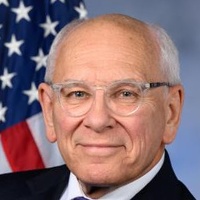
Paul Tonko
Representative
NY
Paul Tonko
Representative
NY
The Community Mental Wellness and Resilience Act of 2025 establishes a new federal grant program to fund local initiatives focused on strengthening community mental wellness and resilience. This program offers planning grants followed by larger competitive program grants to established coordinating networks utilizing a public health approach. A mandatory 20% of funds are set aside to ensure support reaches rural areas.
This act establishes a new, potentially transferable, refundable tax credit of up to $15,000 for first-time homebuyers, subject to income, price limits, and a four-year recapture provision.
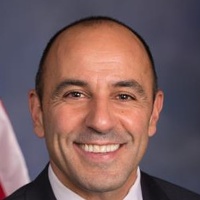
Jimmy Panetta
Representative
CA
Jimmy Panetta
Representative
CA
The First-Time Homebuyer Tax Credit Act of 2025 establishes a new, refundable tax credit for eligible first-time homebuyers, equal to 10% of the purchase price, up to a maximum of $15,000. This credit is subject to income and home price phase-outs based on local median figures. Homebuyers may elect to transfer this credit directly to their mortgage lender at closing in exchange for immediate cash. The bill also includes recapture provisions requiring repayment if the home is sold within four years.
This bill establishes a new system for distributing up to 2,000 additional Medicare-funded residency positions annually from 2026 through 2032, prioritizing hospitals serving underserved areas, and mandates a study on strategies to increase workforce diversity.
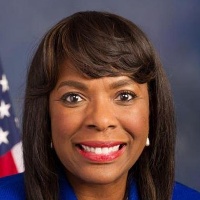
Terri Sewell
Representative
AL
Terri Sewell
Representative
AL
The Resident Physician Shortage Reduction Act of 2025 establishes a structured process for distributing up to 2,000 additional, federally funded residency positions annually between fiscal years 2026 and 2032. This distribution prioritizes hospitals serving in underserved areas, those already training above their limit, and those committed to primary care and general surgery training. The bill also mandates a study and report by the Comptroller General on effective strategies to increase diversity within the health professional workforce.
The SPARC Act establishes a new six-year federal loan repayment program to incentivize specialty medical providers to work in underserved rural communities.
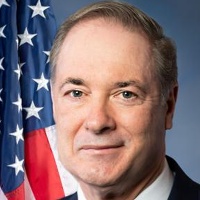
John Joyce
Representative
PA
John Joyce
Representative
PA
The SPARC Act establishes a new federal loan repayment program to incentivize specialty medical providers to practice in underserved rural communities. This program offers to repay up to $250,000 of eligible education loans in exchange for a six-year service commitment in a designated rural shortage area. The Secretary of Health and Human Services will administer the program through HRSA, prioritizing loan repayment for both physicians and non-physician specialists.
This Act establishes a grant program to help rural residents afford point-of-use or point-of-entry water treatment systems to address immediate drinking water contamination issues.
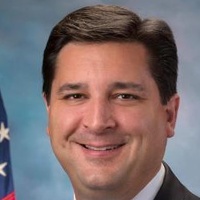
David Rouzer
Representative
NC
David Rouzer
Representative
NC
The Healthy Drinking Water Affordability Act establishes the Healthy H2O Program to provide grants for improving drinking water quality in rural areas. These grants help eligible households and small facilities address contamination from issues like lead or PFAS by covering the costs of certified water treatment systems, installation, and testing. The program prioritizes private well owners and requires annual reporting on contamination trends and program effectiveness.
This bill grants federal law enforcement authority and corresponding benefits to certified Tribal law enforcement officers working under federal contracts, while also establishing DOJ oversight for public safety coordination in Indian communities.
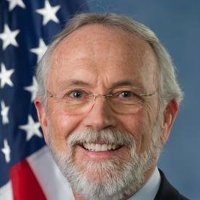
Dan Newhouse
Representative
WA
Dan Newhouse
Representative
WA
The Parity for Tribal Law Enforcement Act aims to grant qualified Tribal law enforcement officers the authority to enforce federal law within their jurisdiction under specific federal contracts or compacts. This requires Tribal officers and their departments to meet rigorous federal training and procedural standards comparable to those of Bureau of Justice Services employees. When acting under this authority, these Tribal officers will receive the same legal protections and benefits as federal law enforcement officers. The bill also mandates the Department of Justice to improve coordination and accountability for public safety efforts on tribal lands.
This constitutional amendment prohibits immunity from criminal prosecution for federal officials based on their official duties and bars the President from self-pardoning.
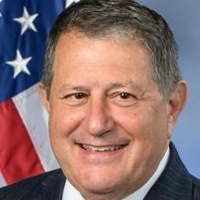
Joseph Morelle
Representative
NY
Joseph Morelle
Representative
NY
This proposed constitutional amendment would eliminate immunity from criminal prosecution for federal officials, including the President, based on their official duties. It also explicitly prohibits the President from issuing a self-pardon for any federal crimes. If ratified, these changes would take effect immediately.
This Act prohibits insurance companies from discriminating against living organ donors when issuing life, disability, or long-term care policies and mandates the updating of educational materials regarding donation risks and insurance implications.
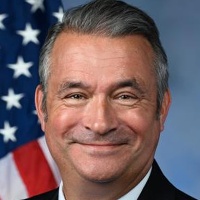
Don Bacon
Representative
NE
Don Bacon
Representative
NE
The Living Donor Protection Act of 2025 prohibits life, disability, and long-term care insurance companies from denying coverage or increasing premiums solely because an individual is a living organ donor. This legislation ensures that living donors are not financially penalized for their altruistic act. Additionally, the bill requires the Secretary of HHS to update educational materials to accurately reflect the insurance protections afforded to living donors.
This bill amends the Family and Medical Leave Act to explicitly qualify time taken for an employee's own organ donation surgery as a serious health condition.
Don Bacon
Representative
NE
Don Bacon
Representative
NE
This bill amends the Family and Medical Leave Act (FMLA) to explicitly clarify that time taken off for an employee's own organ donation surgery qualifies as a serious health condition. This ensures both private and federal sector workers receive FMLA protection for recovery from organ donation. The legislation also specifies how federal employees must substitute existing paid leave when taking FMLA time for this purpose.
The EACH Act of 2025 mandates that all federally funded health programs and facilities must cover and provide abortion services, while also prohibiting federal interference with private insurance coverage.
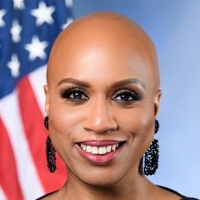
Ayanna Pressley
Representative
MA
Ayanna Pressley
Representative
MA
The EACH Act of 2025 aims to ensure equal access to abortion coverage by requiring all federally funded health programs and facilities to cover abortion services. This legislation prohibits federal interference with state or private insurance coverage of abortion and repeals Section 1303 of the Affordable Care Act. Ultimately, the bill seeks to eliminate financial and insurance barriers to abortion care, particularly for low-income individuals relying on programs like Medicaid.
This bill establishes the Agricultural and Rural Road Improvement Program to repair and upgrade local and rural roads crucial for farm access, safety, and economic efficiency.
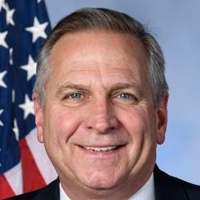
Mike Bost
Representative
IL
Mike Bost
Representative
IL
The Agricultural and Rural Road Improvement Program Act establishes a new federal program dedicated to repairing and improving critical local and rural roads essential for agriculture. This program aims to enhance access to farms and agricultural facilities, reduce weight-restricted bridges, and increase the safety and resilience of rural transportation networks. Federal funding for these projects will cover up to 90 percent of the total cost.
The Supporting Apprenticeship Colleges Act of 2025 establishes grant programs to boost outreach for construction and manufacturing apprenticeships and to fund academic advising and student support services for apprentices in those fields.
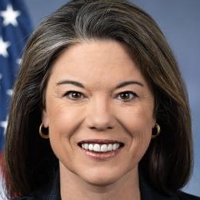
Angie Craig
Representative
MN
Angie Craig
Representative
MN
The Supporting Apprenticeship Colleges Act of 2025 establishes two grant programs totaling \$10 million annually to boost construction and manufacturing apprenticeships. The first program funds community outreach to recruit students and connect programs with local employers, particularly in rural areas. The second program provides funds for expanded academic advising and student support services to improve program retention and completion rates. The Act also formally defines specialized apprenticeship colleges and sets reporting requirements for grant recipients.
The SUPPLY Act establishes a new HUD insurance program for second mortgages used to finance the construction of accessory dwelling units (ADUs) and directs Fannie Mae and Freddie Mac to purchase and securitize those insured loans.
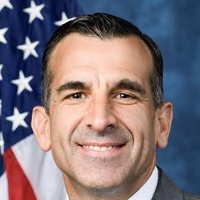
Sam Liccardo
Representative
CA
Sam Liccardo
Representative
CA
The Supporting Upgraded Property Projects and Lending for Yards (SUPPLY) Act establishes a new federal insurance program, managed by HUD, to specifically back second mortgages used for financing the construction of Accessory Dwelling Units (ADUs). This legislation also directs the FHFA to allow Fannie Mae and Freddie Mac to purchase and securitize these newly insured ADU construction loans, subject to risk oversight. The goal is to increase the availability of financing for property owners looking to add secondary housing units.
The PBM Reform Act of 2025 mandates sweeping changes to increase transparency, ensure fair pharmacy access in Medicare, and prohibit abusive spread pricing in Medicaid by holding Pharmacy Benefit Managers accountable for their financial dealings.
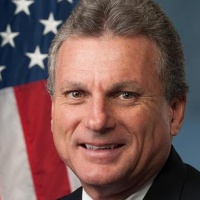
Earl Carter
Representative
GA
Earl Carter
Representative
GA
The Pharmacy Benefit Manager Reform Act of 2025 aims to increase transparency and accountability across the prescription drug supply chain. It mandates fairer pharmacy network access for Medicare beneficiaries and imposes strict new financial reporting and service fee requirements on Pharmacy Benefit Managers (PBMs) working with Medicare and private health plans. Furthermore, the bill establishes new federal mechanisms to accurately track drug acquisition costs in Medicaid and explicitly bans the practice of "spread pricing" in state Medicaid contracts.
This act modernizes the Fairness to Contact Lens Consumers Act by requiring online sellers to accept electronic prescription transfers, mandating encrypted email for health information, and updating required seller contact information.
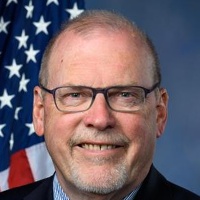
H. Griffith
Representative
VA
H. Griffith
Representative
VA
The Contact Lens Prescription Verification Modernization Act updates existing law to ensure consumers can easily obtain and use their contact lens prescriptions. This bill specifically requires online sellers to provide a HIPAA-compliant method for electronically receiving prescriptions and mandates encryption for any protected health information sent via email. Additionally, it updates seller record-keeping requirements to include customer email addresses.
The Treat and Reduce Obesity Act of 2025 expands Medicare coverage for intensive behavioral therapy for obesity and mandates Part D coverage for certain weight management medications for eligible beneficiaries.
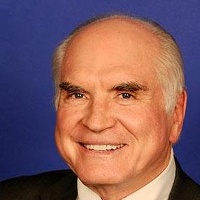
Mike Kelly
Representative
PA
Mike Kelly
Representative
PA
The Treat and Reduce Obesity Act of 2025 aims to combat the growing obesity epidemic, particularly among older adults, by expanding access to intensive behavioral therapy under Medicare. This bill mandates that Medicare Part D plans begin covering FDA-approved medications for obesity and weight management in individuals with related health conditions. Finally, it requires the Secretary of HHS to report regularly to Congress on the implementation and coordination of these new obesity treatment strategies.
The CONNECT for Health Act of 2025 permanently expands Medicare telehealth access by removing geographic restrictions, increasing practitioner flexibility, bolstering program integrity, and mandating supports for quality remote care delivery.
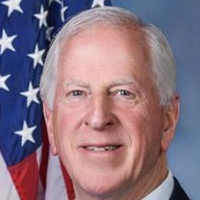
Mike Thompson
Representative
CA
Mike Thompson
Representative
CA
The CONNECT for Health Act of 2025 significantly expands and permanently secures access to Medicare telehealth services by eliminating outdated geographic restrictions and allowing more practitioners to offer remote care. The bill also strengthens program integrity by dedicating funds for telehealth oversight while clarifying rules around providing necessary technology to patients. Finally, it mandates the creation of tailored educational resources and public reporting to improve quality measurement and transparency in remote care delivery.
This resolution expresses support for designating September 25th as National Stop SuiSilence Day to encourage open conversation and action regarding suicide prevention.
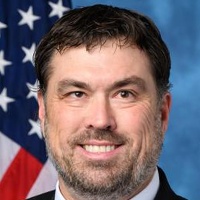
Morgan Luttrell
Representative
TX
Morgan Luttrell
Representative
TX
This resolution expresses strong support for designating **September 25th** as **National Stop SuiSilence Day**. The bill emphasizes that open conversation is crucial for reducing the stigma surrounding suicide and preventing loss of life. It encourages individuals, communities, and the government to actively engage in suicide prevention awareness and action on this designated day.