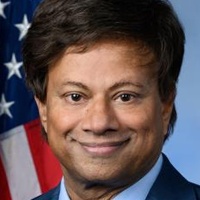
Legislative Activity
Track Shri's sponsored bills, co-sponsored legislation, and voting record
This bill establishes a permanent Special Envoy for the Human Rights of LGBTQI+ Peoples within the Department of State to advance U.S. policy countering global criminalization, violence, and discrimination against LGBTQI+ individuals.
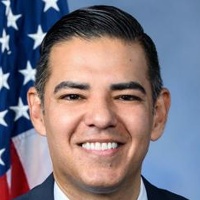
Robert Garcia
Representative
CA
Robert Garcia
Representative
CA
This bill, the International Human Rights Defense Act of 2025, establishes a permanent Special Envoy for the Human Rights of LGBTQI+ Peoples within the Department of State. It codifies U.S. policy to actively combat international criminalization, violence, and discrimination against LGBTQI+ individuals worldwide. The legislation also mandates enhanced reporting on these abuses in annual human rights reports and authorizes assistance to support related protection efforts abroad.
This act repeals Senate notification requirements related to legal processes concerning Senate data and mandates the disgorgement of any funds awarded to Senators under the repealed provisions.
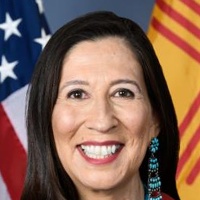
Teresa Leger Fernandez
Representative
NM
Teresa Leger Fernandez
Representative
NM
The No Payola Act repeals existing Senate notification requirements concerning legal processes related to the disclosure of Senate data. Furthermore, it mandates that any Senator who received funds through a private right of action under the repealed law must return those awarded funds to the Treasury.
The CARE Act of 2025 strengthens child labor protections in agriculture by increasing penalties for violations, mandating injury reporting, and raising the minimum age for handling pesticides.
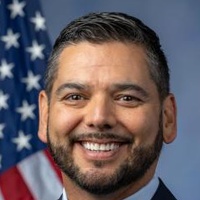
Raul Ruiz
Representative
CA
Raul Ruiz
Representative
CA
The Children's Act for Responsible Employment and Farm Safety (CARE Act of 2025) aims to strengthen protections for children working in agriculture by amending the Fair Labor Standards Act. This bill revises child labor definitions, increases civil and criminal penalties for violations, and mandates stricter reporting of work-related injuries or deaths involving young farmworkers. Furthermore, it prohibits employing anyone under 18 as a pesticide handler.
This resolution expresses Congress's strong support for the enduring strategic partnership between the United States and India, emphasizing shared democratic values, defense cooperation, and mutual interests in the Indo-Pacific.
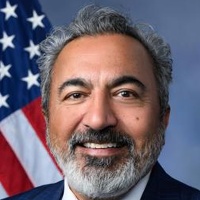
Ami Bera
Representative
CA
Ami Bera
Representative
CA
This resolution expresses the sense of Congress recognizing the strategic value of the long-standing partnership between the United States and India, founded on shared democratic values and mutual interests. It highlights the deep cooperation across defense, technology, counterterrorism, and economic ties. The bill encourages the expansion of this relationship to ensure a free and open Indo-Pacific.
This Act authorizes the Great Lakes Fishery Commission to develop and fund efforts to combat invasive mussel species in the Great Lakes through 2035.
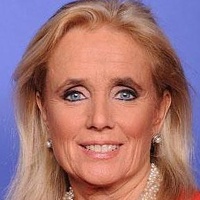
Debbie Dingell
Representative
MI
Debbie Dingell
Representative
MI
The Save Great Lakes Fish Act of 2025 authorizes the Great Lakes Fishery Commission to develop comprehensive strategies to combat invasive mussel species. This effort requires coordination with federal agencies, state, tribal, and local governments. The bill authorizes $500 million in funding for fiscal years 2026 through 2035 to support these critical conservation measures.
This Act grants Department of Veterans Affairs employees the right to have a representative present during examinations that could lead to disciplinary action, if requested.
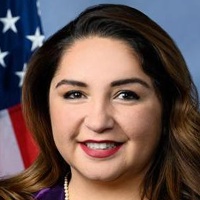
Delia Ramirez
Representative
IL
Delia Ramirez
Representative
IL
The Right to Representation for Department of Veterans Affairs Workers Act of 2025 grants eligible VA employees the right to have a representative present during any examination that they believe could lead to disciplinary action. This representation must be requested by the employee and will occur during duty time if applicable. The bill specifically defines which VA employees are covered by this new right.
This bill affirms existing VA collective bargaining agreements and nullifies specific Executive Orders related to Federal labor-management relations within the Department of Veterans Affairs.
Delia Ramirez
Representative
IL
Delia Ramirez
Representative
IL
The VA Care and Benefits Accountability Act ensures that existing collective bargaining agreements within the Department of Veterans Affairs remain in effect until their specified end dates. Furthermore, this bill nullifies Executive Orders 14251 and 14343, preventing their enforcement or implementation within the VA. This action solidifies current labor agreements for VA employees.
The VA Work-Study Improvement Act expands eligible work-study activities, clarifies minimum wage standards, mandates electronic timesheets, and requires annual publication of program data.
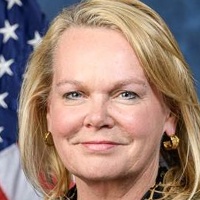
April McClain Delaney
Representative
MD
April McClain Delaney
Representative
MD
The VA Work-Study Improvement Act expands approved work-study locations to include state/local government agencies and nonprofits that benefit veterans. It establishes a clear standard for the minimum hourly wage paid to participants and mandates the use of electronic timesheets. Furthermore, the bill requires the VA to annually publish detailed data regarding the work-study program's activities and participants.
This bill establishes a grant program to fund campaigns encouraging service providers to ask clients about their military service to better connect them with veteran resources.
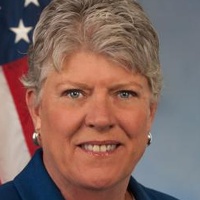
Julia Brownley
Representative
CA
Julia Brownley
Representative
CA
The Have You Served Act establishes a grant program to fund "Ask the Question Campaigns." These campaigns encourage service providers to ask clients about their military service to better connect them with veteran resources. The Secretary of Veterans Affairs will award up to 25 grants annually to eligible states and tribes to support training and campaign costs.
This Act establishes strict standards, training, and reporting requirements for federal immigration enforcement personnel regarding the use of force, identification, and equipment.
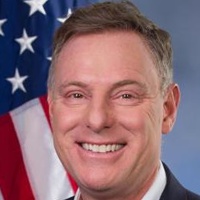
Scott Peters
Representative
CA
Scott Peters
Representative
CA
The Stop Excessive Force in Immigration Act of 2025 establishes strict new standards for the use of non-deadly force by federal immigration personnel, requiring proportionality and de-escalation efforts. The bill mandates identification requirements, restricts the use of certain crowd-control equipment, and imposes new body camera and detailed reporting mandates. Furthermore, it creates affirmative duties for officers to intervene against excessive force and requires annual training on these new policies.
This bill prohibits the Secretary of Health and Human Services from implementing the Wasteful and Inappropriate Services Reduction (WISeR) Model under Medicare.
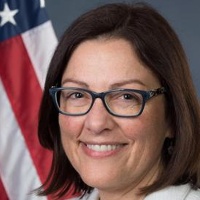
Suzan DelBene
Representative
WA
Suzan DelBene
Representative
WA
The Seniors Deserve SMARTER Care Act of 2025 prohibits the Secretary of Health and Human Services from implementing the Wasteful and Inappropriate Services Reduction (WISeR) Model under Medicare. This legislation specifically blocks the implementation of the prior authorization requirements associated with the WISeR Model. The goal is to prevent the adoption of this particular payment and service delivery model.
This Act ensures uninterrupted funding and operation for the SNAP and WIC programs through fiscal year 2026, even if appropriations for the Department of Agriculture are delayed.
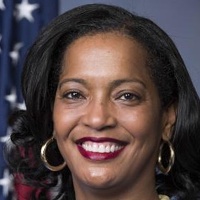
Jahana Hayes
Representative
CT
Jahana Hayes
Representative
CT
The Keep SNAP and WIC Funded Act of 2025 ensures that the Supplemental Nutrition Assistance Program (SNAP) and the Special Supplemental Nutrition Program for Women, Infants, and Children (WIC) continue to operate without interruption in fiscal year 2026 if standard appropriations are delayed. If funding lapses, the Secretary of Agriculture is authorized to use funds from the Treasury to provide benefits and reimburse state agencies. This special funding remains in effect until full appropriations are enacted or until September 30, 2026.
This Act extends the 2026 health insurance open enrollment period for exchanges from November 1, 2025, to May 1, 2026.
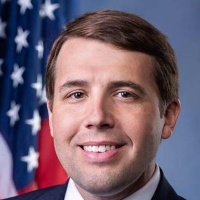
Chris Pappas
Representative
NH
Chris Pappas
Representative
NH
The Right to Enroll Act of 2025 extends the annual open enrollment period for health insurance exchanges specifically for the 2026 plan year. This legislation mandates that the open enrollment period will run from November 1, 2025, through May 1, 2026.
This Act modernizes electric utility integrated resource planning by establishing new guidelines, providing technical assistance, and creating a grant program to help states align their planning with modern resource adequacy and reliability considerations.
Teresa Leger Fernandez
Representative
NM
Teresa Leger Fernandez
Representative
NM
The Integrated Resource Planning Modernization Act directs the Secretary of Energy to develop updated guidelines and best practices for electric utility planning, focusing on modern resource adequacy analysis and diverse energy solutions. The bill also establishes a grant program to help states align their planning requirements with these new federal standards. This effort aims to ensure the reliability and cost-effectiveness of the future electricity system through comprehensive, forward-looking planning.
This bill mandates the restoration of free telephone services and communication access for individuals in immigration detention, ensuring contact with family and legal counsel.
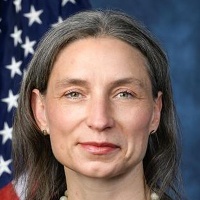
Maxine Dexter
Representative
OR
Maxine Dexter
Representative
OR
The Restoring Access for Detainees Act aims to reinstate and expand free communication services for individuals in civil immigration detention. It mandates the provision of free phone calls, including 200 free outgoing minutes monthly, specifically for contacting family and legal counsel. Furthermore, the bill ensures private, unmonitored communication opportunities with attorneys and certain government officials upon arrival in custody.
This act mandates that all states allow eligible individuals to register and vote on the same day during federal elections, beginning in November 2026.
Julia Brownley
Representative
CA
Julia Brownley
Representative
CA
The Same Day Registration Act of 2025 mandates that all states allow eligible individuals to register to vote and cast a ballot on the same day during any federal election, including early voting periods. This requirement applies starting with the November 2026 general election. States without any voter registration requirement for federal elections are exempt from this mandate.
This resolution supports the goals of National Domestic Violence Awareness Month, highlights the pervasive and devastating impact of intimate partner violence across all demographics, and calls for increased funding for prevention and support programs.
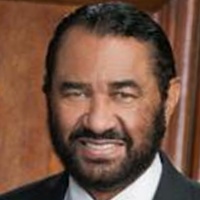
Al Green
Representative
TX
Al Green
Representative
TX
This resolution designates October as National Domestic Violence Awareness Month to highlight the widespread and devastating impact of intimate partner violence across all demographics. It recognizes the urgent need to eliminate domestic violence and supports increased funding for intervention and prevention programs. The resolution underscores the severe physical, emotional, and economic toll this abuse takes on individuals, families, and communities.
This bill extends and modifies various tax credits for energy production, efficiency improvements, and clean vehicle adoption to lower energy costs and support American energy leadership.
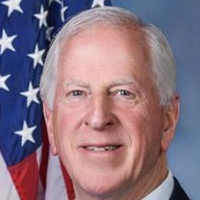
Mike Thompson
Representative
CA
Mike Thompson
Representative
CA
The American Energy Independence and Affordability Act is a comprehensive bill designed to lower energy costs by extending and adjusting key tax incentives across energy production, efficiency, and clean vehicle adoption. It stabilizes support for renewable energy manufacturing, extends deadlines for energy-efficient building credits, and ensures consumer incentives for electric vehicles remain available through 2032. Overall, the legislation aims to provide long-term certainty for energy investments and consumer adoption of cleaner technologies.
This Act expands charitable tax deductions for donations of food storage, transportation, and meal preparation equipment to organizations serving those in need.
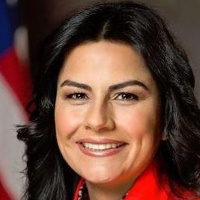
Nanette Barragán
Representative
CA
Nanette Barragán
Representative
CA
The Feed the Community Act amends tax law to encourage charitable donations of essential food service equipment, such as refrigerators, transport vehicles, and preparation tools. This bill expands the definition of eligible donated property beyond just food inventory to include functional food storage, transport, and meal preparation equipment. Donors can elect to limit the reduction in their charitable deduction for these specific donations, subject to certain dollar limits for transport and preparation equipment. These changes are set to take effect for taxable years beginning after December 31, 2025.
This bill establishes a three-year, federally funded pilot program to provide guaranteed monthly cash payments to 10,000 eligible individuals, equivalent to local fair market rent, while studying its impact on financial stability and well-being.
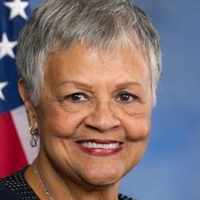
Bonnie Watson Coleman
Representative
NJ
Bonnie Watson Coleman
Representative
NJ
The Guaranteed Income Pilot Program Act of 2025 establishes a three-year pilot program to provide a monthly, unconditional cash payment to 10,000 eligible individuals, set at the local fair market rent for a two-bedroom home. This initiative aims to study the effects of guaranteed income on financial stability, health, and overall well-being, noting that payments will not affect eligibility for other federal assistance programs. The Department of Health and Human Services, in partnership with the IRS and an external research organization, will manage the program and report findings to Congress within specified timelines. Congress has authorized \$495 million annually from Fiscal Year 2026 through 2030 to fund this study.