Legislative Activity
Track Paul's sponsored bills, co-sponsored legislation, and voting record
This resolution calls for increased support and funding for chordoma research, diagnosis, and treatment development for this rare and aggressive bone cancer.
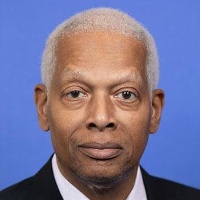
Henry Johnson
Representative
GA
Henry Johnson
Representative
GA
This resolution recognizes the serious impact of chordoma, a rare and aggressive bone cancer of the skull and spine. It highlights the current treatment challenges, noting the high recurrence rates and lack of effective drug therapies. The bill calls for increased funding and support to advance early diagnosis, develop new treatments, and improve patient-focused research for chordoma.
This legislation establishes a coordinated federal research initiative across NOAA, the NSF, NASA, and NIST to advance the science, safety, and standardized measurement of marine carbon dioxide removal technologies.
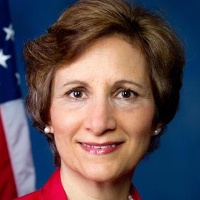
Suzanne Bonamici
Representative
OR
Suzanne Bonamici
Representative
OR
The Removing and Sequestering Carbon Unleashed in the Environment and Oceans (RESCUE) Act establishes a coordinated federal research initiative across NOAA, the NSF, NASA, and NIST to advance the science of marine carbon dioxide removal. This legislation focuses on developing safe, standardized methods for sequestering carbon while prioritizing rigorous environmental monitoring and meaningful engagement with Tribal and coastal communities. By fostering interagency collaboration, the bill aims to provide the scientific foundation and regulatory framework necessary to evaluate the potential of ocean-based climate solutions.
This act awards the Congressional Gold Medal to the Freedom House Ambulance Service in recognition of its pioneering role in developing the modern paramedic system and its contributions to emergency medical services.
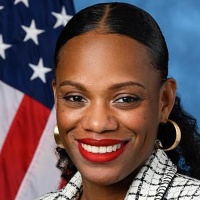
Summer Lee
Representative
PA
Summer Lee
Representative
PA
The Freedom House Ambulance Service Congressional Gold Medal Act honors the pioneering Pittsburgh-based service that established the model for modern emergency medical care. As the nation’s first paramedic program, Freedom House revolutionized life-saving techniques while providing vital job training to the Black community. This legislation awards a Congressional Gold Medal to the service to commemorate its enduring contributions to both medical innovation and civil rights.
This bill establishes a federal process for Extreme Risk Protection Orders, creates a grant program to incentivize states to adopt similar laws, and mandates the recognition of such orders across state lines.
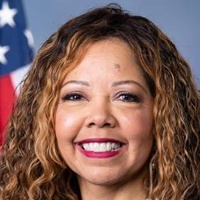
Lucy McBath
Representative
GA
Lucy McBath
Representative
GA
The Federal Extreme Risk Protection Order Act of 2026 establishes a federal process for issuing Extreme Risk Protection Orders (ERPOs) that temporarily prohibit individuals deemed a danger from possessing firearms. The bill allows family members or law enforcement to petition federal courts for temporary or long-term orders based on evidence of imminent risk of harm. Furthermore, it creates a federal grant program to incentivize and support states and tribes in implementing their own qualifying ERPO laws. Finally, it mandates that individuals subject to these federal orders surrender their firearms and ensures these orders are recognized across state lines.
This Act prohibits the discharge of plastic pellets and pre-production plastic materials into U.S. waters from industrial facilities through EPA regulations and permitting requirements.
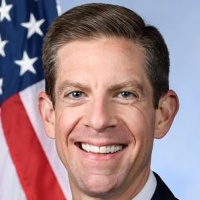
Mike Levin
Representative
CA
Mike Levin
Representative
CA
The Plastic Pellet Free Waters Act prohibits the discharge of plastic pellets and other pre-production plastic materials into U.S. waters from industrial facilities. This requires the EPA to swiftly issue a rule banning these discharges from facilities involved in the manufacturing, use, packaging, or transport of these plastics. The prohibition will be enforced through existing permitting and regulatory systems under the Federal Water Pollution Control Act.
This resolution supports designating a Career and Technical Education Month to celebrate and promote this vital educational pathway for preparing a skilled American workforce.
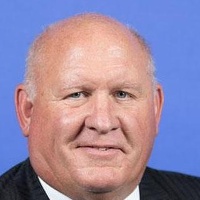
Glenn Thompson
Representative
PA
Glenn Thompson
Representative
PA
This resolution supports the goals of Career and Technical Education (CTE) Month by recognizing CTE's vital role in preparing students for high-demand, high-skill careers. It affirms that CTE is crucial for American economic competitiveness and encourages promotion of these educational pathways. The resolution celebrates the contributions of CTE programs across the nation.
This bill restricts U.S. assistance to Israel if funds are used to support the military detention of Palestinian children, property seizure, or further annexation in the occupied West Bank.
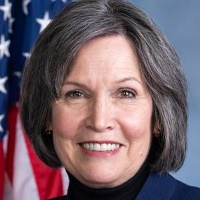
Betty McCollum
Representative
MN
Betty McCollum
Representative
MN
This bill aims to defend the human rights of Palestinian children and families living under Israeli military occupation. It establishes policy prohibiting U.S. assistance funds from supporting specific Israeli actions, including the military detention of Palestinian children and the seizure of Palestinian property in violation of international law. The legislation also mandates annual reporting and oversight requirements regarding these activities and U.S. defense assistance to Israel.
The Healthy Families Act establishes a national standard requiring most employers to provide employees with earned paid sick leave for personal or family health needs and related safety issues.

Rosa DeLauro
Representative
CT
Rosa DeLauro
Representative
CT
The Healthy Families Act establishes a national standard requiring most employers to provide employees with earned paid sick leave. Employees will accrue a minimum of one hour of paid time for every 30 hours worked, usable for personal or family health needs, domestic violence, sexual assault, or stalking. The Act prohibits employer retaliation for using this leave and ensures existing, more generous leave policies are not diminished.
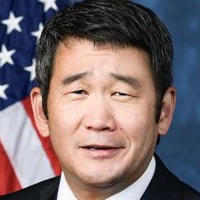
This bill updates financial disclosure requirements by establishing new, higher value brackets for reporting dividends, rents, interest, and capital gains.
Dave Min
Representative
CA
Dave Min
Representative
CA
The Financial Disclosure Modernization Act updates federal financial reporting requirements for public officials. This legislation expands the existing value ranges used to report income from dividends, rents, interest, and capital gains. The bill introduces new, higher brackets for reporting these significant financial assets.
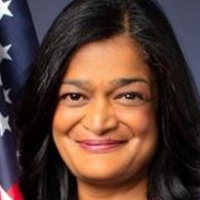
This bill establishes a comprehensive Transgender Bill of Rights to codify and protect the rights of transgender and nonbinary people across healthcare, employment, legal recognition, and safety.
Pramila Jayapal
Representative
WA
Pramila Jayapal
Representative
WA
This resolution establishes a comprehensive Transgender Bill of Rights to codify and protect the rights of transgender and nonbinary people across the United States. It mandates federal action to ensure equal access to healthcare, employment, housing, legal recognition, and safety. The bill aims to eliminate discrimination and affirm bodily autonomy by amending existing federal civil rights laws.
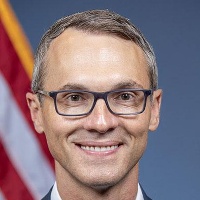
The FAIR Act establishes a 3.1% pay increase for most federal employees in 2027, along with a 1% adjustment to locality pay.
James Walkinshaw
Representative
VA
James Walkinshaw
Representative
VA
The FAIR Act establishes a 3.1% pay increase for General Schedule and prevailing rate federal employees in 2027. Additionally, the bill mandates a 1% increase to federal locality pay rates for the same year.
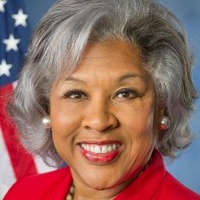
This act reauthorizes and expands funding for the WISEWOMAN program to provide additional heart health preventive services to low-income women.
Joyce Beatty
Representative
OH
Joyce Beatty
Representative
OH
The Women’s Heart Health Expansion Act of 2026 reauthorizes the WISEWOMAN program through fiscal year 2031, securing significant funding for women's health initiatives. This legislation allows for supplemental grants to expand preventive health services, such as blood pressure and cholesterol screenings, to low-income women. These services will be integrated with existing breast and cervical cancer screening programs.
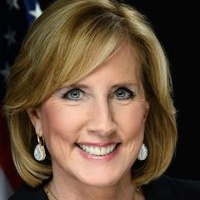
This bill officially renames the United States Postal Service facility in Martville, New York, as the "Sergeant Staret J. Engleston Memorial Post Office Building."
Claudia Tenney
Representative
NY
Claudia Tenney
Representative
NY
This bill officially renames the United States Postal Service facility in Martville, New York, located at 15422 NY 104. The building will now be known as the "Sergeant Staret J. Engleston Memorial Post Office Building." This designation must be used in all future official federal references to the facility.
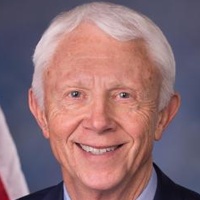
This bill mandates that Federally-qualified health centers receive the full 340B discounted drug price upfront at the point of purchase, prohibiting post-purchase price adjustments.
Jack Bergman
Representative
MI
Jack Bergman
Representative
MI
The Community Health Center Drug Pricing Protection Act ensures that Federally-qualified health centers (FQHCs) receive the full 340B discounted price for drugs at the point of purchase. This legislation prohibits manufacturers from requiring FQHCs to pay more than the established ceiling price upfront, regardless of any later rebates or reimbursements. The goal is to guarantee immediate, upfront savings for these vital health centers.
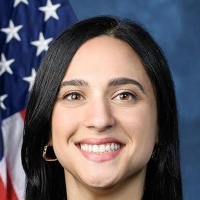
The Drain ICE Act of 2026 seeks to repeal specific sections of a previous law and rescind related funding, citing concerns over the Trump Administration's immigration enforcement practices, detention conditions, and resource allocation.
Yassamin Ansari
Representative
AZ
Yassamin Ansari
Representative
AZ
The Drain ICE Act of 2026 aims to fundamentally reform immigration enforcement by repealing specific sections of a prior law (Public Law 11921) and rescinding associated funding. This legislation is introduced in response to Congressional findings detailing concerns over mass deportation policies, inhumane detention conditions, and the detention of non-criminal individuals under the Trump Administration. The bill seeks to end practices deemed contrary to constitutional protections and human rights in immigration enforcement.
This Act establishes minimum humane standards for ICE detention facilities, mandates public reporting and real-time health tracking systems, and strengthens oversight to ensure detainee welfare.
Yassamin Ansari
Representative
AZ
Yassamin Ansari
Representative
AZ
The Stop Inhumane Conditions in ICE Detention Act of 2026 mandates minimum health, safety, and legal standards for all ICE detention facilities, prohibiting funding for non-compliant sites. It establishes rigorous, real-time health reporting systems and requires unannounced inspections with penalties, including contract termination, for facilities that fail to meet these standards. Furthermore, the bill creates anonymous complaint channels and mandates annual audits focusing on gender-related health protections.
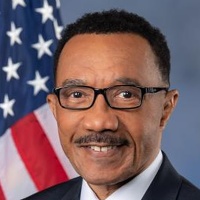
This bill mandates that mail-in ballot envelopes for federal elections starting in 2026 must include a U.S. Postal Service barcode for tracking.
Kweisi Mfume
Representative
MD
Kweisi Mfume
Representative
MD
The Vote by Mail Tracking Act mandates that all mail-in ballot envelopes for federal elections starting in 2026 must include a U.S. Postal Service barcode for tracking. This ensures enhanced transparency and traceability for every mailed ballot. The bill also requires the Postal Service to provide necessary compliance information to election officials annually.
This bill establishes mandatory minimum humanitarian standards for health screening, water, sanitation, food, and shelter for all individuals in ICE and CBP custody.
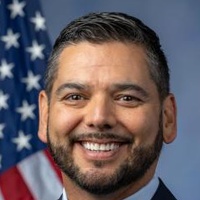
Raul Ruiz
Representative
CA
Raul Ruiz
Representative
CA
The Humanitarian Standards for Individuals in ICE and CBP Custody Act establishes minimum standards for health screening, nutrition, sanitation, and shelter for individuals detained by ICE and CBP. This bill mandates specific protocols for medical care, facility conditions, and personnel training to ensure humane treatment. It also requires regular inspections and public reporting on compliance and sexual abuse complaints.
This bill renames and significantly expands the existing organic cost-share program to provide comprehensive financial, technical, and capacity-building support for farmers transitioning to and maintaining organic operations.
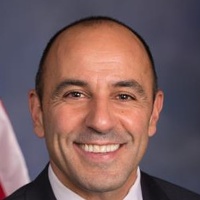
Jimmy Panetta
Representative
CA
Jimmy Panetta
Representative
CA
The Opportunities in Organic Act renames and significantly expands the existing organic certification cost-share program. This new program will provide financial assistance for organic certification costs, while also offering crucial support and technical assistance for farmers transitioning to organic management. The bill directs funding to eligible nonprofits to build capacity, offer direct producer support during transition, and strengthen the organic supply chain. Finally, it mandates increased reporting to Congress on program outcomes and barriers faced by participants.
This act mandates a public report from the FBI and State Department detailing responsibility for the death of Shireen Abu Akleh and any U.S. involvement.
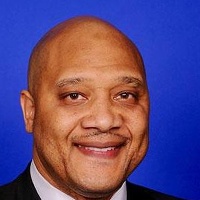
André Carson
Representative
IN
André Carson
Representative
IN
The Justice for Shireen Act mandates that the FBI Director and Secretary of State submit a comprehensive, unclassified report to Congress within 30 days regarding the death of Shireen Abu Akleh. This report must identify responsible parties and any U.S. materials implicated in the incident. The findings will also be made publicly available on the Department of State's website.