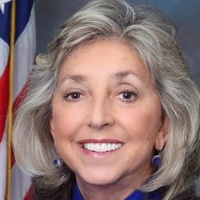
Legislative Activity
Track Dina's sponsored bills, co-sponsored legislation, and voting record
The Bridge Protection Act establishes new federal requirements for assessing and mitigating collision risks for older bridges over navigable waters to qualify for federal funding.
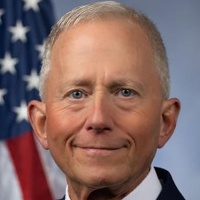
Jefferson Van Drew
Representative
NJ
Jefferson Van Drew
Representative
NJ
The Bridge Protection Act establishes new federal requirements for owners of older bridges over navigable waters seeking federal funding. These owners must conduct vulnerability assessments against ship or barge collisions using the AASHTO Method II. If a bridge is deemed high-risk, owners must implement a mitigation plan or risk losing future federal grants for that structure. The Act also creates a dedicated grant program to help fund these necessary safety assessments and physical improvements.
This act bans the interstate transportation of horses using vehicles with two or more stacked levels.

Steve Cohen
Representative
TN
Steve Cohen
Representative
TN
The Horse Transportation Safety Act of 2025 prohibits the interstate transport of horses using any truck or trailer with two or more stacked levels. This measure aims to enhance animal welfare during cross-state travel by banning multilevel transport configurations. Violators who knowingly break this rule face civil penalties ranging from $\$100$ to $\$500$ per violation.
This resolution expresses support for establishing "National Extreme Heat Awareness Week" from July 3–10, 2025, to educate the public on the dangers and risks associated with extreme heat.
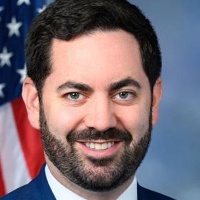
Michael Lawler
Representative
NY
Michael Lawler
Representative
NY
This resolution expresses strong support for designating July 3 through July 10, 2025, as "National Extreme Heat Awareness Week." The goal is to raise public awareness about the significant dangers and widespread risks extreme heat poses to public safety, infrastructure, and the economy. By establishing this week, Congress encourages nationwide education and preparedness efforts to mitigate heat-related illnesses and fatalities.
The DEFIANCE Act of 2025 establishes a federal civil right of action against the creation, possession with intent to share, or sharing of nonconsensual sexually explicit digital forgeries, or "deepfakes."
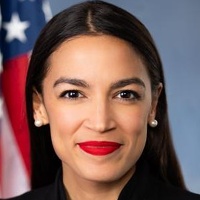
Alexandria Ocasio-Cortez
Representative
NY
Alexandria Ocasio-Cortez
Representative
NY
The DEFIANCE Act of 2025 establishes a federal civil cause of action against the creation, possession with intent to share, or sharing of nonconsensual intimate digital forgeries, often known as deepfakes. This legislation updates existing law to specifically address image-based sexual abuse created through AI or digital manipulation, regardless of whether the image is labeled as fake. Victims can sue for significant statutory damages, attorney's fees, and injunctive relief to stop the spread of the harmful content. The Act ensures that this new federal standard does not preempt or limit stronger existing State or Tribal laws.
The Save Our Forests Act of 2025 mandates increased staffing and reinstatement of former employees within the Forest Service while ensuring the continuation of all authorized Forest Service projects.
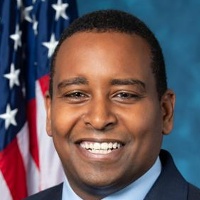
Joe Neguse
Representative
CO
Joe Neguse
Representative
CO
The Save Our Forests Act of 2025 aims to strengthen the management and health of the National Forest System. This legislation mandates the immediate hiring of additional Forest Service personnel and the reinstatement of recently departed employees. Furthermore, it ensures the continuation of all previously authorized and funded Forest Service projects under various existing laws.
The Fit to Serve Act prohibits discrimination against service members and recruits in the Armed Forces based on their gender identity.
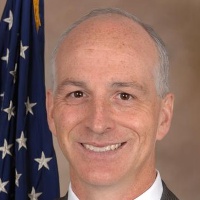
Adam Smith
Representative
WA
Adam Smith
Representative
WA
The Fit to Serve Act prohibits the U.S. Armed Forces from discriminating against service members based on their gender identity. This means military branches cannot set different standards, involuntarily discharge personnel, or deny medically necessary healthcare due to a service member's gender identity. The bill ensures equal opportunity for joining, serving, and receiving care regardless of one's internal sense of self.
The Protect our Parks Act of 2025 mandates the immediate full staffing of the National Park Service, the rehiring of recently terminated employees, and the continuation of all authorized park improvement projects.
Joe Neguse
Representative
CO
Joe Neguse
Representative
CO
The Protect our Parks Act of 2025 mandates the Secretary of the Interior to immediately ensure the National Park Service is fully staffed to protect resources and enhance visitor safety. This legislation requires filling all maintenance positions and reinstating any NPS employees terminated since January 20, 2025. Furthermore, the Act ensures the continuation of all previously authorized and funded National Park Service projects.
This Act restricts the use of federal funds for a U.S. nuclear first strike unless the President deems it necessary and Congress is notified seven days prior, except in cases of declared war, prior nuclear attack, or launch-on-warning scenarios.
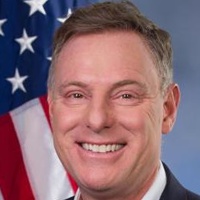
Scott Peters
Representative
CA
Scott Peters
Representative
CA
The Nuclear First-Strike Security Act of 2025 places strict limitations on the use of federal funds to initiate a nuclear attack. Under this Act, a first-use nuclear strike requires a presidential determination that it is in the U.S. best interest, followed by a mandatory seven-day notification to top Congressional leaders. This notification requirement is waived only in cases of a formal declaration of war, a prior nuclear attack on the U.S. or an ally, or during a confirmed launch-on-warning scenario.
This bill protects striking and locked-out workers by preventing employers from terminating or altering their group health plan coverage during a labor dispute and establishes significant civil penalties for violations.
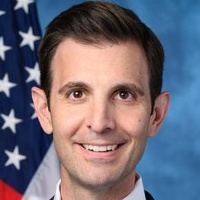
Chris Deluzio
Representative
PA
Chris Deluzio
Representative
PA
The Striking and Locked Out Workers Healthcare Protection Act ensures that employers cannot terminate or alter group health plan coverage for employees during a lawful strike or an employer-initiated lockout. This legislation aims to prevent employers from using health benefits as leverage during labor disputes. The bill also establishes significant civil penalties, including fines up to \$150,000 per violation, for employers who interfere with this coverage, and allows for individual liability for directors and officers involved in such violations.
This Act mandates increased transparency, prohibits conflicts of interest, and restricts lobbying activities for agricultural checkoff programs exceeding \$20 million in annual revenue.
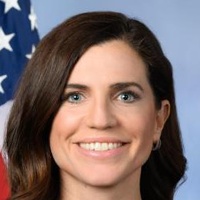
Nancy Mace
Representative
SC
Nancy Mace
Representative
SC
The Opportunities for Fairness in Farming Act of 2025 aims to increase transparency and prevent conflicts of interest within agricultural commodity checkoff programs. It strictly prohibits Boards from using assessment funds for lobbying activities and mandates detailed public disclosure of all spending. Furthermore, the bill requires regular audits by the Inspector General and the GAO to ensure compliance and integrity in how these producer funds are managed.
This resolution officially recognizes National Public Works Week to honor the professionals who maintain essential public services and infrastructure across the United States.
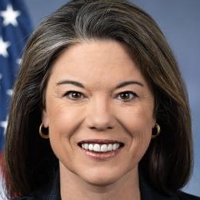
Angie Craig
Representative
MN
Angie Craig
Representative
MN
This resolution officially recognizes the week of May 18 through May 24, 2025, as the 65th annual National Public Works Week. It serves to thank and honor the dedicated public works professionals and first responders who ensure the safety and functionality of essential community services like roads and water systems. The bill encourages all Americans to acknowledge the vital role these individuals play in daily life and during times of crisis.
This bill amends Medicare to require standardized cognitive impairment detection during the annual wellness visit and the initial preventive physical examination starting in 2026.
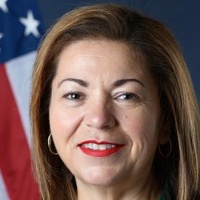
Linda Sánchez
Representative
CA
Linda Sánchez
Representative
CA
This bill amends Medicare to require cognitive impairment screening during the Annual Wellness Visit and the Initial Preventive Physical Examination. It mandates the use of specific, approved screening tools to detect potential issues like Alzheimer's disease early. The goal is to ensure timely diagnosis, allowing patients and caregivers to access necessary planning and support services sooner.
This Act establishes a new federal grant program to provide operating support for high-quality public transit that prioritizes service improvements in underserved communities, while also increasing the federal share for rural transit operating costs.

Henry Johnson
Representative
GA
Henry Johnson
Representative
GA
The Stronger Communities through Better Transit Act establishes a new federal grant program to provide operating support for high-quality public transit services. This funding is specifically targeted to improve mobility and environmental outcomes, with a requirement that the majority of funds benefit underserved communities or areas of persistent poverty. The Act also increases the federal share for rural transit operating assistance up to 80%.
This Act reinstates and extends the ability for taxpayers to deduct personal casualty losses from unexpected events like crimes, scams, and disasters without previous limitations.
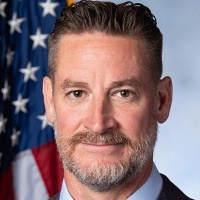
W. Steube
Representative
FL
W. Steube
Representative
FL
The Tax Relief for Victims of Crimes, Scams, and Disasters Act reinstates and removes limitations on the federal income tax deduction for personal casualty losses resulting from unexpected events like fires or floods. This legislation also extends the deadline for taxpayers to file claims for refunds related to these casualty loss deductions for past tax years. These changes apply to tax years beginning after December 31, 2017.
This bill establishes mandatory minimum registered nurse-to-patient staffing ratios in hospitals to enhance patient safety, enforces these standards across federal healthcare programs, and funds initiatives to support the nursing workforce.

Janice Schakowsky
Representative
IL
Janice Schakowsky
Representative
IL
The Nurse Staffing Standards for Hospital Patient Safety and Quality Care Act of 2025 establishes mandatory minimum registered nurse-to-patient ratios across various hospital units to enhance patient safety and care quality. This legislation requires hospitals to implement detailed staffing plans, ensures enforcement through federal programs like Medicare and Medicaid, and supports the nursing workforce through expanded financial aid and retention initiatives. Furthermore, the bill protects nurses who refuse unsafe assignments and establishes clear mechanisms for reporting violations.
This Act mandates the delivery of documents and a report regarding the proposed transfer of an aircraft from Qatar to a Trump-controlled entity, while prohibiting federal funding for such transfers.
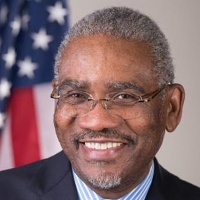
Gregory Meeks
Representative
NY
Gregory Meeks
Representative
NY
This bill mandates the Secretary of State to immediately provide Congress with all documents and a detailed report concerning the proposed transfer of an aircraft from Qatar to an entity controlled by former President Trump. Furthermore, it prohibits the use of any federal funding for aircraft transfers involving foreign governments to the U.S. Government, the President, or the Trump Presidential Library. The Act aims to ensure transparency and halt federal financial support for these specific property transfers.
This resolution expresses the House's view that President Trump must immediately submit plans to Congress for accepting a jumbo jet gift from Qatar to comply with the Foreign Emoluments Clause.
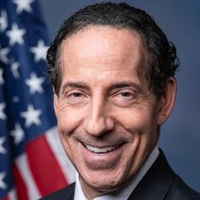
Jamie Raskin
Representative
MD
Jamie Raskin
Representative
MD
This resolution expresses the sense of the House that President Trump must comply with the Foreign Emoluments Clause regarding a reported gift of a jumbo jet from Qatar. It calls on the President to immediately submit all plans for accepting this significant gift to Congress. The bill emphasizes that the Constitution requires Congressional consent before the President can accept valuable items from foreign governments.
This Act prohibits charging different prices for substantially similar consumer products or services based solely on the buyer's gender.
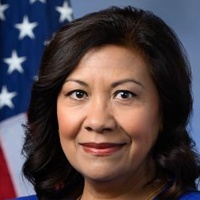
Norma Torres
Representative
CA
Norma Torres
Representative
CA
The Pink Tax Repeal Act prohibits businesses from charging different prices for substantially similar consumer products or services based solely on the buyer's gender. This legislation empowers the Federal Trade Commission (FTC) to enforce the ban as an unfair business practice. State Attorneys General are also authorized to file lawsuits to stop violations and seek restitution for affected residents.
This Act establishes a comprehensive U.S. strategy for the Pacific Islands region, mandates regular strategy reports, extends diplomatic immunities to the Pacific Islands Forum, and requires coordination with allies on regional assistance.
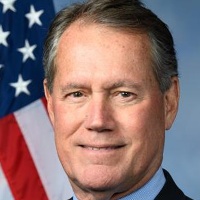
Ed Case
Representative
HI
Ed Case
Representative
HI
The Pacific Partnership Act formally establishes the U.S. commitment to strengthening its comprehensive policy toward the Pacific Islands region, emphasizing peace, security, and prosperity. It mandates the President to develop and submit a detailed "Strategy for Pacific Partnership" to Congress by 2026 and 2030, outlining diplomatic, economic, and security goals. Furthermore, the bill enhances coordination with allies on aid delivery and grants the Pacific Islands Forum diplomatic immunities. Finally, it requires enhanced reporting from the State Department on transnational issues affecting the region.
The Water Affordability, Transparency, Equity, and Reliability Act of 2025 establishes a dedicated trust fund financed by a corporate tax increase to improve water infrastructure, mandate affordability and equity reporting, and expand job training and assistance for underserved communities.
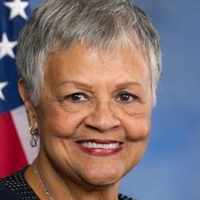
Bonnie Watson Coleman
Representative
NJ
Bonnie Watson Coleman
Representative
NJ
The Water Affordability, Transparency, Equity, and Reliability Act of 2025 establishes a dedicated federal Trust Fund, financed by an increase in the corporate tax rate, to support water infrastructure and affordability programs nationwide. The bill mandates a comprehensive EPA report analyzing water affordability, civil rights compliance, and public participation in water planning. It also significantly increases funding for household water well systems and revises state revolving loan fund rules to expand eligible projects, including lead line replacement and PFAS contamination cleanup. Finally, the Act creates new job training grants for the water sector and enhances drinking water assistance for colonias.