Legislative Activity
Track Glenn's sponsored bills, co-sponsored legislation, and voting record
This bill repeals the excise tax on indoor tanning services, effective after the date of enactment.
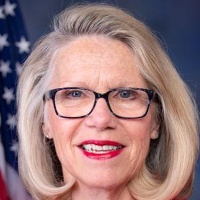
Carol Miller
Representative
WV
Carol Miller
Representative
WV
The "Tanning Tax Repeal Act of 2025" eliminates the federal excise tax on indoor tanning services. This bill removes Chapter 49 from the Internal Revenue Code, effectively repealing the tax. The repeal is applicable for services provided after the bill's enactment.
The "Federal Firearms Licensee Protection Act of 2025" increases penalties for stealing firearms from licensed dealers, manufacturers, or importers, especially during burglaries or robberies, and clarifies related definitions.
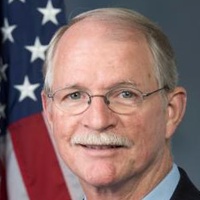
John Rutherford
Representative
FL
John Rutherford
Representative
FL
The "Federal Firearms Licensee Protection Act of 2025" increases penalties for stealing firearms from licensed dealers. It sets stricter punishments, including up to 20 years in prison, for violating laws related to firearm theft. The act also mandates minimum prison sentences of 3 years for burglaries and 5 years for robberies targeting licensed firearm businesses.
This bill expands the use of qualified tuition program funds to cover aviation maintenance and commercial pilot courses.
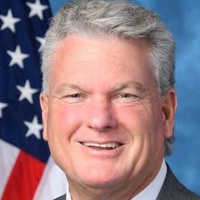
Mike Collins
Representative
GA
Mike Collins
Representative
GA
The Aviation Workforce Development Act amends the Internal Revenue Code to allow expenses for aviation maintenance and commercial pilot courses to be considered qualified higher education expenses for qualified tuition programs. This change applies to distributions made after the enactment of this law, aiming to support workforce development in the aviation sector.
The "Roberto Clemente Commemorative Coin Act" directs the Treasury to mint coins in 2027 honoring Roberto Clemente, with surcharges benefiting the Roberto Clemente Foundation.
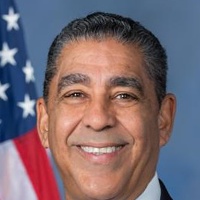
Adriano Espaillat
Representative
NY
Adriano Espaillat
Representative
NY
The Roberto Clemente Commemorative Coin Act directs the Department of Treasury to mint and issue gold, silver, and half-dollar coins in 2027 to commemorate the life and legacy of Roberto Clemente. The coins' designs will represent Clemente's life, including his baseball achievements and humanitarian work. Surcharges from the coin sales will benefit the Roberto Clemente Foundation, supporting their educational programs, youth sports initiatives, disaster relief efforts, and historic preservation projects. The Act ensures that the coin program will not incur any net cost to the United States government.
This bill authorizes a joint session of Congress to be held in Philadelphia on July 2, 2026, to commemorate the 250th anniversary of the Declaration of Independence.
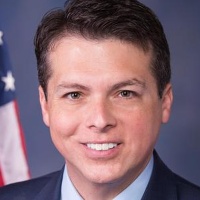
Brendan Boyle
Representative
PA
Brendan Boyle
Representative
PA
This resolution authorizes a joint session of Congress to be held at Independence National Historical Park in Philadelphia on July 2, 2026. This historic meeting will commemorate the 250th anniversary of the signing of the Declaration of Independence.
The "Grown in America Act of 2025" establishes a tax credit for businesses that use domestically produced agricultural commodities in their products, aiming to incentivize the use of American-grown ingredients.
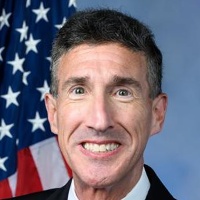
David Kustoff
Representative
TN
David Kustoff
Representative
TN
The "Grown in America Act of 2025" introduces a tax credit for businesses that use domestic agricultural commodities in their products for human consumption. This credit, capped at $100,000,000, aims to incentivize the use of U.S.-produced agricultural inputs by offering a tax benefit based on the percentage of domestic agricultural commodities used. The percentage of domestic inputs required to receive the full credit increases over time, with the Secretary of Agriculture maintaining a list of agricultural commodities that cannot be produced domestically. These provisions will be effective for taxable years starting after December 31, 2025.
Renames the U.S. Postal Service facility at 28 East Airy Street in Norristown, Pennsylvania, as the "Charles L. Blockson Post Office Building".
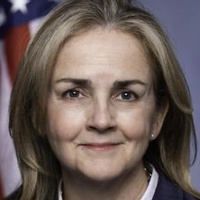
Madeleine Dean
Representative
PA
Madeleine Dean
Representative
PA
This bill designates the United States Postal Service facility located at 28 East Airy Street in Norristown, Pennsylvania, as the "Charles L. Blockson Post Office Building." Any reference to this facility in any document will now refer to it as the Charles L. Blockson Post Office Building.
The EARLY Minds Act supports state-level mental health prevention and early intervention programs for children and adolescents.
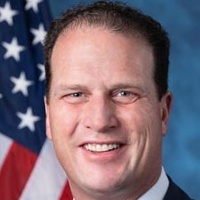
August Pfluger
Representative
TX
August Pfluger
Representative
TX
The "EARLY Minds Act" amends the Public Health Service Act to emphasize early intervention for mental health by requiring states to outline prevention strategies in their plans. States can use up to 5% of their funding to support these programs. The Secretary must report to Congress biennially on state prevention and early intervention activities, including outcomes and demographics.
Nullifies the EPA's rule on greenhouse gas emissions from power plants and reinstates the Affordable Clean Energy Rule.
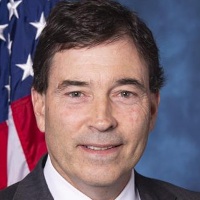
Troy Balderson
Representative
OH
Troy Balderson
Representative
OH
This bill nullifies the Environmental Protection Agency's rule on greenhouse gas emissions from power plants. The rule targeted new, modified, and reconstructed fossil fuel-fired electric generating units. It also set emission guidelines and repealed the Affordable Clean Energy Rule.
This Act directs the Architect of the Capitol to create, bury, and seal a time capsule on the U.S. Capitol grounds to commemorate the nation's 250th anniversary, to be opened in 2276.
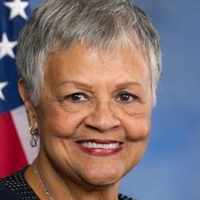
Bonnie Watson Coleman
Representative
NJ
Bonnie Watson Coleman
Representative
NJ
The Semiquincentennial Congressional Time Capsule Act directs the Architect of the Capitol to create and bury a time capsule on the U.S. Capitol grounds to commemorate the nation’s 250th anniversary. Curated by congressional leadership, the capsule will contain historical items and legislative milestones to be preserved for future generations. It is scheduled to be sealed on July 4, 2026, and reopened by Congress on July 4, 2276.
This bill directs the Joint Committee on the Library to procure and install a statue of Benjamin Franklin in the United States Capitol by the end of 2026.
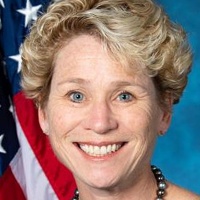
Chrissy Houlahan
Representative
PA
Chrissy Houlahan
Representative
PA
This bill directs the Joint Committee on the Library to procure a statue of Benjamin Franklin for permanent display within the United States Capitol. The statue is required to be acquired by the end of 2025 and installed in a publicly accessible location by December 31, 2026.
This bill would allow nurse practitioners and physician assistants to complete Medicare paperwork for covering certain shoes for people with diabetes.
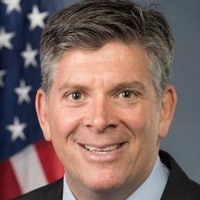
Darin LaHood
Representative
IL
Darin LaHood
Representative
IL
The "Promoting Access to Diabetic Shoes Act" allows nurse practitioners and physician assistants to complete Medicare paperwork for covering therapeutic shoes for people with diabetes, increasing access to this benefit.
This resolution condemns the Iranian regime’s terrorism and human rights abuses while affirming support for the Iranian people’s right to establish a democratic, secular, and non-nuclear republic.
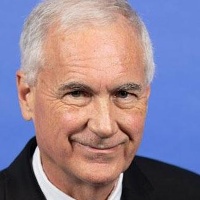
Tom McClintock
Representative
CA
Tom McClintock
Representative
CA
This resolution condemns the Iranian regime for its ongoing human rights abuses, state-sponsored terrorism, and regional instability. It expresses strong support for the Iranian people's struggle for a democratic, secular, and non-nuclear republic. Furthermore, the bill advocates for international accountability for the regime's crimes and calls for the protection of Iranian political refugees.
To award a Congressional Gold Medal to the 761st Tank Battalion, the first Black soldiers to serve in an American armored unit, for their valor and crucial contributions to the Allied victory in Europe.
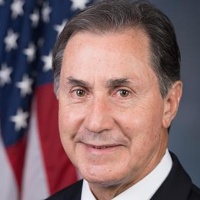
Gary Palmer
Representative
AL
Gary Palmer
Representative
AL
This bill authorizes the Speaker of the House and the President pro tempore of the Senate to award a Congressional Gold Medal to the 761st Tank Battalion, also known as the "Black Panthers," in recognition of their courageous service and crucial contributions during World War II. The medal will be given to the National Museum of African American History and Culture for display, honoring the 761st as the first Black soldiers to serve in an American armored unit and their significant role in the Allied victory in Europe. The bill also allows for the creation and sale of bronze duplicates of the medal to support the United States Mint Public Enterprise Fund.
The TREATS Act amends the Controlled Substances Act to allow telehealth evaluations for prescribing certain medications for substance use disorder treatment.
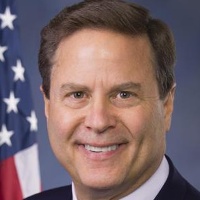
Donald Norcross
Representative
NJ
Donald Norcross
Representative
NJ
The TREATS Act amends the Controlled Substances Act to allow telehealth evaluations for prescribing certain controlled substances used in substance use disorder treatment. This removes the prior requirement for an in-person evaluation, enabling remote medical assessments via real-time audio-visual or audio-only communication, in accordance with federal and state laws. The goal of this bill is to increase access to treatment for substance use disorders.
The "Protect and Serve Act of 2025" establishes federal penalties for intentionally causing serious harm or death to law enforcement officers because of their position, under certain circumstances, and requires Attorney General certification for federal prosecution in many cases.
John Rutherford
Representative
FL
John Rutherford
Representative
FL
The "Protect and Serve Act of 2025" creates federal offenses for intentionally causing serious injury or death to law enforcement officers because of their status as officers. It sets penalties including imprisonment and fines, with increased penalties if death results or if kidnapping or attempted killing is involved. Federal prosecution requires certification from the Attorney General, based on a request from the state or if it is in the public interest to ensure substantial justice. The act defines "law enforcement officer" and "State" for the purposes of the new offenses.
Eric's Law mandates a new jury for death penalty considerations if the initial jury can't reach a unanimous decision, and prohibits the death penalty if a second jury also fails to reach unanimity.
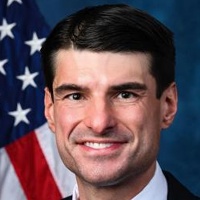
Robert Bresnahan
Representative
PA
Robert Bresnahan
Representative
PA
Eric's Law addresses instances where a jury is unable to reach a unanimous decision regarding sentencing in death penalty cases. It mandates that the court impanel a new jury to determine sentencing. Should the second jury also fail to reach a unanimous agreement, the court is required to impose a sentence other than death.
The REPAIR Act ensures vehicle owners and independent repair shops have access to vehicle data and repair information, promoting competition and protecting data privacy in the auto repair industry.
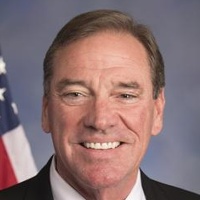
Neal Dunn
Representative
FL
Neal Dunn
Representative
FL
The "Right to Equitable and Professional Auto Industry Repair Act" or the "REPAIR Act" ensures vehicle owners and independent repair shops have access to necessary vehicle data, repair information, and tools, preventing manufacturers from creating barriers to repairs. It establishes an advisory committee to address competition issues in the auto repair industry and mandates that car buyers are informed of their rights to choose repair options. The Federal Trade Commission (FTC) is empowered to enforce the Act, protecting consumers from unfair restrictions on vehicle repair and ensuring control over their vehicle data.
This resolution designates February 24–28, 2025, as "Public Schools Week" to celebrate the vital role of public education and advocate for the continued support and funding of our nation's schools.
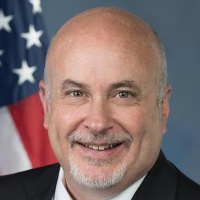
Mark Pocan
Representative
WI
Mark Pocan
Representative
WI
This resolution designates February 24–28, 2025, as "Public Schools Week" to celebrate the vital role public education plays in preparing students for the future. It reaffirms the commitment to providing every child with a high-quality, inclusive, and well-funded learning environment. Additionally, the bill calls on lawmakers to prioritize equitable resources and support services to ensure student success.
The "Access Technology Affordability Act of 2025" creates a tax credit of up to $2,000 every three years for blind individuals who purchase qualified access technology.
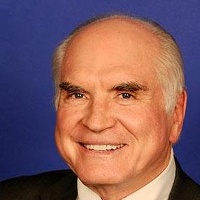
Mike Kelly
Representative
PA
Mike Kelly
Representative
PA
The "Access Technology Affordability Act of 2025" introduces a tax credit for blind individuals who purchase qualified access technology, such as hardware or software that converts visual information into accessible formats. The credit is capped at $2,000 per blind individual over any three consecutive tax years and will be adjusted for inflation after 2026. This credit is effective for tax years starting after December 31, 2025, and expires after December 31, 2030. It ensures that individuals cannot claim double benefits for the same expenses.