Legislative Activity
Track Thomas's sponsored bills, co-sponsored legislation, and voting record
This bill aims to restrict the labeling of non-dairy products as standardized dairy products unless they meet a strict new definition based on milk from hooved mammals.
John Joyce
Representative
PA
John Joyce
Representative
PA
The DAIRY PRIDE Act aims to protect the integrity of dairy labeling by establishing a strict definition for what can be called a "dairy product." This bill prohibits foods that do not meet this new standard—derived from the milk of hooved mammals—from being sold across state lines under standardized dairy names. Enforcement will be managed by the FDA, which is required to issue guidance and report on compliance actions to Congress.
This bill prohibits using federal funds for lawmaker workplace misconduct settlements and makes members and senior staff personally liable while mandating public disclosure of past and future claims.

Paul Gosar
Representative
AZ
Paul Gosar
Representative
AZ
This bill prohibits the use of federal funds to cover settlements for workplace misconduct by Members of Congress or senior staff. It mandates that individuals found liable must pay settlements personally and requires the public disclosure of past and future misconduct claims. Furthermore, the Act requires prompt referral of any criminal allegations to the Department of Justice.
This bill officially renames the Waupaca, Wisconsin post office at 306 South Main Street to the Master Sergeant Melvin O. Handrich Post Office Building.
Tony Wied
Representative
WI
Tony Wied
Representative
WI
This bill officially renames the United States Postal Service facility located at 306 South Main Street in Waupaca, Wisconsin. The post office will now be known as the Master Sergeant Melvin O. Handrich Post Office Building. This designation will be reflected in all official records and documents referencing the facility.
This bill establishes a dedicated Department of Justice initiative to counter intellectual property theft, economic espionage, and investment risks posed by the Chinese Communist Party.
Lance Gooden
Representative
TX
Lance Gooden
Representative
TX
This bill establishes the "CCP Initiative" within the Department of Justice to aggressively counter threats from the Chinese Communist Party (CCP). The initiative focuses on protecting U.S. intellectual property, combating economic espionage, and reviewing foreign investment risks from the PRC. It mandates coordination across federal agencies and requires annual reporting on progress and challenges.
The Federal Working Animal Protection Act makes non-citizens who harm law enforcement animals inadmissible to the United States and subject to deportation.
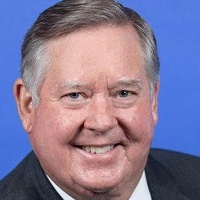
Ken Calvert
Representative
CA
Ken Calvert
Representative
CA
The Federal Working Animal Protection Act amends the Immigration and Nationality Act to make individuals who harm law enforcement animals inadmissible to the United States. Additionally, the bill establishes that such individuals are subject to deportation if they have been convicted of or admit to committing these offenses.
The Deporting Fraudsters Act of 2026 mandates the inadmissibility and deportation of non-citizens convicted of defrauding the U.S. government or unlawfully receiving public benefits.
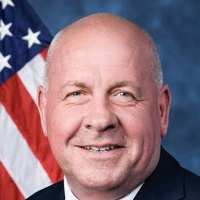
David Taylor
Representative
OH
David Taylor
Representative
OH
The Deporting Fraudsters Act of 2026 amends the Immigration and Nationality Act to make non-citizens inadmissible to and deportable from the United States if they commit fraud against the government or unlawfully receive public benefits. Additionally, the bill renders individuals convicted of these offenses ineligible for any form of immigration relief.
This bill prohibits federal agencies from banning the use of lead ammunition and tackle on federal lands and waters unless specific, evidence-based criteria and state-level coordination requirements are met.

Robert Wittman
Representative
VA
Robert Wittman
Representative
VA
The Protecting Access for Hunters and Anglers Act prevents federal agencies from banning the use of lead ammunition and tackle on federal lands and waters open to hunting and fishing. Exceptions to this rule are only permitted if specific, site-based field data proves lead is causing a wildlife population decline and the action is approved by or consistent with state wildlife policies.
The North Rim Restoration Act authorizes the National Park Service to implement reforestation programs and utilize expedited contracting procedures to accelerate recovery efforts in areas of the Grand Canyon damaged by the Dragon Bravo Fire.
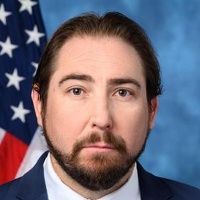
Eli Crane
Representative
AZ
Eli Crane
Representative
AZ
The North Rim Restoration Act establishes a comprehensive program to restore and reforest areas of the Grand Canyon National Park damaged by the Dragon Bravo Fire. To expedite recovery, the bill grants the Secretary of the Interior emergency contracting and limited sole-source procurement authorities to repair essential infrastructure and visitor facilities. These measures are supported by strict reporting requirements to ensure transparency and accountability throughout the restoration process.
The Enhanced Iran Sanctions Act of 2025 mandates broad economic and immigration sanctions on foreign individuals, entities, and financial institutions that support Iran’s nuclear, missile, drone, or terrorist activities, while specifically targeting the country's petroleum and petrochemical sectors.
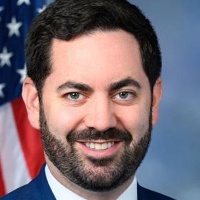
Michael Lawler
Representative
NY
Michael Lawler
Representative
NY
The Enhanced Iran Sanctions Act of 2025 strengthens U.S. policy by imposing mandatory sanctions on foreign persons and financial institutions that support Iran’s nuclear, ballistic missile, drone, and terrorist activities. The bill specifically targets Iran’s petroleum and petrochemical sectors to cut off funding for these malign programs. Additionally, it expands the State Department’s "Rewards for Justice" program to incentivize the reporting of individuals who evade these sanctions.
The Shut Down Sanctuary Policies Act of 2026 mandates state and local cooperation with federal immigration enforcement by withholding federal grants from non-compliant jurisdictions and establishing legal liability for sanctuary policies.
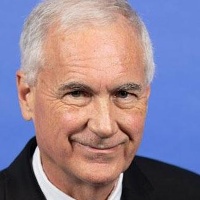
Tom McClintock
Representative
CA
Tom McClintock
Representative
CA
The Shut Down Sanctuary Policies Act of 2026 mandates state and local cooperation with federal immigration enforcement by overriding "sanctuary" policies and establishing legal protections for cooperating jurisdictions. The bill imposes financial penalties on non-compliant jurisdictions, including the loss of specific federal law enforcement grants. Additionally, it clarifies federal authority regarding immigration detainers and creates a private right of action for victims of crimes committed by individuals released in violation of these federal requirements.
The Dalilah Law restricts commercial driver's license (CDL) eligibility to U.S. citizens, permanent residents, and specific visa holders, while mandating English-language proficiency and imposing federal funding penalties on non-compliant states.
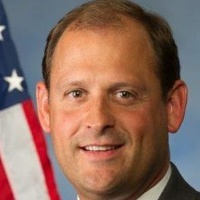
Garland Barr
Representative
KY
Garland Barr
Representative
KY
The Dalilah Law restricts the issuance of commercial driver's licenses (CDLs) to U.S. citizens, lawful permanent residents, and specific work visa holders. The bill mandates English language proficiency for all CDL applicants and requires states to recertify existing license holders. States that fail to comply with these eligibility and testing requirements face the loss of federal transportation funding.
The Securing Our Streets (SOS) Act of 2026 authorizes $10 billion in grants to help states expand correctional capacity and implement stricter sentencing and detention policies for repeat violent offenders.
Tony Wied
Representative
WI
Tony Wied
Representative
WI
The Securing Our Streets (SOS) Act of 2026 establishes a $10 billion federal grant program to assist states in expanding correctional capacity and incarcerating repeat violent offenders. To qualify for funding, states must implement stricter sentencing requirements, including mandatory minimums for repeat offenders and "three-strikes" life imprisonment policies. The program aims to enhance public safety by supporting the construction of secure facilities and the training of correctional personnel.
This bill nullifies the 2001 Roadless Area Conservation rule and mandates that the Secretary of Agriculture construct necessary roads on National Forest System lands for restoration and fire mitigation purposes.
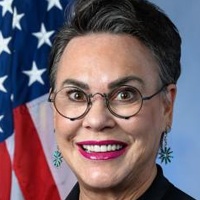
Harriet Hageman
Representative
WY
Harriet Hageman
Representative
WY
This bill seeks to nullify the 2001 "Roadless Area Conservation" rule, effectively removing existing federal restrictions on road construction within National Forest System lands. It mandates that the Secretary of Agriculture construct new roads to facilitate forest restoration, hazardous fuels reduction, and improved watershed health. All such construction projects would remain subject to existing environmental laws, including the National Environmental Policy Act.
This bill prohibits federal agencies from providing funding or support for the creation or maintenance of state-level firearm ownership databases, with exceptions for records of lost or stolen weapons.
Paul Gosar
Representative
AZ
Paul Gosar
Representative
AZ
The Gun Owner Registration Information Protection Act prohibits federal agencies from providing funding or support for the creation and maintenance of state-level firearm ownership databases. This legislation ensures that federal resources cannot be used to track lawful gun owners, with a specific exception for databases tracking lost or stolen firearms.
This bill exempts specific less-than-lethal projectile devices from federal firearm restrictions, excise taxes, and National Firearms Act regulations to promote de-escalation innovation in law enforcement.
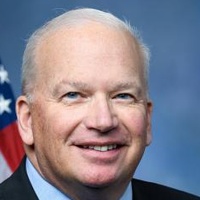
Scott Fitzgerald
Representative
WI
Scott Fitzgerald
Representative
WI
The Law-Enforcement Innovate to De-Escalate Act aims to promote de-escalation by exempting specific, clearly defined less-than-lethal projectile devices from federal firearm restrictions and excise taxes. This legislation provides a formal process for determining which devices qualify for these exemptions under both federal law and the National Firearms Act. The bill also modernizes tax regulations by exempting qualifying less-than-lethal devices and their ammunition from federal excise taxes.
This bill authorizes the establishment and maintenance of memorials at Antietam and Manassas battlefields honoring Wisconsin infantry soldiers from the Civil War.
Scott Fitzgerald
Representative
WI
Scott Fitzgerald
Representative
WI
This bill authorizes the establishment of two memorials to honor Wisconsin infantry soldiers who fought in the Civil War battles of Antietam and the Second Battle of Bull Run. The memorials will be placed at the respective National Park Service battlefields. All design, construction, and installation costs must be covered by non-federal funding.
This act prohibits the U.S. government from entering into settlement agreements that require payments to third parties, except for direct restitution or payment for services rendered.
Lance Gooden
Representative
TX
Lance Gooden
Representative
TX
The Stop Settlement Slush Funds Act of 2026 restricts the U.S. government from entering into settlement agreements that mandate payments to third parties, except for direct restitution or payment for services rendered. This legislation aims to prevent the use of settlement funds for purposes other than remedying harm to the United States or its citizens. The Act also establishes reporting and annual audit requirements for federal agencies regarding these settlement agreements.
This bill establishes federal standards for voter identification, registration, election administration, and mail-in ballot procedures for federal elections.
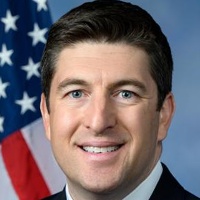
Bryan Steil
Representative
WI
Bryan Steil
Representative
WI
The Make Elections Great Again Act establishes new federal standards for voter identification, citizenship verification for registration, and statewide voter list maintenance for federal elections. It also standardizes election administration by mandating paper ballots, banning ranked-choice voting, and implementing strict new rules for requesting and returning mail-in ballots. The bill aims to increase election integrity through enhanced documentation and procedural uniformity across states.
This bill mandates proof of U.S. citizenship for federal voter registration and requires photo identification showing citizenship status for voting in federal elections.
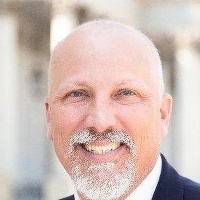
Chip Roy
Representative
TX
Chip Roy
Representative
TX
The Safeguard American Voter Eligibility Act (SAVE America Act) mandates that individuals must provide documentary proof of U.S. citizenship to register to vote in federal elections. It also establishes a federal requirement for voters to present a photo ID indicating U.S. citizenship when casting a ballot in federal elections. The bill outlines specific acceptable forms of proof and requires states to implement verification programs to ensure only citizens are registered and voting.
This Act mandates that federal agencies use specific sex-based terms like "female" or "mother" instead of "birthing person" in official communications.
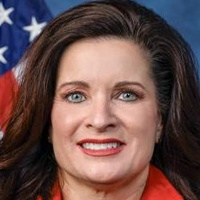
Sheri Biggs
Representative
SC
Sheri Biggs
Representative
SC
The Protecting Motherhood Act mandates that federal agencies use specific, sex-based terminology such as "mother," "woman," or "female" instead of the term "birthing person" in all official documents. This legislation defines the required terms to ensure consistency in federal communications regarding pregnancy and parenthood.