Legislative Activity
Track Hillary's sponsored bills, co-sponsored legislation, and voting record
The Equal Dignity for Married Taxpayers Act updates the Internal Revenue Code by replacing gendered language with gender-neutral terms to ensure consistent and equal application of tax laws for all legally married couples.
Becca Balint
Representative
VT
Becca Balint
Representative
VT
The Equal Dignity for Married Taxpayers Act modernizes the Internal Revenue Code by replacing gendered language with gender-neutral terms for all legally married couples. This sweeping update ensures consistency across tax rules regarding filing status, deductions, and credits, regardless of the spouses' genders. The bill clarifies that married couples are often treated as a single entity for specific tax purposes. Ultimately, this legislation updates terminology to reflect equal dignity for all married taxpayers.
This bill establishes an Office of LGBTQI Inclusion within the Administration on Aging, mandates data collection on discrimination, and ensures services under the Older Americans Act are accessible and culturally competent for LGBTQI older adults.
Suzanne Bonamici
Representative
OR
Suzanne Bonamici
Representative
OR
The Ruthie and Connie LGBTQI Elder Americans Act of 2025 aims to improve services and support for older adults who identify as LGBTQI. This bill establishes a new Office of LGBTQI Inclusion within the Administration on Aging and mandates the creation of a National Resource Center on LGBTQI Aging. Furthermore, it updates definitions, ensures eligibility for federal grants, and requires specific data collection on discrimination faced by this population in aging services.
The CONNECT for Health Act of 2025 permanently expands Medicare telehealth access by removing geographic restrictions, increasing practitioner flexibility, bolstering program integrity, and mandating supports for quality remote care delivery.
Mike Thompson
Representative
CA
Mike Thompson
Representative
CA
The CONNECT for Health Act of 2025 significantly expands and permanently secures access to Medicare telehealth services by eliminating outdated geographic restrictions and allowing more practitioners to offer remote care. The bill also strengthens program integrity by dedicating funds for telehealth oversight while clarifying rules around providing necessary technology to patients. Finally, it mandates the creation of tailored educational resources and public reporting to improve quality measurement and transparency in remote care delivery.
This resolution expresses Congressional support for LGBTQI+ equality and designates June 26th as "LGBTQI+ Equality Day" to commemorate key legal victories and highlight the need for further anti-discrimination legislation.

Suzan DelBene
Representative
WA
Suzan DelBene
Representative
WA
This resolution expresses the House's support for the rights and freedoms of LGBTQI+ individuals across the United States. It recognizes key Supreme Court decisions that advanced equality and highlights the ongoing need for comprehensive legal protections against discrimination. Finally, the bill proposes designating June 26th as "LGBTQI+ Equality Day" to commemorate these legal victories.
This resolution formally recognizes the history, achievements, and ongoing struggles of the LGBTQIA+ community while encouraging the celebration of Pride Month and affirming that LGBTQIA+ rights are human rights.

Al Green
Representative
TX
Al Green
Representative
TX
This resolution formally recognizes the history, achievements, and ongoing struggles of the LGBTQIA+ community in the United States. It serves as a declaration by Congress affirming that LGBTQIA+ rights are human rights and encouraging the celebration of Pride Month. The bill highlights key historical milestones, legal victories, and acknowledges the persistent challenges and violence faced by the community. Ultimately, it commits the U.S. to continuing the pursuit of full equality for all citizens.
This Act prohibits states from interfering with or penalizing individuals who provide, receive, or facilitate abortion services that are legal in the state where the service occurs, including interstate travel for such care.

Lizzie Fletcher
Representative
TX
Lizzie Fletcher
Representative
TX
The Ensuring Women’s Right to Reproductive Freedom Act prohibits states from interfering with or retaliating against individuals who provide or receive abortion services that are legal in the state where the service occurs. This protection extends to interstate travel for legal abortion care and the movement of FDA-approved abortion-related drugs across state lines. Individuals harmed by violations can sue in federal court for damages and legal fees.
The Break the Cycle of Violence Act establishes federal frameworks within HHS and the Department of Labor to fund community-based violence intervention programs and provide job training for opportunity youth in high-violence areas.
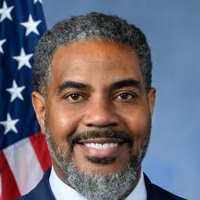
Steven Horsford
Representative
NV
Steven Horsford
Representative
NV
The Break the Cycle of Violence Act establishes federal frameworks within HHS and the Department of Labor to address community violence through prevention and economic opportunity. Title I creates grants for community-based violence intervention programs focused on evidence-based, trauma-responsive care, while Title II funds job training for opportunity youth in high-violence areas. Overall, the bill aims to reduce violence by investing in local services and creating pathways to employment rather than relying solely on incarceration.
The Women’s Health Protection Act of 2025 establishes a federal right to access abortion services before fetal viability and protects the right to travel for care, overriding state restrictions that place burdens on abortion access not imposed on comparable medical procedures.
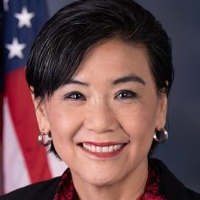
Judy Chu
Representative
CA
Judy Chu
Representative
CA
The Women’s Health Protection Act of 2025 establishes a federal statutory right to access abortion services, prohibiting medically unnecessary restrictions that impede care before fetal viability. This Act protects the right of patients to travel across state lines to receive reproductive healthcare and allows providers to offer services free from state interference that conflicts with established medical standards. It preempts conflicting state and local laws and provides robust enforcement mechanisms for individuals and the Attorney General to challenge violations.
This resolution officially honors and celebrates National Boys and Girls Club Week of 2025 to recognize the organization's vital role in supporting youth development nationwide.
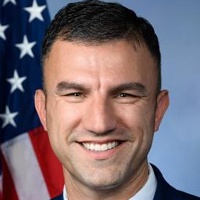
Rudy Yakym
Representative
IN
Rudy Yakym
Representative
IN
This resolution officially designates the week of June 23 through June 27, 2025, as National Boys and Girls Club Week. Congress uses this opportunity to recognize the vital role the Boys and Girls Clubs of America plays in providing safe, supportive environments for millions of young people nationwide. The bill specifically commends the organization for its commitment to youth development, career readiness, and academic success.
This Act mandates that major internet content and service providers (edge providers) must help fund the Universal Service Fund alongside broadband providers to lower consumer costs and support service in high-cost areas.
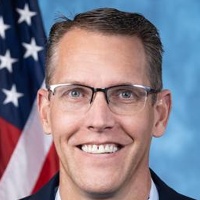
Randy Feenstra
Representative
IA
Randy Feenstra
Representative
IA
The Lowering Broadband Costs for Consumers Act of 2025 reforms the Universal Service Fund (USF) contribution system by requiring large internet content and service providers ("Edge Providers") to contribute alongside traditional broadband providers. This aims to shift the financial burden away from solely relying on phone companies to ensure continued support for universal service. The bill also directs the FCC to establish new, predictable funding mechanisms to support broadband providers serving high-cost areas.
The PHARA Act of 2025 mandates the immediate release of existing NIH grant funding, requires termination clauses in future agreements, and prohibits the NIH from ending funding solely due to shifting agency priorities.
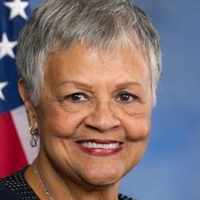
Bonnie Watson Coleman
Representative
NJ
Bonnie Watson Coleman
Representative
NJ
The PHARA Act of 2025 mandates the immediate release of all existing National Institutes of Health (NIH) grant funding and prohibits the cancellation of active research agreements. Moving forward, all new NIH grant agreements must include specific termination clauses requiring a 90-day notice and good-faith negotiation before ending the funding. Furthermore, this Act explicitly prevents the NIH from terminating agreements solely because the research no longer aligns with current agency goals or priorities.
This resolution expresses the House of Representatives' support for designating June 11, 2025, as "World Franchise Day" to recognize the economic impact and opportunities created by the franchising industry.
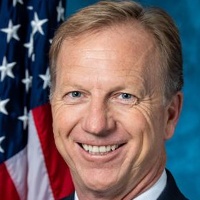
Kevin Hern
Representative
OK
Kevin Hern
Representative
OK
This resolution expresses the House of Representatives' support for designating June 11, 2025, as "World Franchise Day." It recognizes the significant role franchising plays in the U.S. economy by fostering entrepreneurship, creating millions of jobs, and providing pathways to ownership. The bill formally endorses the global recognition of this vital business model.
This bill establishes a federal tax credit for employers who invest in registered apprenticeship programs for infrastructure-related occupations, offering up to a $6,000 credit per qualified apprentice through 2035, subject to a $5 billion cap.
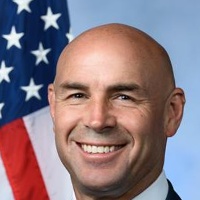
Jake Ellzey
Representative
TX
Jake Ellzey
Representative
TX
The Apprenticeship Infrastructure Tax Credit Act of 2025 establishes a new federal tax credit for employers who hire and train W-2 employees in registered apprenticeship programs focused on infrastructure-related occupations. Employers can claim a credit of \$3,000 or \$6,000 per eligible apprentice for up to two years, provided the program requires substantial on-the-job training hours. This incentive is subject to an overall spending cap of \$5 billion in claimed credits.
This act allows Rural Health Clinics to bill Medicare for personalized prevention plan services delivered by registered nurses during annual wellness visits.
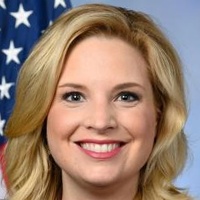
Ashley Hinson
Representative
IA
Ashley Hinson
Representative
IA
The RNs for Rural Health Act of 2025 aims to improve preventative care access in rural areas by updating Medicare payment rules for Rural Health Clinics (RHCs). This legislation allows RHCs to bill Medicare for "personalized prevention plan services" delivered by a licensed Registered Nurse (RN). This ensures RN-led preventative care is adequately covered and reimbursed under the Medicare program.
This Act mandates that most private firearm transfers must go through a licensed dealer to ensure background checks are performed on all purchasers.
Mike Thompson
Representative
CA
Mike Thompson
Representative
CA
The Bipartisan Background Checks Act of 2025 aims to strengthen existing federal background check systems to prevent prohibited persons from acquiring firearms. This bill primarily mandates that most private firearm transfers must be facilitated through a licensed dealer who will conduct a background check. The legislation includes specific exceptions for family gifts, law enforcement, and temporary transfers under emergency circumstances.
This Act improves Medicare coverage for seniors by ensuring clinical social worker mental health services are billed separately from nursing home payments and expanding the scope of billable services to include health and behavior assessments.
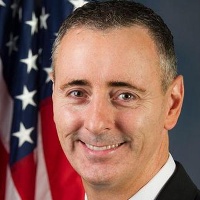
Brian Fitzpatrick
Representative
PA
Brian Fitzpatrick
Representative
PA
The Expanding Seniors Access to Mental Health Services Act aims to improve mental health care access for seniors under Medicare. This bill separates clinical social worker services from standard skilled nursing facility payments, ensuring they are billed distinctly. Furthermore, it expands Medicare coverage for clinical social workers to include health and behavior assessment and intervention services, effective January 1, 2026.
The Pride In Mental Health Act of 2025 establishes grants and federal initiatives to improve mental health services and research specifically for LGBTQ+ youth while explicitly prohibiting the use of funds for conversion therapy.
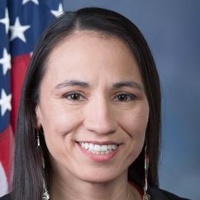
Sharice Davids
Representative
KS
Sharice Davids
Representative
KS
The Pride In Mental Health Act of 2025 establishes a new grant program to improve mental health and substance abuse outcomes for LGBTQ+ youth through culturally competent care and resource development. These grants strictly prohibit funding for conversion therapy practices. The bill also mandates federal data collection on LGBTQ+ youth mental health and requires a report on the needs of those in foster care.
The BARK Act of 2025 shields good-faith donors of pet food and supplies from liability unless gross negligence or intentional harm is proven.
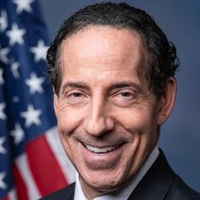
Jamie Raskin
Representative
MD
Jamie Raskin
Representative
MD
The BARK Act of 2025 aims to encourage the donation of pet food and supplies during emergencies and for charitable purposes. It provides liability protection to donors and distributing organizations against lawsuits related to the condition of donated items, provided there is no gross negligence or intentional harm. This protection applies to items that appear fit for use, even if they don't meet all commercial sales standards, provided proper disclosure and reconditioning procedures are followed.
This act repeals certain provisions of the Protection of Lawful Commerce in Arms Act and allows federal gun trace information to be discoverable and admissible in civil proceedings.
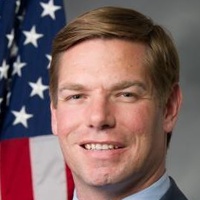
Eric Swalwell
Representative
CA
Eric Swalwell
Representative
CA
The Equal Access to Justice for Victims of Gun Violence Act of 2025 repeals key provisions of the Protection of Lawful Commerce in Arms Act. This legislation allows federal gun trace information to be discoverable and admissible as evidence in civil lawsuits and administrative hearings. The bill aims to provide victims of gun violence with greater access to relevant data in legal proceedings.
This bill mandates that certain high-level executive branch officials must recuse themselves from decisions that could financially benefit any organization they worked for or competed against within the four years prior to their government service.
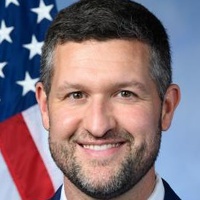
Patrick Ryan
Representative
NY
Patrick Ryan
Representative
NY
The Stop Millionaires Using Service for Kickbacks (Stop MUSK) Act aims to prevent conflicts of interest among high-level executive branch officials. It mandates that these officials must recuse themselves from decisions that could financially benefit organizations where they were employed or worked as a competitor within the four years prior to taking their current government role. This expands the look-back period to ensure greater impartiality in government decision-making.